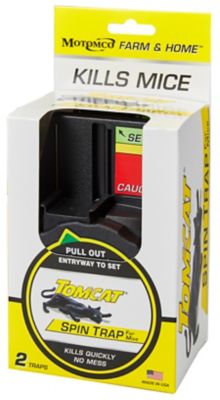
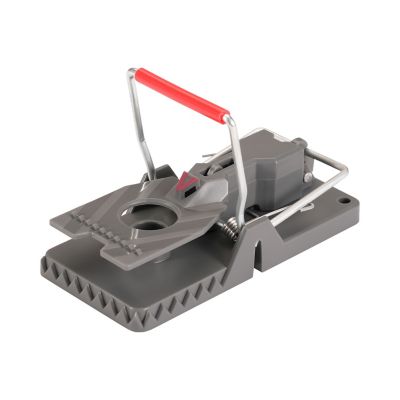
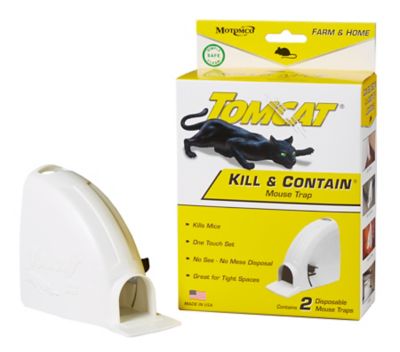
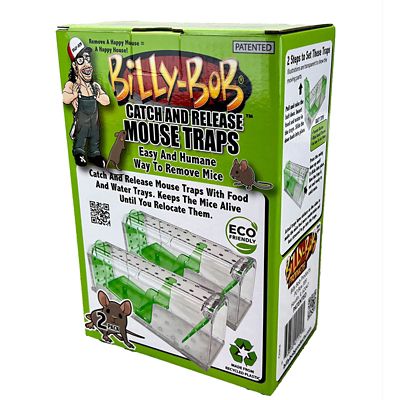
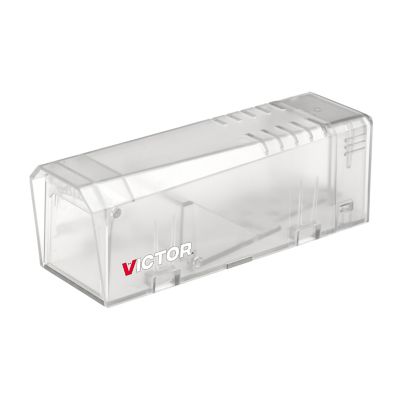
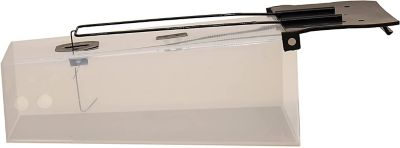
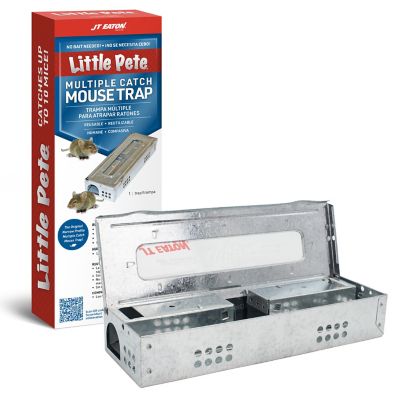
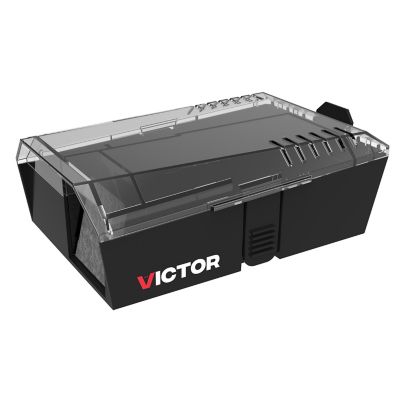
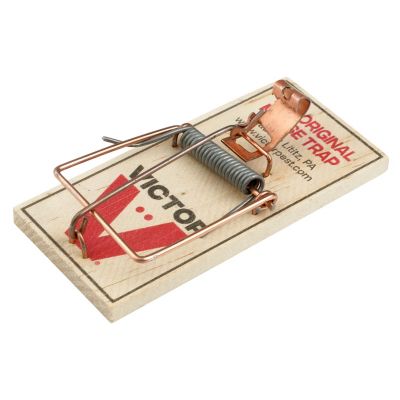
Easy set mouse traps are designed to make arming a mouse trap less fiddly, often with a press lever or another setting mechanism that keeps fingers farther from the strike area. Many pair that convenience with a spring-powered snap action, making them a practical choice for mouse control in a house, workshop, feed room, or other space listed on the packaging. “Easy set” describes the setting feature, not a guarantee of a catch, and the amount of hand pressure needed can vary between designs. A broad lever, clear set position, and steady base can make a difference when comparing traps, especially for someone who finds a small wire catch awkward to handle. Common construction includes a wood or molded plastic base with metal spring components. Wood bases offer a straightforward, familiar layout, while molded plastic can provide shaped gripping surfaces and raised edges around the mechanism. The strength of the spring, security of the catch, and stability of the base all matter alongside the material itself. Some designs have an expanded bait pedal that gives a mouse a larger trigger surface; others include a bait cup or recessed bait area. Those features serve different purposes, so a large pedal should not be mistaken for a larger setting handle. Certain traps may come with a scented attractant, while others require bait according to their directions. Overall dimensions matter, too: the trap needs enough room for its mechanism to operate without hitting a cabinet panel, shelf support, or nearby clutter. Mouse traps are sized and triggered for mice, and they should not be treated as substitutes for rat traps. For a homeowner dealing with activity behind the stove or a property owner keeping watch around stored feed, the right design balances straightforward operation with a footprint and setting method suited to the space.
A trap that fits neatly along a pantry wall may need different features from one intended for an approved location in an outbuilding. Placement restrictions, the room needed around the moving parts, and access for checking the trap are all worth comparing before choosing a style. Mice often travel beside walls and other sheltered edges, which helps explain why a low-profile base can be useful near cabinets, storage shelves, and workbenches. Still, a compact shape does not make every narrow gap a suitable spot. The trap must sit securely, remain accessible for inspection, and stay clear of anything that could interfere with its action. Around a feed sack, pet food container, or kitchen cupboard, keeping the trap separate from food and food-contact surfaces is another important consideration. Mechanical snap designs work without rodenticide, but that does not make an exposed trap harmless to children, pets, poultry, or other animals. A guarded design or a compatible protective station may help limit access when approved for that purpose, but neither replaces following the safety directions and choosing a location that keeps unintended animals away. Easy set features can also appear on
Quick Kill Mouse Traps, so setting convenience and intended catch action are worth considering separately. An easy-to-press lever does not establish how quickly a trap will kill, and no setting feature removes the need for proper placement and regular checks. For someone with limited hand strength, a large operating surface may be preferable to a small catch, though spring tension still deserves attention. For a busy farm household, visibility and access may matter just as much: a trap tucked behind a movable feed bin is easier to inspect than one buried beneath equipment. The most useful features are the ones that suit the actual location and make ongoing monitoring manageable.
Care and service life depend on the trap’s construction, whether it is intended for repeated catches, and the cleaning directions supplied with it. A smooth plastic body may be easier to wipe down than a porous wood base, but no material should be assumed suitable for soaking, harsh cleaners, or a dishwasher unless the manufacturer says so. Metal springs and catches also need attention; corrosion, a bent strike bar, a cracked base, or a catch that no longer holds securely are reasons to take a trap out of service. On designs intended for repeated operation, a release lever can simplify emptying, though it does not remove the need for gloves and careful handling. Some traps are intended for disposal after a catch, making the stated disposal method part of the comparison rather than an afterthought. Packaging should explain whether cleaning and resetting are appropriate and how to handle the trap after it has caught a mouse. Regular checks matter even with a large bait pedal or a strong spring, since disturbed bait, a shifted base, or an obstructed mechanism can affect performance. Bait requirements are another consideration: a small recessed cup may hold bait differently from a flat pedal, and adding more than directed can interfere with the trigger rather than improve results. When traps are not needed, secure storage away from children, animals, food, and feed helps keep the equipment separate from everyday supplies. A closed utility cabinet or designated pest-control storage area can keep loose traps from ending up among work gloves and garden tools. Mouse control also works best alongside sound housekeeping and entry prevention. Lidded feed containers, prompt cleanup of spilled grain, and attention to gaps around pipes and doors reduce the food and shelter that draw mice into occupied spaces. Easy set mouse traps can be one part of that approach, with materials, trigger design, setting effort, safe placement, and care requirements helping shoppers choose a practical fit for the job.