Live Traps For Groundhogs
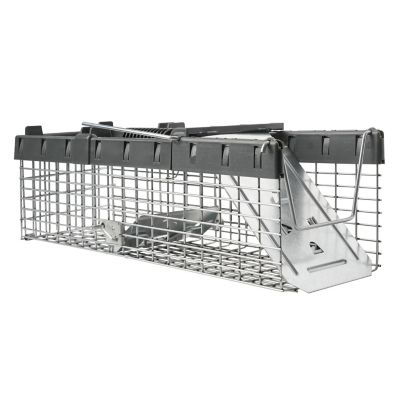
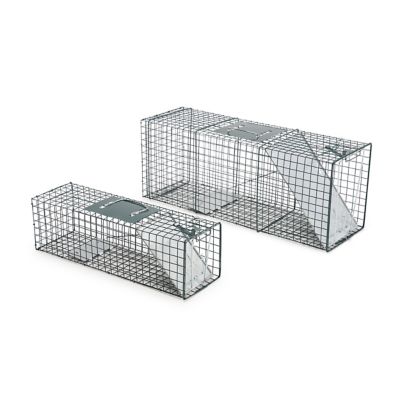
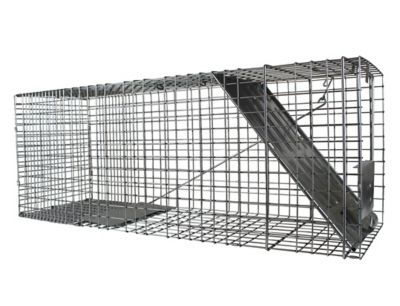
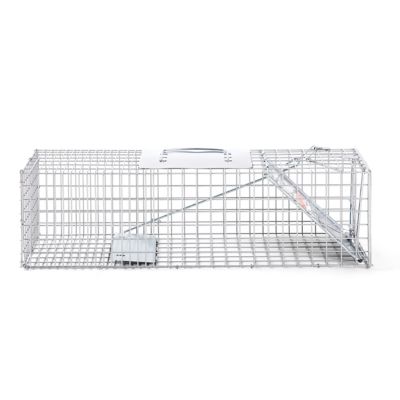
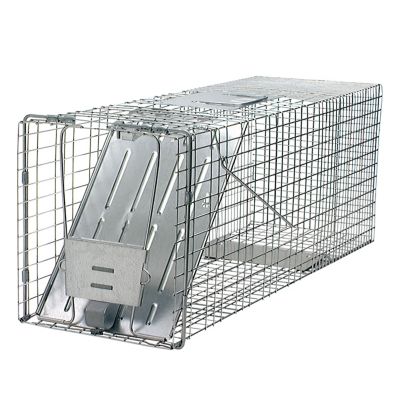
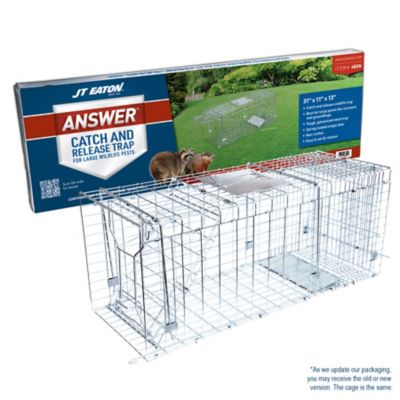
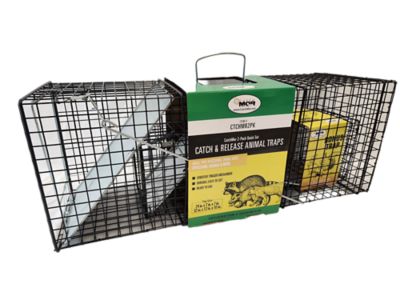
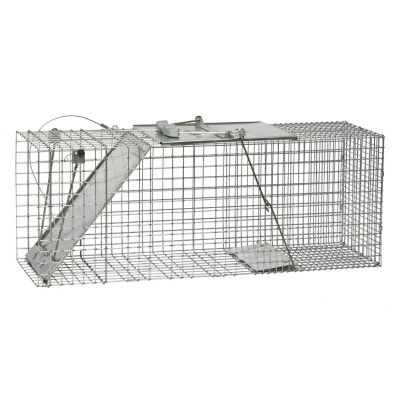
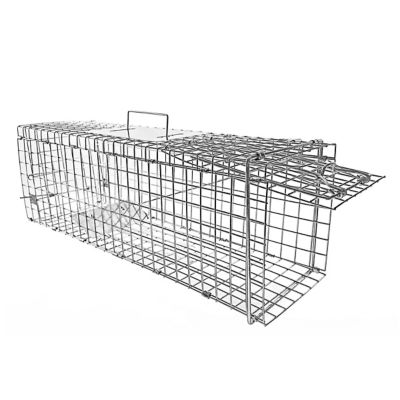
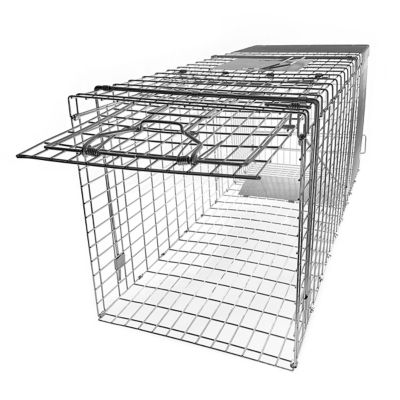
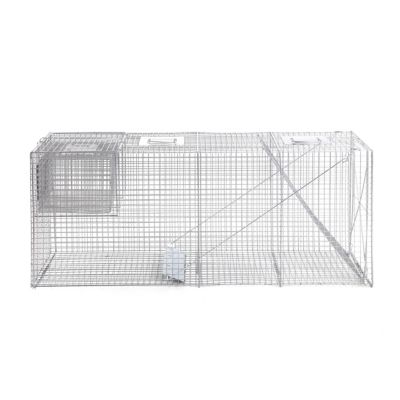
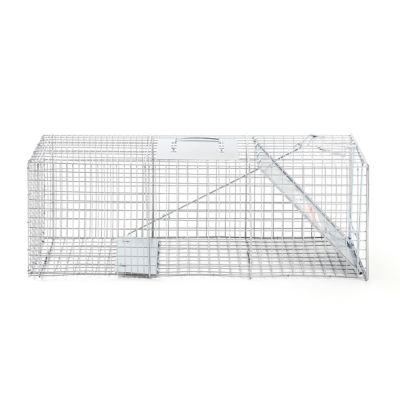
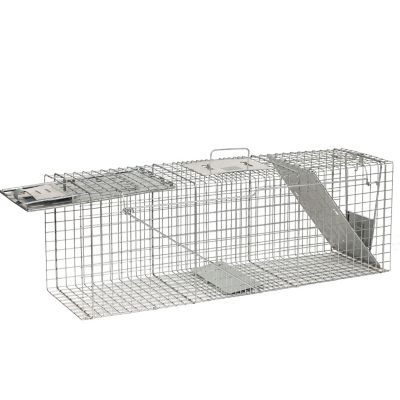
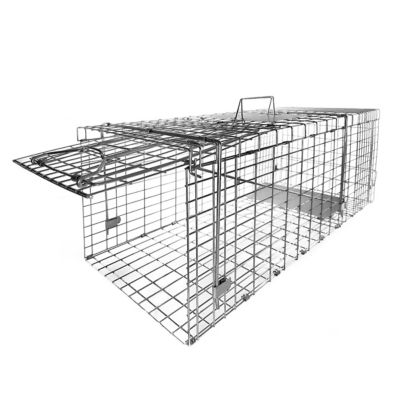
Live traps for groundhogs are a handy solution when those burrowing critters start making themselves at home in your yard or garden. Whether you’re trying to protect your crops, flowers, or just want to keep things tidy around the barn, these traps offer a safe and humane way to catch groundhogs without any fuss. With options made for tough outdoor use and simple handling, finding the right live trap can help you handle your groundhog problem while keeping things neighborly. Explore our selection of live traps for groundhogs and get back to enjoying your property with fewer unwanted critters around.
Best Of FAQ
How do live traps for groundhogs work?
Live traps for groundhogs are designed to safely catch the animal without harming it. You bait the trap with something tasty, like fruits or veggies, and when the groundhog goes in, the door shuts behind it. That way, you can check local wildlife rules and handle the critter properly after the catch.
What kind of bait should I use in a live trap for groundhogs?
Groundhogs love fresh produce! Try using things like cantaloupe, apples, lettuce, or carrots. Place the bait at the far end of the trap so they have to step all the way inside to get it.
Where’s the best spot to set up a live trap for groundhogs?
Set your trap near where you’ve seen groundhog activity—like by their burrow entrance or along their usual paths. Make sure it’s on level ground and camouflaged a bit with grass or leaves so it doesn’t spook them.
How often should I check a live trap after setting it for groundhogs?
You’ll want to check your trap at least once or twice a day. Groundhogs can get stressed if left too long, and you don’t want any other critters getting caught and stuck either.
Can I reuse a live trap after catching a groundhog?
Yep! Just clean out the trap real good after each use—hose it down and maybe give it a scrub if needed. That way, it’s ready for next time you need to catch another unwanted visitor.
Best Sellers

-
"It’s worked great on removing 2 possums"
-
"They must have made some great improvements since some of these reviews, because this trap is awesome"
-
"This trap was a great looking trap. I didn’t care for the bottom being plastic and removable"
-
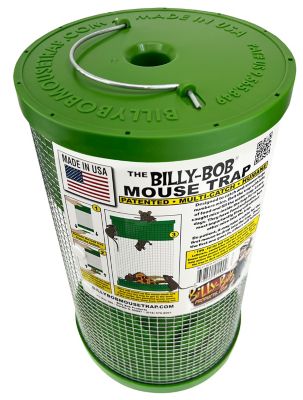
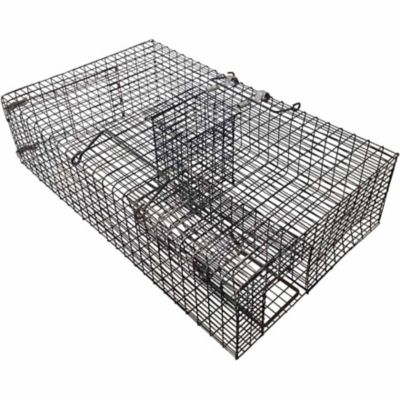
"great trap for rats this is the best trap ive used for rats"
-
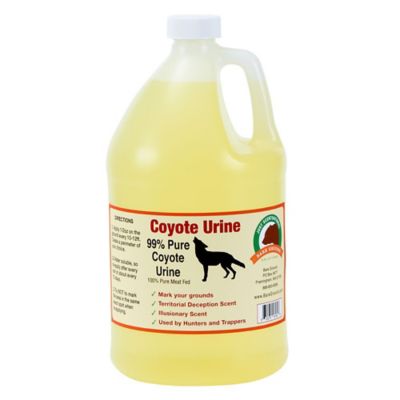
"A little pricy for a gallon but stuff taste great"