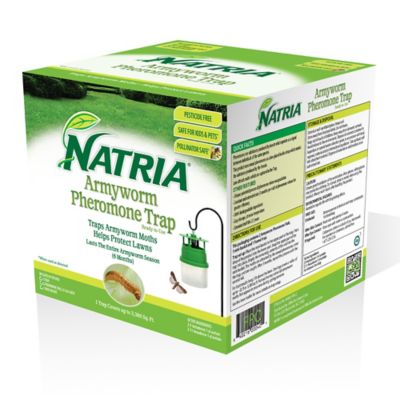
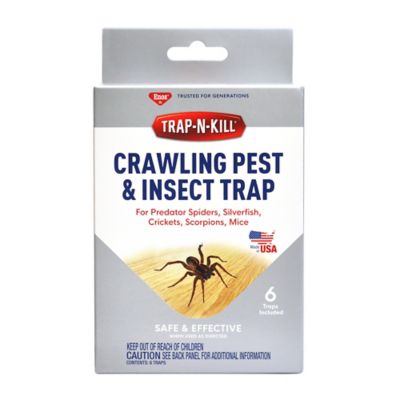
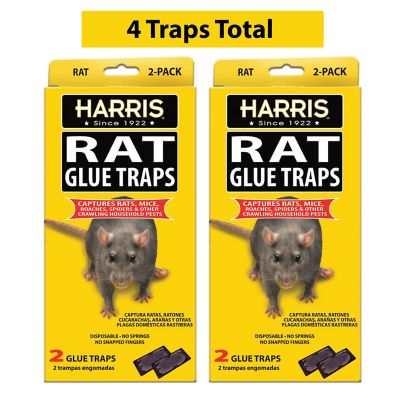
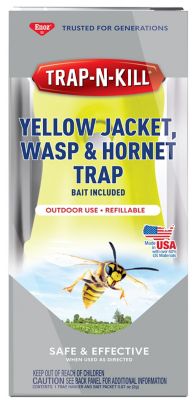
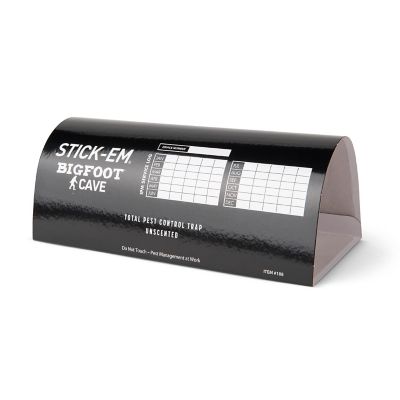
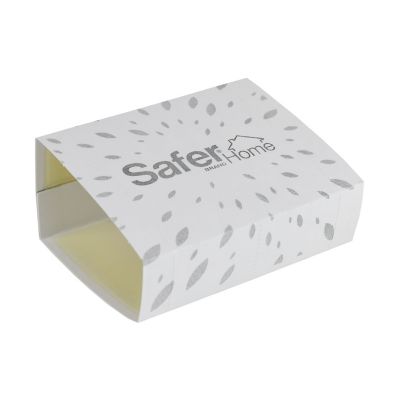
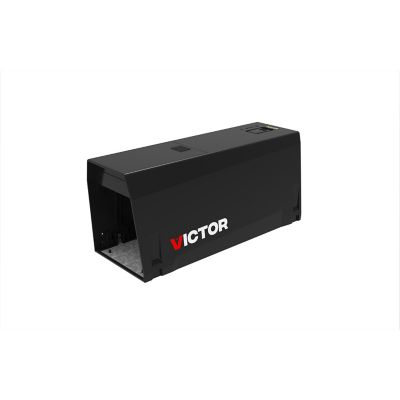
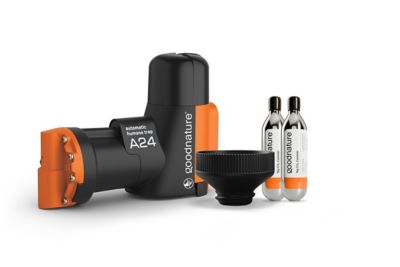
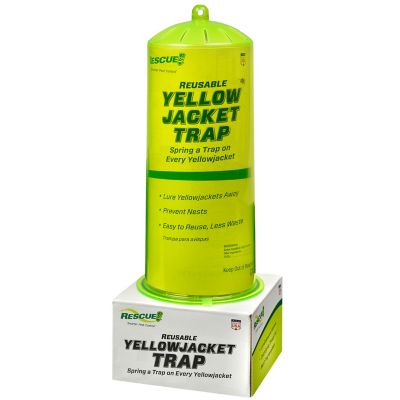
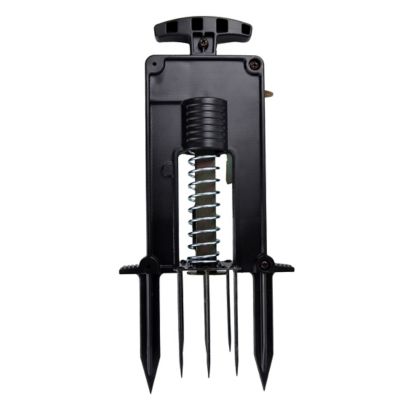
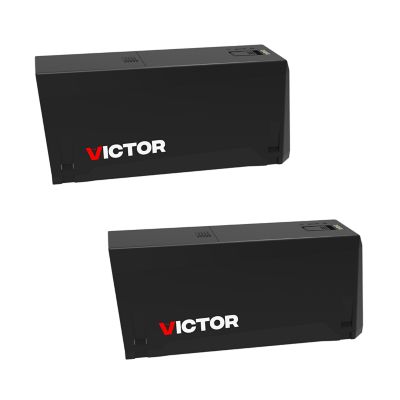
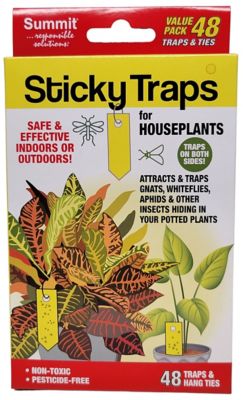
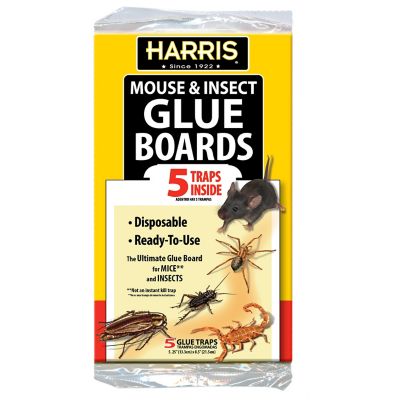
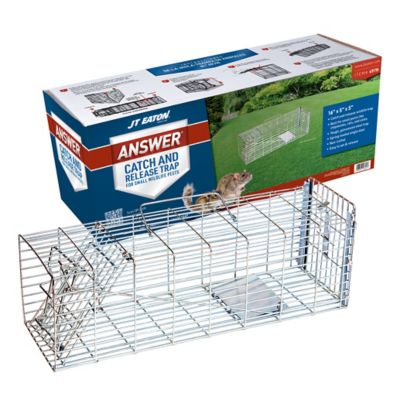
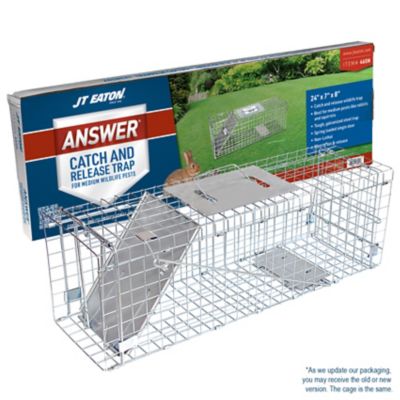
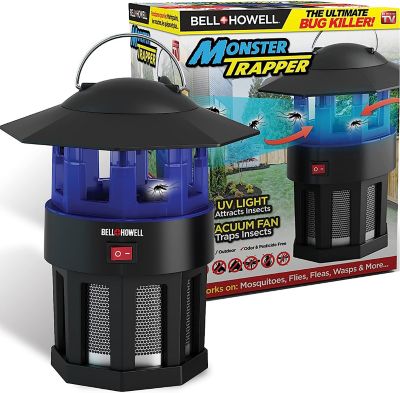
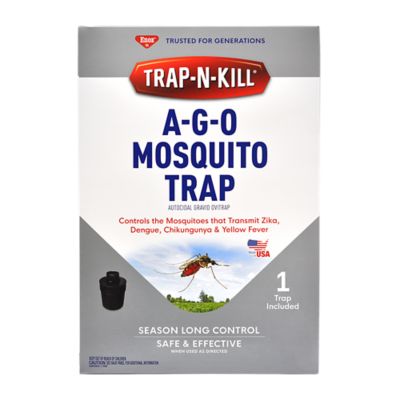
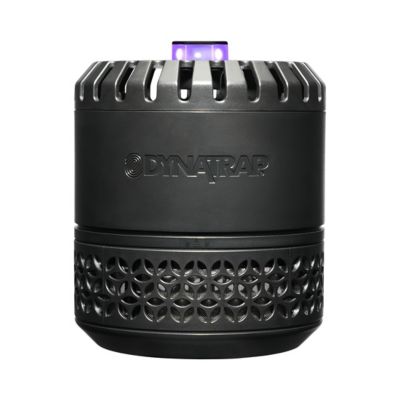
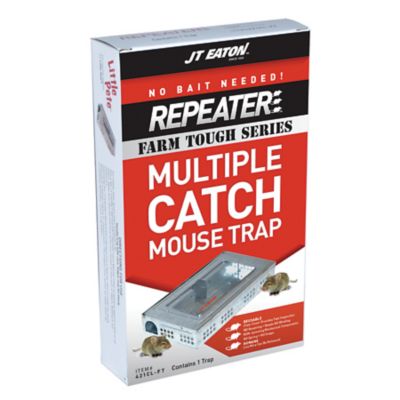
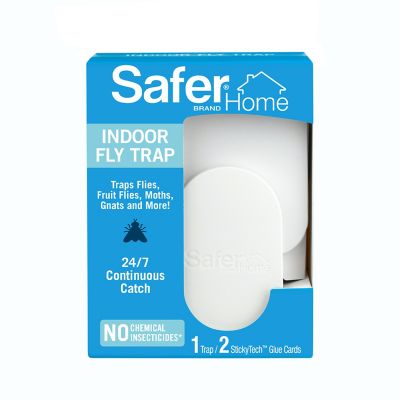
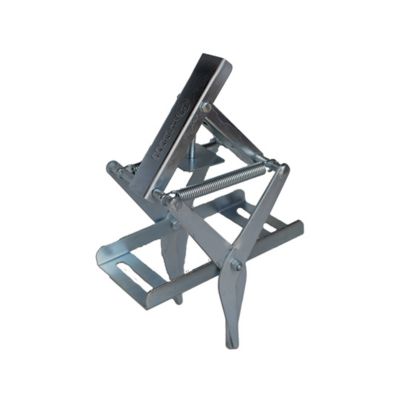
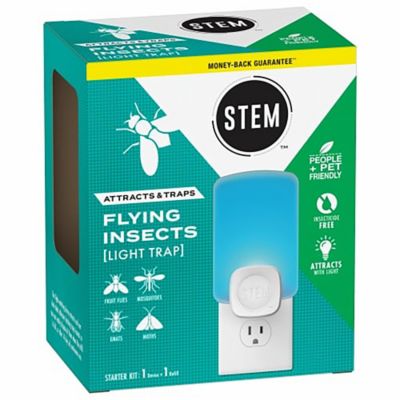
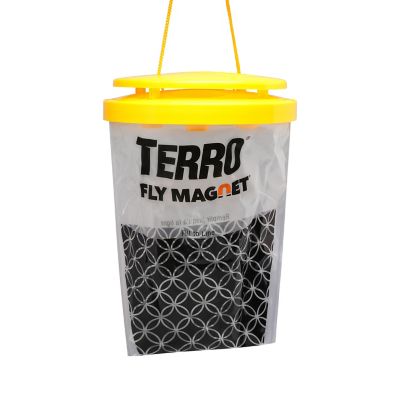
Pest control traps are devices that capture or kill targeted insects, rodents, and other nuisance animals, while also helping show where pest activity is happening. Common types include snap traps, enclosed rodent traps, live-capture cages, insect glue boards, and fly traps. Each works a little differently, so the best fit starts with the pest and the place it’s showing up. A mouse slipping behind a feed bin calls for a different trap than flies gathering near a barn doorway or crawling insects traveling beneath a utility-room sink. Size matters, too: a trap made for mice is not interchangeable with one built for rats, and a cage needs an opening and trigger suited to its intended animal. Mechanical traps capture pests through a spring, door, or other physical mechanism, while adhesive traps hold insects on a sticky surface. Some insect traps pair a capture surface with a light or scent that draws in particular pests. An attractant meant for one insect may do little for another, making the target-pest information on the label worth a close look. Many traps work without pesticide bait, but that does not make every design harmless around children, pets, or livestock. Exposed mechanisms, adhesive surfaces, and trapped animals all call for thoughtful placement. Materials also shape how a trap fits the job. Molded plastic can offer a surface that is straightforward to wipe down when the directions allow it; metal cages may have coated or galvanized wire to help resist corrosion. Wooden bases, enclosed housings, and replaceable capture surfaces bring different handling and maintenance needs. For a homeowner watching a pantry corner, a farmer protecting stored feed, or a property caretaker checking an equipment shed, the useful choice is a trap matched to the pest, the setting, and the time available for checking it. A clear match between those needs matters more than choosing a trap simply because it looks bigger or more powerful.
Around a working property, pest control traps need to fit into everyday chores without creating another obstacle. A low-profile housing may fit along a wall behind shelving, while a larger capture cage needs enough level ground for its door and trigger to move freely. Clearance counts: a trap wedged beneath a cabinet or pressed against stored gear may not operate as intended. Rodent traps generally belong near signs of rodent activity, following the placement directions for that design, rather than in the middle of an open room. Droppings, gnaw marks, and damaged packaging can help identify areas that need attention, though signs alone may not settle which animal is responsible. In a feed room, spilled grain can compete with bait and keep drawing pests back, so tight-fitting container lids and prompt cleanup support the trapping effort. In a garage or workshop, keeping access lanes clear makes traps easier to inspect without shifting a stack of buckets each time. Crawling-insect monitors can help reveal activity beneath appliances or along sheltered edges, but a monitor is not necessarily a complete treatment for an established infestation. Flying-insect traps have their own placement needs, especially designs that attract insects toward the device. Following the label helps keep the trap from drawing pests toward food preparation spaces or busy entrances. Dust, loose bedding, wash water, and curious animals can all affect whether a location makes sense. Adhesive surfaces can lose effectiveness when coated with debris, and electrical insect traps need an installation location that meets their power and moisture requirements. Enclosed designs may limit access to the working parts, but they still need to stay out of reach of children and animals that are not the target. For households with barn cats, a curious puppy, or livestock nearby, the enclosure, mounting options, and access openings deserve as much attention as the capture mechanism. The goal is a workable setup that leaves pest-control equipment out of the path of boots, paws, feed carts, and daily traffic.
Care and inspection are part of choosing pest control traps, not just something to think about after setting them out. A resettable design can make sense for ongoing monitoring, while a single-use capture surface may suit a location where handling and cleanup need to stay simple. Check whether a trap has replaceable inserts, an easy-to-open housing, or a collection area that can be serviced according to the directions. Those details affect how much contact is necessary and whether routine upkeep fits the household or farm schedule. Traps should be checked at the intervals specified by the manufacturer, with live-capture traps inspected frequently enough to protect animal welfare and meet local requirements. Capturing wildlife can involve species restrictions, permits, or relocation rules, and a cage trap does not remove those responsibilities. For resettable equipment, care may include removing debris, cleaning permitted surfaces, and checking doors, hinges, springs, or latches for damage. Cleaning chemicals and methods should match the trap’s instructions; a material that tolerates a damp cloth may not tolerate soaking or strong cleaners. Gloves and appropriate cleanup practices help reduce contact with captured pests and contaminated surfaces. Keeping a simple record of trap locations and activity can also make scattered placements easier to manage, particularly across a house, barn, and storage building. An untouched trap does not always mean pests are gone; its location, condition, or target match may need another look. Trapping works best alongside sound building maintenance, secure feed storage, and removal of pest food sources. Where a labeled treatment is appropriate,
Pest Control Powder is another category to consider, with attention to the listed pests, application sites, and precautions around animals and food. Different control methods serve different purposes, and combining them should follow their individual directions rather than guesswork. Well-matched traps, sensible placement, and regular checks make pest management easier to keep up with, whether the concern is a pantry shelf, a tack-room corner, or the space behind the shop workbench.