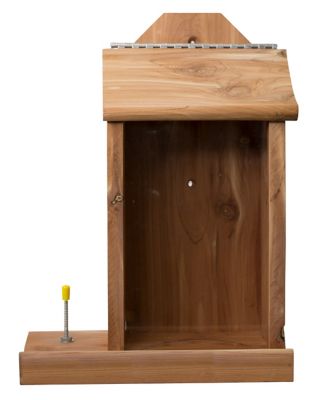
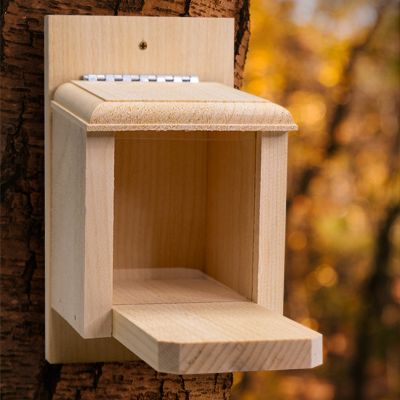
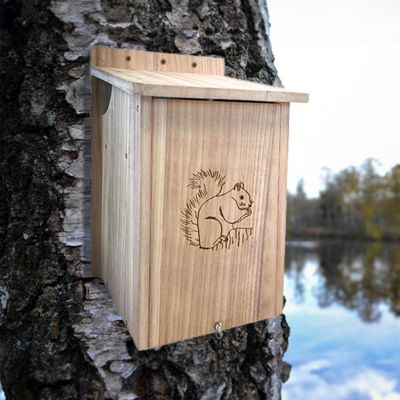
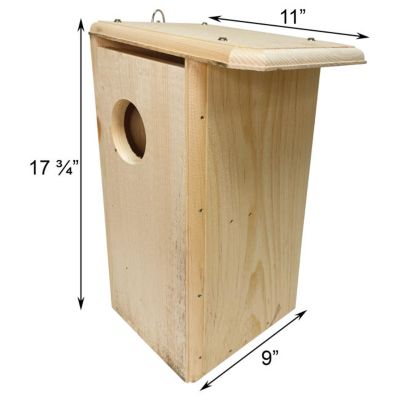
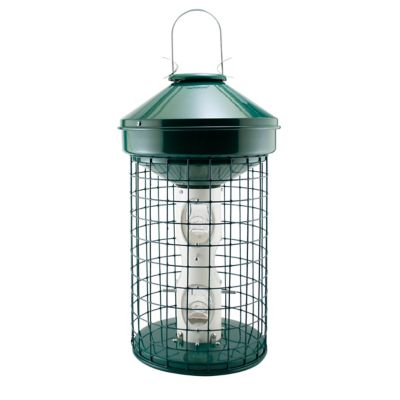
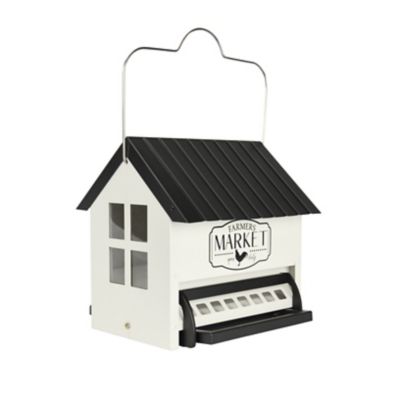
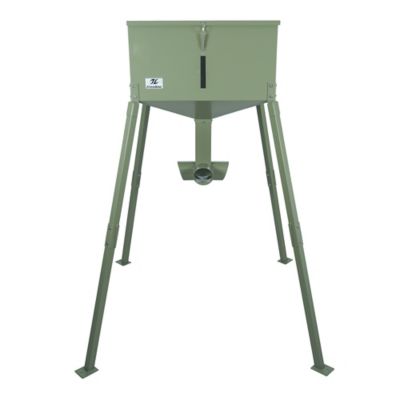
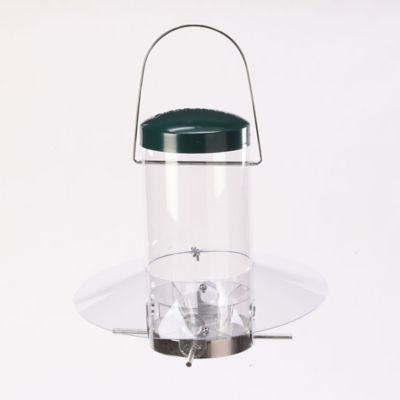
Squirrel feeders give backyard wildlife a designated place to eat, with designs that hold loose feed, shelled nuts, seed mixes, or ears of corn. They also create a handy viewing spot for folks who enjoy watching a squirrel balance on a platform, lift a lid, or carry a morsel back toward the trees. The main styles include corn cob holders, rotating feeders, covered boxes, hoppers, and open platforms shaped like small benches or picnic tables. Each handles food a little differently. A corn cob holder secures an ear in place for nibbling, while a hopper stores loose feed and releases it into a feeding area. A covered box gives squirrels access through a movable lid, and a platform provides an open surface where they can settle in to eat. The right design depends on the feed it holds, the space around the mounting spot, and how easily it can be emptied and cleaned. For a yard with frequent squirrel visitors, a separate feeding station may help draw attention away from birdseed, but it will not necessarily stop squirrels from visiting bird feeders, gardens, or other food sources. Placing a squirrel feeder roughly 15 to 20 feet from the bird-feeding area is a practical starting point for creating separate feeding spots, not a guarantee that squirrels will leave the birds alone. Nearby branches, fences, and other climbing routes still matter. A location along an established squirrel travel route can make more sense than a spot chosen only for the view from the kitchen window. Trees and sturdy posts are common mounting choices, provided the feeder has a secure attachment and enough room for an animal to approach and leave freely. For bird-feeding areas that need their own protection,
Squirrel Proof Bird Feeders provide another approach to limiting access to birdseed. Keeping the two feeding areas separate also makes it easier to see which animals are eating and where scattered food needs attention.
Materials and construction make a real difference in how a squirrel feeder fits into everyday yard care. Wood offers a familiar look alongside fence posts and trees, though its surfaces and joints need regular checks for splitting, rough edges, and chewing damage. Plastic and recycled plastic surfaces are often straightforward to wipe down, while metal parts can reinforce mounting points, feeding openings, or other areas that receive repeated attention from teeth and claws. No material should be treated as completely chew-proof. A squirrel can work persistently at an edge, so accessible hardware, sound joints, and replaceable components are worth considering. Covered feed compartments help keep debris out, and drainage openings reduce the chance of moisture collecting around food. Smooth interior surfaces and openings large enough for a cleaning brush make routine upkeep less of a chore. Fit matters just as much as material: a feeder should suit the width and shape of its mounting surface, and its hardware should match the mounting method described by the manufacturer. A narrow post, a broad tree trunk, and a fence rail do not all support a feeder the same way. The feeding platform needs room for a squirrel to perch without the whole unit rocking, and lids or moving parts should operate without sharp edges or places that could trap feet or tails. A larger food compartment may reduce refill trips, but it also holds more food that could sit untouched. For a yard with only an occasional visitor, a smaller compartment can be easier to keep fresh. Accessibility counts, too. A feeder mounted where it takes a ladder to reach may become a nuisance when it is time to scrub the inside or tighten a fastener. Somewhere reachable for regular care, yet clear of busy walkways and pet activity, usually makes a more practical setup. For anyone watching from a porch chair, a clear sightline and a steady perch let the squirrels’ antics take center stage.
Feed choice and cleaning habits help keep a squirrel feeding station suited to its purpose. Plain, unsalted nuts, sunflower seeds, and wildlife feed blends intended for squirrels are common options, while corn cob holders require ears that fit the holder’s size and attachment. Feeder compatibility and the feed label should guide what goes inside; not every mix flows freely through a hopper, and larger pieces may bridge across a narrow opening. Corn and peanuts should not make up an animal’s entire diet. Feeding is best treated as a small supplement to natural foraging rather than a complete food supply, with modest portions that do not leave piles sitting around. Salted snacks, candy, bread, and seasoned leftovers do not belong in the feeder. Fresh food matters, and anything moldy, spoiled, or contaminated needs to be removed rather than topped off with another scoop. Easy-to-open compartments are especially useful when shells and fragments collect in corners. Cleaning should follow the feeder’s care directions, with feeding surfaces rinsed and allowed to dry before refilling. The ground beneath the feeder deserves attention as well: leftover kernels and shells can attract rodents and other unintended visitors. A spot away from livestock feed storage, pet bowls, and house entrances helps keep wildlife feeding separate from household and farm routines. Local wildlife rules may limit feeding, and activity should pause if sick animals appear or unwanted visitors become a problem. For a household that already enjoys backyard wildlife, squirrel feeders can make a thoughtful gift without requiring a complicated setup. They suit bird watchers who want a separate squirrel station, families who enjoy observing animals together, and folks who like a little entertainment while taking a break from yard chores. Children can watch how squirrels grip food and work a lid, with an adult handling installation and cleaning. The appeal is simple: a feeder matched to its location and feed gives people a closer look at familiar wildlife while leaving the animals free to come and go.