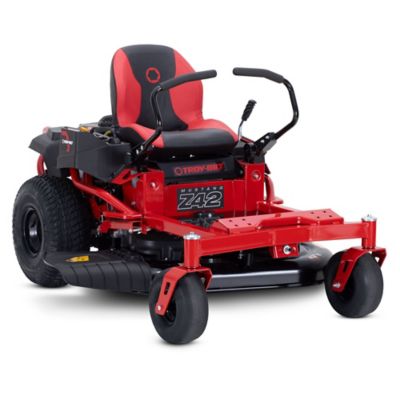
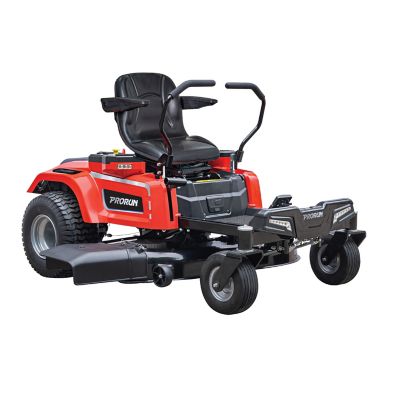
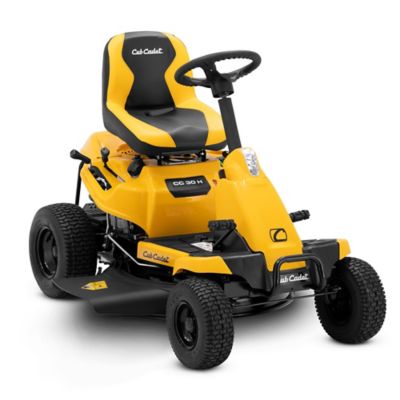
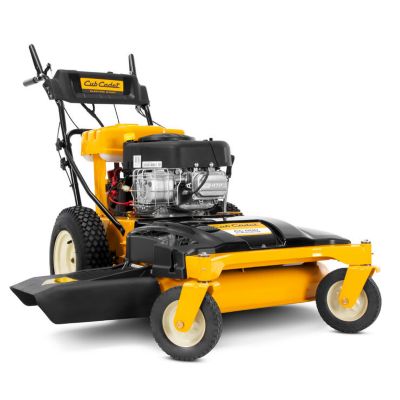
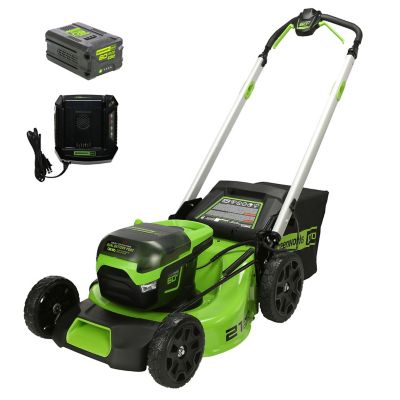
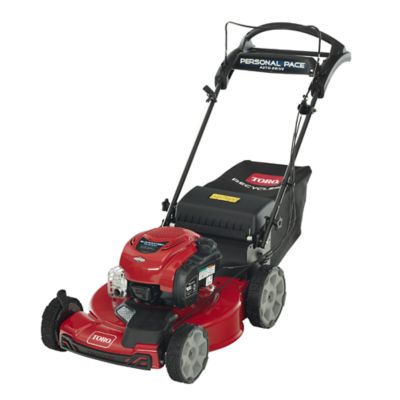
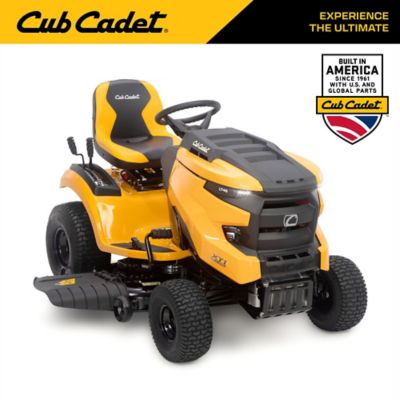
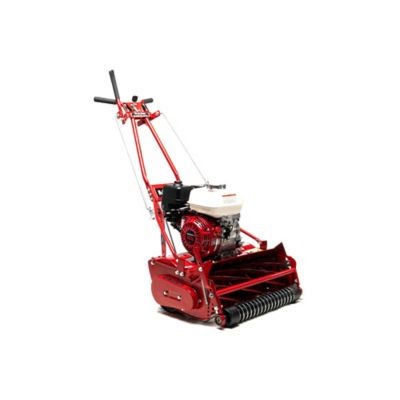
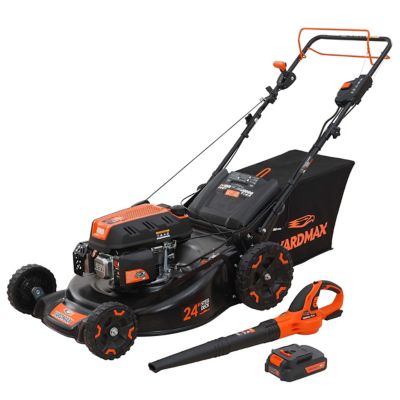
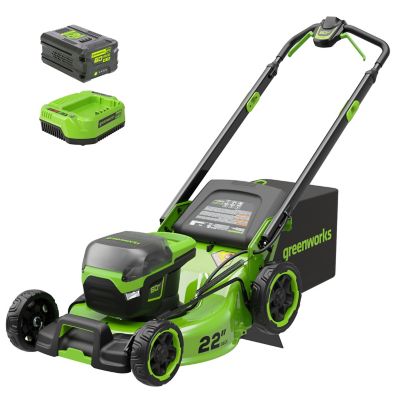
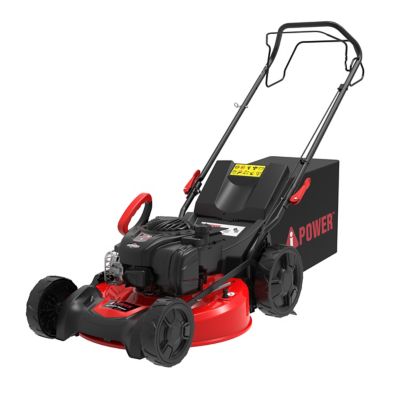
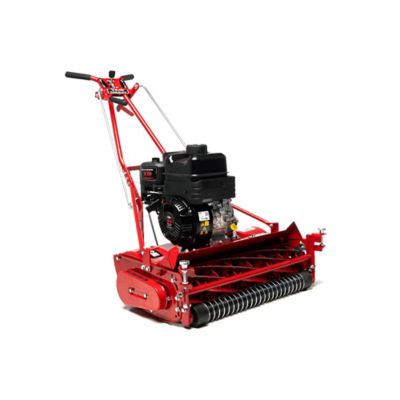
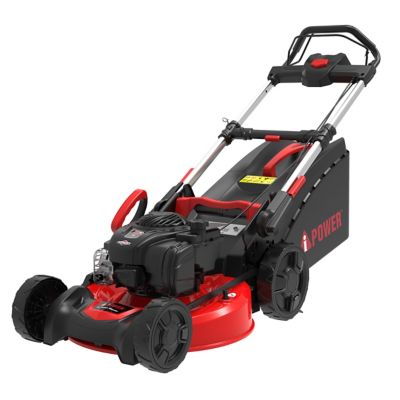
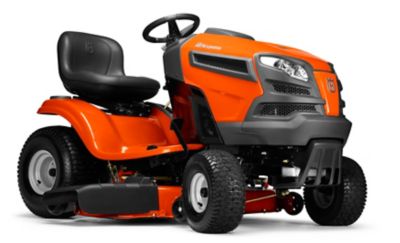
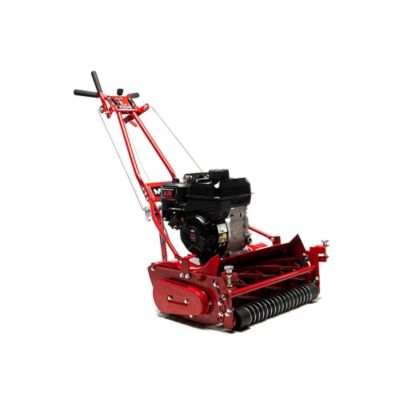
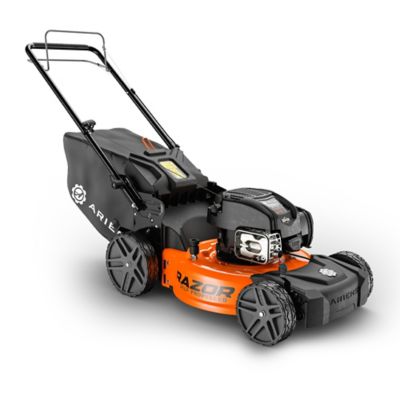
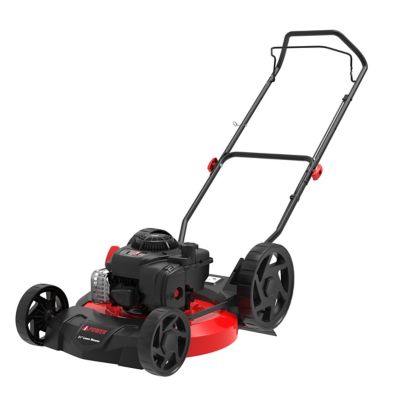
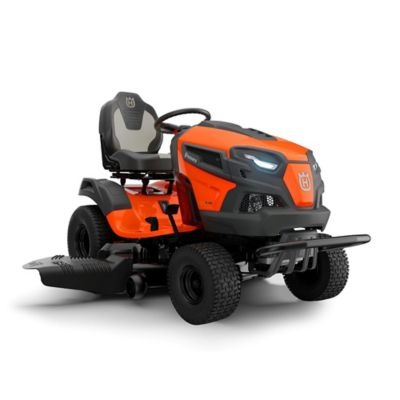
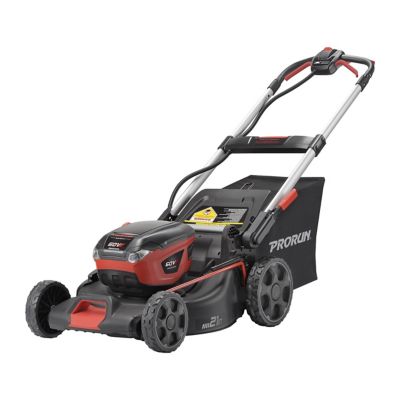
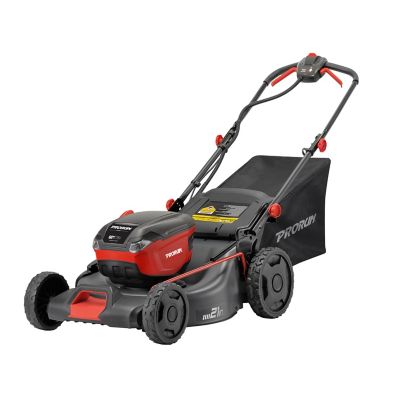
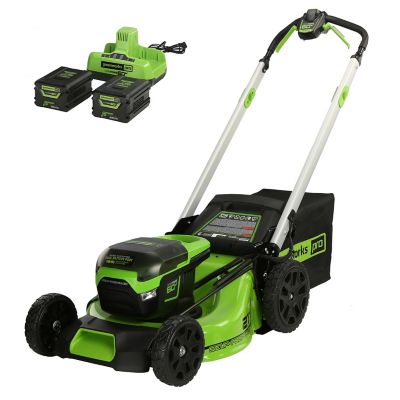
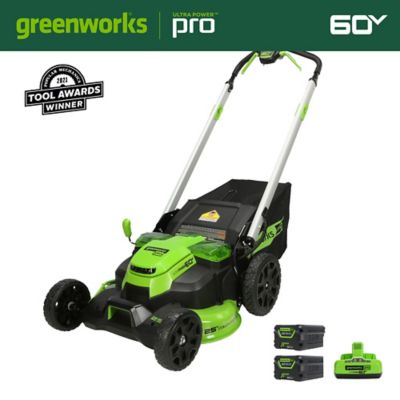
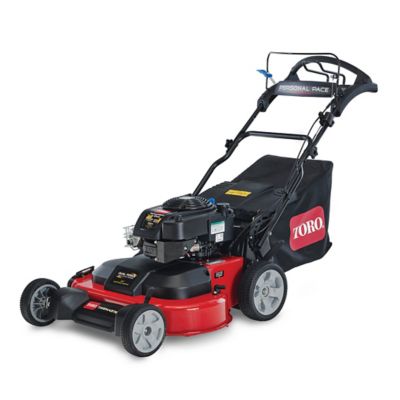
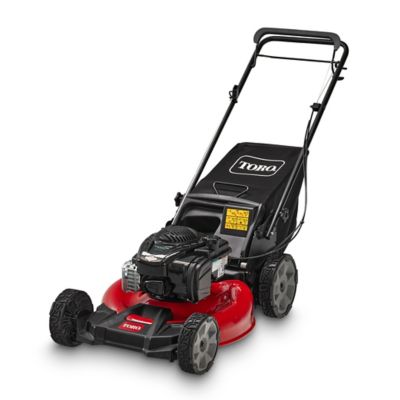
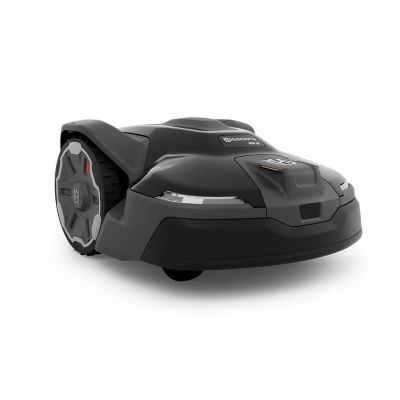
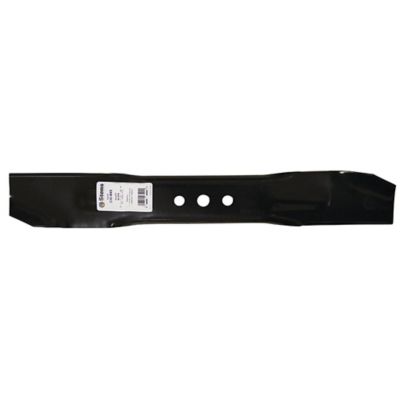
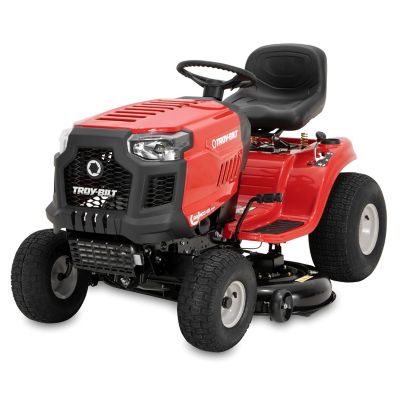
Lawn mowers with blade engagement have a control that turns the cutting blades on or off, separate from the controls that start the engine or move the mower. Depending on the design, that control may be a lever, switch, or handle-mounted mechanism. Many riding mowers use a power take-off, or PTO, clutch to engage the blades, while some walk-behind mowers have a blade brake clutch, often called a BBC. A blade brake clutch allows the blades to stop while the engine keeps running, but not every mower with blade engagement has that feature. Battery-powered designs may control the blade motor electrically rather than through a mechanical clutch. These differences matter when mowing means more than making straight passes across an open lawn. A yard with a gravel lane, scattered shade trees, and a narrow stretch beside the garden calls for frequent transitions between cutting and traveling. Separate blade engagement lets the operator disengage the cutting system where mowing is not needed, provided the machine is operated as its manual directs. Disengaging the blades does not mean they stop instantly, and it does not make a running mower safe to approach underneath. The blades must come to a complete stop before anyone gets near the cutting deck. Before removing a grass catcher, clearing a discharge chute, inspecting the blades, or leaving the operating position, shut the mower down and follow the manufacturer's instructions for preventing an unexpected start. On machines designed to keep the engine running with the blades disengaged, the practical benefit is fewer engine restarts during permitted pauses while the operator remains at the controls. That can make the rhythm of mowing feel less stop-and-start, especially on a property where turf sections are separated by paths or other areas that should not be cut. The exact behavior of the engagement control, blade brake, and operator-presence system depends on the mower's design.
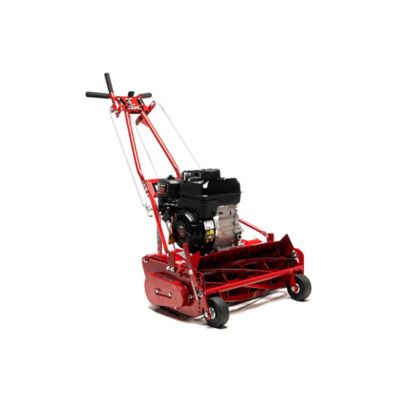
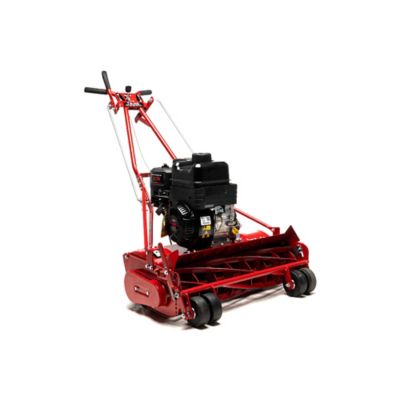
The right fit among lawn mowers with blade engagement comes down to the ground being maintained and the person doing the mowing. A walk-behind mower can suit a fenced backyard, a smaller homesite, or grass broken up by flower beds and tight corners. A riding mower, lawn tractor, or zero-turn mower may better match a larger stretch of lawn, though acreage alone does not settle the choice. Gate openings, storage space, tree spacing, slopes, and soft ground all affect how comfortably a machine fits the property. A wide cutting deck can cover an open yard in fewer passes, but it still needs room to pass between fence posts and turn without crowding a ditch or garden edge. Mowers intended for maintained turf are not a substitute for equipment rated to tackle brush, woody growth, or rough pasture. Deck construction also matters over years of mowing. Stamped steel decks have formed contours, while fabricated steel decks are built from joined sections; metal thickness, reinforcement, coatings, and upkeep all contribute to how either style holds up. Some walk-behind designs feature aluminum or composite housings, with their own weight and corrosion considerations. Beneath the deck, blade shape, airflow, discharge layout, and any compatible mulching or collection equipment help determine how the mower handles clippings. Thick grass beside a shed and a dry, thinner patch near the driveway can put different demands on the same machine. Adjustable cutting height and a manageable ground speed give the operator room to respond without pushing through more grass than the deck can clear. For shared household mowing duties, control placement deserves attention, too. A blade-engagement switch should be easy to identify, and a handle-mounted lever should feel manageable during normal operation. Seat adjustment, steering effort, handle height, and clear sightlines around the deck can make a long afternoon of mowing less tiring. Safety interlocks are part of the machine's operating system, not obstacles to work around, and should remain intact.
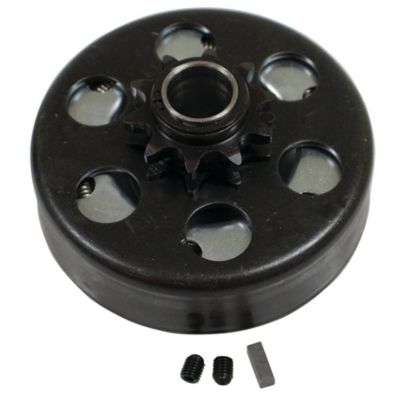
Care for the blade-engagement system belongs alongside everyday mower upkeep, not just on the list when the blades refuse to turn. On a belt-driven deck, the clutch, belt, pulleys, and related hardware work together to transfer power to the blades. Depending on the mower, an engagement problem might involve belt condition, cable adjustment, an electrical connection, a switch, or the clutch itself. A squeal, burning smell, delayed engagement, or unusual vibration warrants shutting the machine down and checking the cause before more mowing. Replacement parts need to match the mower's model information and component specifications; a clutch that looks similar is not necessarily the right fit. For compatible repair components,
Lawn Mower Clutches are part of keeping the cutting system working as intended. Following the specified engagement procedure matters as well, since engine-speed requirements and control sequences vary by machine. Sharp, balanced blades, a clear deck, and properly maintained belts help the whole cutting system do its job without unnecessary strain. Packed clippings can hold moisture against deck surfaces, while bent blades and loose hardware can contribute to vibration and uneven cutting. Inspection and cleaning belong on a stable surface with the power source isolated as directed in the manual; a raised mower also needs the specified support before any work underneath. During the cooler months, mowing schedules often become less frequent as grass growth slows, leaving more time between outings. That makes storage habits worth some attention. Let the machine cool before covering it, clear away grass buildup, and follow the stated fuel or battery storage requirements. A sheltered storage spot helps protect controls, wiring, belts, and exposed metal from the weather. For homeowners tending the lawn around a farmhouse, folks keeping a roomy backyard trimmed, or anyone managing several separate patches of turf, blade engagement is a practical operating feature. Its value comes from pairing the right mower layout with sensible controls, suitable cutting capacity, and steady care over the working life of the machine.