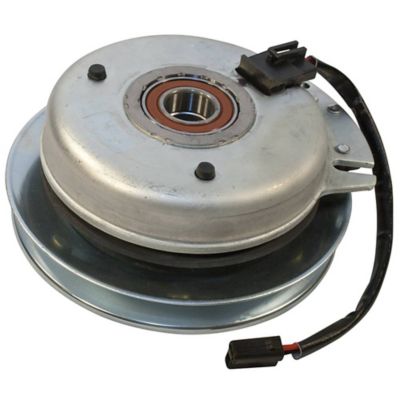
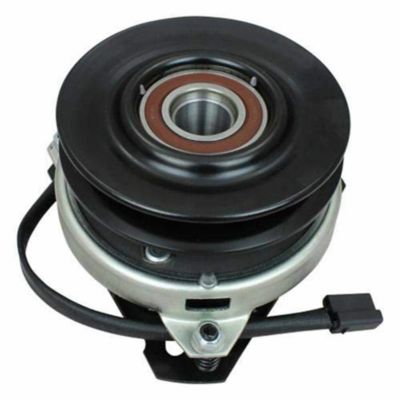
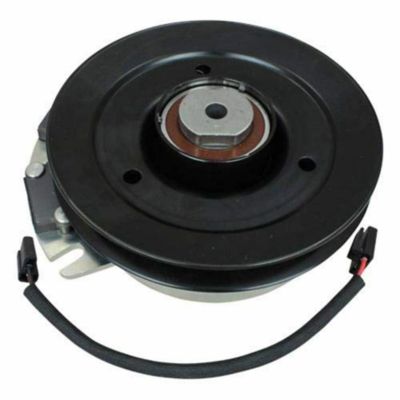
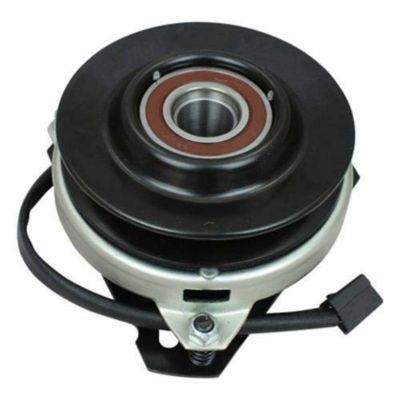
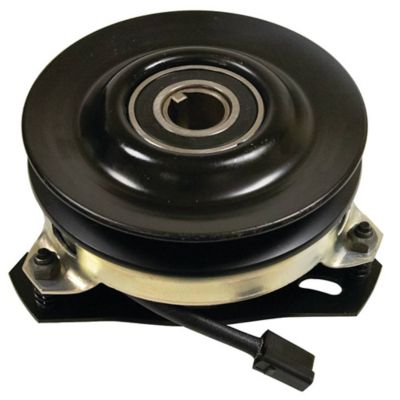
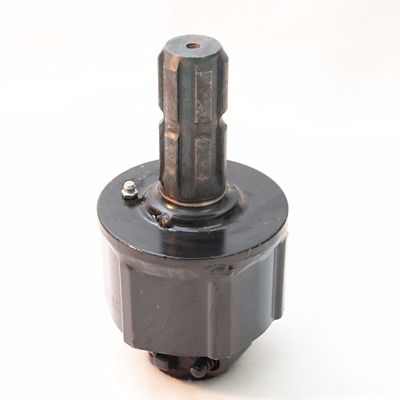
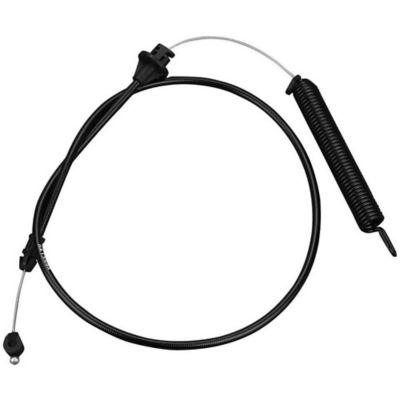
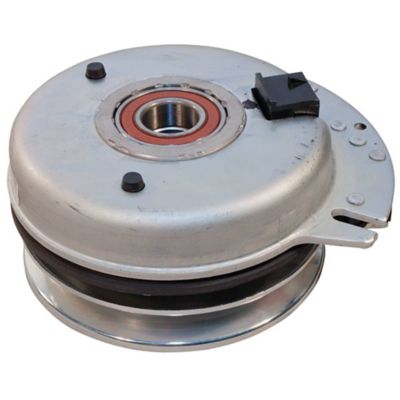
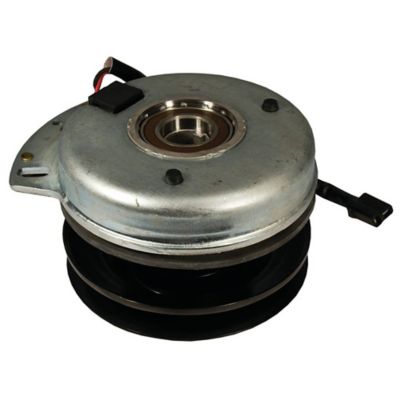
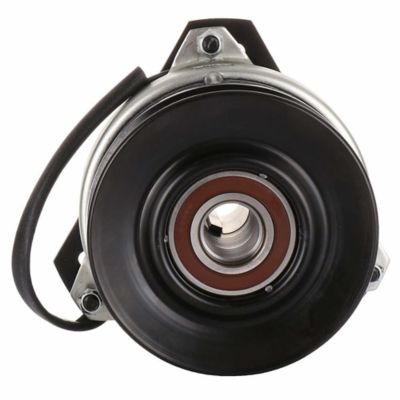
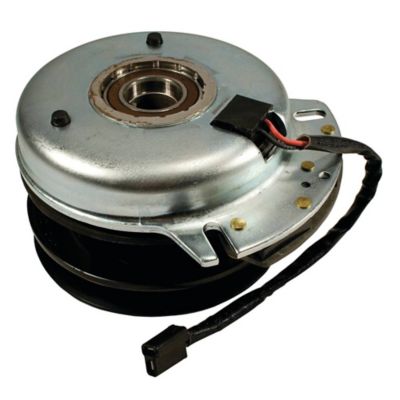
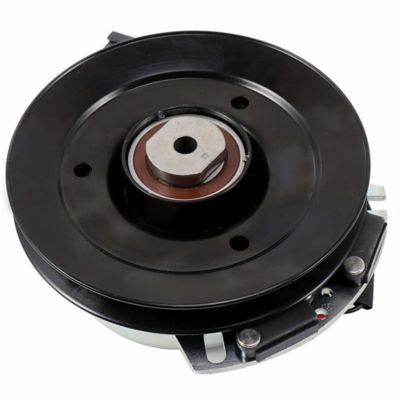
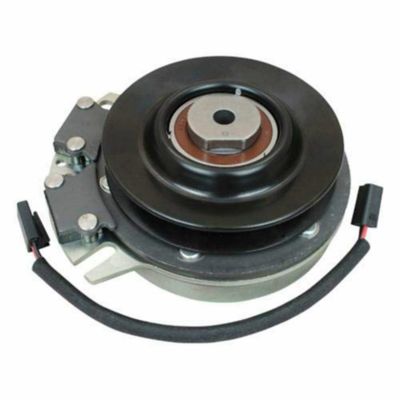
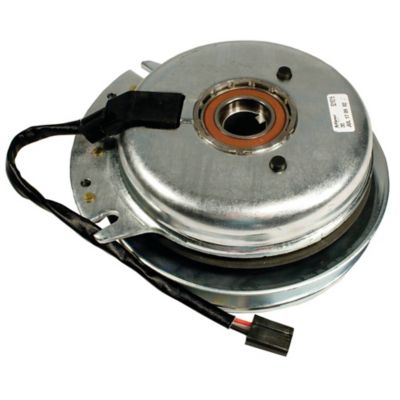
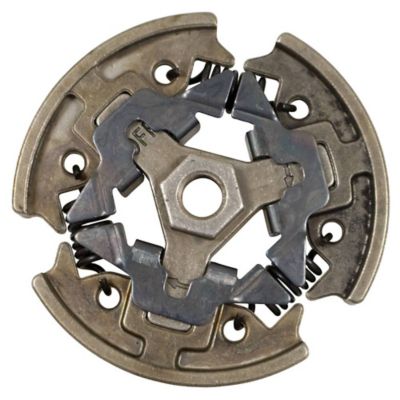
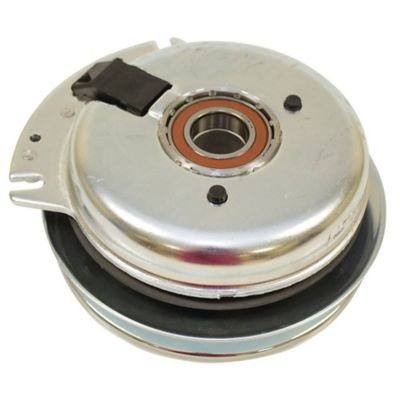
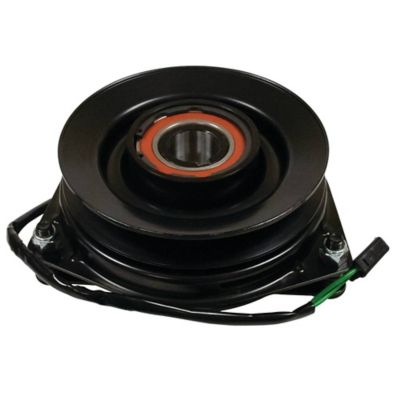
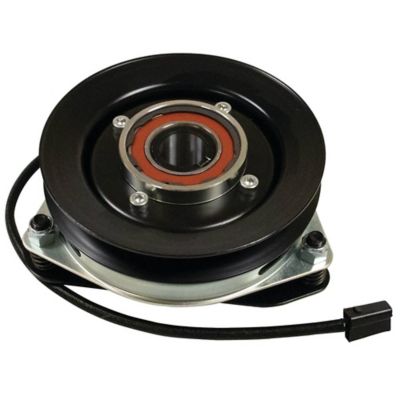
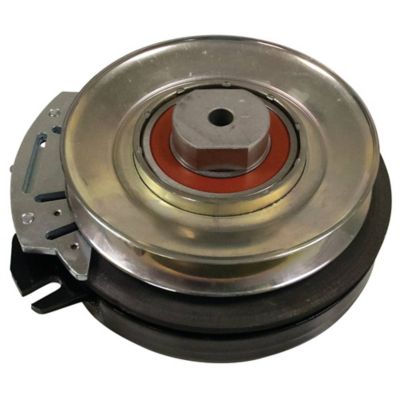
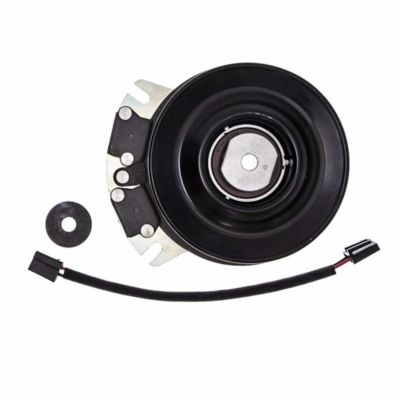
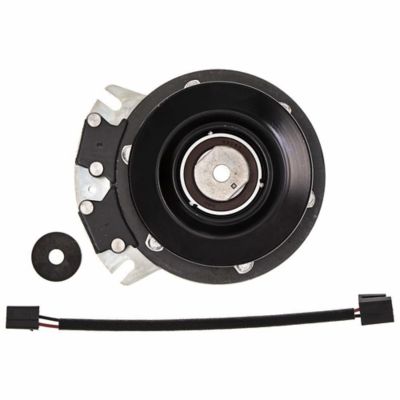
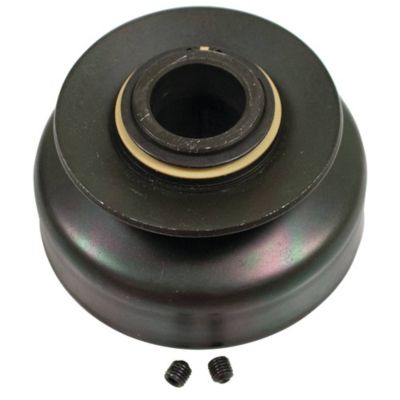
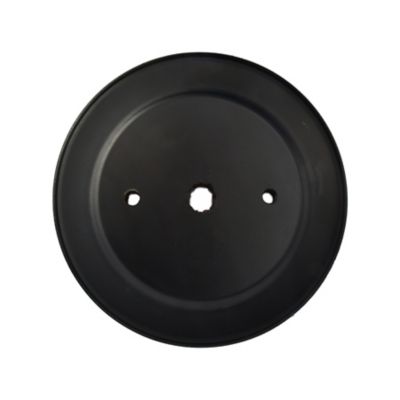
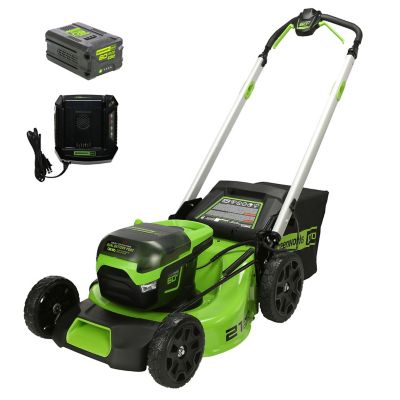
When it comes to keeping your mower running smooth through those long stretches of grass-cutting season, the clutch is one part you don’t want to overlook. Whether you’re tending a big piece of land on a riding mower or keeping the yard tidy with a zero-turn, the clutch is what lets you engage or disengage the blades safely and with ease. Folks who’ve spent any time behind the wheel of a mower know that a reliable clutch means you can get your mowing done without worrying about the blades kicking in at the wrong time or refusing to spin when you need them. Most riding mowers these days use an electric PTO (Power Take-Off) clutch, which uses an electromagnetic field to pull a plate down and spin the belt pulley, getting those blades moving with just the flip of a switch. Push mowers, on the other hand, might have a cable system that controls the blade. No matter the setup, a worn-out clutch can lead to all sorts of headaches—maybe the blades won’t spin, or you hear a squeal or even see smoke if a bearing seizes up. That’s why it’s smart to keep an eye (and an ear) out for signs your mower’s clutch is on its way out, especially as you move from the heat of summer into the leaf-dropping days of fall.
Swapping out a mower clutch might sound like a job for a pro, but with a little know-how and the right tools, it’s something plenty of folks handle right at home. Before you get started, always disconnect the spark plug and the negative battery terminal—safety first, every time. If you’re dealing with an electric PTO clutch, listen for that solid “click” when you pull the switch; if you don’t hear it, it might be time to check the wiring, fuses, or the clutch itself with a multimeter. Sometimes it’s just a loose wire or a blown fuse, but if the clutch magnet is worn out or the pulley’s stuck, a replacement is in order. When removing the clutch, you’ll want to secure the crankshaft with a socket wrench and a sturdy block of wood to keep the engine from turning while you work. For folks who rely on their mower week in and week out—whether you’re keeping up with the lawn around the house, tending to a pasture, or even helping out a neighbor—a fresh clutch can make all the difference in getting chores done without a hitch. And if you’re looking for a practical gift for someone who spends a lot of time mowing, a quality clutch or even a clutch kit can be a thoughtful and much-appreciated choice, especially as the season shifts and folks are thinking about end-of-year maintenance.
No matter if you’re fixing up an old workhorse or keeping a newer mower in top shape, picking the right clutch comes down to knowing your machine—make, model, and whether it’s a riding mower, zero-turn, or push style. With options ranging from small handheld units to heavy-duty electric PTO assemblies, there’s a clutch that fits just about every need and budget. As you’re browsing, it’s worth checking out specific fits for your equipment, like those found on our
John Deere Clutches page, to make sure you get the right match for your mower. Investing in a good clutch not only keeps your mower running safer and longer, but it also helps you tackle whatever the season throws your way—be it thick summer grass or leaves piling up as the weather cools. With the right part on hand, you’ll be back to making clean, even passes across the yard or pasture in no time, ready for whatever comes next.