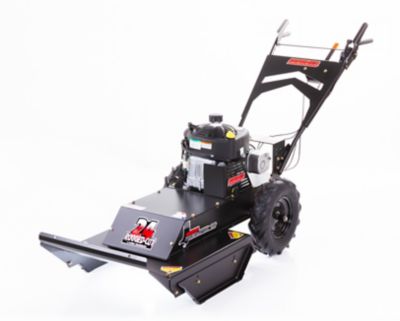
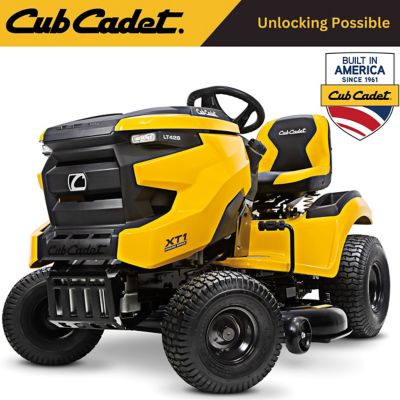
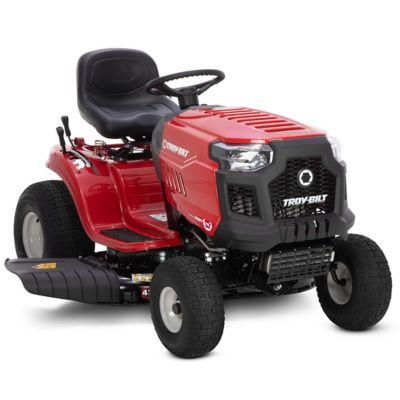
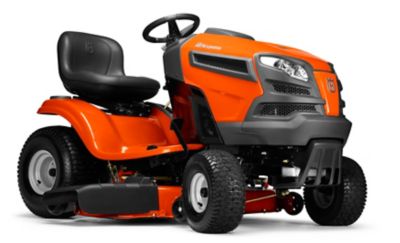
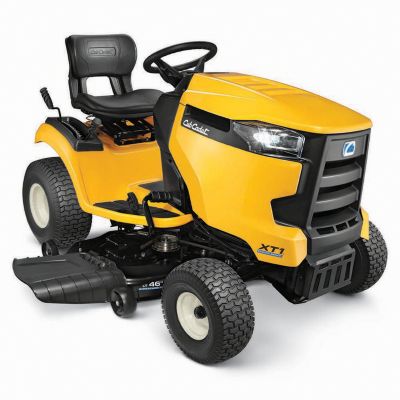
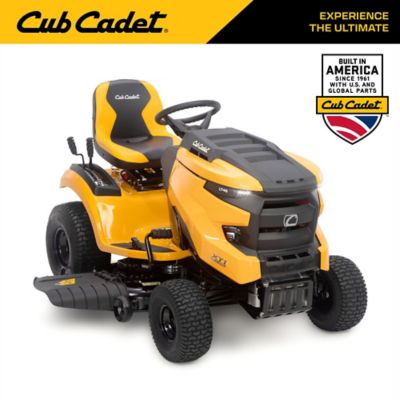
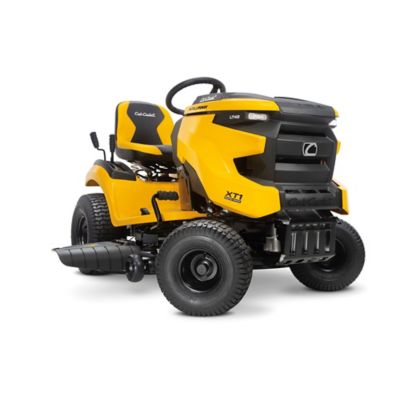
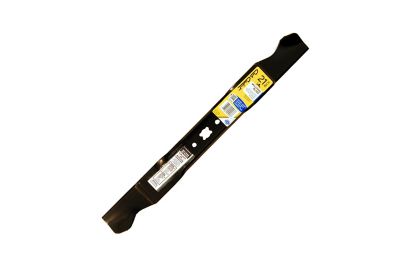
Manual blade engagement parts help put the cutting deck to work through a straightforward mechanical system operated by a lever, handle, rod or cable. Instead of relying on a push-button control, this setup uses physical movement to pull an engagement cable or linkage, pivot an idler arm and tighten the deck belt against the pulleys. Once the belt has enough tension, engine power transfers to the mower blades. The arrangement is simple, familiar and easy to understand, which is one reason it remains a practical choice for many riding mowers and lawn tractors. A replacement manual blade engagement cable can help restore control when the original cable has stretched, frayed, rusted or snapped, while a lever, spring or related linkage part may be useful when the handle feels loose, sticks in place or no longer holds its engaged position. These parts are often chosen by homeowners who keep a few acres trimmed, rural property owners maintaining paths around barns and outbuildings, and anyone who prefers to handle routine mower repairs before a small problem turns into a full afternoon of downtime. They can also make a thoughtful, practical gift for a neighbor, parent or family member who takes pride in keeping the yard, fence line and driveway edges looking cared for. Before ordering, identify the mower’s make, model and deck configuration, then compare the original part with the replacement for cable length, end fittings, mounting points, spring location and routing. A part that looks close may still be the wrong fit if the cable sheath is too short, the connection style differs or the lever travels at a different angle. When available, use the mower’s owner’s manual or parts diagram to confirm compatibility, and keep the old part nearby while checking measurements. For related mower designs and controls, the information on
Single Lever Adjustment Mower can provide helpful context when comparing how different adjustment and engagement systems are arranged.
A little inspection goes a long way with manual blade engagement. Before working around the deck, park the mower on a level surface, turn off the engine, remove the key and wait for all moving parts to stop. Follow the safety instructions in the owner’s manual, and use care around sharp blades, springs and areas where stored tension may release. With the engine off, look over the deck belt to make sure it is seated in the pulley grooves and free from deep cracks, missing chunks, heavy glazing or excessive slack. A belt that is worn or incorrectly routed can make a good engagement cable seem like the problem. Check the cable from the control lever to the deck for crushed spots, loose housing, broken strands, rust or a kink that keeps it from sliding smoothly. Inspect the spring and its anchors as well, since a stretched or broken spring can prevent the idler pulley from applying proper tension. The lever should move with steady resistance and reach its full engaged and disengaged positions without binding. Pivot points and spring contact areas may benefit from a small amount of lubricant suited to the mower manufacturer’s recommendations, but avoid getting oil on the belt or pulley surfaces. If the lever suddenly becomes hard to move, the blades fail to spin, the belt squeals, or the blades keep turning after disengagement, stop using the mower until the cause is found. Replacing a worn cable or linkage is often a manageable maintenance task for an experienced do-it-yourselfer, but routing matters: the cable must follow its original path, stay clear of hot engine parts and moving pulleys, and have enough slack for normal steering and deck movement without drooping into the belt. After installation, operate the control at low engine speed only when the area is clear, then verify that the engagement and release action is smooth. Never reach under the deck or try to guide a belt by hand while the engine is running.
Choosing the right manual blade engagement replacement is mainly about matching the part to the mower and the job it needs to do. Check whether the mower uses a dash-mounted or fender-mounted lever, whether the control pulls upward, pushes forward or moves through a side-to-side arc, and whether the deck uses a single cable or a rod-and-spring arrangement. Measurements such as overall cable length, housing length, exposed wire length and fitting size can matter just as much as the general shape. Take clear photos of the old routing and connection points before removing anything; a quick picture can save a good deal of head-scratching when the new part is ready to install. It is also smart to inspect nearby wear items while the deck is accessible, including the belt, idler pulley, pulley arm, spring and mounting hardware. Replacing one worn component while leaving another damaged part in place may lead to uneven tension or another failure during the next cutting session. During the warmer part of the season, manual engagement components see frequent use as grass grows quickly, and during cooler months they may sit through damp weather, fallen leaves and storage conditions that encourage rust. Keep the control area clean, brush away packed grass from the deck and store the mower in a dry, covered space when possible. Manual blade engagement parts are useful for regular mowing, maintaining rougher stretches of property and keeping a dependable machine ready for chores around the homestead. With the correct fit and a little routine care, the lever should offer a solid, predictable feel each time the blades are put to work or shut down before crossing gravel, pavement or other hard surfaces.