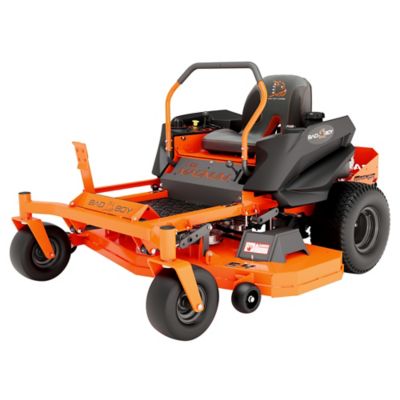
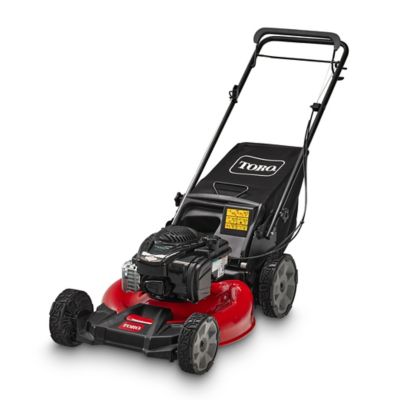
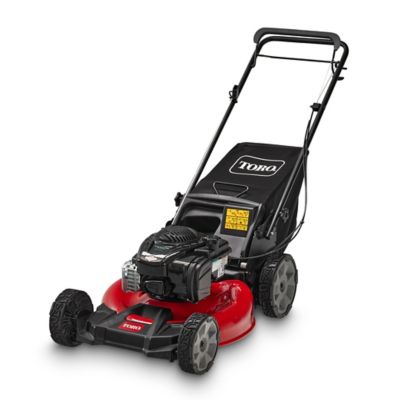
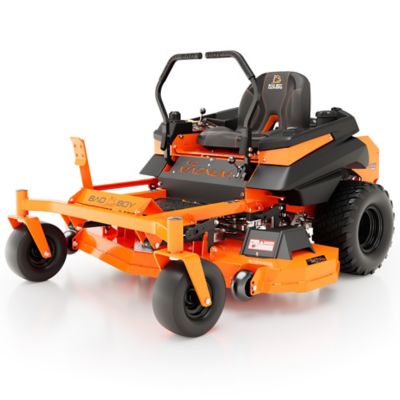
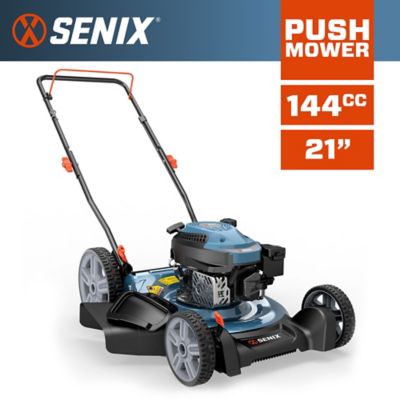
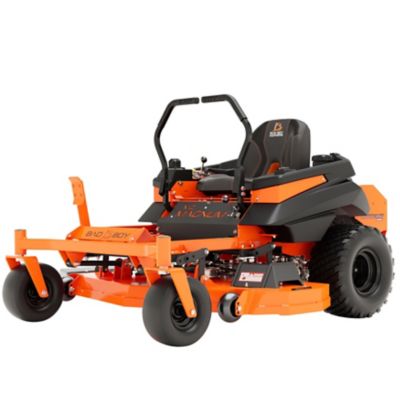
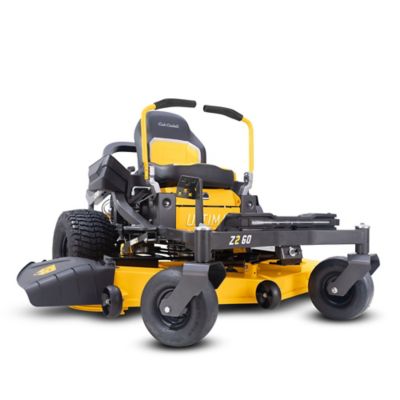
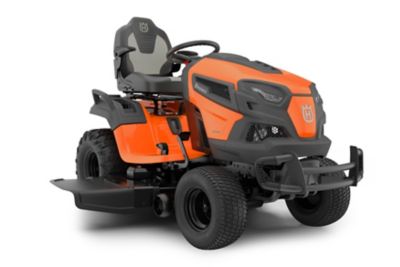
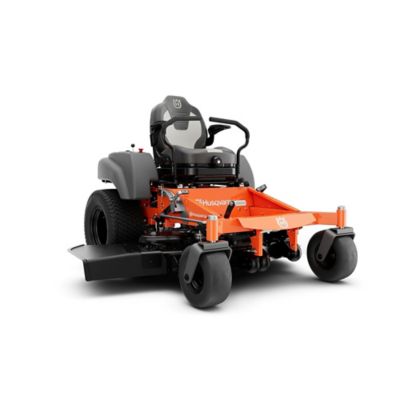
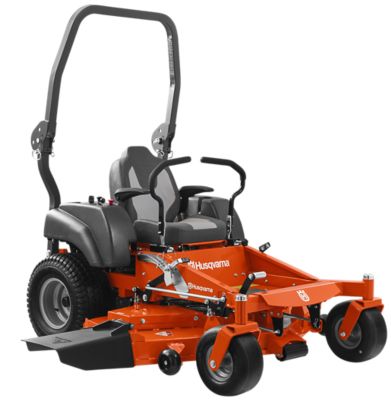
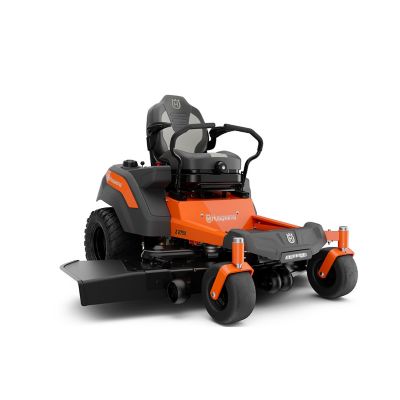
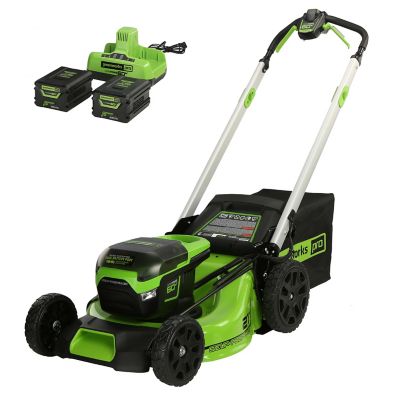
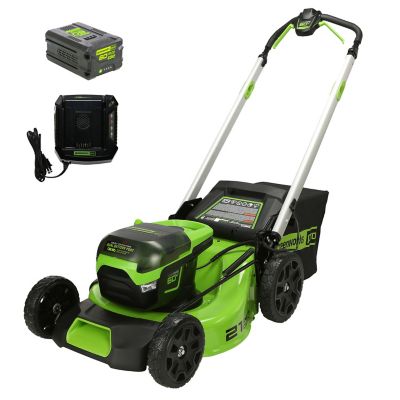
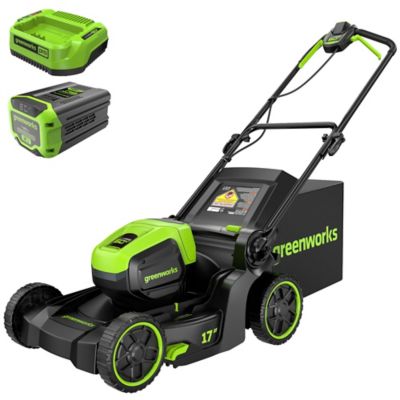
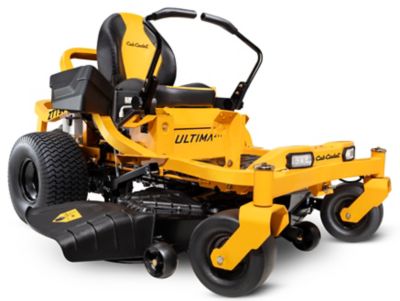
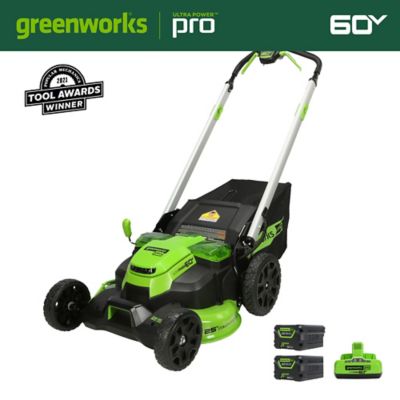
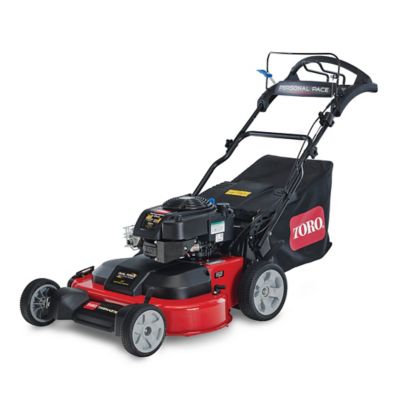
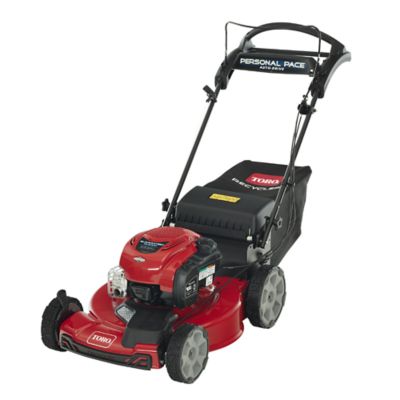
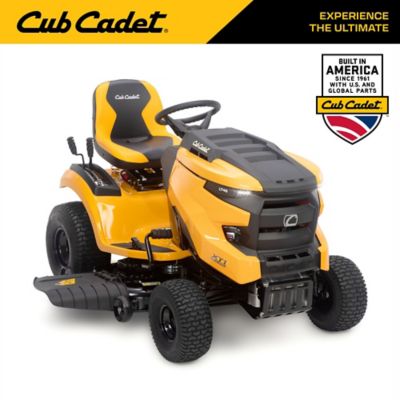
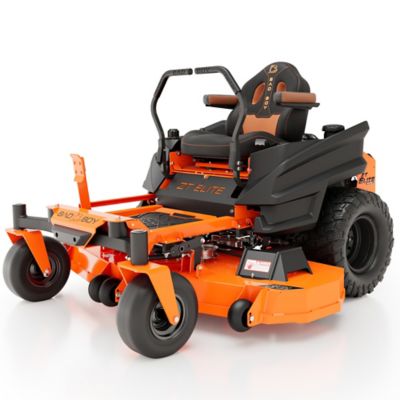
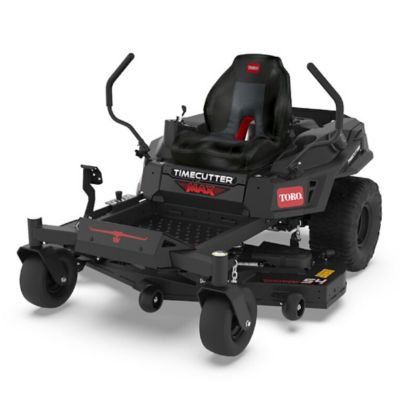
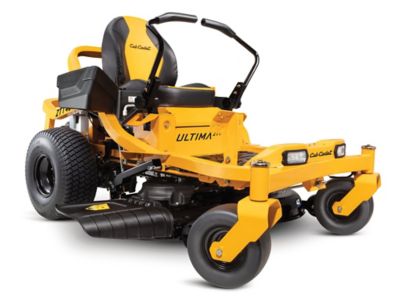
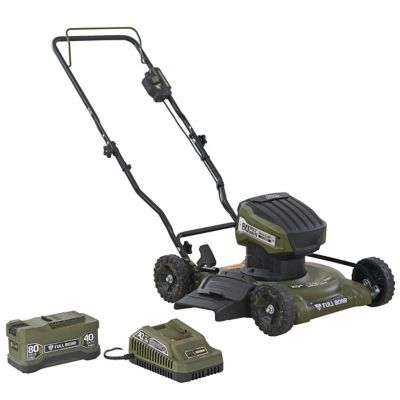
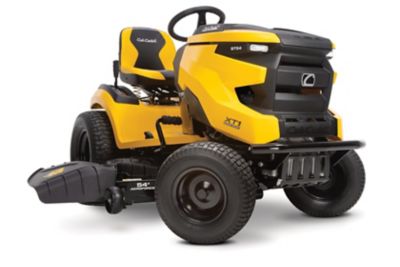
Lawn mowers for long-term use combine a good match for the property with solid construction, manageable upkeep, and components that can be serviced when wear catches up. No engine size, deck material, or power source guarantees a certain number of years; the workload and care behind the machine matter just as much. A mower that handles a small fenced yard comfortably may spend too many hours working across several acres, while a wide riding mower can be awkward around narrow gates, garden beds, and tight corners beside the house. Walk-behind mowers suit smaller spaces and detailed trimming, with self-propelled drives taking some of the pushing out of longer passes or uneven ground. Riding lawn tractors offer seated operation and familiar steering for larger lawns, while zero-turn mowers can shorten the back-and-forth around trees and other obstacles where terrain permits. Slope limits and operating directions still matter with every style, especially near ditches, drop-offs, and pond banks. For more ground to cover,
lawn mowers for large property owners bring cutting width, operator comfort, and mowing time into closer focus. Deck width should fit the route as well as the acreage: a broad cutting path saves passes in open stretches but still needs room through gates and between outbuildings. Gas engines and battery-powered motors both have a place in long-term ownership. Gas equipment brings fuel, oil, filter, and ignition-system maintenance, while battery equipment makes battery care, charging arrangements, and pack compatibility part of the decision. Brushless motors eliminate brush wear, though the battery, bearings, drive system, and cutting components still experience wear. Enough power and runtime for the actual mowing job help keep the work moving without repeatedly pushing the machine beyond its intended workload. Grass thickness, cutting height, and the amount removed in each pass also affect how hard a mower has to work.
Construction details become more important after the first few trips around the yard. The deck takes the brunt of clippings, grit, vibration, and occasional contact with uneven ground, so its material and design deserve a close look. Steel decks offer strength, but chipped protective finishes and packed clippings can leave them vulnerable to corrosion. Aluminum and certain polymer decks resist rust, although impact resistance, weight, and repair needs differ by design. Stamped and fabricated steel decks also differ in how they are formed and joined; neither label alone tells the whole story about service life. Reinforcement around mounting points, spindle support, wheel attachments, and the overall frame helps show how a mower is put together. On riding equipment, deck support hardware, steering connections, and the transmission all share the workload, not just the engine. Belt routing, blade access, and reachable service points can make routine attention less of a chore. A mower that requires a struggle just to check the oil or clear the deck may be harder to keep on a regular maintenance routine. Fit matters here, too. Walk-behind handle height, grip position, and drive-speed adjustment affect comfort when mowing around a fence line or following a long driveway edge. On riding mowers, seat adjustment, pedal reach, steering clearance, and the location of controls matter over repeated hours of operation. A clear view of the cutting edge helps when working beside beds and posts, while suitable wheels and tires help the machine roll across the lawn without unnecessary strain. On uneven ground, anti-scalp wheels can help limit deck contact, but they are not a substitute for a suitable cutting height or careful operation. For properties shared by several operators, straightforward controls and an adjustable operator position make it easier for each person to settle in and follow the same operating routine. Comfort is more than a convenience when the mowing route includes long straight runs followed by careful maneuvering around a clothesline, shed, or row of fruit trees.
Long-term mower ownership also depends on what happens between jobs. Sharp, balanced blades make cleaner cuts and help prevent the added vibration that can come from damaged or unevenly sharpened blades. Blade condition is best checked against actual wear and the manufacturer’s directions rather than a fixed calendar alone; sandy ground, hidden sticks, and frequent mowing can change how quickly an edge wears down. Clippings packed beneath a deck interfere with airflow and hold debris against surfaces, making accessible cleaning points a practical ownership feature. Before cleaning, clearing a blockage, or checking blades, the machine needs to be shut down, moving parts stopped, and the power source isolated as directed in the manual. Cleaning methods should also follow those directions, especially around bearings, electrical connections, and battery compartments. For gas mowers, the specified oil, correct oil level, clean air filtration, and fuel that meets the engine manufacturer’s requirements all support continued operation. Fuel-storage practices matter when equipment sits between jobs, and stabilizers or draining procedures should follow the engine’s instructions rather than a one-size-fits-all rule. Battery-powered mowers have their own requirements for charging, storage, contact care, and replacement-pack compatibility. Battery capacity can decline over time even when the rest of the mower remains serviceable, so the battery system belongs in the long-term ownership picture. Riding equipment adds tire-pressure checks, belt inspections, lubrication points, and any transmission service specified for that machine. Correct tire pressure also helps keep the deck level and the cut even. Replacement belts, blades, filters, wheels, and other wear parts need to match the mower’s model and specifications, making clear identification information and a readable manual worth keeping with maintenance records. A small notebook in the shed can track operating hours, oil changes, blade work, and recurring concerns before they turn into larger repairs. Whether the job is a tidy house lot or broad stretches beside a barn, the strongest long-term match is a mower sized for the work, comfortable to operate, and practical to maintain through years of regular cutting.