Lawn chutes make it easier to gather leaves, grass clippings and other loose yard debris into a collection bag. For bagging work, a lawn chute is generally a reusable support with an extended top that helps funnel material through the bag opening. Many designs feature a folding, three-sided shape made from corrugated plastic, which adds structure without much weight. Set inside a paper yard-waste bag, the chute helps hold the sides upright and shields part of the paper from scraping as debris goes in. The portion above the rim creates a wider target for handfuls of leaves or a load gathered between two leaf scoops. That extra room can make a difference beside a long fence line, under a shade tree or along a driveway where loose material tends to scatter before it reaches the bag. A chute also cuts down on the awkward business of holding a floppy bag open with one hand while trying to fill it with the other. Fit deserves a close look: many bagging chutes are intended for standard 30-gallon paper lawn-and-leaf bags, but the stated bag dimensions and chute measurements still matter. A bag with a narrow opening may not accept a wider insert, while a support that sits too loosely may shift during filling. The height above the bag rim affects how well the chute catches leaves, and the width of its panels affects the space left for debris. Smooth edges, reinforced folds and an easy-to-grip upper section are useful details to compare. For homeowners handling routine yard cleanup, gardeners clearing loose plant material and property owners working through several piles, the appeal is straightforward: less time wrestling with bags and more control over where the debris lands. A chute does not replace a rake or leaf scoop; it gives those tools a better place to drop their load.
Materials and construction affect how a lawn bag chute handles repeated filling, lifting and storage. Corrugated plastic has a hollow, ribbed structure that keeps the panels relatively light while helping them stand upright. Its surface generally sheds loose debris more readily than unfinished cardboard, although soil, sap and packed clippings can still collect along edges and folds. Panel thickness, crease construction and the condition of any handles or tabs all play a part in how the chute holds its shape. A folding design can tuck against a shed wall or sit beside a stack of empty bags without taking over the tool corner. For a small yard, easy storage may matter as much as the size of the funnel opening; for a larger property, comfortable handling across repeated bags can carry more weight. Leaves, grass clippings and small pieces of soft plant material are typical loads, subject to the chute maker’s directions and local collection rules. Long, stiff stems and sharp twigs can snag the paper even with a support in place, and a chute is not a substitute for a container meant for heavier brush. Damp clippings also add weight quickly, so filling every last inch is not always the best match for a bag that still needs to be lifted and carried to the pickup spot. Leaving enough room to close the top helps keep loose leaves from spilling along the way. After cleanup, brushing off grit and wiping away stuck-on material helps keep folding joints clear. The chute should dry before storage, especially if it will rest against paper bags or other moisture-sensitive supplies. Checking the folds for splits and the edges for rough spots can catch wear before it damages another bag. A little attention between jobs helps preserve the shape that makes the chute useful in the first place.
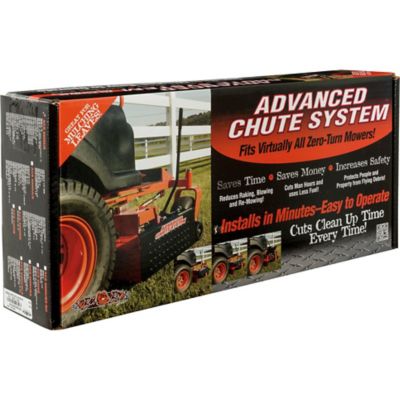
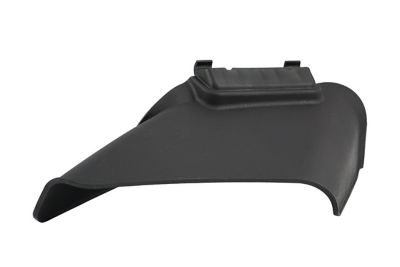
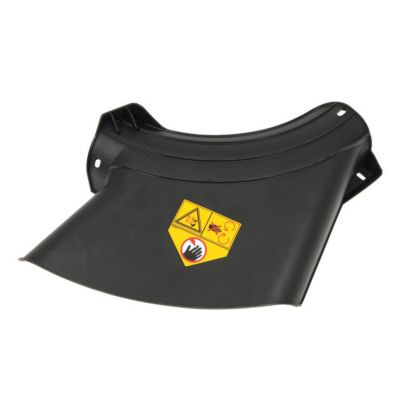
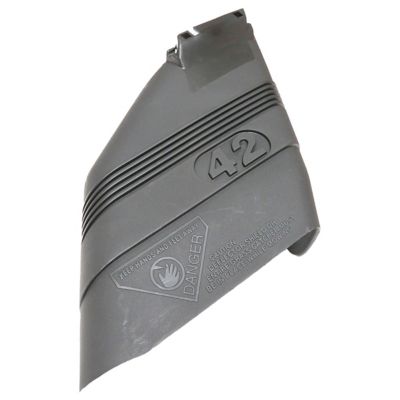
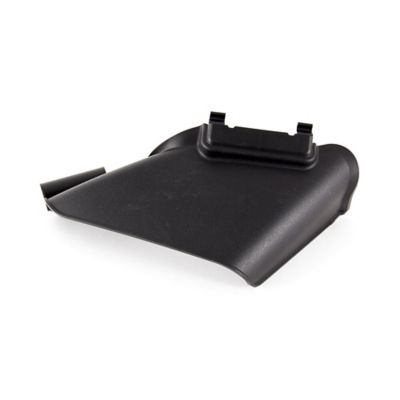
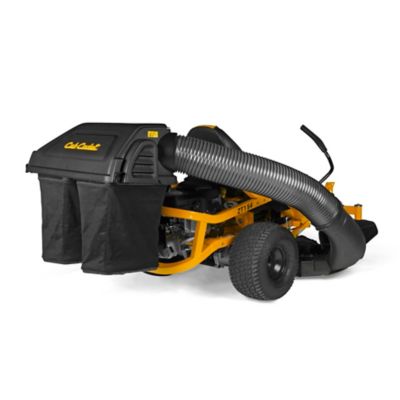
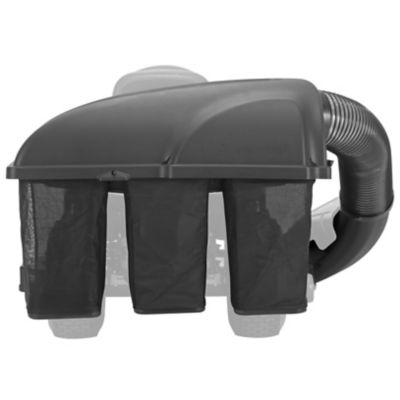
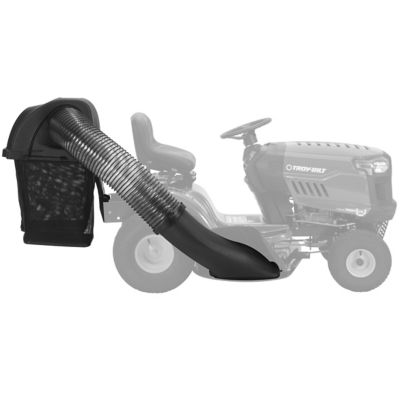
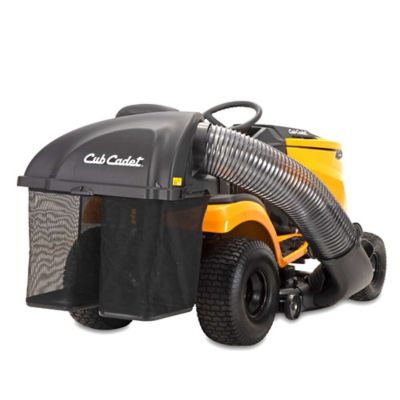
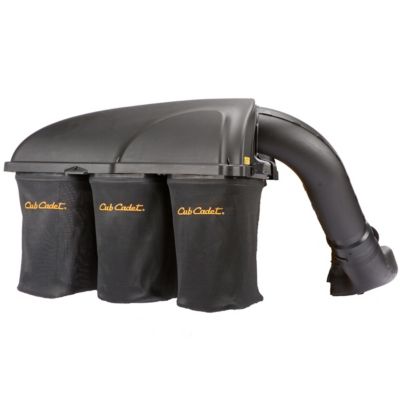
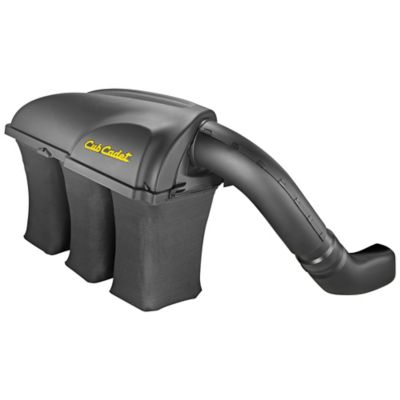
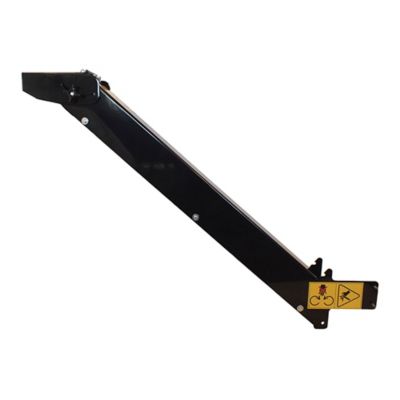
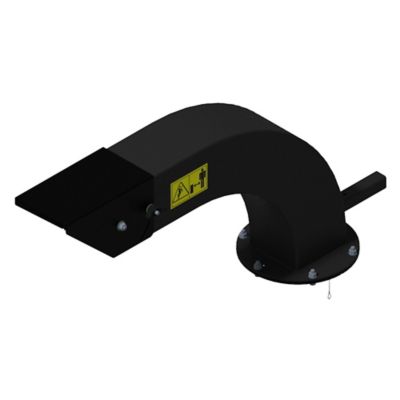
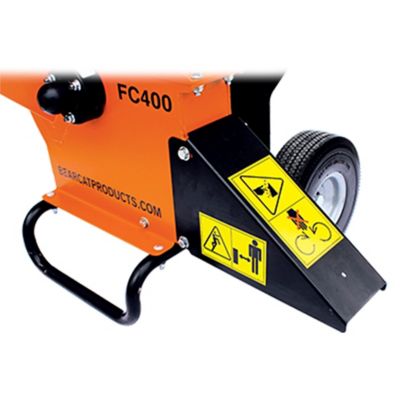
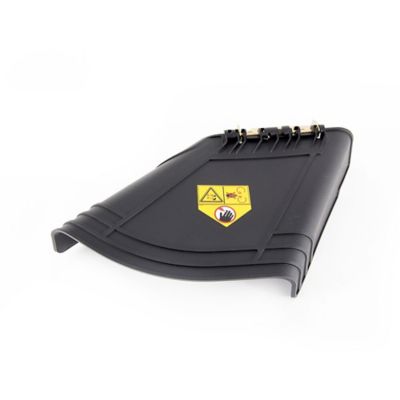
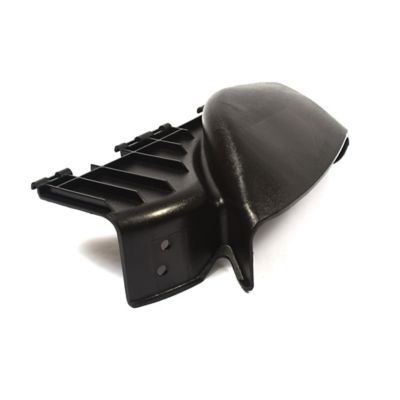
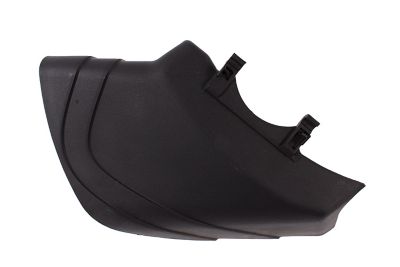
The term lawn chute can also refer to a mower discharge chute, which serves a different purpose from a yard-bag funnel. A mower chute directs cut grass away from the cutting deck or toward a collection attachment, depending on the machine’s design. Side-discharge chutes generally guide clippings out beside the deck, while rear-discharge components route material behind the mower or into a compatible collection system. These parts are not interchangeable with bag supports, and a similar outline does not establish a proper fit. The mower’s model information, deck design, discharge opening and attachment points are the details that matter. Depending on the assembly, fit may also involve a hinge pin, spring, mounting bracket or connection to a bagging tube. Molded plastic is common in discharge components because it can form curved passages without adding much weight, while certain assemblies include metal hardware or reinforced mounting areas. The important consideration is the complete fit and function of the assembly, not just its material. A cracked chute, loose hinge or missing fastener can interfere with its intended position, and a replacement needs to match the equipment manufacturer’s specifications. Clearing packed clippings or checking hardware calls for a fully stopped mower, disconnected power and the precautions laid out in the equipment manual; hands should never enter a discharge opening while the machine can operate. Routine cleaning also helps reveal damage that a layer of grass might hide. For either meaning of lawn chute, the job determines the choice: a bagging funnel supports a separate yard-waste bag, while a mower discharge chute belongs to a particular cutting and collection setup. As with other lawn-care supplies, including
Lawn Plugs, checking the intended purpose before comparing shapes and dimensions helps narrow the search. The right match keeps cleanup equipment working together, whether the task is filling paper bags beside the garden or directing clippings across an open stretch of lawn.