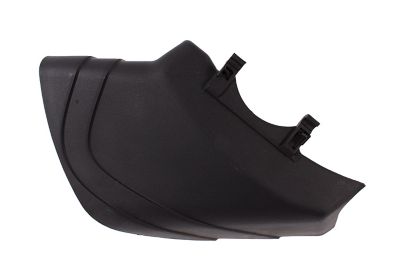
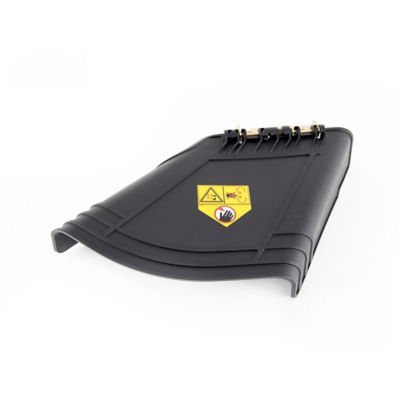
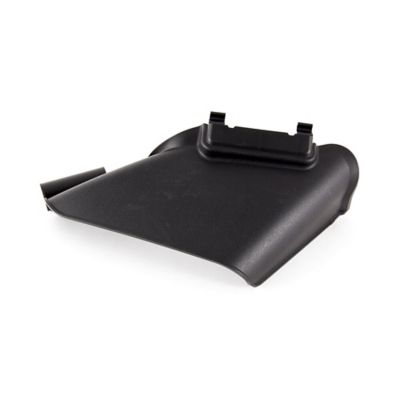
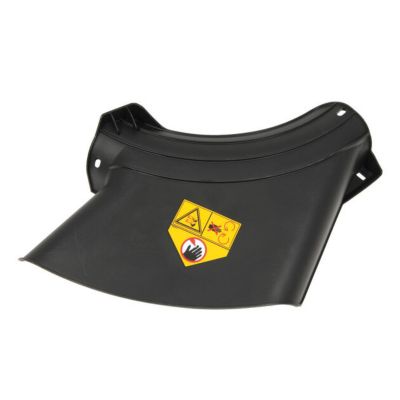
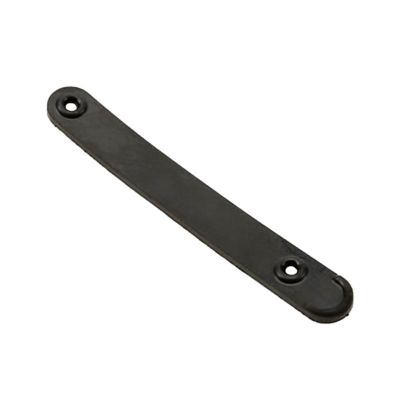
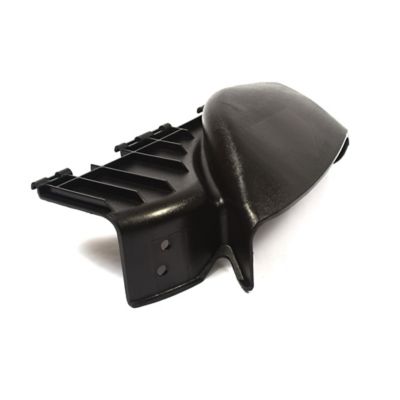
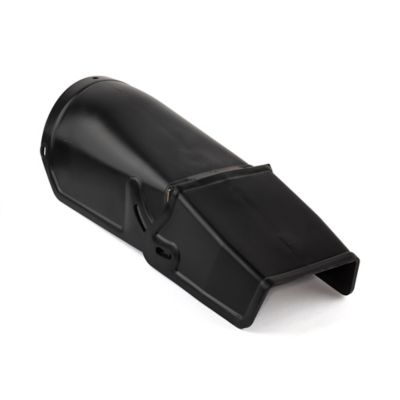
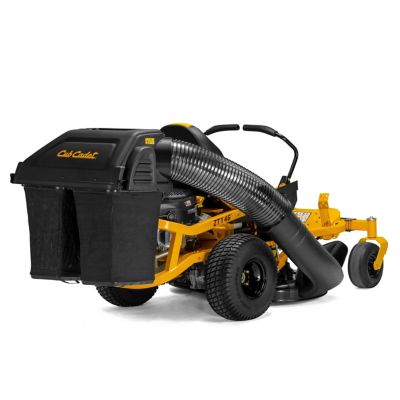
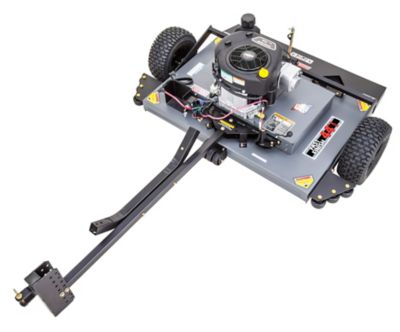
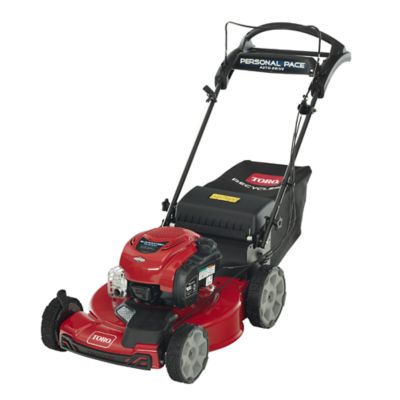
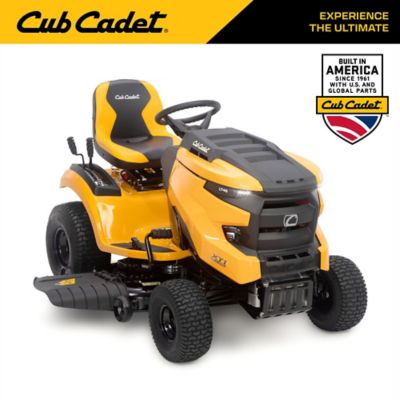
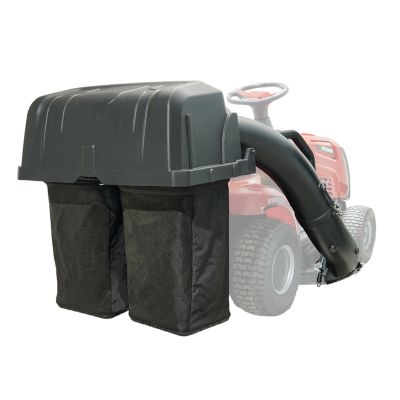
Mower chutes help control where grass clippings and other material go while the mower is running. A side-discharge chute directs clippings away from the deck, while a rear-discharge chute sends them behind the mower and can be a handy choice for tighter mowing areas, paths, or lawns where clippings need to stay centered in the work area. These parts also help cover the discharge opening and reduce the chance of grass, sticks, gravel, or other debris being thrown toward the operator, nearby buildings, parked equipment, pets, or people. A chute may be needed because an original part has cracked, gone missing, or worn out after years of sun, weather, and contact with thick grass. In other cases, a chute blocker or discharge-control attachment gives the operator more say over when clippings leave the deck. Closing the discharge opening near flower beds, driveways, sidewalks, garden edges, or decorative stone can make cleanup easier and help keep fresh clippings from landing where they are hard to sweep up. For larger properties, a dependable chute is one small part of a mowing setup that keeps the job moving along. Homeowners using a walk-behind mower, acreage owners operating a riding mower, and lawn care crews may all benefit from having the right discharge equipment on hand. If you are comparing machines as well as replacement parts, browse
Riding Lawn Mowers to learn more about equipment suited to larger lawns and open ground.
Fit is the most important detail when choosing a mower chute. Start with the mower’s make, model, deck size, and model or serial number, then compare those details with the replacement part’s listed compatibility. Two chutes can look nearly identical but use different mounting holes, hinges, springs, brackets, or guards. Check whether the mower is designed for side discharge or rear discharge, and confirm whether the chute is meant to work with a bagger, mulch plug, collection system, or other deck accessory. Measurements can help, but they should not replace a proper model match; a part that is only slightly off may sit crooked, fail to stay in place, or interfere with the blade and deck. Take a look at the condition of the mounting hardware before ordering, too. A cracked chute may be the visible problem, while a bent bracket, missing pin, weak spring, or damaged hinge is what caused it to stop working correctly. Replacement chutes are often a straightforward, budget-friendly repair for everyday wear, while operator-controlled chute blockers tend to be more substantial attachments designed for people who regularly mow along landscaping, fencing, buildings, and hardscapes. Consider the material and construction as well. Molded plastic chutes are light and easy to handle, while heavier-duty designs may offer added rigidity for frequent use. No matter the style, the chute should sit securely, open and close as intended, and leave enough clearance around moving parts. Keeping the mower deck clean and storing removable parts out of direct weather can help extend their useful life, especially when mowing slows down during the cooler months.
Safe operation starts before the engine is turned on. Inspect the chute each time you mow and replace it if it is split, badly bent, missing, or unable to remain in its working position. Never reach into the discharge opening or try to clear packed grass while the blade is moving. Shut off the engine, remove the key when applicable, wait for all moving parts to stop, and follow the mower manufacturer’s instructions before handling the deck. Wear sturdy footwear and eye protection, keep children and pets away from the mowing area, and take extra care around gravel drives, loose branches, toys, and hidden objects in tall grass. A chute is not a substitute for good mowing habits, but it is an important part of the mower’s safety system and clipping-control setup. Match the discharge direction to the property: side discharge can cover broad open stretches efficiently, rear discharge can help when working near edges or in narrower spaces, and a chute blocker can temporarily contain clippings when passing beside a garden or paved surface. Before the first cut of the season, walk the property and move loose debris, mark irrigation heads, and check areas where wet leaves or damp grass may collect. During early fall and the cooler stretch that follows, leaves can gather beneath grass and around deck openings, making regular inspections especially worthwhile. A well-matched mower chute helps keep the cut cleaner, protects nearby areas from flying debris, and makes routine lawn work feel more controlled from the first pass to the last.