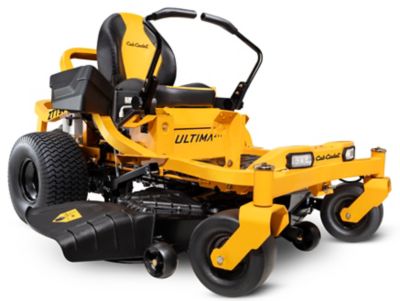
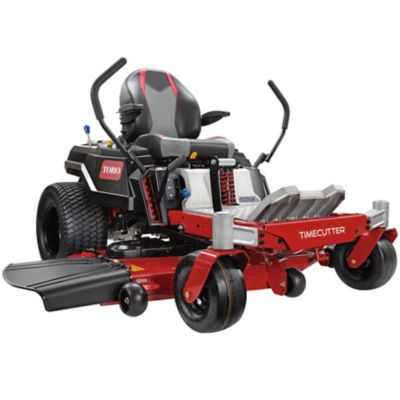
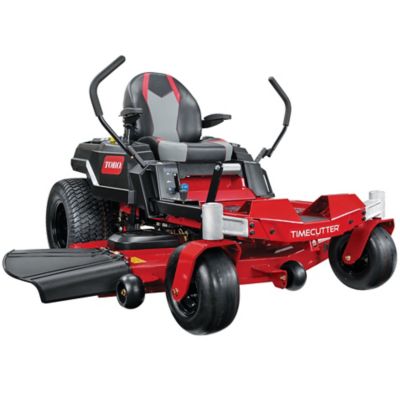
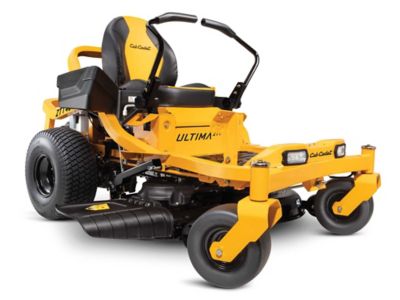
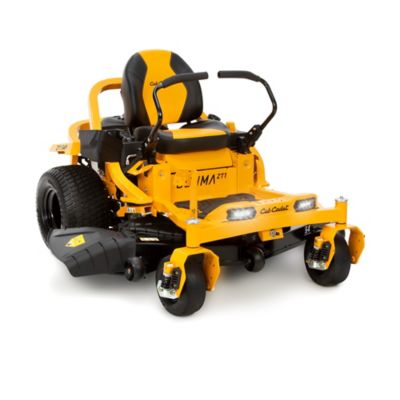
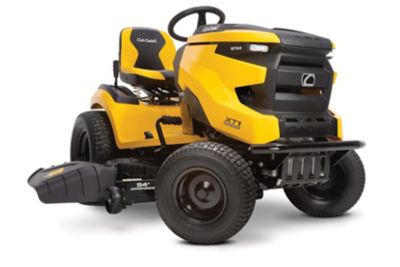
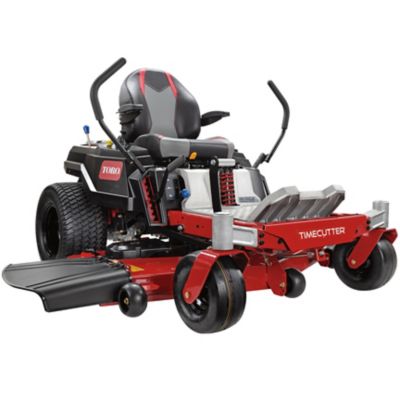
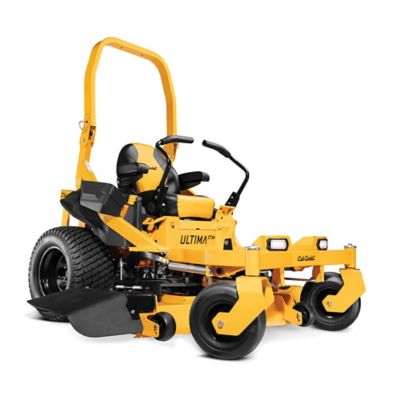
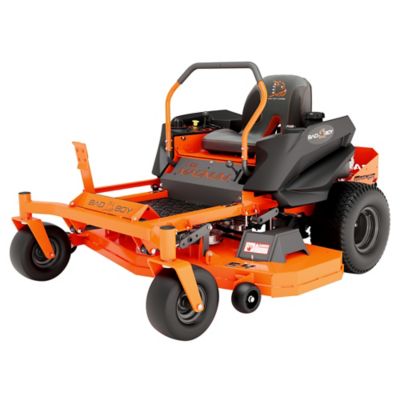
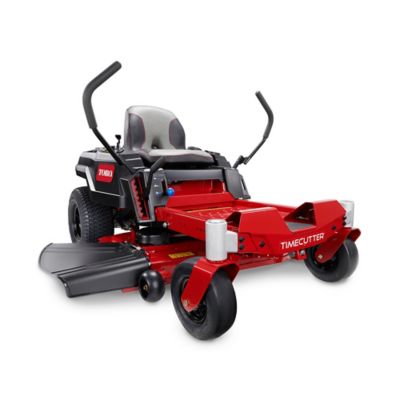
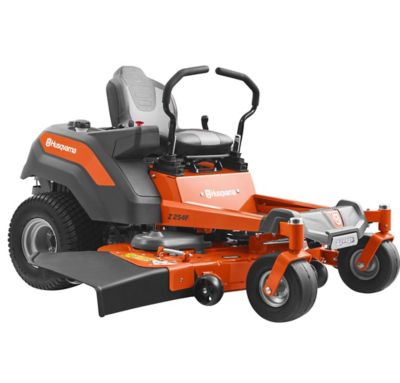
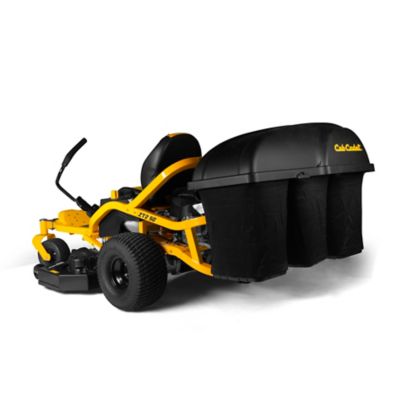
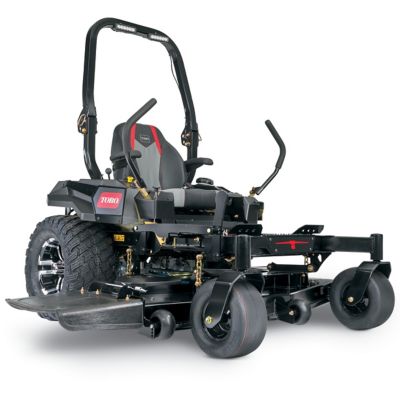
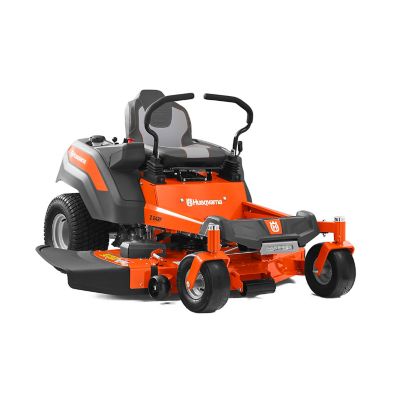
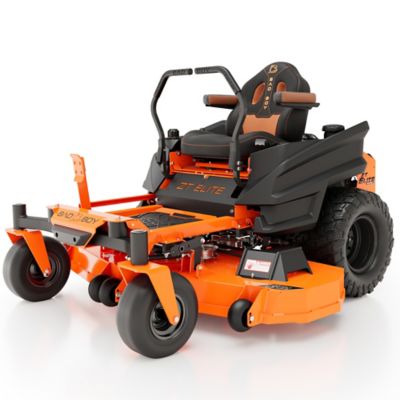
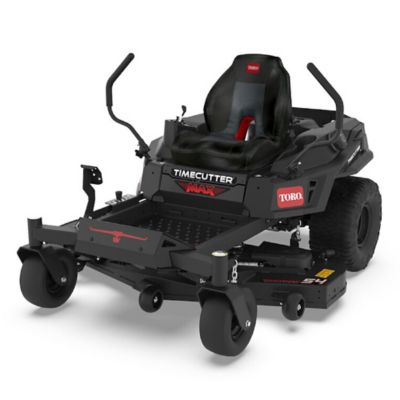
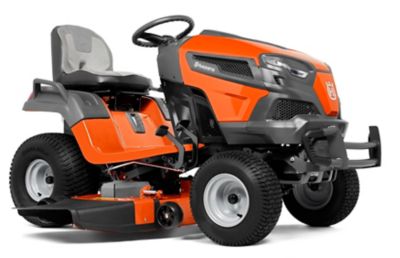
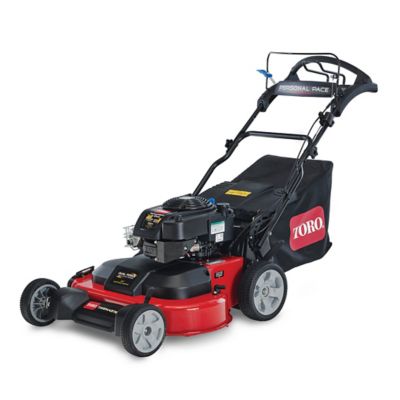
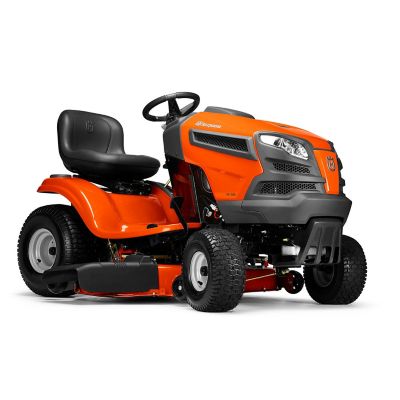
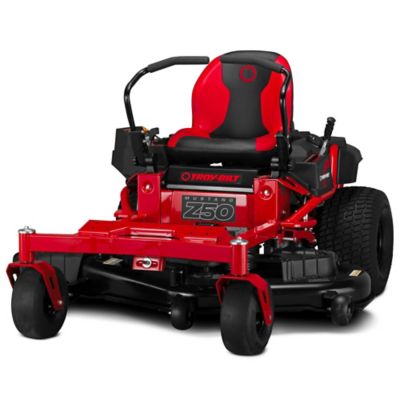
A stamped deck zero-turn mower is a practical choice for homeowners who want to cover a lot of grass with less time spent circling trees, garden beds, fences, and other obstacles. The cutting deck is formed from a single sheet of steel in a large press, creating smooth, rounded contours beneath the mower. That one-piece construction keeps the deck lighter and often helps make the mower more affordable than a comparable model with a heavy fabricated deck. A lighter machine can feel nimble on open lawn, respond quickly around landscaping, and put less weight on the turf when the ground is firm and dry. The smooth underside may also help grass move efficiently through the deck and discharge chute, which can leave a clean-looking cut when the blades are sharp and the mowing conditions are right. Stamped deck zero-turn mowers are commonly suited to residential lawns, small acreages, rural homesites, and properties with mostly level or gently rolling ground. They can be a good fit for someone who has outgrown a traditional riding mower but does not need a commercial-grade machine for daily mowing. Homeowners often appreciate the intuitive steering, comfortable seat, and tight turning radius, especially when maintaining a lawn dotted with shade trees, ornamental beds, sheds, or a winding driveway. A homeowner preparing a larger yard for outdoor gatherings may find that a zero-turn mower makes routine upkeep more manageable, while a new landowner may value the shorter mowing time during the growing season. These mowers can also make a thoughtful gift for someone settling into a rural property, provided the recipient has suitable storage space and a lawn large enough to benefit from a riding mower. For compact properties, reviewing options such as
42 Inch Zero Turn Mowers can help narrow the search toward a more maneuverable cutting width.
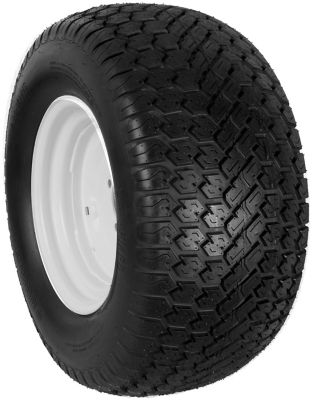
When comparing stamped deck zero-turn mower options, start with the property rather than the machine’s appearance alone. Measure the area that actually needs mowing, including side yards and open spaces, and consider how much room is available between trees, gates, buildings, and fence lines. A wider deck can reduce the number of passes across a broad, open lawn, but a narrower deck may be easier to store, transport, and guide through tight spaces. Many residential stamped decks fall in the lighter-gauge steel range, which helps reduce weight and cost but also means the deck deserves reasonable care around hard obstacles. Smooth turf is a natural match; ground scattered with exposed roots, buried stones, drainage covers, or rough field edges calls for slower travel and a careful eye. Before mowing, walk the area and remove branches, toys, wire, rocks, and other debris that could damage the blades or deck. A stamped deck may not be the best choice for frequent heavy brush cutting, neglected pasture edges, steep hills, or properties where the mower is likely to take repeated impacts. Fabricated decks are generally built from separately cut and welded pieces of thicker steel and may offer greater resistance to abuse, though they are typically heavier and may cost more. That does not make one style universally better. For a maintained residential lawn, the lighter stamped design can deliver a comfortable balance of handling, cutting performance, and value. Pay attention to deck width, cutting-height adjustment, engine power, fuel capacity, seat comfort, tire size, and the mower’s rated terrain use. A zero-turn mower is at its best when both rear wheels have dependable traction, so steep slopes and damp ground require extra caution. Follow the manufacturer’s slope guidance, mow across a slope only when permitted, and avoid turning sharply on wet grass, where the tires can tear the turf or lose grip.
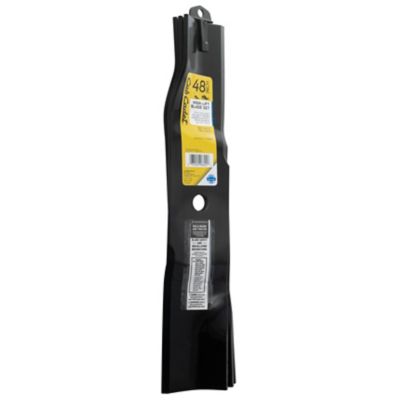
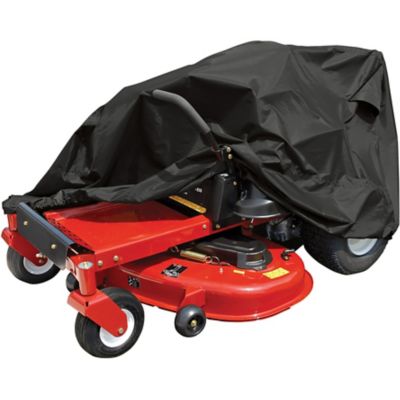
A good mowing routine protects both the lawn and the stamped deck. Let wet grass dry when possible, particularly during the cooler months when dew can linger, because damp clippings can clump beneath the deck and restrict airflow. Cutting only about one-third of the grass blade at a time helps maintain a healthier-looking lawn and reduces the strain that comes from forcing the mower through tall growth. When grass gets ahead of the schedule, raise the deck for the first pass and lower it gradually rather than trying to scalp the lawn in one heavy cut. Keep blades balanced and sharp, check the tire pressure, and clear packed clippings after the mower has been shut down, cooled, and secured according to the owner’s manual. Grease fittings, belts, spindles, filters, and battery connections also deserve regular attention. During the cooler months, a covered, dry storage area helps protect the mower from moisture and keeps the seat, controls, and fuel system in better shape for the next stretch of warm-weather growth. If the mower will sit unused for an extended period, follow the storage instructions for fuel, battery care, and cleaning. Think of the stamped deck as a strong but lighter-duty part of a complete mowing system: it performs well when the operator matches the machine to the property and avoids unnecessary impacts. A level lawn with a few trees and landscaped borders may be finished quickly and neatly, while a rocky lot with uneven slopes may call for a different type of equipment. Taking those details into account makes it easier to choose a stamped deck zero-turn mower that feels steady in the seat, fits the storage area, and keeps routine lawn care from turning into an all-day chore.