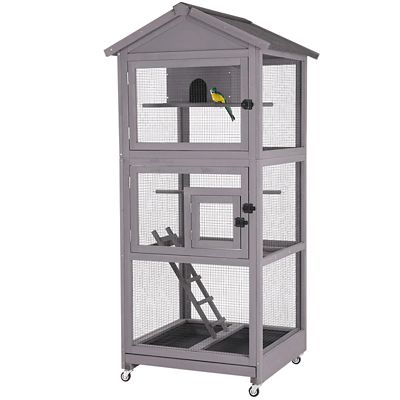
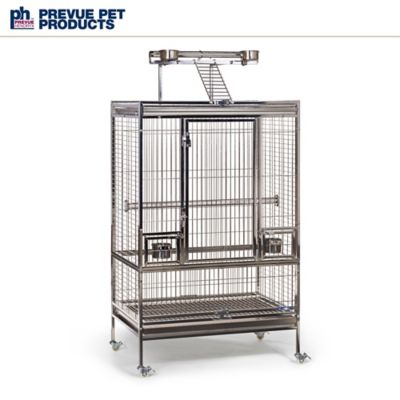
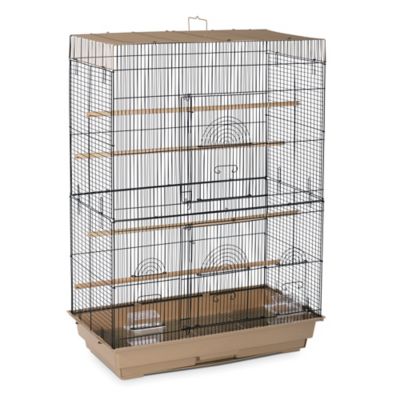
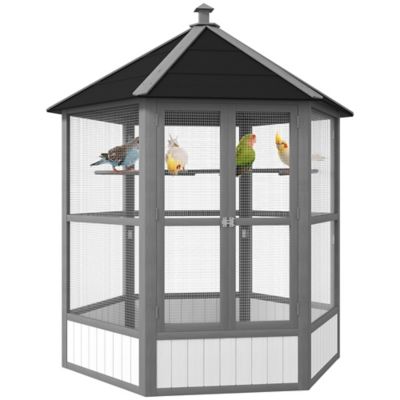
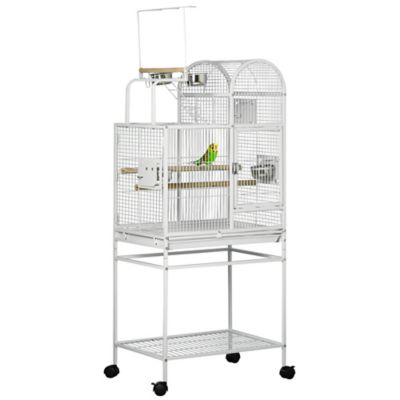
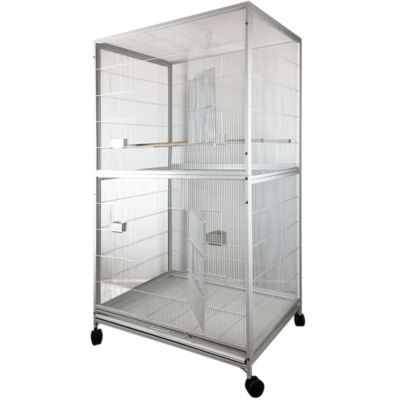
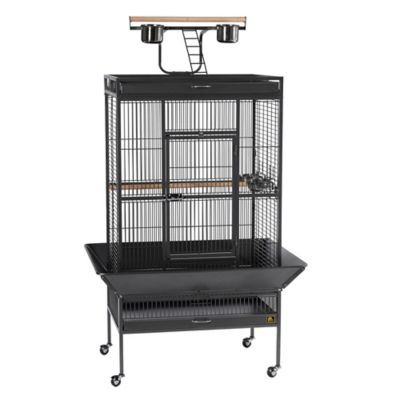
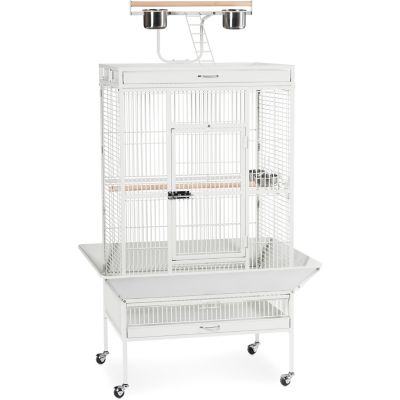
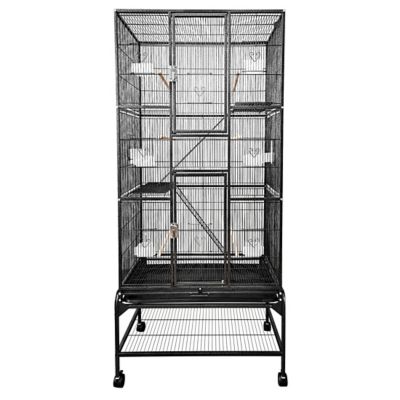
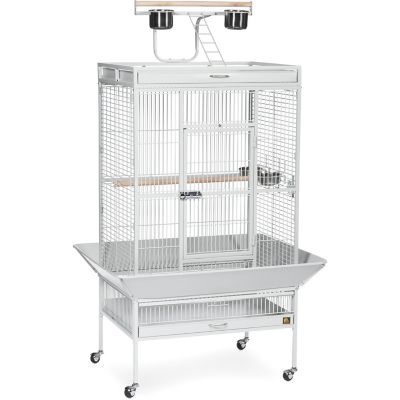
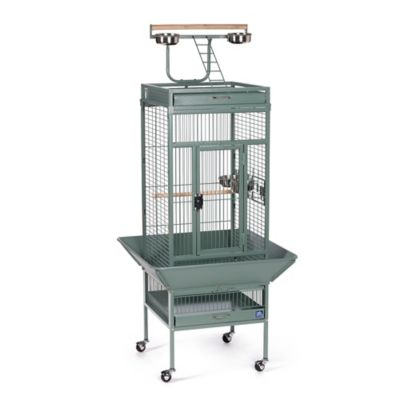
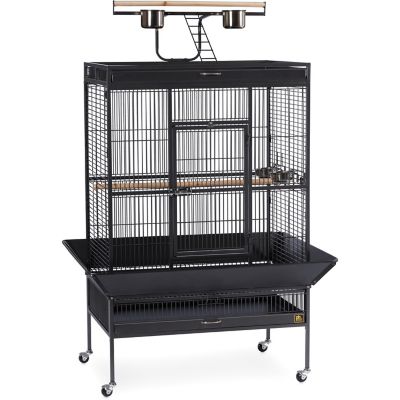
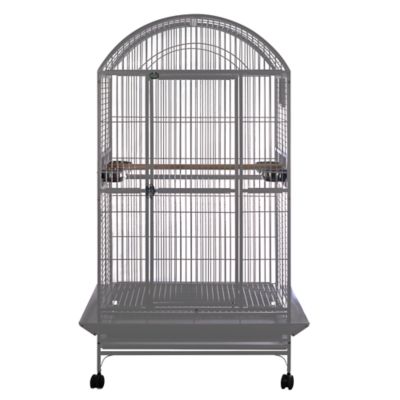
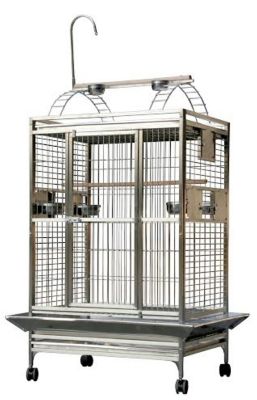
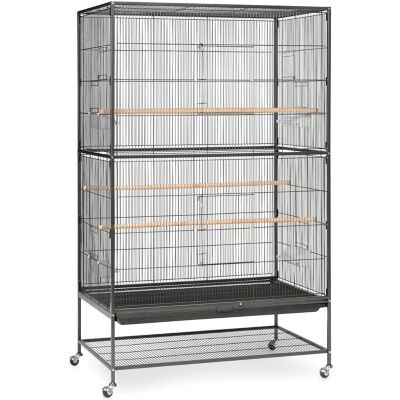
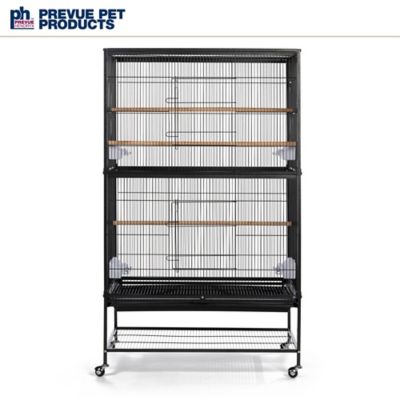
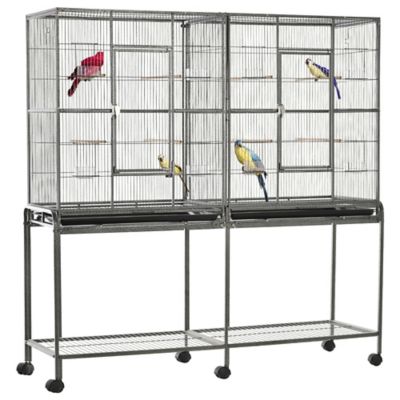
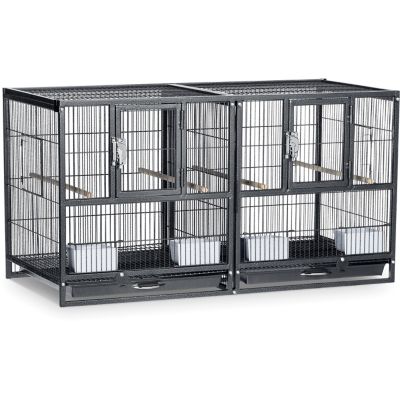
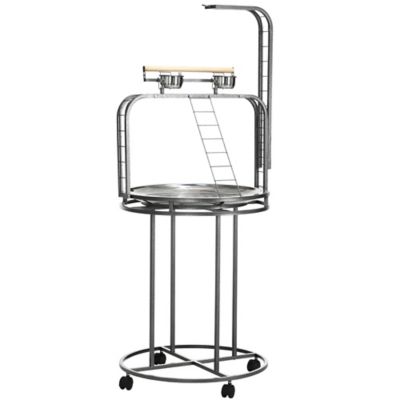
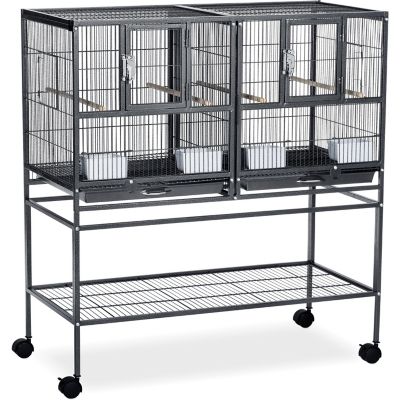
A large bird cage is a roomy enclosure that gives a pet bird space to stretch, climb, perch, and move between feeding and resting spots without crowding its wings or tail. The right size depends on the bird’s species, adult size, activity level, and daily routine, not just the word “large” on a label. Wide flight cages give smaller birds room for horizontal movement, while substantial enclosures with stronger bars and secure latches suit the strength and climbing habits of many larger parrots. For a setup centered on more flight space, a
Bird Aviary is another enclosure style to consider. Interior measurements matter more than the overall footprint, especially when seed guards, stands, or storage shelves extend beyond the cage itself. A long-tailed bird needs clearance beneath its favorite perch, and a bird that climbs from side to side needs open pathways rather than a wall of accessories. There should be enough room for a full wing stretch without contact with the bars or furnishings, though that alone does not make a cage spacious enough for everyday living. Perches, bowls, and toys all take up room once the cage is furnished. Bar spacing is just as important as floor space: openings must prevent the bird from slipping through or getting its head caught. In a shared enclosure, spacing needs to suit the smallest bird, while the overall layout needs to provide enough room and separate resources for every compatible occupant. A roomy cage does not make unfamiliar birds suitable companions, and some birds need separate housing. For households with finches, canaries, cockatiels, or parrots, species-specific needs should lead the decision. An avian veterinarian can help confirm a suitable enclosure size and bar spacing when a bird’s needs are unclear. A cage is part of a bird’s daily living space, not a replacement for appropriate exercise, enrichment, and interaction.
Materials and construction affect how a large bird cage handles everything from a parrot testing a latch with its beak to the daily shuffle of feeding, wiping, and sweeping. Stainless steel and bird-safe powder-coated metal are common construction choices, but the condition of the finish and the suitability of every accessible part still matter. Metal type alone does not settle whether an enclosure is safe for a particular bird. Smooth welds, finished edges, firmly attached bars, and hardware that stays secure help keep climbing surfaces free of sharp spots and loose pieces. For powerful chewers, bar thickness and resistance to bending deserve close attention. A lighter frame intended for small birds may not stand up to a large parrot’s beak, even when the exterior dimensions look generous. Painted or coated surfaces should remain intact, with no peeling areas for a bird to pick at, and accessible components should be free of lead or other hazardous materials. Doors need enough clearance to move the bird safely and reach the back corners without an awkward stretch. Separate feeding doors can make bowl changes simpler, provided their fasteners cannot be worked open by an inquisitive beak. Secure main-door latches matter for the same reason; some parrots are quick to figure out a simple sliding catch. A broad, stable base helps the enclosure stay steady during active climbing, while locking casters can make floor cleaning easier when the cage is on a suitable, level surface. Measure room entrances and the full route into the house before settling on a footprint, including narrow halls and tight turns. The cage also needs working room around it so doors can swing open and trays can slide out. For a bird keeper handling chores alone, reachable bowl holders, manageable tray sizes, and accessible fasteners can make a real difference every day.
Inside a large bird cage, a thoughtful layout leaves clear movement lanes while giving the bird several comfortable places to spend time. Bird-safe perches with appropriate differences in diameter and texture allow changes in foot position, and their placement should keep droppings out of food and water. A perch directly over a bowl may look tidy at setup, but it makes extra cleaning work as soon as the bird settles in. Long tails need space below resting spots, and toys should hang where they encourage activity without blocking a route between perches. Chewing, climbing, and foraging accessories need to match the bird’s size and habits, with regular checks for frayed fibers, loose fittings, or openings that could trap a toe or beak. More accessories are not always better; open space is part of what makes a larger enclosure useful. Removable trays, accessible corners, and washable bowls help keep routine care straightforward. Plain paper liners make it easier to spot changes in droppings, while any bottom grate needs regular attention so waste does not build up on surfaces the bird can reach. Food residue and droppings should be cleared promptly, and cleaning methods should follow the enclosure manufacturer’s directions and an avian veterinarian’s recommendations. Cleaned surfaces need thorough rinsing and drying before the bird returns. Placement matters, too. A settled spot where the bird can see household activity without sitting in a constant traffic lane can support both companionship and rest. Keep the enclosure away from cooking fumes, smoke, aerosol sprays, dangling cords, and other household hazards, and prevent unsupervised access by cats or dogs. For a first-time bird keeper, a growing bird household, or someone replacing a cramped enclosure, the most useful large bird cage is one that fits the bird and the way the household handles daily care. If the cage is a gift, checking measurements and the bird’s needs with its keeper first helps ensure it will be a good fit.