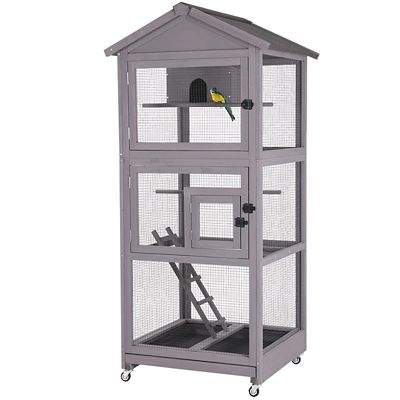
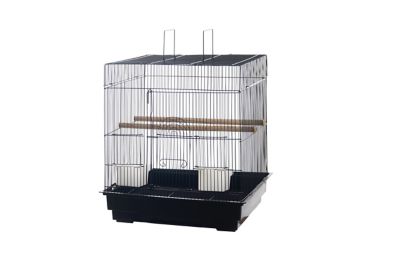
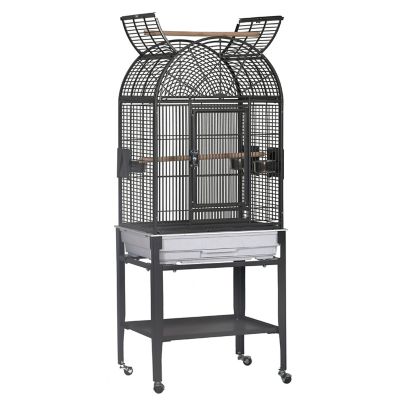
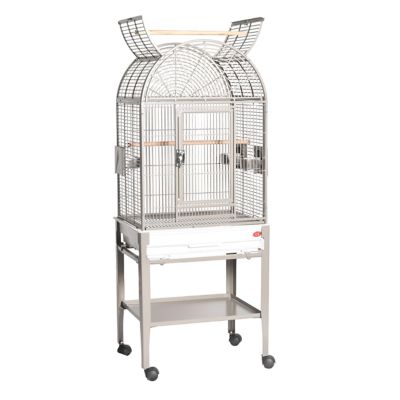
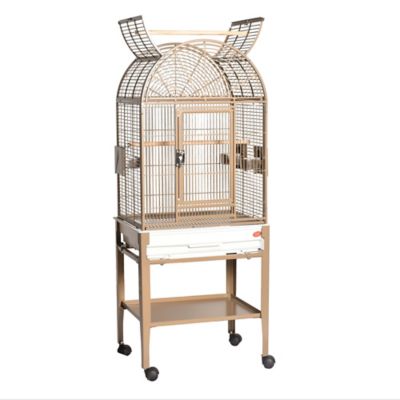
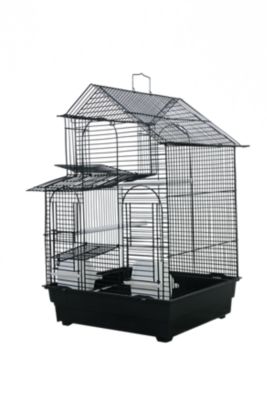
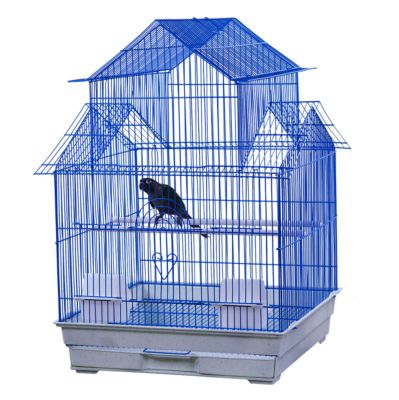
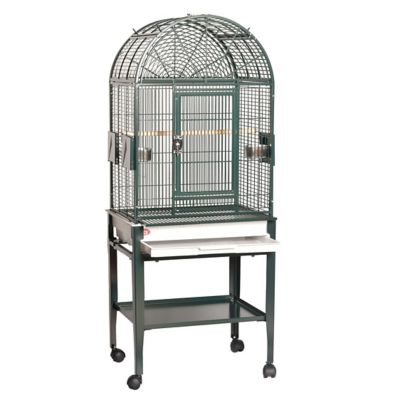
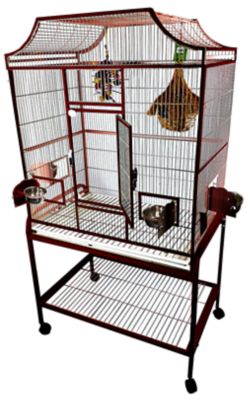
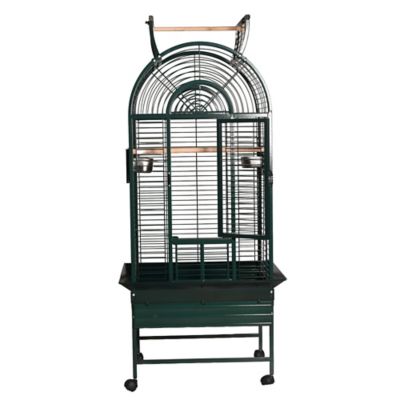
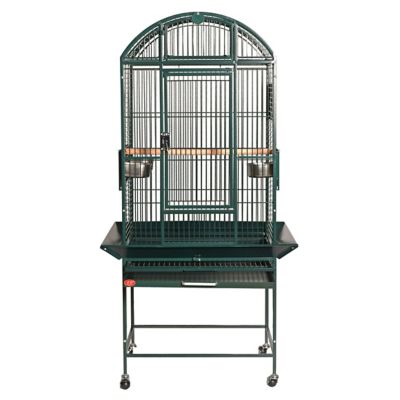
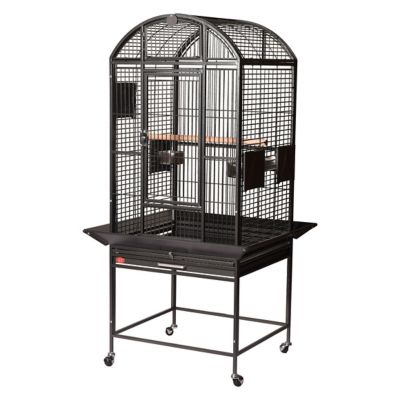
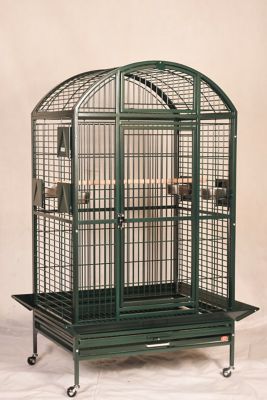
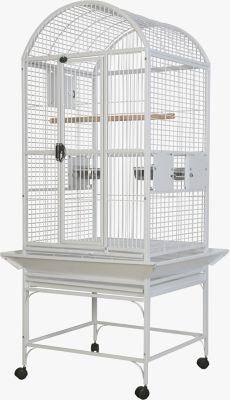
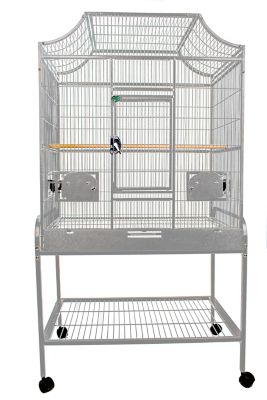
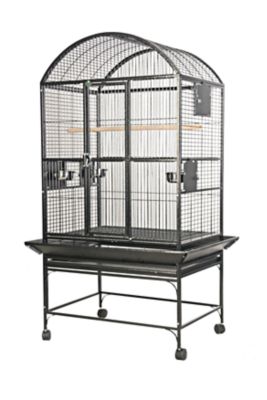
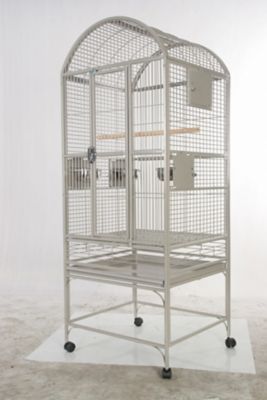
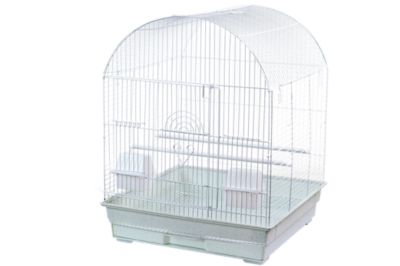
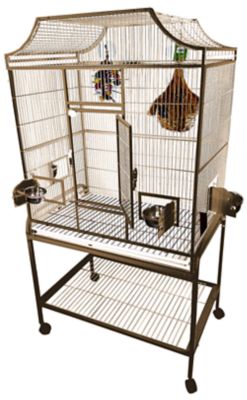
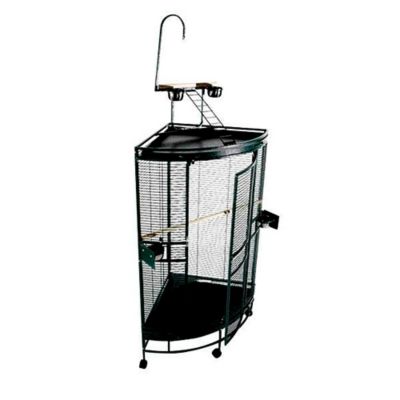
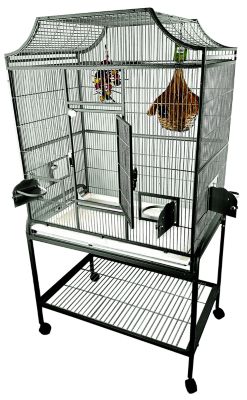
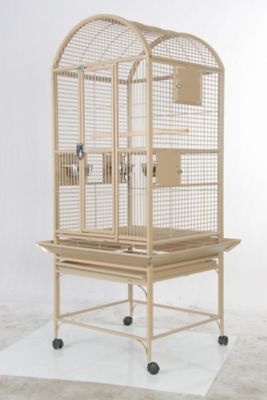
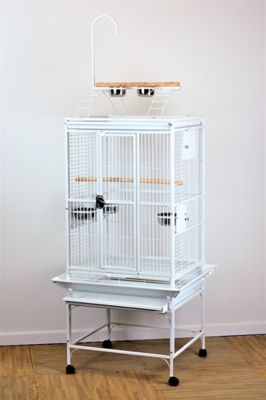
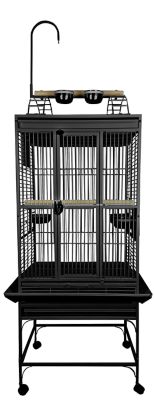
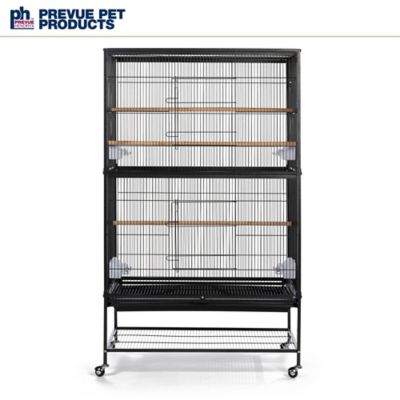
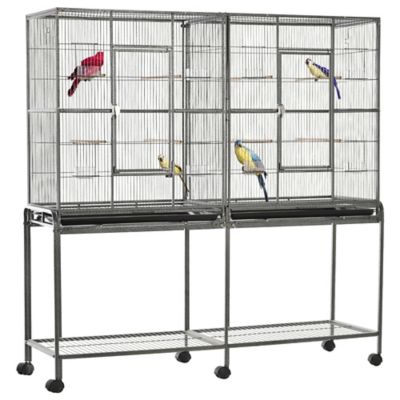
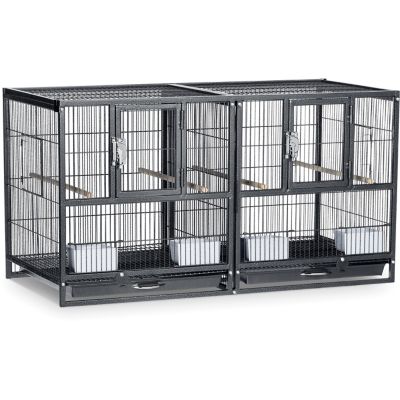
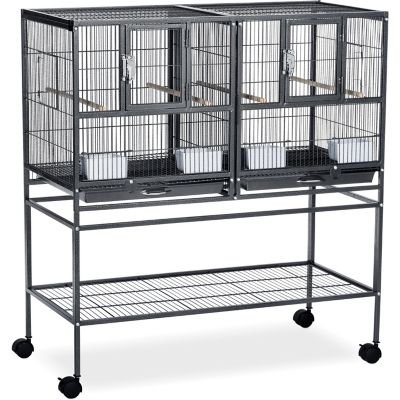
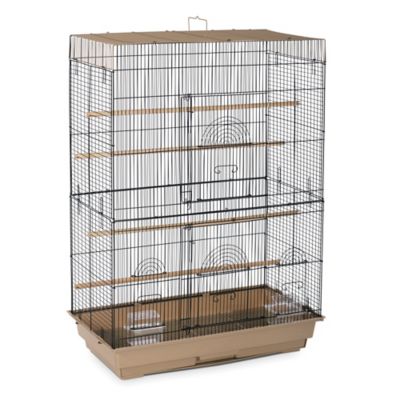
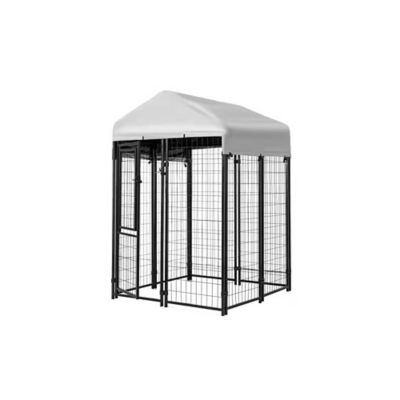
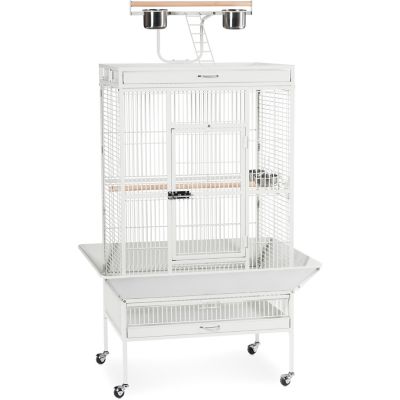
A pigeon cage gives pet pigeons, rescued birds and young birds a safe place to rest, eat and settle into a daily routine. Whether you keep a couple of birds in a spare room, enclosed porch, barn office or protected outdoor area, look for a cage that offers plenty of horizontal floor space rather than focusing only on height. Pigeons spend much of their time walking, standing and making short hops, so a roomy footprint is more useful than a tall, narrow enclosure designed for climbing birds. As a general starting point, one or two pigeons need about 42 inches wide by 27 inches deep and 30 inches high, though larger is always better when space allows. A roomy large-dog crate or similar enclosure may work well when properly prepared, especially for a rescued pigeon that needs a quiet place to recover. Leave enough room for the birds to turn around comfortably, stretch their wings, reach food and water without crowding and move away from soiled bedding. If more than two pigeons will share the space, choose a larger enclosure and watch for signs of crowding, chasing or guarding of food and resting spots. Good airflow matters, but the cage should not sit in a drafty doorway or directly beside a heater, woodstove, air conditioner or sunny window. During the cooler months, a protected indoor location can help birds stay comfortable, while an outdoor setup needs a roof, shade, wind protection and sturdy construction that keeps out raccoons, cats, snakes and other predators. A secure latch is important as well; pigeons are clever, and a door that is easy for you to open can still need to be difficult for a curious bird or farm visitor to push loose. Anyone shopping for a pigeon cage may be setting up a home for a pet, fostering a bird through a rescue group or preparing a safe recovery area for an injured wild pigeon under the direction of a licensed wildlife professional. It can also make a thoughtful gift for a bird lover, hobby farmer or young caretaker who enjoys learning about animal husbandry, provided the recipient is ready for the daily care, cleaning and long-term commitment that comes with keeping birds.
The inside of a pigeon cage should be arranged with comfort and cleanup in mind. Wire flooring can help waste fall away, but pigeons spend a great deal of time on their feet, and constant pressure from bare wire may lead to sore toes or foot problems. Cover a wire bottom with a flat, stable surface such as a properly fitted wood panel, washable mat or other smooth liner that will not curl, splinter or leave gaps where a foot could catch. Add newspaper, butcher paper or washable puppy pads over that surface for quick daily changes, and keep a few spare liners close by so a fresh setup is handy when the old one is removed. Wide, heavy bowls made from ceramic or terracotta are useful for food, water, grit and bathing because they are harder for a pigeon to tip over than lightweight dishes. Keep food and water away from the area where droppings collect, replace drinking water often and wash bowls regularly to help limit mess and odors. Pigeons also benefit from low, flat shelves or broad perches where they can rest without balancing on a narrow dowel. A nesting box, shallow basket or tucked-away corner bed gives a bird a familiar place to settle, and it is worth remembering that domesticated pigeons may lay eggs even when no male is present. Choose cage accessories that are sturdy, easy to remove and free from sharp edges, loose threads and peeling finishes. Leave open floor space for walking, and avoid filling the enclosure with so many toys, branches or high perches that the birds cannot move freely. For additional ideas when planning a larger, roomier setup, browse the
Bird Aviary selection and consider how the same basics—safe spacing, ventilation, shade, shelter and simple cleaning—will apply. Place the cage where you can check on the birds each day, notice changes in appetite or droppings and handle routine chores without disturbing the rest of the household. A well-planned pigeon cage should feel calm and dependable: fresh liner underfoot, clean water within reach, a sheltered spot for resting and enough room for a pigeon to walk, stretch and flap without bumping into the sides.