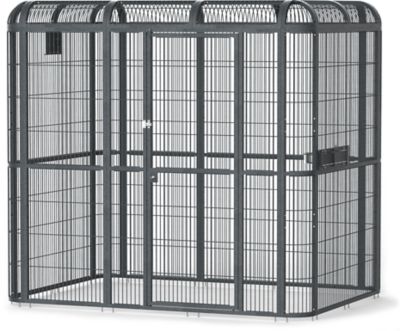
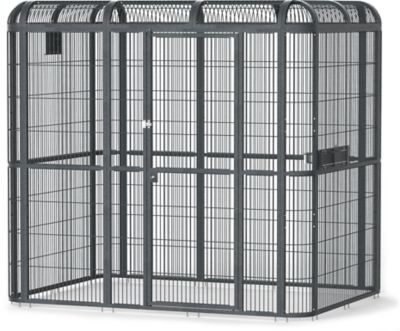
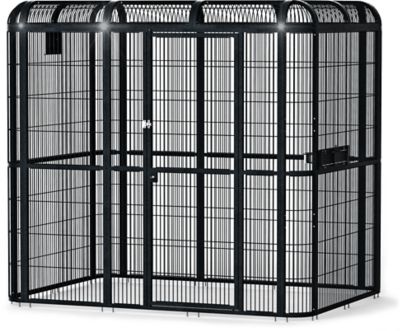
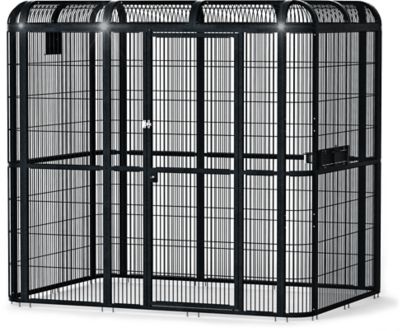
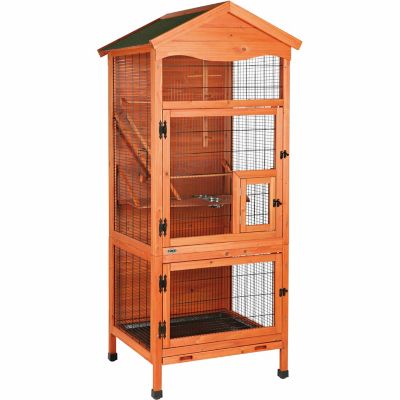
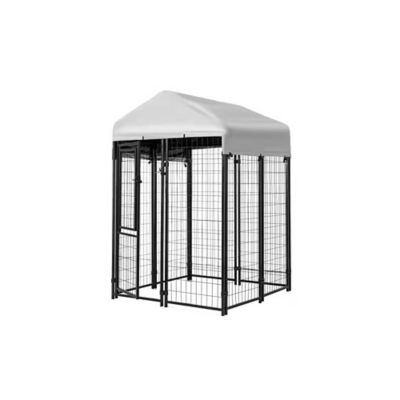
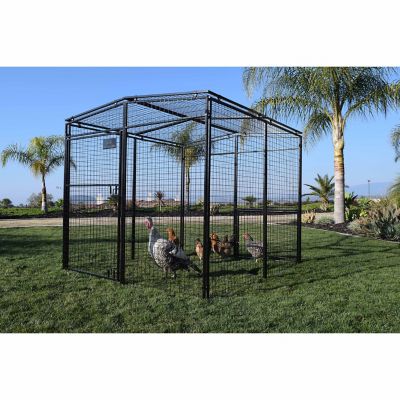
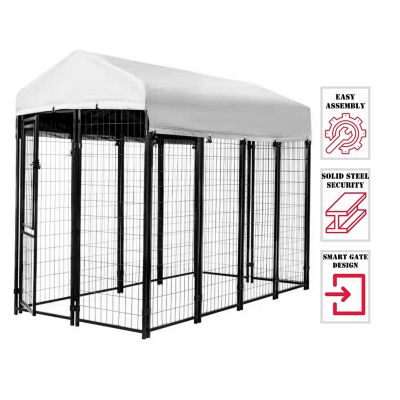
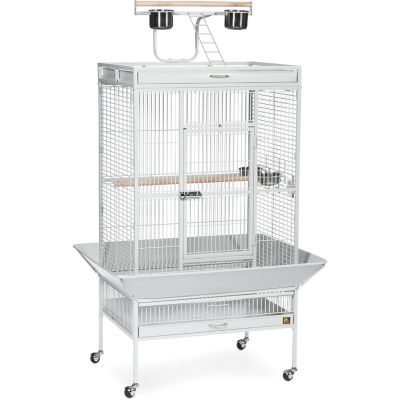
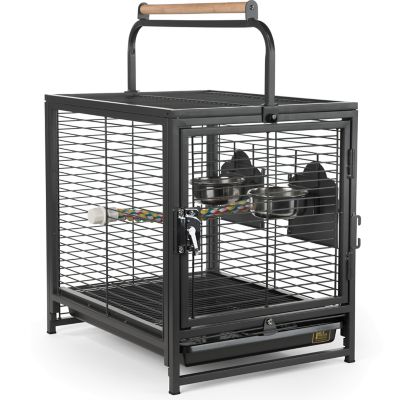
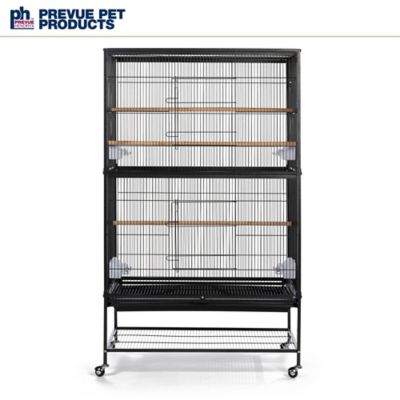
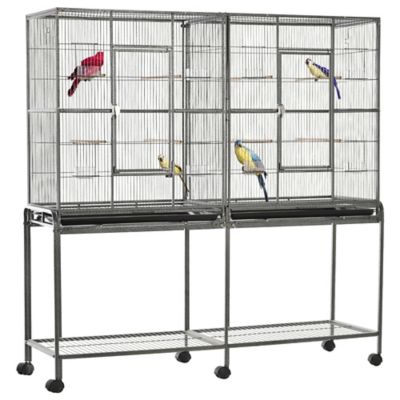
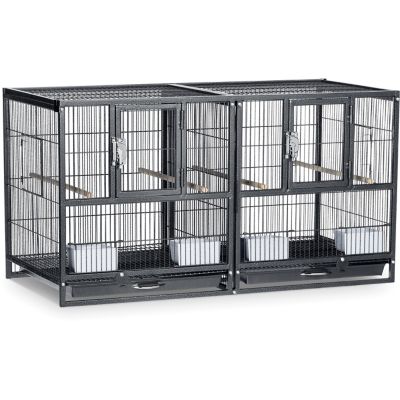
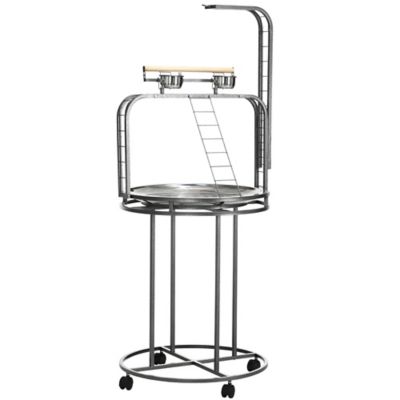
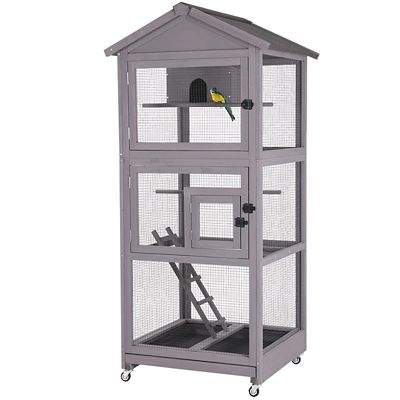
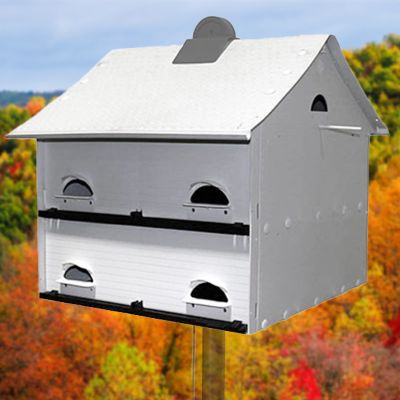
A bird aviary gives birds room to stretch their wings, move naturally and enjoy a richer daily routine than a small enclosure can provide. Whether you are setting up a sunny indoor space, adding an outdoor enclosure near the garden or creating a larger walk-in area, the right setup depends on the birds you plan to house and the space available. Finches and other small soft-billed birds may do well in a lighter enclosure with close mesh spacing, while larger hookbills and parrots need sturdy construction that can stand up to climbing, chewing and energetic play. Pay close attention to the aviary’s height, width and depth rather than looking at floor space alone. Birds use vertical room, open flight paths and different levels, so a taller enclosure with room to move between perches can make a noticeable difference. Leave enough space for feeding areas, water, perches, toys and sheltered spots without crowding the main flight area. An aviary can be a rewarding addition for an experienced bird keeper, a family introducing children to responsible animal care or a hobbyist who enjoys watching natural bird behavior close to home. It may also make a thoughtful gift for someone who already keeps birds, although the recipient’s bird species, available space and daily care routine should guide the choice. For outdoor use, consider how the enclosure will sit on the property, whether the ground is level and how it will be protected from direct sun, driving rain and strong wind during the cooler months.
Construction details matter because an aviary must be secure, durable and comfortable every day of the year. Metal or steel framing can be a practical choice for larger birds or active outdoor setups, while aluminum is lightweight and naturally resistant to rust. Wood can lend a warm, natural look, but it should be solid, carefully finished and easy to inspect for moisture damage, loose fasteners or chewing. Mesh spacing should be narrow enough to prevent escapes and keep heads, feet and wings from becoming caught. Choose bird-safe mesh and finishes made for animal housing, and avoid bare or questionable wire that may corrode or expose birds to harmful metals if they chew on it. A secure roof helps keep out predators and provides shade, while a solid sheltered section gives birds a place to retreat when the wind picks up. For walk-in aviaries, a double-door entry or small vestibule is one of the most useful safety features; it creates a second barrier so birds are less likely to slip out when someone enters with food, water or cleaning supplies. Doors should close firmly, latches should be easy for people to operate but difficult for curious birds to manipulate, and every seam deserves a careful look before birds move in. During seasonal changes, shade cloth, wind panels or removable weather protection may help maintain a more comfortable environment, but ventilation should never be blocked. Fresh air and good airflow are important, particularly when several birds share the same space, and outdoor enclosures should be placed away from fumes, treated surfaces and areas where wild predators can easily reach through the mesh.
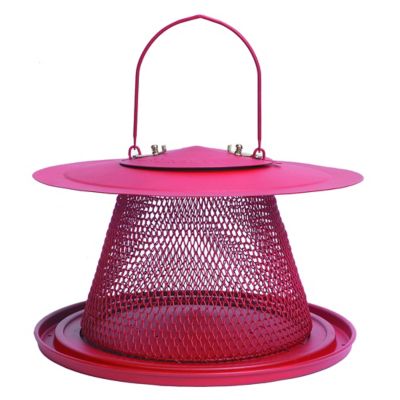
A well-planned aviary is easier to enjoy when everyday cleaning and care are simple. Look for features such as pull-out trays, removable panels or sloped flooring that help collect feathers, seed hulls and droppings without requiring the entire enclosure to be dismantled. Smooth, accessible surfaces make it easier to wipe down feeding areas, while separate locations for food and water can reduce contamination from waste and spilled bedding. Arrange perches at varied heights and diameters so birds can climb, rest and exercise their feet, keeping the central flight path open. Natural branches and bird-safe greenery can add interest, but anything brought in from outdoors should be clean, free of pesticides and suitable for the birds using the enclosure. Avoid sharp edges, loose strands, toxic plants and small openings where toes or beaks could become trapped. Watch how the birds use the space after setup; one may prefer a high corner, while another may spend the morning exploring the lower perches or sheltered area. A dependable food and water station, along with secure storage for feed and bedding, keeps the routine manageable through busy days and changing weather. Some bird keepers also pair an aviary area with a nearby
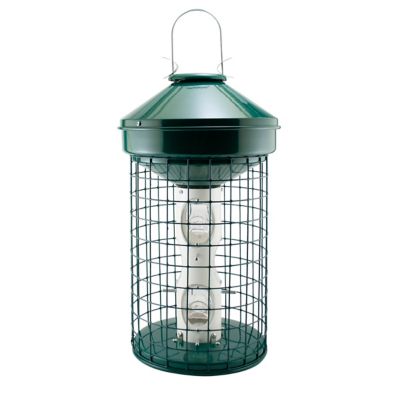
Bird Feeder Cage to help organize feeding and create a dedicated spot for observing birds. As the weather warms, birds may spend more time moving and calling in the open air, while cooler conditions call for closer attention to drafts, dampness and overnight protection. With safe materials, sensible spacing and a layout that supports clean, calm daily care, an aviary can become a lively part of the home, homestead or backyard for both birds and the people who look after them.