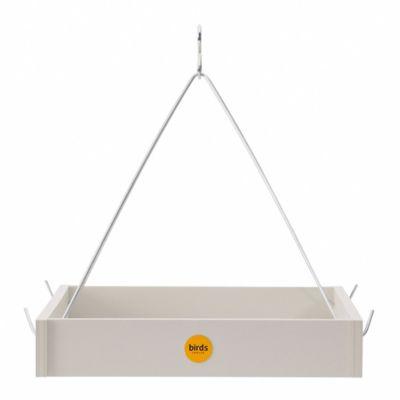
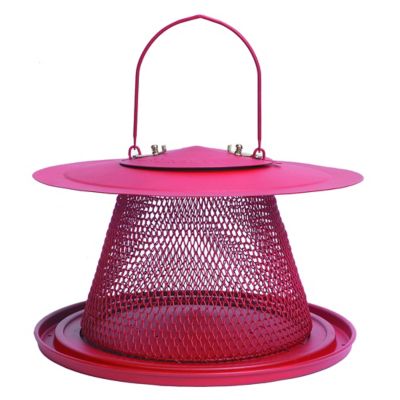
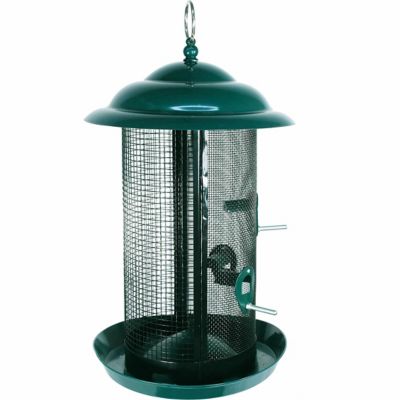
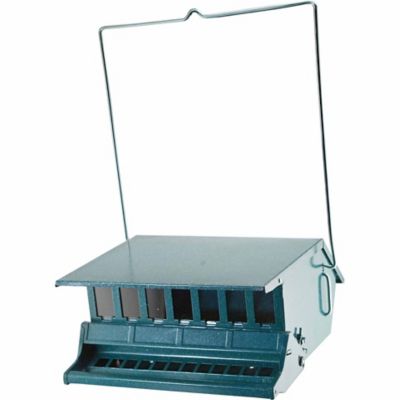
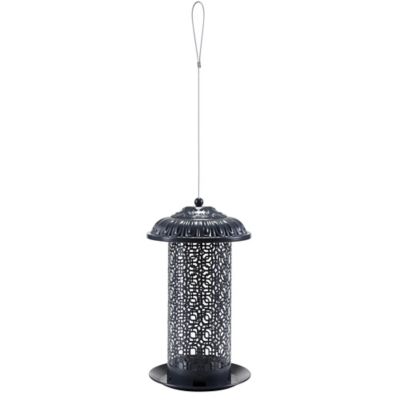
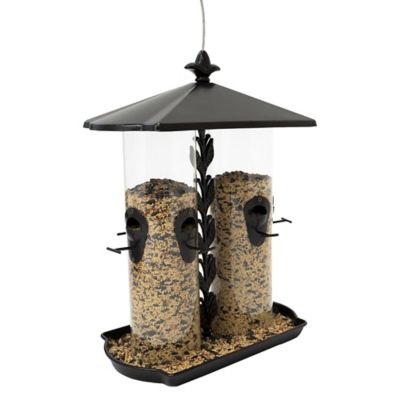
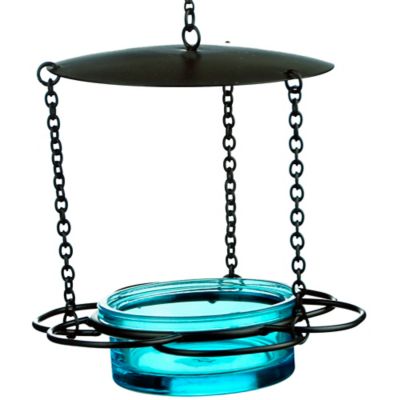
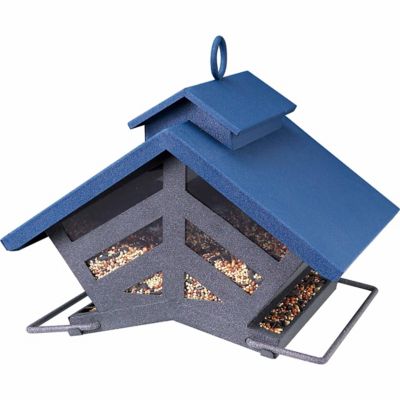
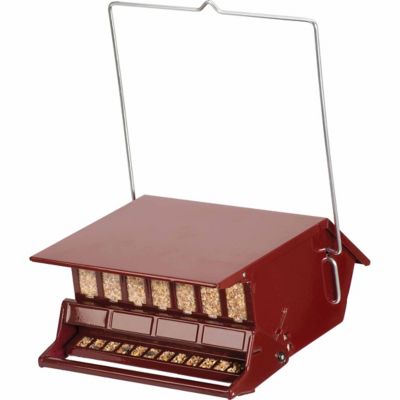
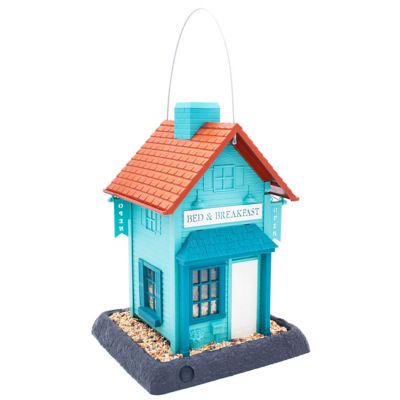
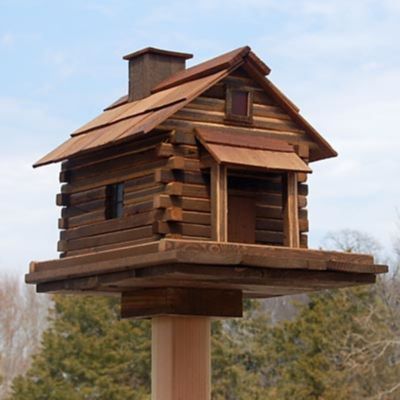
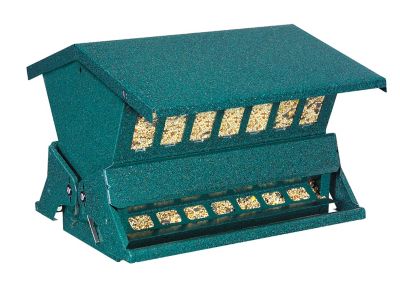
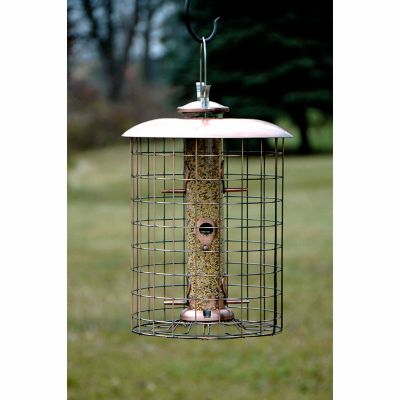
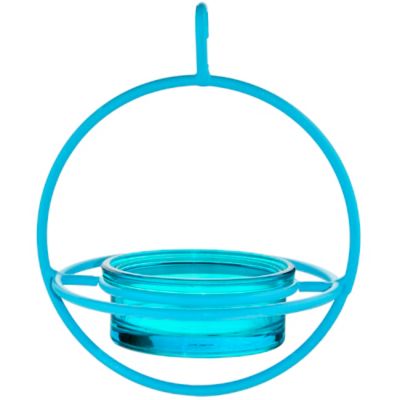
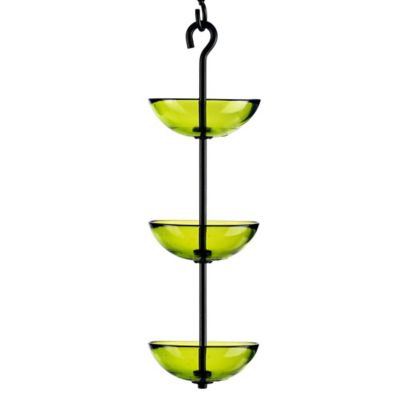
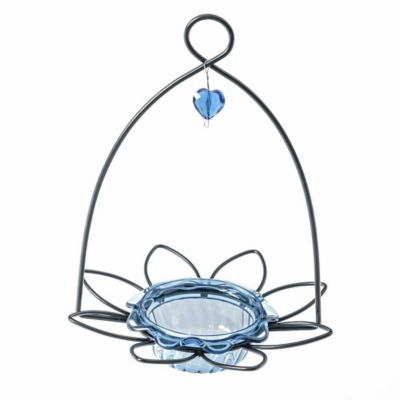
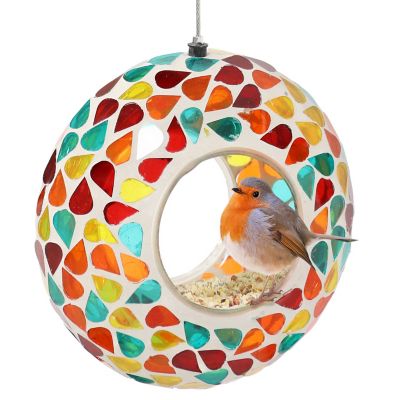
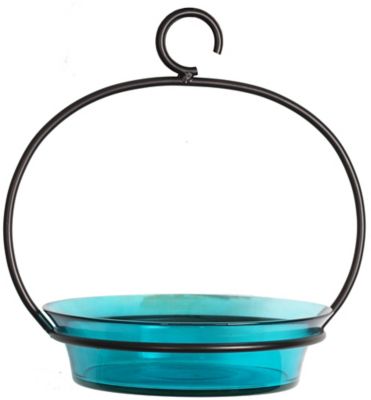
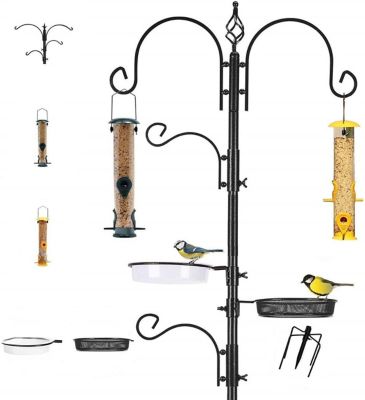
Large bird feeders make it easier to keep a busy backyard flock supplied without carrying out another scoop of seed every morning. With capacities commonly ranging from about 8 to 20 pounds or more, these feeders are a practical choice for rural properties, garden spaces, woodland edges, and any yard where birds gather quickly. A large hopper feeder works well for mixed seed and gives birds a roofed place to eat, while an extra-large platform or fly-through feeder can hold loose seed, peanuts, or suet cakes and give several birds room to feed at once. Tube feeders with multiple feeding ports are another handy option, especially when you want to accommodate a crowd of smaller clinging birds without constantly topping off the reservoir. Look for sturdy construction, a secure lid, well-made perches, and a design that lets you see how much seed remains. Powder-coated metal can stand up to regular outdoor use, while cedar and poly-lumber styles bring a more natural look to the yard. A feeder with a removable tray, lift-off roof, or wide opening is much easier to fill and clean, which matters even more when it holds several days’ worth of food. Hanging feeders need a strong hanger or mounting point, and pole-mounted feeders should have a stable base. Before choosing a size, take a look at the feeding spot itself. A large feeder filled with seed gets heavy, so it should hang from a solid branch, shepherd’s hook, bracket, or post that can handle the load through wind and wet weather. Leave enough open space around it for birds to watch for predators, while keeping nearby shrubs or small trees close enough to provide a quick escape. For more unusual shapes, decorative finishes, and conversation-worthy designs, browse
Unique Bird Feeders alongside large-capacity options.
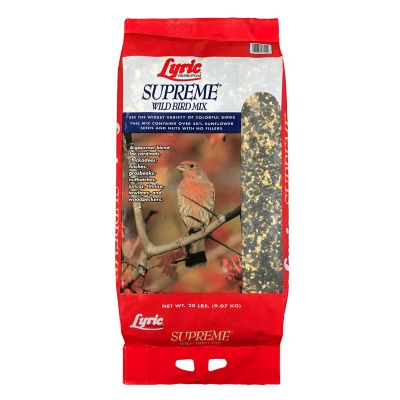
Large feeders are especially useful for people who enjoy watching birds but do not want feeding chores to take over the day. They suit families who like to keep a window-side birdwatching station, landowners with plenty of open space, and anyone who sees a steady stream of cardinals, chickadees, finches, doves, jays, woodpeckers, and other local visitors. They can also make a thoughtful gift for a new homeowner, a grandparent who enjoys nature, a gardener, or a friend who spends cool mornings on the porch with a cup of coffee. A sturdy feeder can become part of the daily rhythm of a place: the first cardinals arriving near sunrise, sparrows fussing in the brush, and a woodpecker gripping the side while seed husks scatter below. When selecting one, consider the birds you hope to attract and choose feed accordingly. Black oil sunflower seed is a dependable choice for many common backyard birds and has a thinner shell than striped sunflower seed, while safflower may appeal to cardinals and can be less attractive to some squirrels. Millet, cracked corn, peanuts, and fruit blends can draw additional species, though loose mixes may create more waste beneath the feeder. Since a large feeder stores a generous supply, avoid filling it beyond what the birds can eat in a reasonable stretch of time. Seed that sits through rain, snow, or damp air can clump, sprout, or spoil. Harder-shelled seeds generally hold up better than soft ingredients, and a roof with a good overhang helps keep the feeding area drier. During the cooler months, a well-stocked feeder can give wild birds a reliable stop when natural foods are harder to find, while a shaded location helps protect seed during warmer stretches. Keep the feeder at a comfortable height for refilling, and think about how you will carry a full hopper from the storage bin to the feeding area before settling on the largest capacity available.
A large supply of seed also calls for a little extra attention to pests, waste, and cleanliness. Squirrels and raccoons are persistent, strong, and surprisingly creative around bird feeders, so a dome baffle on a hanging setup or a wraparound baffle on a pole can help keep them from reaching the food. Position the feeder well away from fences, tree trunks, deck rails, and low branches that give animals an easy launch. Even with good protection, expect some seed to fall. A catch tray can reduce waste and make cleanup easier, but it should not be allowed to stay packed with wet hulls and droppings. Sweep the ground beneath the feeder regularly, move the feeding station when buildup becomes heavy, and remove spoiled or damp seed promptly. Clean the feeder every few weeks, or sooner when it becomes visibly dirty, using the manufacturer’s care instructions. A common sanitizing solution for bird feeders is one part household bleach to nine parts water; rinse every surface thoroughly and let it dry completely before adding fresh seed. Wear gloves while cleaning, wash your hands afterward, and pause feeding if sick birds are appearing around the station so the area can be cleaned and given a break. Check screws, chains, perches, roofs, and mounting hardware from time to time, particularly after strong winds or icy weather. With the right capacity, dependable support, sensible seed choices, and regular care, a large bird feeder can keep the yard lively while cutting down on frequent refills. It is a simple addition that turns an ordinary view out the kitchen window into a front-row seat for the everyday activity of the wild birds living around your property.