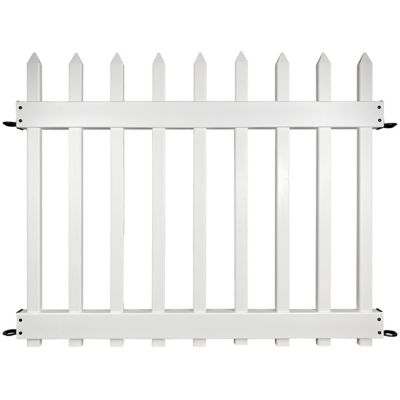
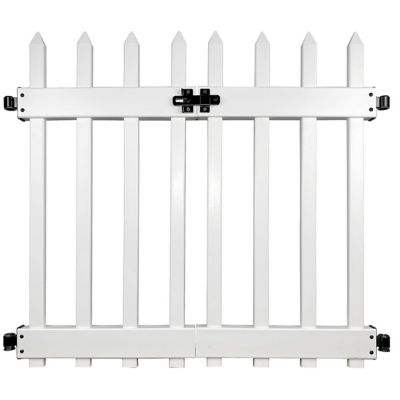
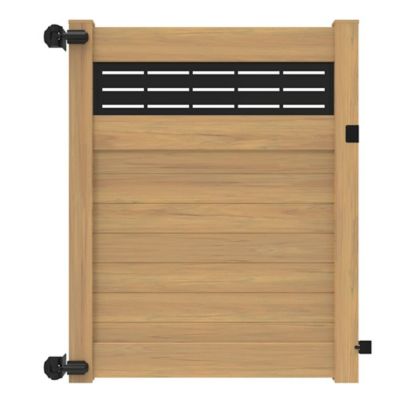
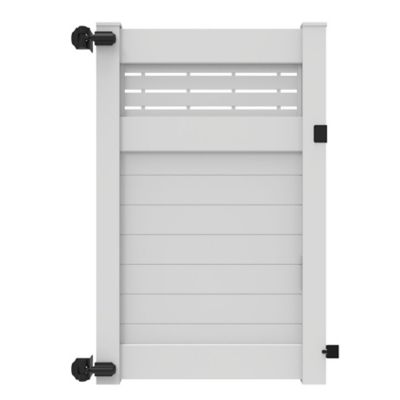
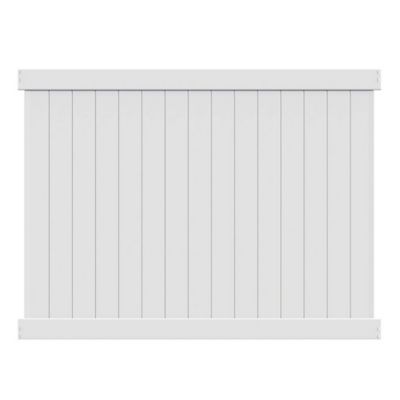
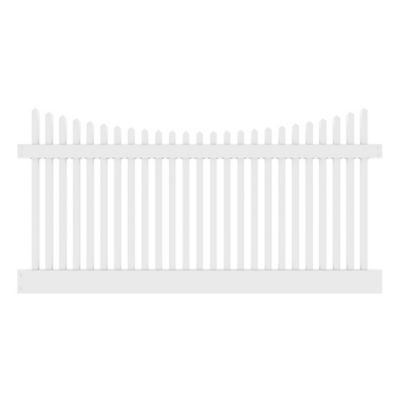
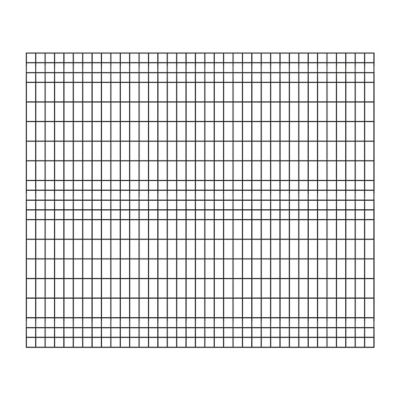
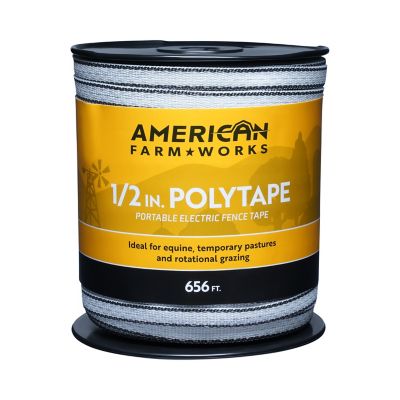
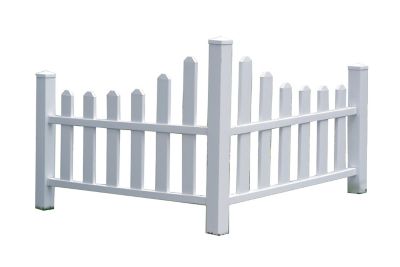
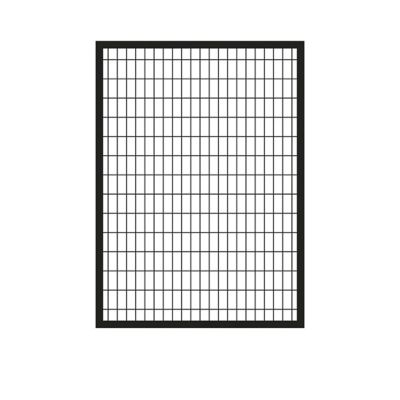
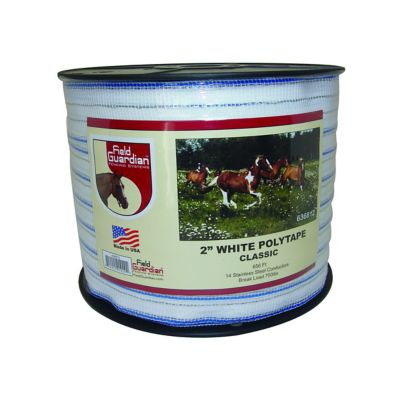
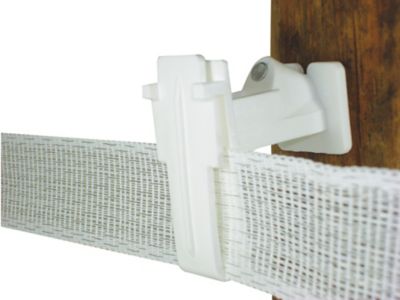
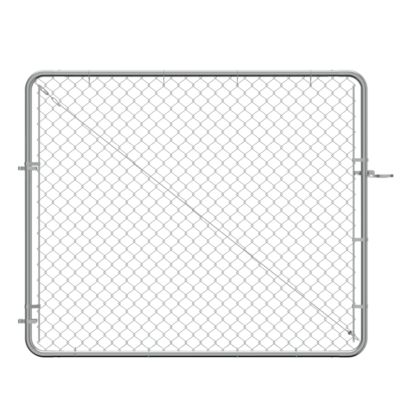
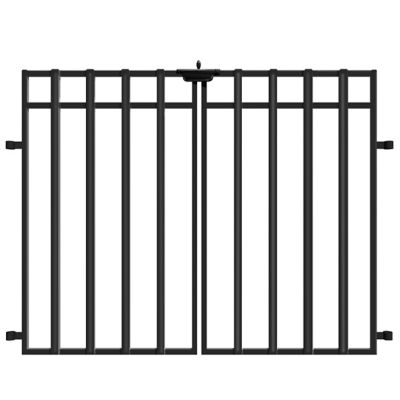
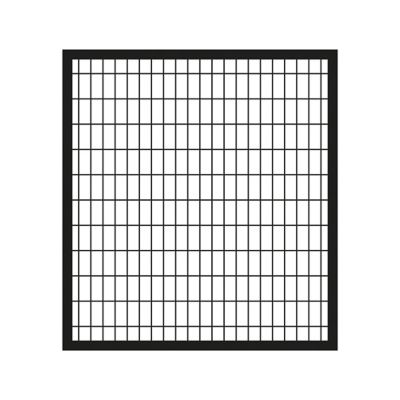
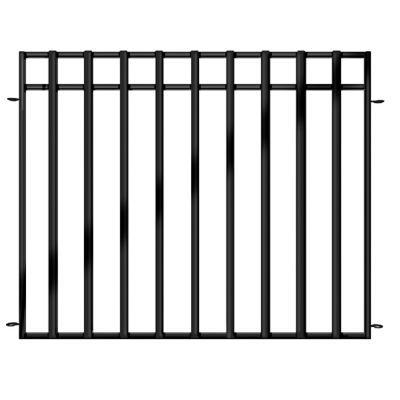
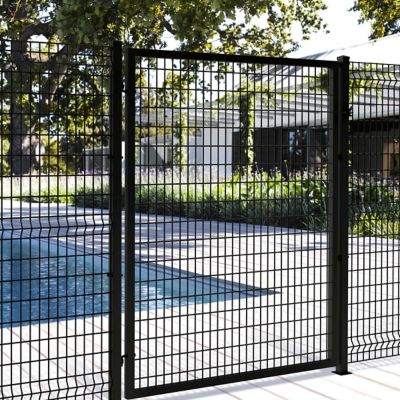
Vinyl fencing is a practical way to add a clean, finished look around a home, farm, garden, pasture edge, or recreational area without taking on the upkeep that comes with painted wood. Made for outdoor use, vinyl fence panels and related parts can help define property lines, create a little breathing room around outdoor living spaces, or keep children and pets closer to home. The bright, even finish works well with everything from a country farmhouse to a newer suburban property, and it pairs naturally with gravel drives, flower beds, barns, detached garages, and wide-open lawns. Many folks choose vinyl because it does not need regular staining or painting, making it a handy choice for busy households and rural properties where there is always another chore waiting. During the warmer part of the year, a finished fence can frame a garden in full growth, keep a play area set apart from driveways and equipment, or give a backyard gathering space a more settled feel. As cooler weather moves in, it can continue to provide a tidy boundary around outdoor storage, animal areas, and yards while standing up to changing conditions. When looking through vinyl fencing options, start by thinking about the job the fence needs to do. A shorter style may be enough to mark a garden or walkway, while a taller design can offer more separation around a patio, pool area, side yard, or busy road. Open picket patterns keep a welcoming, traditional appearance and allow plenty of visibility. Privacy-oriented styles create a quieter backdrop and help block views, wind, or the everyday activity of nearby homes and roads. If you need a coordinated entry point, take a look at
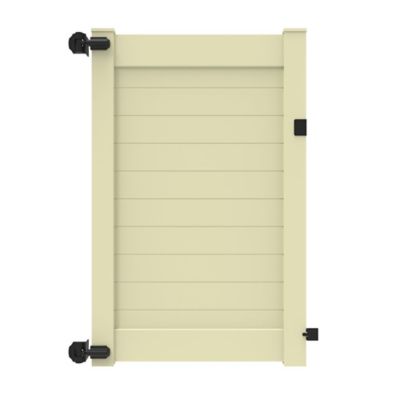
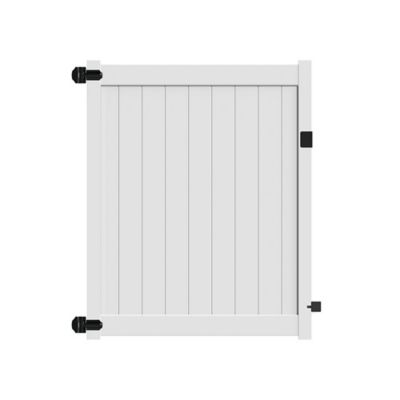
Vinyl Privacy Gates to help complete a private enclosure with a convenient access point.
Before ordering, take a careful walk around the area where the fence will go. Measure the total run, note corners and changes in direction, and mark places where a gate or transition may be needed. A quick sketch on paper can save a lot of head-scratching later, especially when the fence follows a sloped yard, wraps around a shed, or meets an existing fence. Remember to account for posts, rails, caps, brackets, hardware, and any other components required by the fence system you choose. Ground conditions matter, too. Firm, level soil is generally easier to work with than rocky ground, heavy clay, or areas that stay wet after a hard rain. Before digging, check local requirements and property boundaries, and contact the proper utility-locating service so underground lines can be marked. For larger installations, uneven terrain, or fences that need to contain animals, professional help may be a worthwhile investment. Vinyl fencing is often selected for its low-maintenance finish, but a little care still helps it look its best. Dust, pollen, grass clippings, and muddy splashes can collect along the lower sections, particularly near driveways, gardens, and high-traffic gates. In many cases, a garden hose and mild soap are enough to freshen the surface. A soft brush can help with stubborn dirt, while harsh abrasives and aggressive cleaning tools may leave marks or dull the finish. Keep nearby grass, vines, and shrubs trimmed back so plants do not press against the panels or work their way through joints. After strong winds or heavy weather, look over the posts, rails, and gate hardware for movement or damage. Catching a loose connection early is easier than repairing a larger section after it has shifted.
Vinyl fencing can fit a wide range of everyday needs, whether you are improving a small town lot, giving a country home a more polished entrance, or creating useful boundaries across a larger piece of ground. Homeowners often use it to make a dependable perimeter around a yard, separate a dog run from garden beds, or add a little privacy beside a deck. Gardeners may use a low fence to define planting areas and keep foot traffic from crossing tender rows. Families appreciate having a clear boundary around play spaces, while property owners may use fencing to guide visitors toward a driveway or away from equipment, ponds, and work areas. It is also a popular choice for anyone who wants the look of a traditional fence without planning for seasonal paint and stain work. When choosing a style and height, consider the view from both sides of the fence, the color of nearby buildings, and how the finished line will look against the landscape in every season. A simple white fence may stand out sharply against green grass and summer blooms, while a softer neutral tone can blend with fields, timber, stone, or weathered outbuildings. Think about access as well: a fence is only as convenient as its entry points, and a well-placed gate makes it easier to move a wheelbarrow, lawn equipment, feed, or firewood where it needs to go. Keep enough room for doors and gates to swing freely, even when the ground is damp or covered with leaves. With thoughtful planning and routine cleaning, vinyl fencing can give your property a neat, easygoing boundary that looks at home beside a barn, garden, porch, or backyard gathering place.