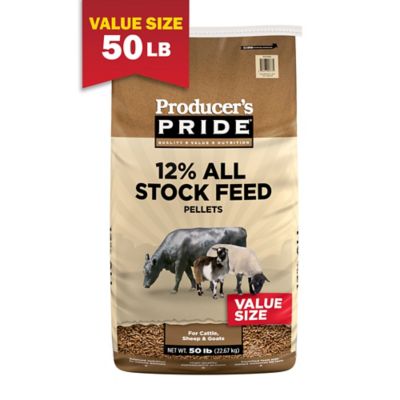
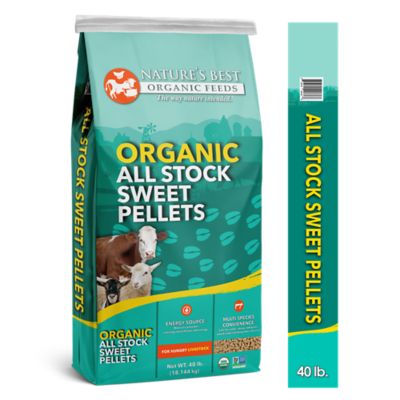
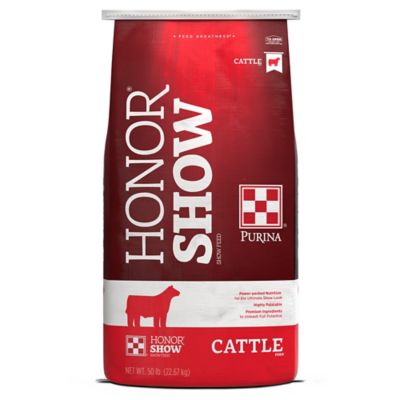
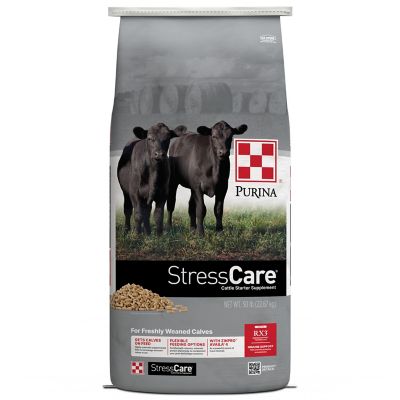
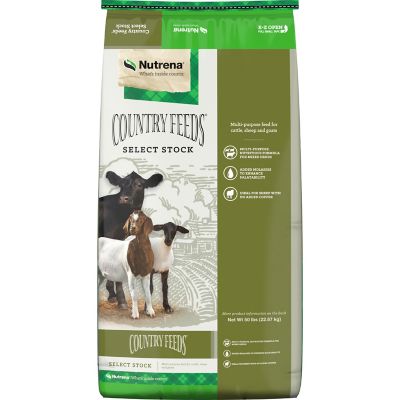
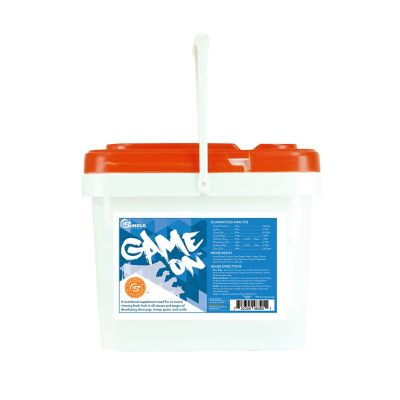
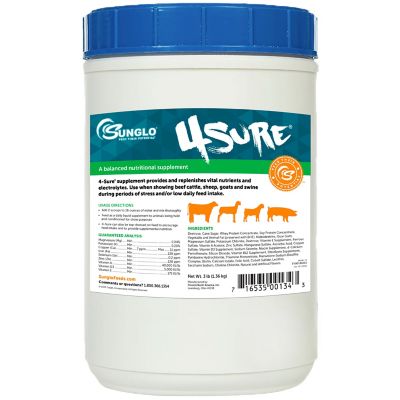
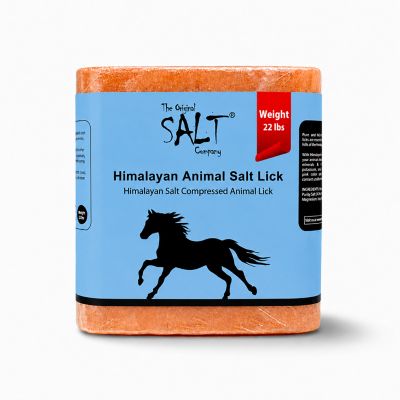
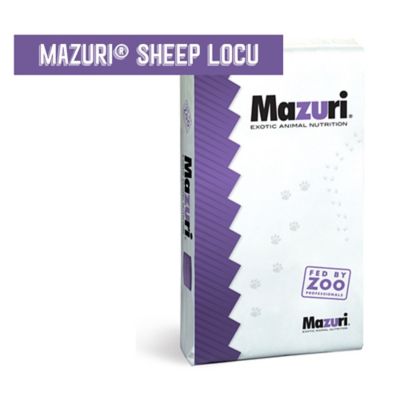
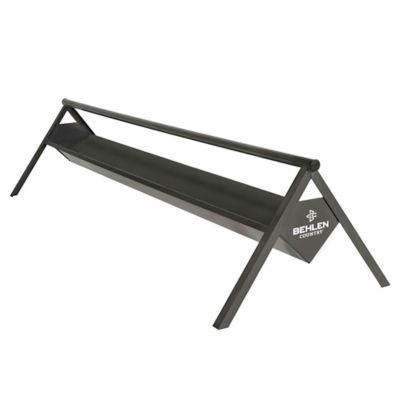
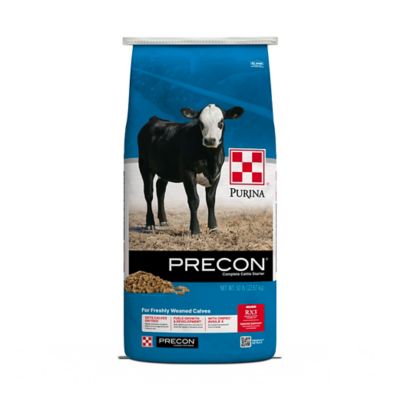
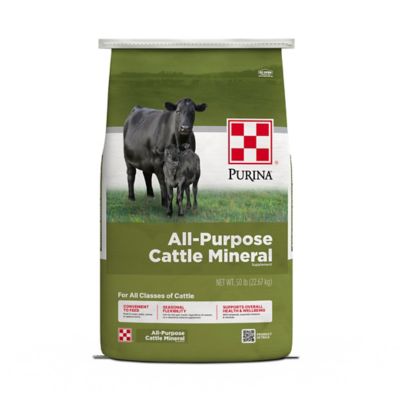
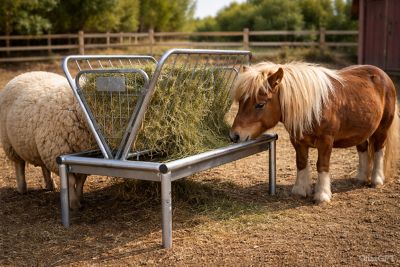
Ruminant feed is made for cud-chewing animals such as cattle, sheep, goats, and other livestock with a specialized four-compartment stomach. Unlike animals that rely mainly on simple digestion, ruminants depend on a busy community of microbes in the rumen to break down plant fiber and turn it into usable energy. That natural process is why forage remains the foundation of a sound feeding program. Grass, hay, silage, and other fiber-rich feeds encourage animals to chew, produce saliva, and maintain the steady rumen activity that supports digestion. During the warmer part of the year, pasture may provide much of that roughage, while stored forage becomes more important as grazing slows or fields become less productive. As cooler weather settles in, keeping clean, good-quality forage available can help cattle, sheep, and goats maintain condition and stay comfortable through changing temperatures. Ruminant feed may also include concentrated sources of energy and protein, digestible fiber from plant-based by-products, and vitamin or mineral supplements designed to help fill nutritional gaps. These options can be useful for a family with a few goats, a small sheep flock, a cattle operation, a 4-H project, or anyone caring for livestock at home. The right choice depends on the animal’s species, age, size, production stage, forage quality, and body condition. A growing animal, a mature animal being maintained, and an animal carrying young will not all have the same nutritional needs, so feed should be selected with the whole ration in mind rather than used as a one-size-fits-all solution.
When comparing ruminant feed, start by looking at the role it will play in the daily diet. Forage-based feed supports the chewing and rumination that help keep the rumen working properly, while more concentrated feed can add calories or protein when pasture or hay alone does not meet demand. Breeding animals, nursing mothers, growing livestock, and animals recovering from poor body condition may need a carefully balanced ration with different nutrient levels than mature animals at maintenance. For more help finding options suited to animals involved in a breeding program, visit
Livestock Feed For Breeding. Always check the feeding directions, intended species, guaranteed analysis, serving size, and any age or production-stage guidance on the label. Introduce changes gradually over several days instead of switching suddenly, especially when adding a richer feed to an established forage diet. A sudden increase in rapidly fermentable feed can upset rumen function and contribute to acidosis, while too little effective fiber may reduce chewing and saliva production. Fresh, clean water should be available at all times, and feed should be stored in a dry, secure place away from rodents, moisture, and wild animals. It also helps to keep feed off the ground and use clean storage containers so the ration stays palatable and free from mold or contamination. When several animals share a feeder, provide enough access to limit crowding and watch for quieter animals being pushed away. A simple daily check of appetite, manure consistency, coat condition, rumination, and body condition can reveal changes before they become bigger problems. For questions about a particular herd or flock, a veterinarian, livestock nutritionist, or local extension professional can help match feed to forage testing and production goals.
Good ruminant care is often built from small, steady routines: a fresh portion of forage, a clean trough, a shaded resting spot, and a close look at how each animal is eating and moving. Rumen microbes ferment plant cell walls and produce volatile fatty acids, which supply much of a ruminant’s daily energy, so keeping that fermentation stable matters from one season to the next. A coarse, fiber-rich base can support normal rumination, while properly chosen supplements can help address differences in pasture quality, workload, growth, pregnancy, lactation, or weather-related stress. During late summer and into the cooler months, animals may face changing pasture moisture, declining forage quality, or increased demand for stored feed, making it a good time to review inventory and check that the ration still fits the herd. Keep an eye on hay freshness, dust, texture, and leaf content, and avoid feeding anything that smells musty or shows signs of spoilage. Feed can also be a thoughtful, practical gift for a neighbor with goats, a young livestock exhibitor, or a friend caring for a small homestead herd, particularly when paired with other everyday animal-care essentials. Even so, the most useful choice is one that matches the recipient’s animals and current feeding plan. Whether you are topping off a feeder for a few backyard goats or planning a consistent ration for a larger cattle or sheep operation, dependable ruminant feed helps support the natural digestive system these animals rely on. With sound forage, appropriate nutrients, gradual changes, and regular observation, you can build a feeding routine that keeps livestock in good condition and makes daily chores run a little smoother.