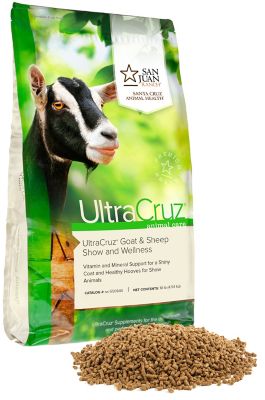
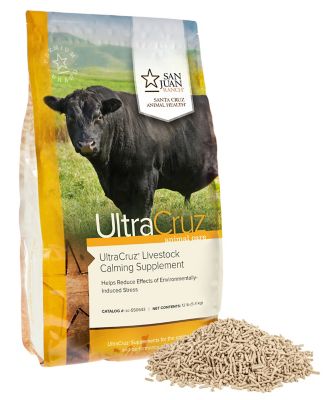
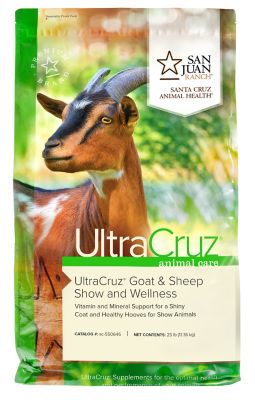
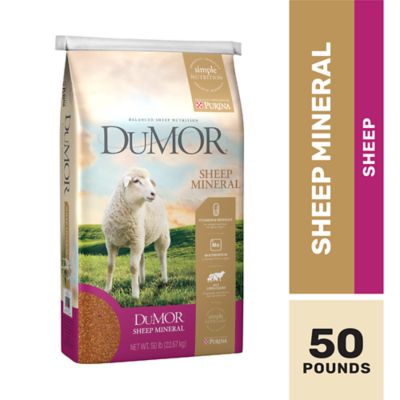
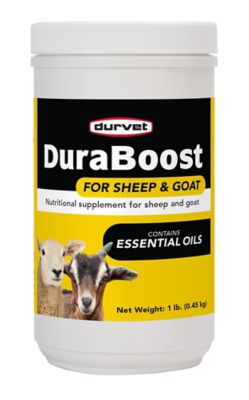
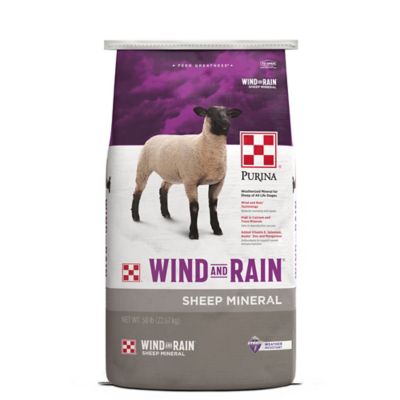
Sheep supplements provide minerals, vitamins, protein, energy, or other targeted nutrients to help fill gaps in a flock’s feeding program. Depending on the formula and intended use, they can support growth, reproduction, milk production, and normal immune function alongside forage, balanced feed, and clean water. Those needs look different for a few pasture sheep, a group of growing lambs, and a breeding flock with ewes nursing twins. A supplement that fits one group may add nutrients another group already gets in its daily ration. That makes the complete diet—not just the supplement label—the starting point for a good match. Forage analysis, feed tags, water testing when warranted, and advice from a veterinarian or livestock nutritionist can help identify what is missing without piling on extras. Sheep mineral supplements often include salt, calcium, phosphorus, and trace minerals, with some formulas also supplying vitamins. Salt alone does not provide a complete mineral program, and a general livestock mineral is not automatically suitable for sheep. Copper deserves particular attention: sheep need this essential nutrient, but excess intake can build up in the liver and cause serious poisoning. A sheep-specific label and consideration of copper from every part of the ration matter more than a familiar bag color or a formula that works for another species. Operations managing several kinds of livestock may also compare
Cattle Feed Supplements, but cattle formulas belong in a separate feeding plan unless a veterinarian or nutritionist confirms they suit the sheep’s diet. Selenium also calls for care because requirements vary with local feed and soil conditions, and too much can be toxic. Vitamins A, D, and E may be relevant when the base ration does not supply enough, but more is not always better. For rams and wethers, calcium and phosphorus balance across the entire ration, along with water intake, deserves attention because feeding practices can influence urinary stone risk. Mineral selection works best as part of that bigger picture rather than as a stand-alone fix.
Protein and energy supplements serve a different purpose from mineral supplements, even when a formula combines several nutrient sources. Their role is to complement forage or another base ration when that feed does not meet the flock’s requirements. A ewe carrying multiple lambs has different demands from a mature sheep maintaining body condition, and a growing lamb needs a feeding program that supports steady development without abrupt changes. Pellets, meals, and tubs can fit different feeding arrangements, but the nutrient analysis, feeding directions, and species designation are what establish their intended role. A tub placed near the hay rack is not necessarily interchangeable with a measured supplement mixed into feed. Some formulas depend on controlled daily feeding, while others are labeled for free-choice access; those directions affect both placement and oversight. For sheep, the protein source matters, too, since not every cattle-oriented protein supplement is appropriate for the flock. Products containing nonprotein nitrogen, including urea, need particular scrutiny and should not be substituted into a sheep ration without qualified advice. Body condition, forage intake, and changes in production help show whether the overall program is meeting its goals, though poor growth or weight loss can also point to parasites, dental trouble, or illness rather than a simple nutrient shortage. Lambing brings another category into focus: colostrum support. Newborn lambs depend on prompt colostrum intake for energy and passive immune protection. Colostrum supplements and colostrum replacers are not the same thing. A supplement generally adds to the colostrum a lamb receives, while a replacer is formulated to serve as an alternative when adequate maternal colostrum is not available. Label directions and veterinary guidance are especially important when a ewe has little milk or a lamb cannot nurse. Electrolyte and digestive-support formulas have their own roles, but they do not replace an assessment of a weak, scouring, or off-feed animal. These categories serve practical needs around the lambing pen, not as blanket additions for every sheep.
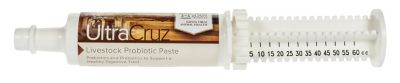
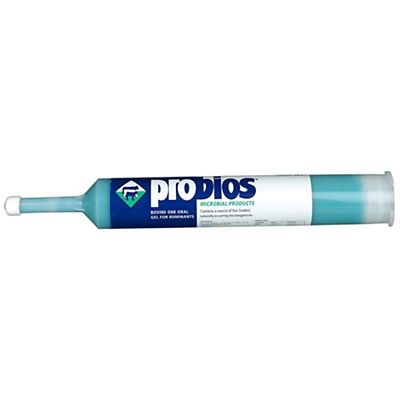
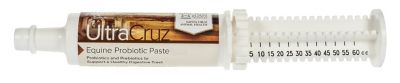
Form and feeding setup make a real difference in day-to-day chores. Loose minerals, blocks, tubs, powders, pastes, and liquids involve different ways of measuring, offering, and monitoring intake, so the best fit depends on the label and the flock’s routine. A measured supplement can work well where sheep come to a bunk each day, while a free-choice mineral program calls for regular checks of consumption and feeder access. Individual sheep do not necessarily eat the same amount, and dominant animals can crowd quieter flockmates away from a small feeding space. Enough room, sensible feeder placement, and separation of groups with different needs help make the feeding program easier to manage. Feeders and containers with smooth, cleanable surfaces simplify removal of manure, bedding, and old feed; lids and sound closures help keep supplements dry and limit contamination. Moisture can cause caking or spoilage, while torn packaging makes spills and mix-ups more likely. Storage instructions, expiration dates, and lot information matter, especially for formulas containing vitamins or live microorganisms. Keeping supplements in their labeled containers, or retaining the full label with a dedicated storage bin, preserves feeding directions and safety information. Separate scoops and clearly marked containers are particularly helpful in barns where cattle, goats, horses, and sheep all have their own rations. Concentrated formulas may require only a small serving, making the specified measuring method important; a coffee can or handful is no substitute for a label-based measure. Changes to the feeding program should follow product directions and the flock’s nutritional plan, with attention to appetite, manure consistency, body condition, and actual consumption. Simple records of how much supplement goes into a feeder and how long it lasts can reveal a change worth checking. For backyard keepers, small-acreage farmers, and larger sheep operations alike, the most useful supplements have a clear job in the ration, fit the animals being fed, and work with a feeding routine that can be maintained every day.