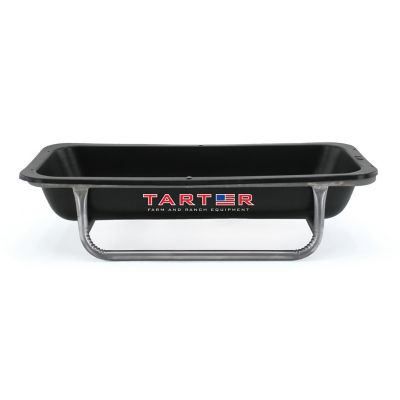
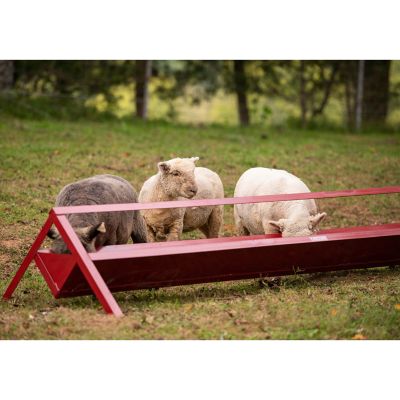
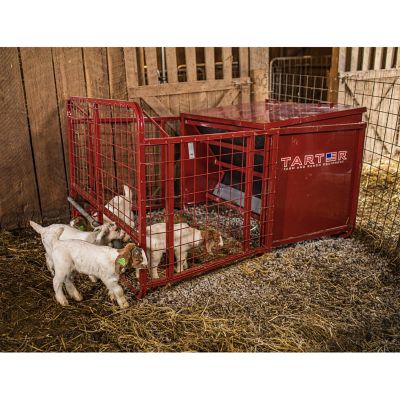
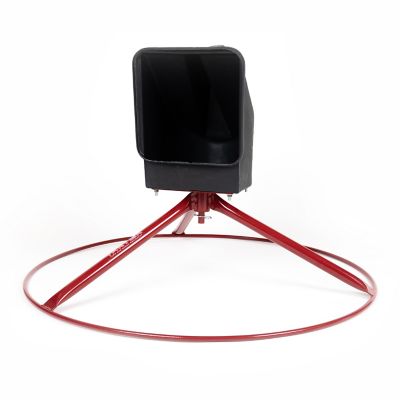
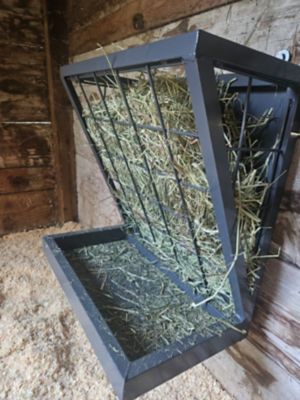
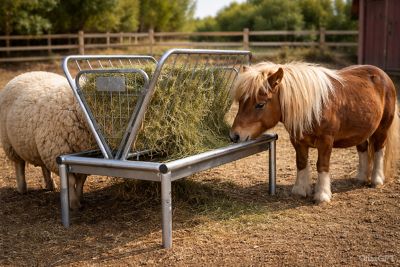
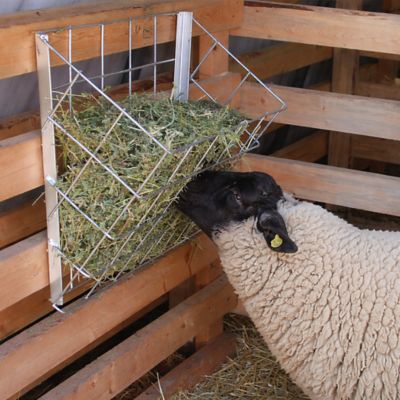
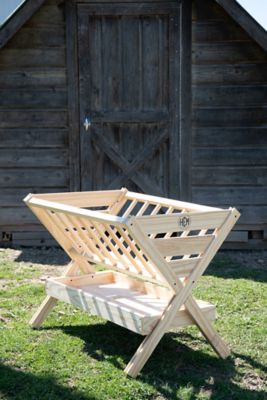
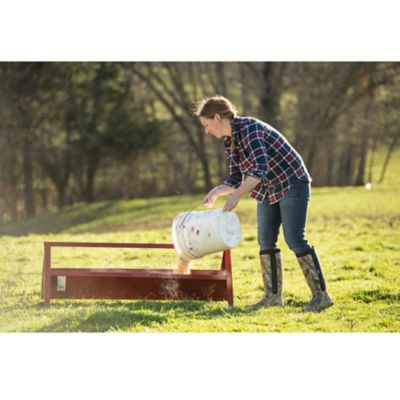
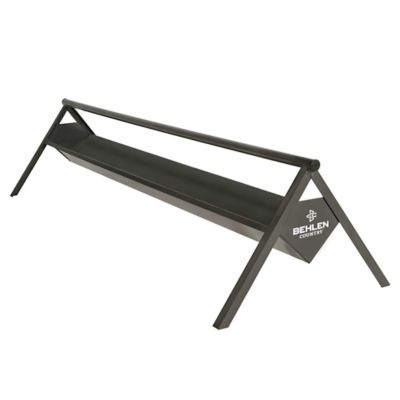
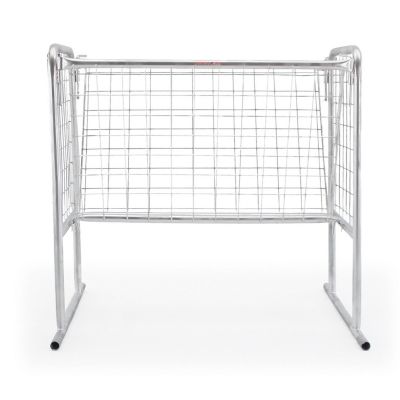
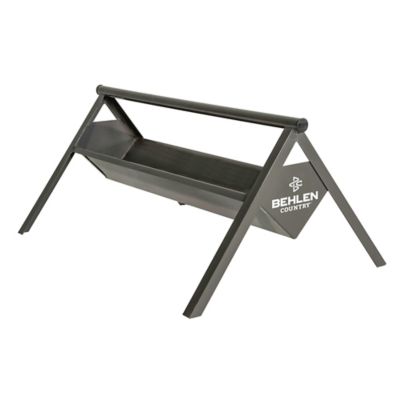
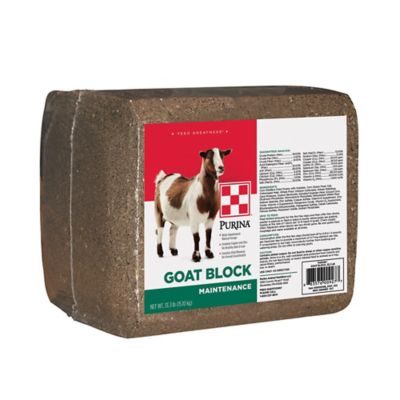
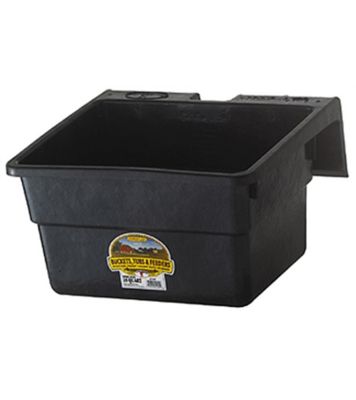
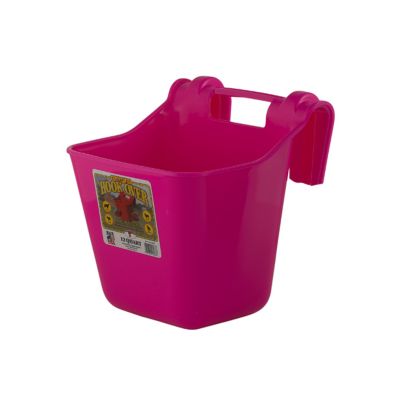
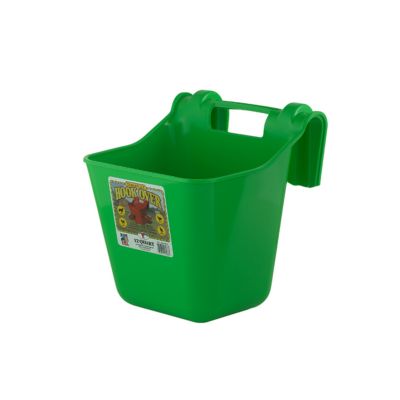
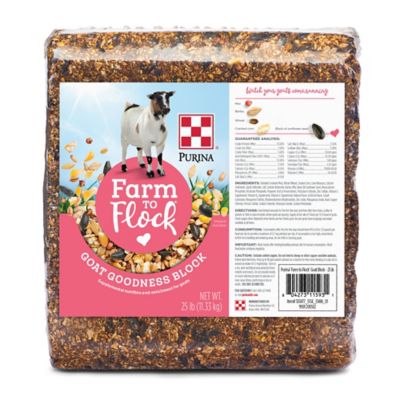
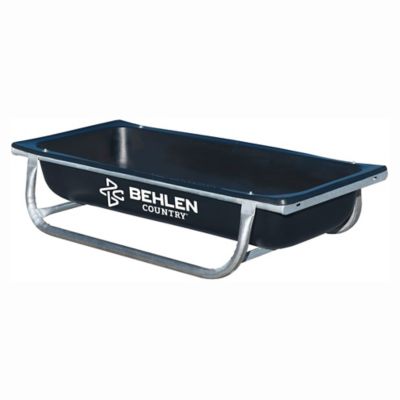
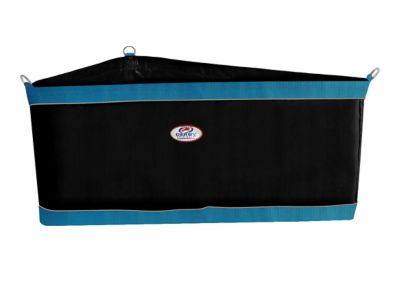
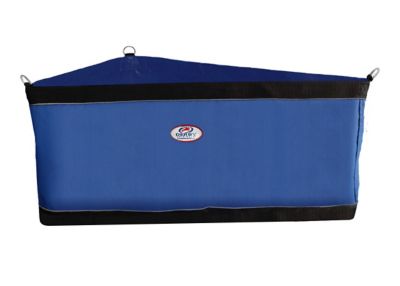
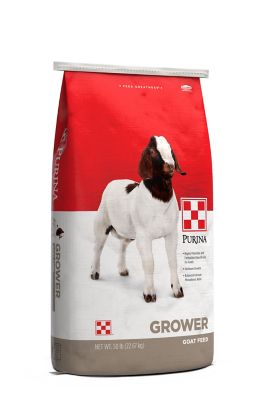
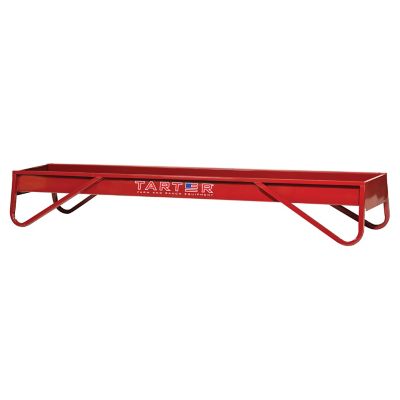
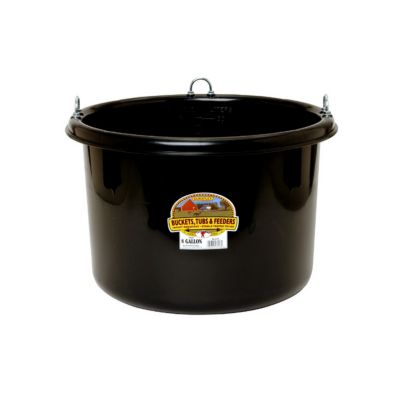
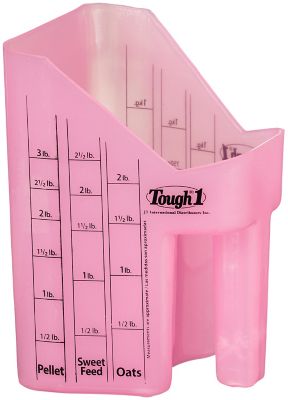
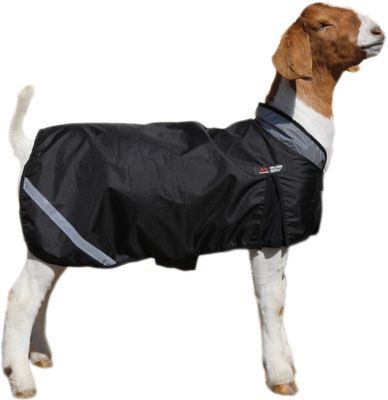
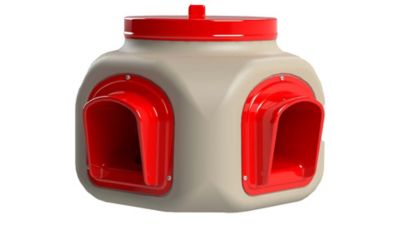
Goat feeders hold hay, grain, or minerals in a designated feeding space, helping keep feed off the ground and limit waste and contamination from manure and bedding. For a few goats behind the barn or a larger dairy or meat herd, the right setup gives animals room to eat while making feeding chores easier to manage. Different feeds call for different feeder designs. Hay racks hold forage within reach without leaving the whole serving underfoot, while troughs and feed pans provide space for measured portions of grain or other concentrates. Mineral feeders offer a separate place for loose minerals, with designs that help keep the contents clean and accessible. Those differences matter when a goat grabs a mouthful of hay, noses through a ration, or tries to climb into the feeding area. A feeder should suit both the feed going into it and the animals reaching for it. Small kids, full-grown dairy goats, and broad-bodied meat goats do not all need the same feeding height or opening size. Horns add another consideration: openings and rails should allow comfortable access without creating places where a head or horn can become trapped. Herd size matters, too, but capacity alone does not tell the whole story. A large hay holder may carry plenty of forage while still offering too few feeding positions for the group. Enough access points, or more than one feeding station, can help keep a bossy goat from crowding a smaller herd mate away from its meal. Backyard livestock keepers, breeding operations, and families raising project animals all benefit from equipment that fits their daily routine. Hay feeders support forage feeding, while grain feeders make individual portions easier to manage when animals need different rations. The feeder holds the meal; the amount and type of feed still depend on the goat’s age, condition, production stage, and guidance from a veterinarian or livestock nutrition professional. A clear view of the feeding area also makes it easier to notice a goat that hangs back or leaves its ration untouched.
Materials, mounting style, and construction all affect how goat feeders fit into a pen or barn. Molded plastic can be lighter to carry and straightforward to rinse, while steel construction can provide weight and support for larger feeding setups. Galvanized finishes and other protective coatings help shield metal surfaces, though scratches, worn areas, and exposed edges still need attention. Smooth feeding surfaces matter wherever a goat’s muzzle, neck, or shoulders make contact. Welds, corners, and mounting hardware should be free of sharp points, and any coating should be suitable for the equipment’s intended livestock-feeding purpose. Wall-mounted feeders can leave more floor space open, but their supports need to handle the feeder’s filled weight along with the pushing and rubbing that goats bring to the job. Fence-mounted styles need a compatible fence and secure attachments; a loose hook or shifting panel can turn a simple feeding spot into a trouble spot. Freestanding feeders need a stable base and enough space around them for animals to approach and move away without getting boxed into a corner. Feeding height is just as practical as overall size. Feed should be within comfortable reach, with the design discouraging goats from standing in the ration or pulling large amounts onto the floor. Raising a feeder is not helpful if younger or smaller animals cannot reach it safely. Openings should also discourage climbing without creating pinch points or trapping legs. For hay, the relationship between rack spacing and forage matters: overly wide gaps can let handfuls fall through, while a restrictive design can make eating difficult. A catch tray may help contain loose pieces, provided its contents stay clean. For grain and minerals, smooth interiors and accessible corners make leftover feed easier to remove. A feeder that fits through the pen gate and leaves room for a bucket, broom, or wheelbarrow is often a better match for everyday chores than one that simply holds more.
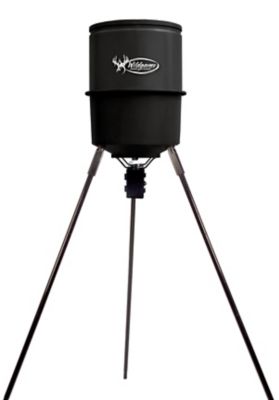
Care and placement help goat feeders keep doing their job through repeated filling, cleaning, and contact with the herd. A spot away from bedding piles and manure buildup gives feed a cleaner starting point, while firm footing helps goats stand comfortably at the trough or rack. Keeping feeding equipment clear of gates and narrow travel lanes also reduces crowding when animals move through the pen. Easy access from the feed room can save steps, but convenience should not put a feeder where a swinging gate can strike it or where animals gather too tightly. For shared pens, several feeding spaces can give timid goats a fairer chance at their ration, especially when the group includes different sizes or ages. Separate feeding areas may make more sense when individual portions need close attention. Routine care includes removing soiled hay, clearing leftover grain before it spoils, and checking mineral holders for clumps or contamination. Wash feeding surfaces as appropriate for the material and allow them to dry before adding fresh feed. Removable pans, open access, and simple shapes can make that work less of a chore, particularly when a feeder needs cleaning between groups of animals. Hardware deserves the same regular attention as the feeding surface. Loose bolts, cracked plastic, bent rails, rough edges, or worn attachment points can affect both safety and function, even when the feeder still looks serviceable from across the pen. Keeping feed containers protected from rodents and limiting wildlife access also supports cleaner feeding routines. If your property has a separate wildlife feeding area, keep
Deer Feeders and livestock feeding setups apart to help limit contact between wildlife and the herd. Whether the job calls for a compact mineral holder, a shared grain trough, or a roomy hay rack, the best fit comes down to safe access, manageable cleaning, sensible capacity, and construction that stands up to daily goat traffic. Less feed underfoot and fewer obstacles at mealtime make a noticeable difference around the barn.