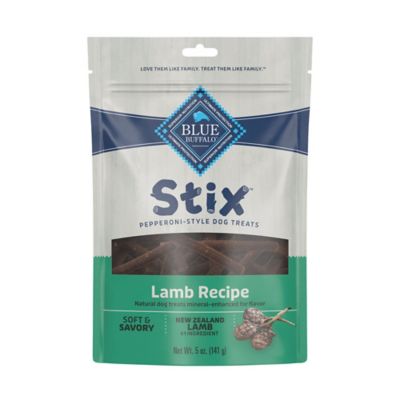
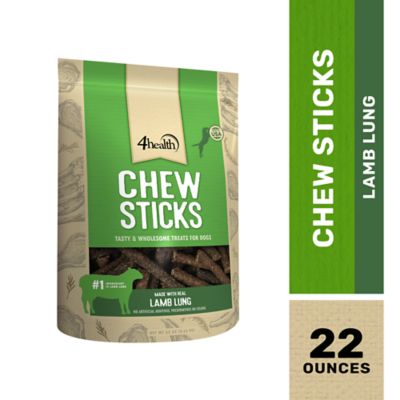
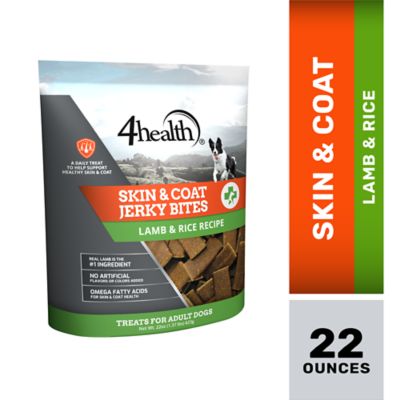
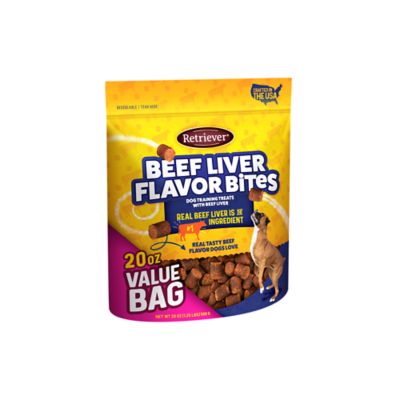
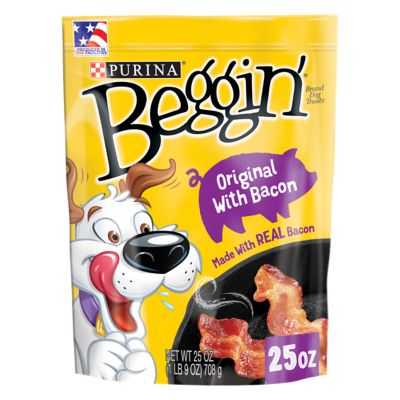
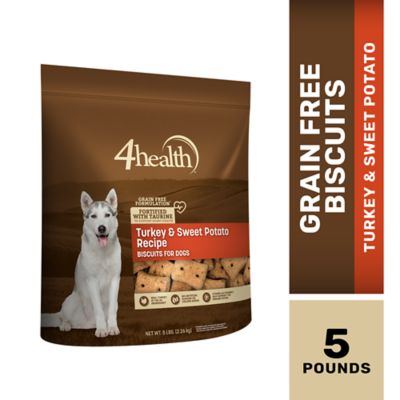
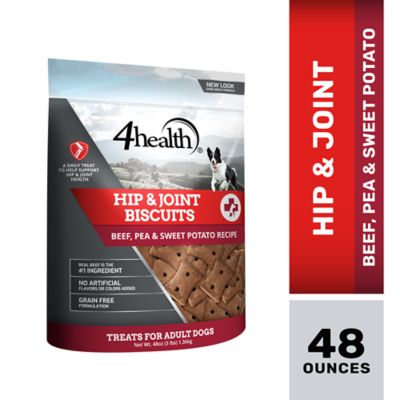
Lamb dog treats give pet parents a flavorful way to reward good behavior, add variety to the treat jar, or share a small bite of something special with a four-legged friend. Made with lamb as a main ingredient, these treats come in a range of textures and sizes, including soft training bites, crunchy biscuits, chewy strips, jerky-style pieces, and freeze-dried morsels. That variety makes it easier to find a treat that fits your dog’s habits and your routine. A small, soft piece can be handy during obedience practice, leash training, grooming, or a trip to the feed store, while a firmer biscuit may give a dog something satisfying to work on after a long walk around the property. Freeze-dried and single-protein options are often appealing to owners who prefer a simple ingredient list or are trying to limit the number of proteins in their dog’s diet. Lamb can also be a useful alternative for dogs that do not do well with more common proteins such as chicken or beef, although every dog is different and a food sensitivity should be discussed with a veterinarian. A novel protein is not automatically allergy-proof, and it is wise to introduce any new treat slowly while watching for changes in digestion, skin, ears, or energy. For shoppers comparing lamb dog treats, start with the ingredient panel and look for clear labeling that explains the protein source, added ingredients, and intended life stage. Treats made with recognizable ingredients can make it easier to understand what is going into the bowl, especially when your dog already eats a carefully selected food. Some recipes include grains, fruits, vegetables, or added vitamins, while others keep things very simple. Neither approach is right for every dog, so consider your pet’s regular diet, known sensitivities, chewing style, and favorite textures before filling the cart.
The right size and texture matter just as much as the flavor. Tiny dogs and puppies generally need small pieces that are easy to chew, while larger dogs may enjoy a bigger biscuit or a substantial jerky-style treat. Even with large breeds, treats should be an appropriate size for the dog’s chewing habits, and pets should be supervised while eating anything firm, chewy, or unfamiliar. Senior dogs or dogs with dental trouble may do better with soft lamb treats that can be broken into smaller portions. For training, look for pieces that can be delivered quickly without interrupting the lesson. A treat that crumbles neatly or can be torn into several rewards helps stretch a handful through repeated sits, recalls, kennel work, or calm behavior around visitors and livestock. High-value lamb treats can also help make stressful situations feel more manageable, such as a nail trim, a ride in the truck, or a visit to the veterinarian. Keep the pieces small enough that your dog stays interested without filling up before mealtime. Treats are meant to supplement a complete, balanced diet, so check the calorie information when it is available and follow the feeding guidance on the package. Dogs that are watching their weight may do best with smaller rewards, while active working dogs may have different needs. Fresh water should always be available, and treats should be stored according to the package directions so they stay tasty and safe. Resealable packaging is useful in a busy household, especially when treats travel from the kitchen counter to a coat pocket, tack room, or training bag. During the cooler months, lamb dog treats can be a welcome reward after an outdoor romp, a muddy chore alongside you, or a quiet afternoon spent curled up by the back door. They also make a thoughtful gift for a neighbor’s new puppy, a hunting companion, a farm dog that puts in long days, or the older family dog that still perks up at the sound of the treat jar.
When choosing among lamb dog treats, match the recipe and format to the dog in front of you rather than buying by flavor alone. Check whether the treat is intended for puppies, adult dogs, or all life stages, and take extra care with dogs that have a history of pancreatitis, digestive upset, food allergies, or other health concerns. Rich treats, including some meat-forward and jerky-style varieties, may not suit every stomach. Introduce them one at a time and begin with a small portion so you can tell how your dog responds. It is also helpful to keep a simple count of daily rewards, particularly when several people in the household enjoy spoiling the dog. A few bites from a child, a training reward from a family member, and a snack after chores can add up faster than expected. Store the bag where curious noses cannot reach it, and avoid giving dogs treats that contain ingredients unsafe for them. If your dog enjoys both lamb and other meat proteins, rotating flavors can keep training fresh, but dogs with suspected sensitivities may benefit from a more consistent ingredient plan guided by a veterinarian. Shoppers comparing options may also want to browse
Beef Dog Treats for another protein choice, while keeping track of which recipes agree with their dog. Whether you are rewarding a young pup for finally settling in the crate, thanking an old farm dog for staying close during chores, or packing a few snacks for a cool-weather walk, lamb treats offer a practical way to build positive routines and show affection. Choose a texture your dog can handle, a size that makes sense, and an ingredient list you feel good about keeping in the treat bin.