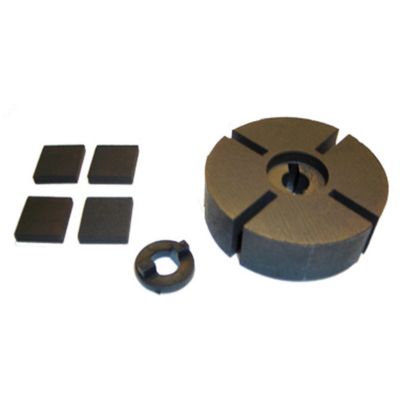
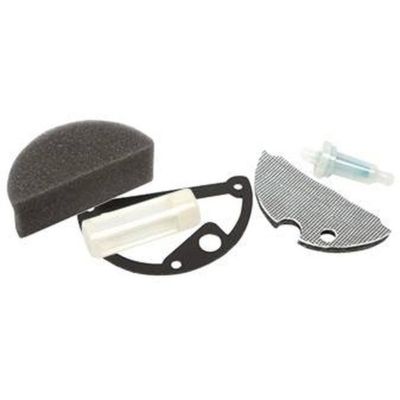
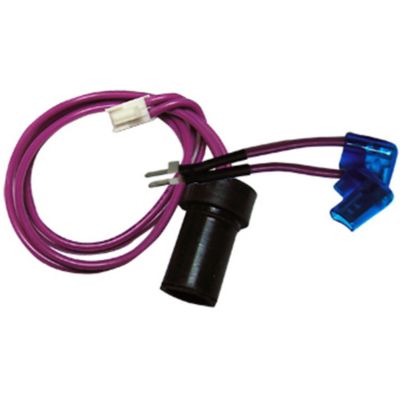
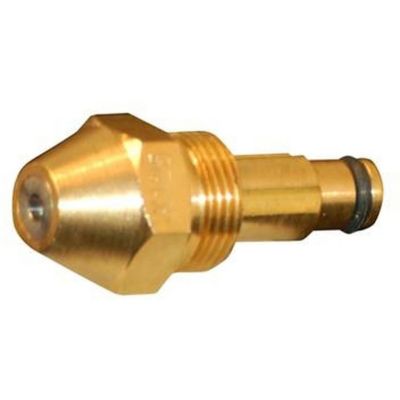
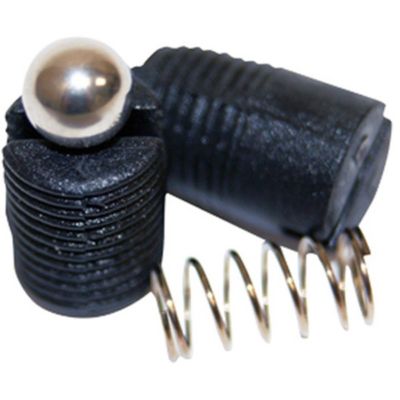
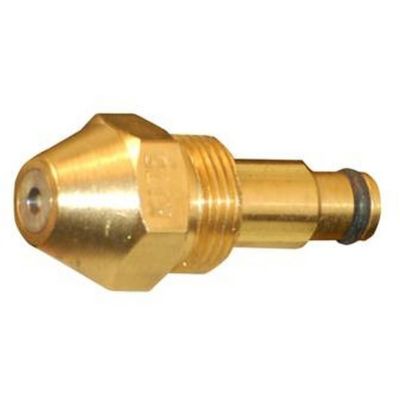
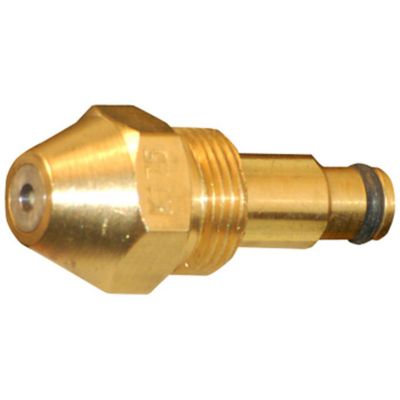
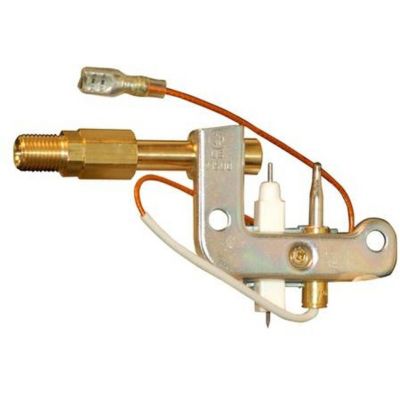
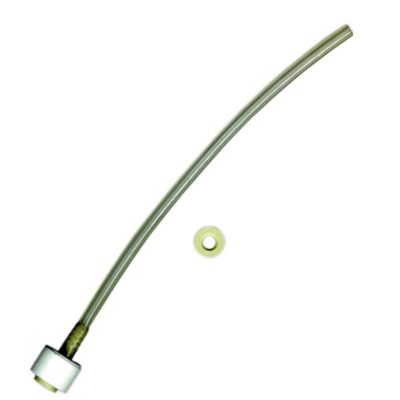
Kerosene heater parts are replacement components that support a heater’s fuel delivery, ignition, combustion, airflow, and safety systems. Depending on the heater’s design, these can include wicks, igniters, fuel caps, gauges, filters, nozzles, flame sensors, motors, and fans. The right match starts with the heater type and model, not just the appearance of the old part. A wick-fed radiant or convection heater works differently from a forced-air kerosene heater, so components generally are not interchangeable between those designs. Wick heaters draw fuel toward the combustion area through absorbent material, while forced-air models typically combine fuel delivery, ignition, and powered airflow to send heat across an approved space. For folks keeping equipment ready through the cooler months, those differences matter as much as the heater’s size. A replacement wick might belong in a portable heater approved for a particular indoor setting, while a nozzle or air pump filter may belong in a forced-air unit intended for well-ventilated work areas. Matching parts to the model number, series, and manufacturer’s part reference helps narrow the choices, especially when two heaters look nearly alike but have different internal assemblies. Heat output alone does not establish compatibility, and even heaters within the same model family can have production changes. Measurements, mounting points, electrical connections, and fuel-system specifications all play a role in fit. The heater’s identification label and parts diagram provide a better foundation for shopping than a quick visual comparison. Homeowners, equipment owners, and folks responsible for a shop or outbuilding may keep replacement components on hand for planned maintenance, but combustion heaters still need an appropriate operating location. Manufacturer instructions determine where a heater can run, how much ventilation it needs, and its required clearance from combustible materials. Replacement parts restore a specified function; they do not make a heater suitable for a different setting or remove the need for ventilation and carbon monoxide precautions.
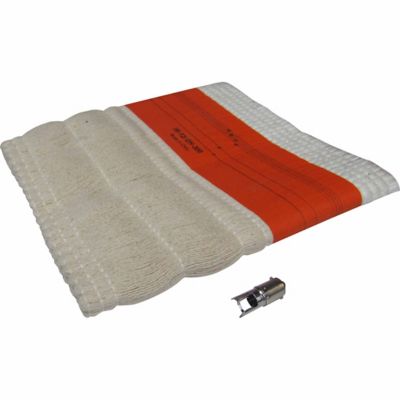
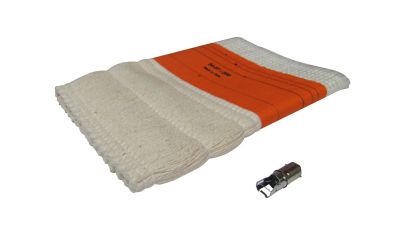
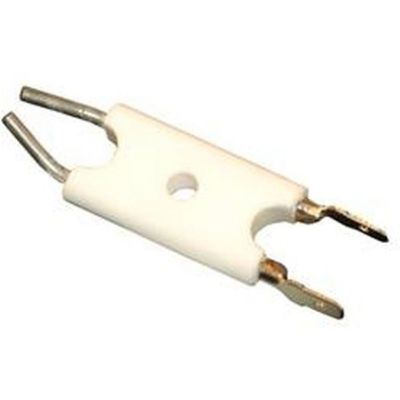
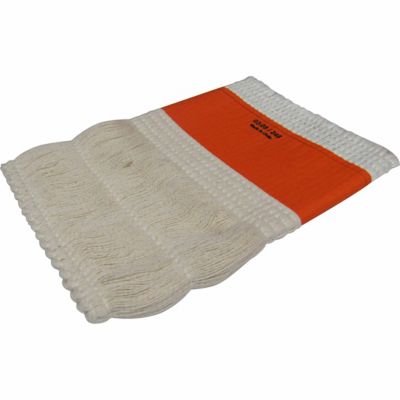
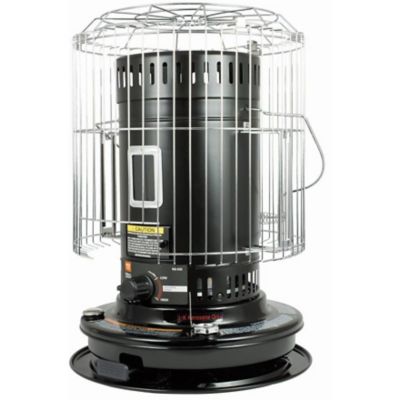
For wick-style kerosene heaters, the wick is central to steady fuel absorption and an even flame. Replacement wicks may contain cotton, fiberglass, or a combination of materials, with construction and dimensions matched to the heater’s lifting mechanism and combustion assembly. Height, thickness, diameter, and locating features can affect how the wick sits and moves, so a close-looking substitute is not necessarily a proper fit. A wick with hardened deposits or uneven wear may contribute to poor operation, although smoke, odor, or an irregular flame can also point to fuel or maintenance concerns rather than a single worn component. Igniters supply the heat needed to light the wick on models equipped with an ignition system. Their shape, mounting arrangement, and electrical requirements need to match the original design; batteries and contacts can also affect whether that system works. Fuel caps, seals, tank gauges, and receiving components serve different purposes around the fuel reservoir. A cap and its specified seal help close the tank as designed, a gauge indicates the fuel level, and receiving components on some removable-tank heaters help control fuel transfer when the tank is seated. These pieces can look simple, but thread patterns, seal materials, and valve arrangements matter wherever kerosene is present. On models with a glass combustion cylinder, the replacement must have the specified dimensions and heat resistance rather than merely fitting inside the surrounding guard. Metal retainers and other mounting hardware also need to hold their positions through repeated heating and cooling. For a heater that comes out when mornings turn chilly, storage conditions can be just as important as hours of operation. Moisture, dust, stale fuel, and deposits may affect several components at once. Care requirements vary by wick material and heater design, including whether a particular cleaning method is permitted. Following the manufacturer’s maintenance instructions helps protect both the replacement part and the assemblies around it, without treating every wick or combustion chamber the same way.
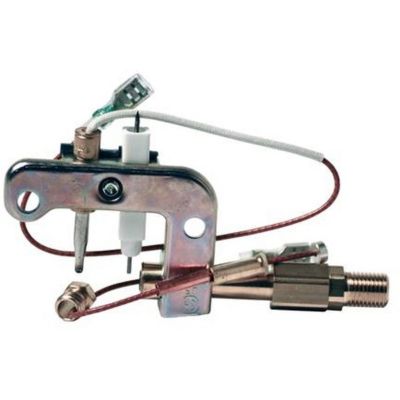
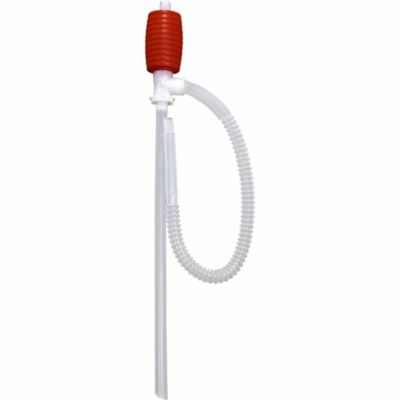
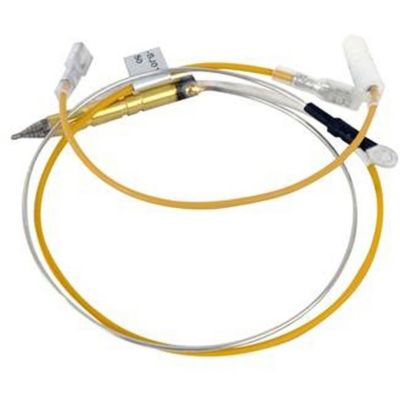
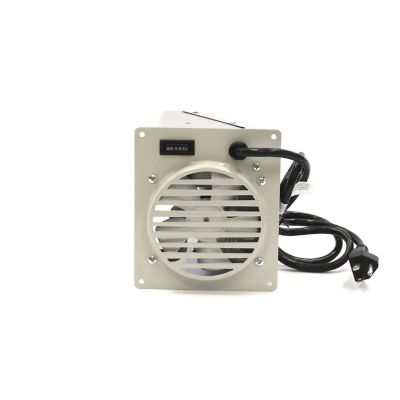
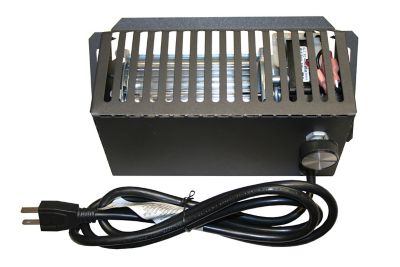
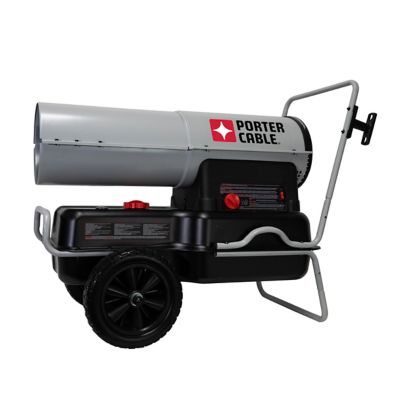
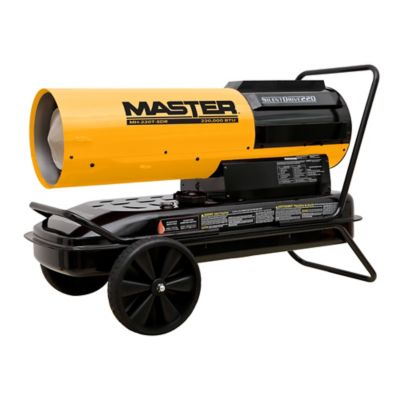
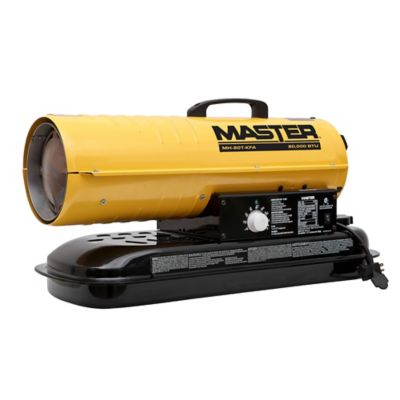
Forced-air kerosene heater parts cover a different set of working demands, with fuel flow and moving air closely tied to combustion. Nozzles help meter and atomize fuel, and their specified flow characteristics must match the heater rather than simply its threaded connection. Depending on the design, filters protect the fuel path, the air pump, or both. Filter dimensions and media matter because the system depends on the intended flow, not just a piece of material that fills the opening. Ignition components create the conditions needed to start combustion, while photocells or other flame-sensing components monitor operation on models equipped with them. These sensors work with the heater’s controls to respond to a missing flame; they are not optional conveniences or substitutes for a carbon monoxide alarm. Motors, fan blades, and pump components likewise need the correct electrical rating, shaft fit, mounting pattern, and operating specifications. A motor that bolts into place can still be wrong for the fan or pump it drives. Around a workbench or equipment bay, dust and airborne debris can add to maintenance needs, but a heater must stay away from flammable vapors and combustible dust regardless of its condition. For shoppers comparing replacement parts with complete
Kerosene Space Heaters, the important distinction is whether an existing heater has a clearly identified service need or requires a broader inspection. Repeated shutdowns, fuel leaks, heavy soot, and damaged wiring call for taking the heater out of operation and following the manufacturer’s service directions, not bypassing a control or guessing at adjustments. Some replacements are straightforward owner-maintenance tasks; others involve fuel pressure, wiring, or combustion checks better handled by a qualified technician. Long service life depends on correct fit, compatible materials, clean fuel of the specified grade, and care suited to the heater’s design. With the heater shut down and cool before service or refueling, sound maintenance habits help keep a small repair from turning into damage elsewhere. Matching each component to its intended job keeps the focus where it belongs: proper operation when colder weather settles in.