Trash Pumps
Trash pumps help move water containing mud, sand, and debris when you need to drain a flooded area or tackle cleanup around the farm. Browse the selection with your job in mind, comparing flow rate, discharge size, and solids-handling capacity to find a pump suited to the water and debris you need to move.
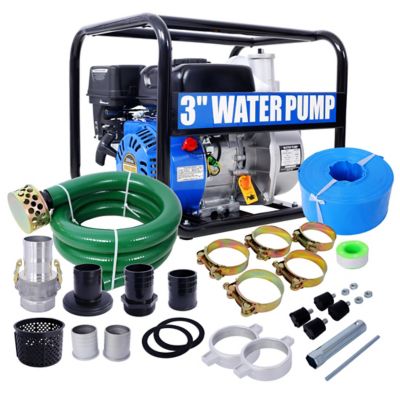
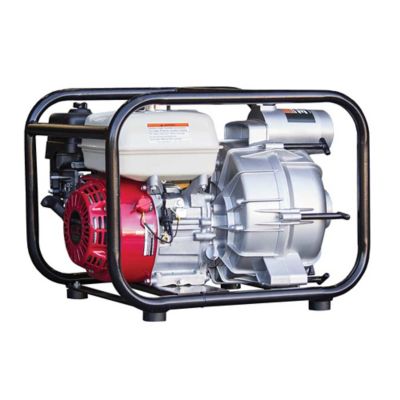
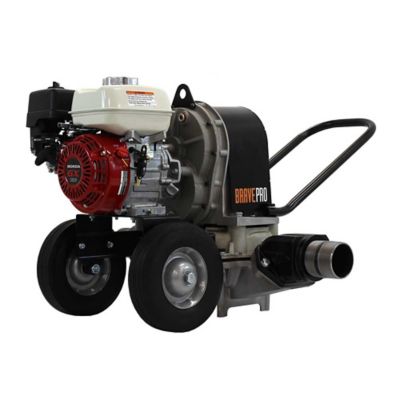
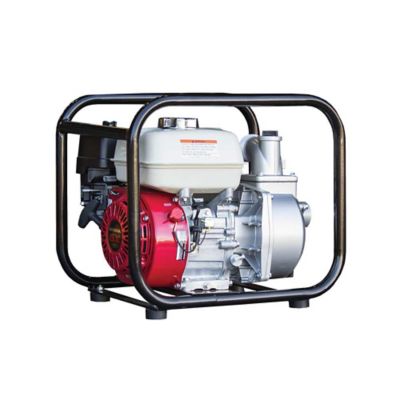
Best Of FAQ
What is a trash pump?
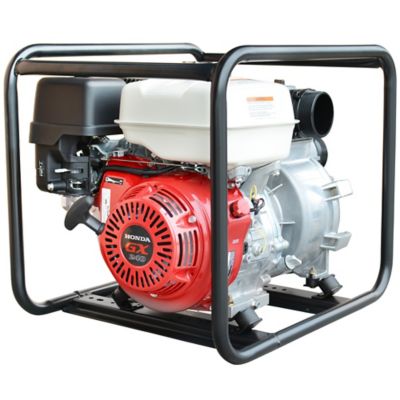
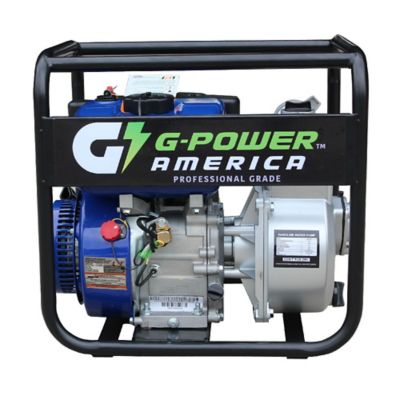
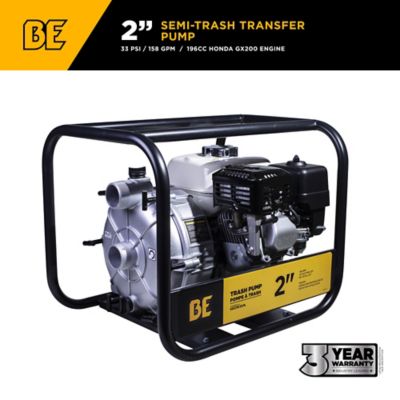
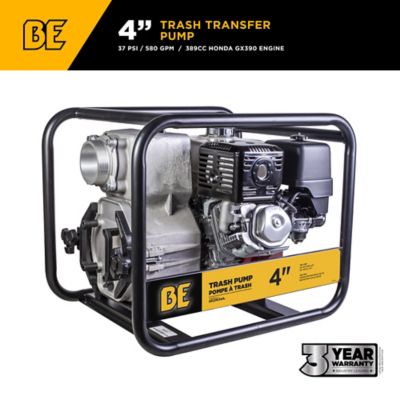
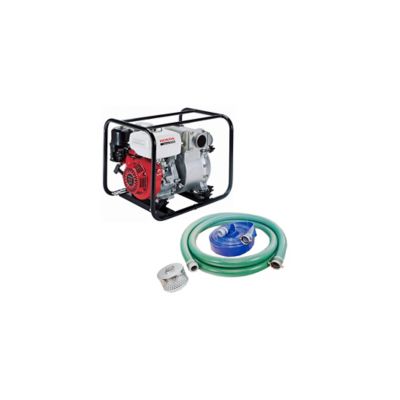
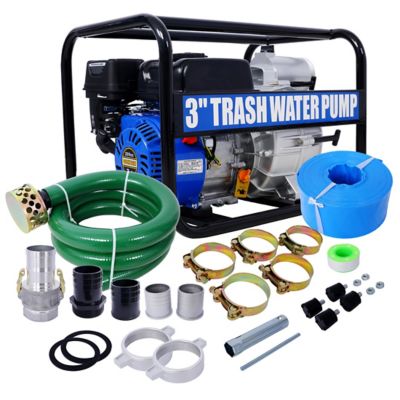
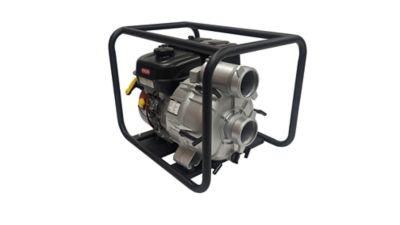
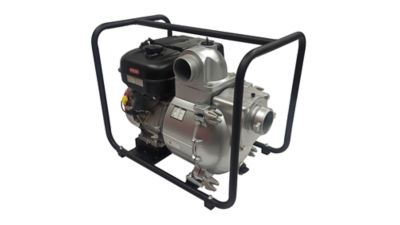
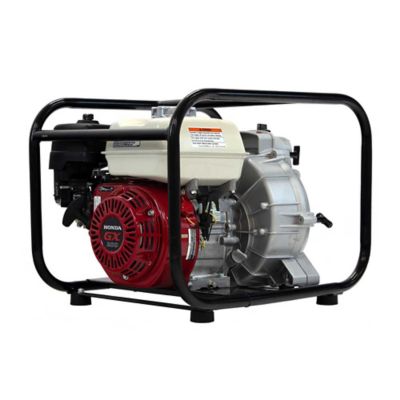
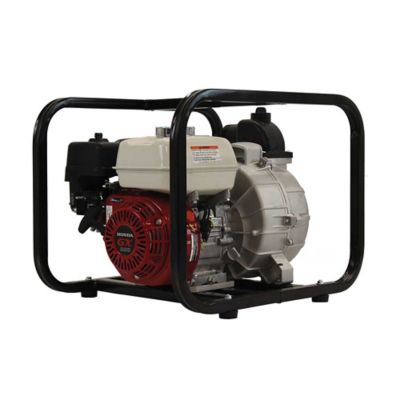
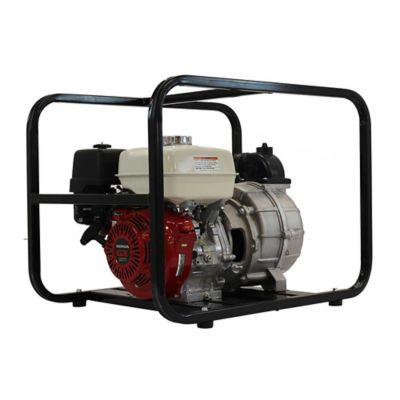
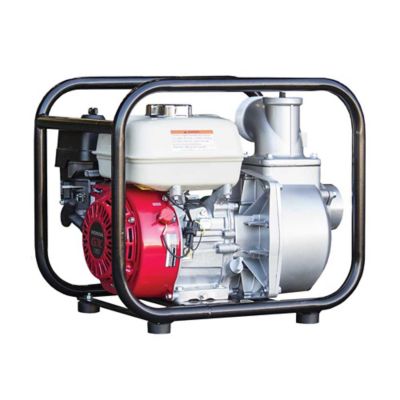
A trash pump is a water-transfer pump made for water containing debris, such as mud, leaves and small stones. Around farms and job sites, these pumps are commonly part of drainage and cleanup setups.
How are trash pumps powered?
Trash pumps may run on gasoline engines, diesel engines or electric motors. Engine-powered models don't need an electrical hookup, while electric models need a compatible power source. Check the pump specifications for its power requirements.
What does self-priming mean on a trash pump?
Self-priming means a pump can clear air from its suction line after its pump housing has been filled with water as directed. It doesn't mean the pump starts with an empty housing. Follow the owner's manual for the priming steps.
What hoses connect to a trash pump?
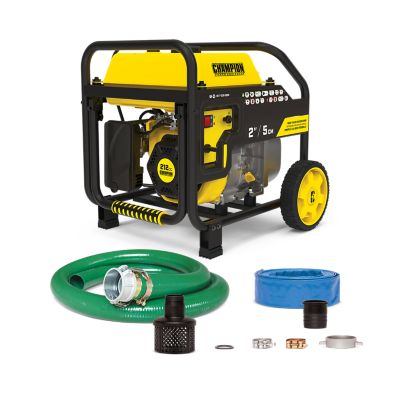
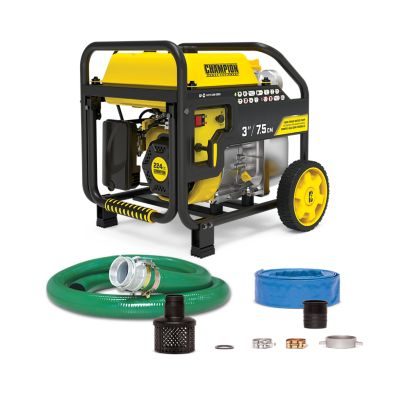
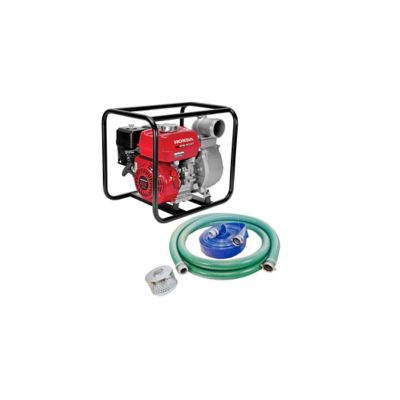
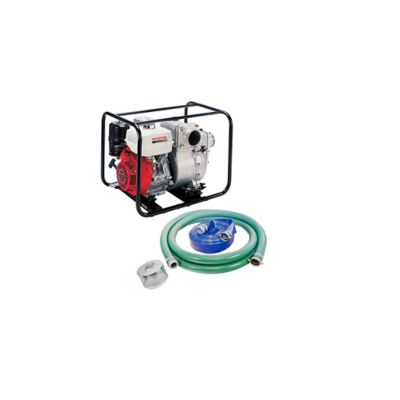
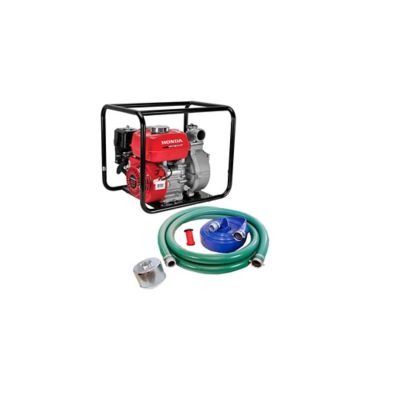
A typical setup has a suction hose that brings water into the pump and a discharge hose that carries it away. The suction hose is reinforced to resist collapsing under suction. Hose connections and accessories should match the pump's specifications.
What routine maintenance does a trash pump need?
Routine upkeep generally includes flushing the pump after dirty-water jobs, clearing debris from the strainer and checking hoses and seals for wear. Engine-powered models also need engine service, such as oil changes and air-filter care. Follow the owner's manual for maintenance intervals and storage steps.
Best Sellers
-
"Not sure what I’ll use it for next, but this was great. Cheers"
-
"Great little pump. Works great and very easy to install"
-
"It has work great so far. I've used it three times for back yard flooding and crawl space flooding"
-
"Very powerful, work great, just very tricky to wire, no straight forward instructions"
-
"Pump works great. A bit of leaking from the discharge connector but minimal at best"