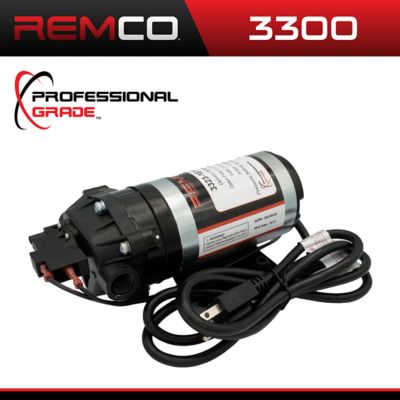
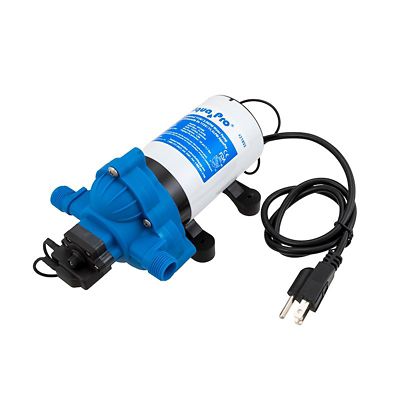
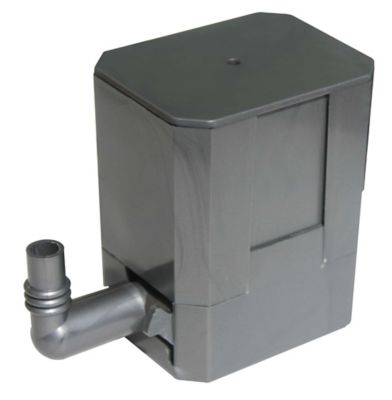
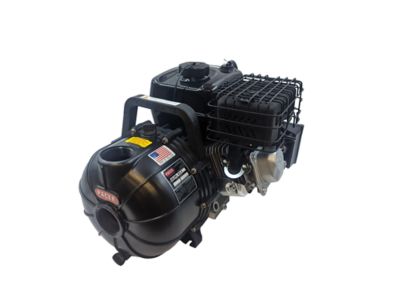
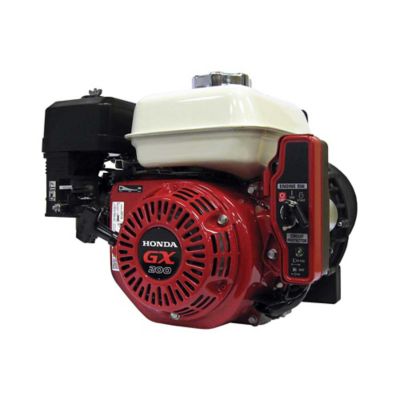
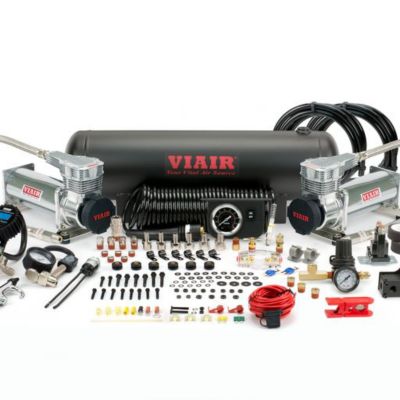
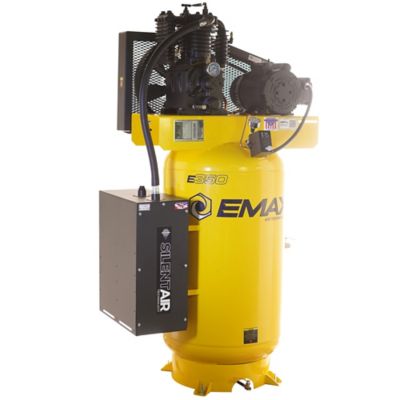
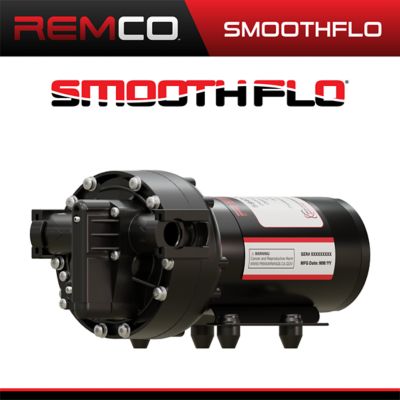
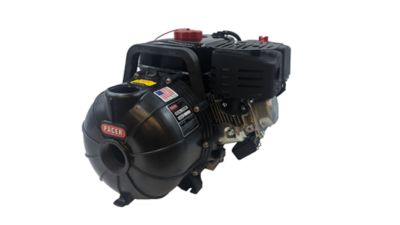
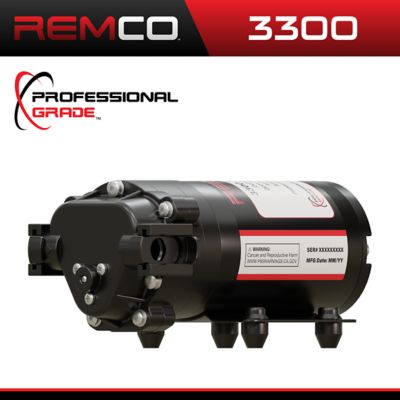
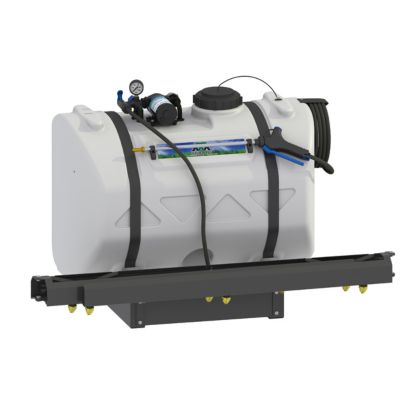
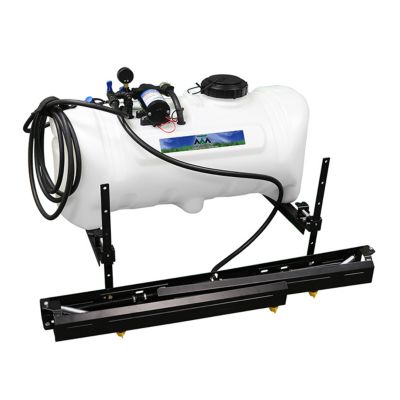
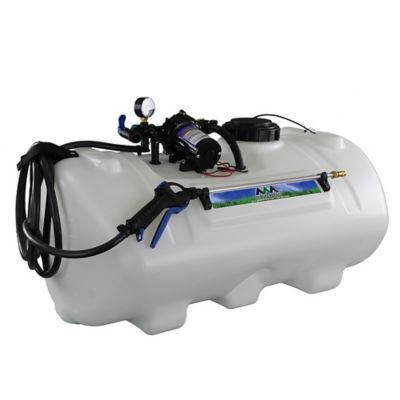
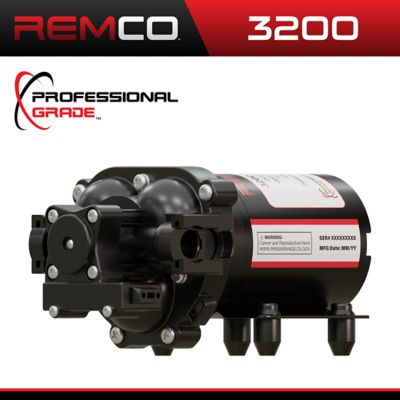
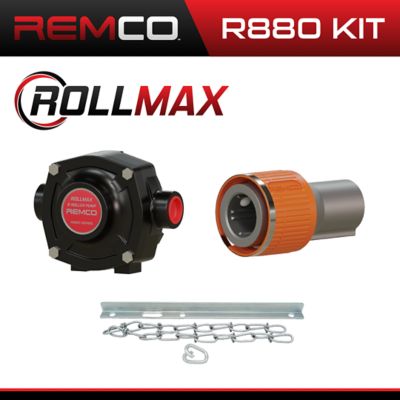
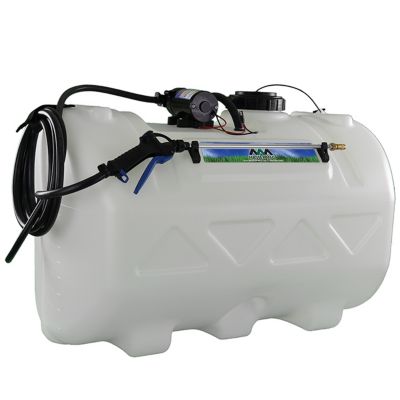
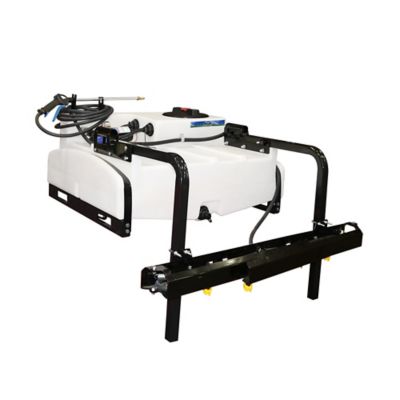
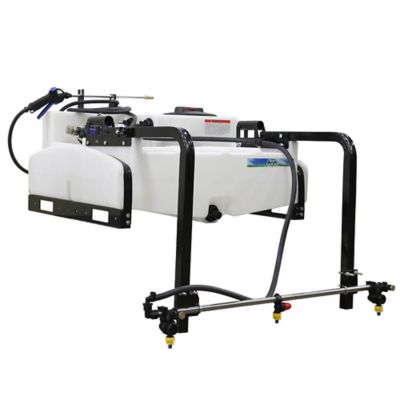
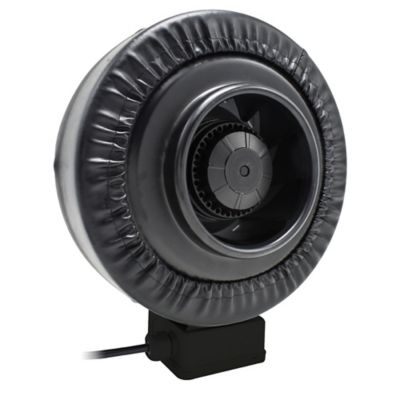
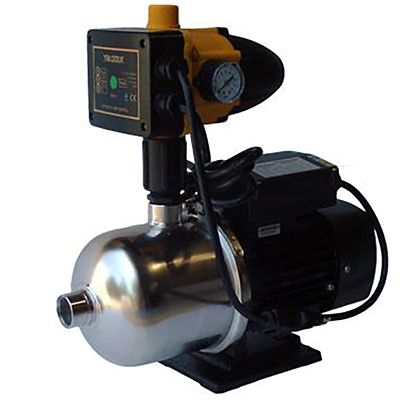
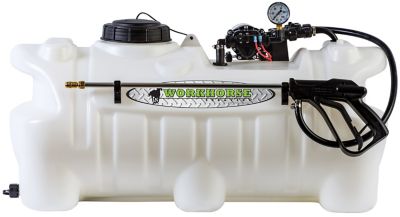
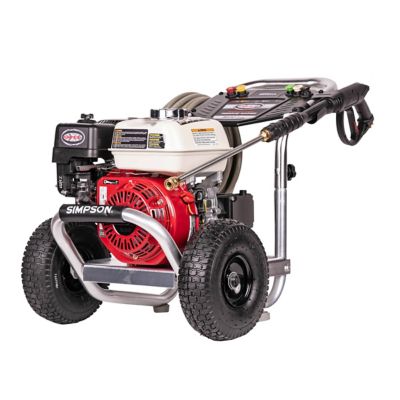
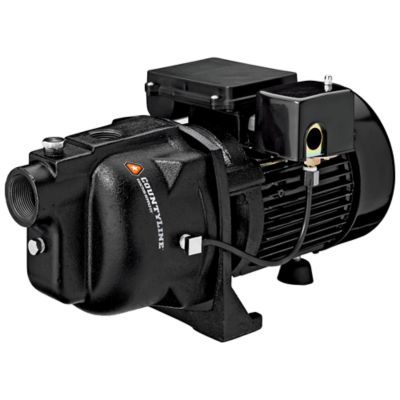
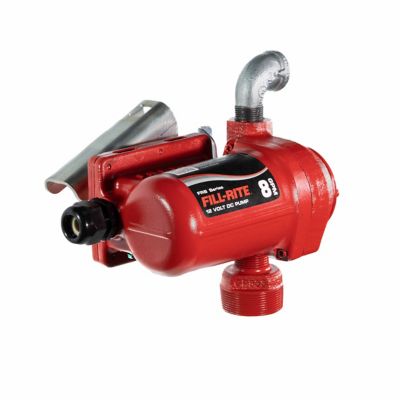
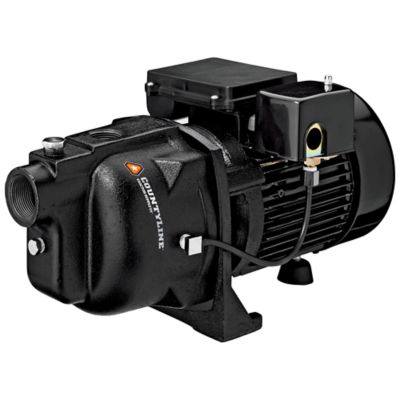
Inline pumps are external pumps that move liquid through a connected hose or pipe instead of sitting down in an open tank, pond, or wet well. Their inlet and outlet are lined up in one straight flow path, which makes them a handy fit when space is tight or when you want a cleaner, more compact installation. Many inline pumps use centrifugal action, with an impeller spinning inside the housing to pull fluid through the inlet and push it out through the discharge side. Depending on the design, they may be set up horizontally or vertically and used for water circulation, fuel delivery, marine water transfer, irrigation support, livestock watering systems, heating and cooling loops, or other fluid-handling jobs. A pump mounted outside the tank is often easier to reach when a connection needs tightening or the motor needs attention, and it can help keep a work area less cluttered. On a farm, that might mean moving water through a long run toward a stock tank or helping circulate water in a utility system. Around the house, an inline pump can support a fountain, water feature, shop setup, or seasonal maintenance task. During the warmer season, it may help with water transfer and circulation; as cooler weather settles in, the same kind of equipment can be useful for maintaining heating or plumbing systems, provided the pump and fluid are suited to the job. Inline pumps are not all interchangeable, so the best choice starts with the liquid being moved, the distance it must travel, and the amount of pressure needed at the discharge point.
Flow rate and pressure are two of the most important specifications to compare. Flow is commonly listed in gallons per minute or gallons per hour, while pressure and lifting ability may be described by head height or maximum head. A pump that moves plenty of water through a short, level hose may not perform the same way when pushing uphill, through a narrow line, or across several fittings. Longer hoses, sharp bends, filters, check valves, and restrictive connections all add resistance, so it pays to account for the whole run rather than choosing by flow rate alone. Check the inlet and outlet size, thread style, hose compatibility, and the direction of flow shown on the housing before ordering. Power requirements matter, too. Inline pumps may be made for 12-volt systems, standard household power, or another electrical supply, and the available amperage should match the circuit, battery, wiring, and fuse protection. For fuel or other automotive fluids, verify that the pump is specifically rated for that liquid and that its pressure range matches the engine or system requirements. Water pumps also need the right materials and seals for clean water, saltwater, chemicals, heat, or other fluids. A compact pump can be a useful addition to a truck, boat, workshop, greenhouse, barn, or utility trailer, but the right fit depends on the task. A small, lower-flow unit may suit a water feature or light transfer job, while a heavier-duty pump may be better for repeated use, longer operating periods, or demanding agricultural and commercial work. For installations that need a different style of pressure boost, browse
Jet Pumps as another option to consider.
Before running an inline pump, read the installation directions and make sure the pump is positioned according to the manufacturer’s requirements. Many inline designs need a gravity-fed inlet or a manual prime, meaning the pump must have fluid available at the suction side before it starts. Running a pump dry can overheat seals, wear the impeller, or cause permanent damage, especially when the unit is not designed for dry operation. Keep air from entering the suction line, use tight fittings, and place the pump where it can be supported without putting strain on the pipes or hoses. Air bubbles and low inlet pressure can lead to cavitation, a rough, rattling condition that reduces performance and may damage internal parts over time. A clean strainer on the inlet can help keep grit, leaves, bedding, and other debris from reaching the pump, but it should be checked regularly so a clogged screen does not starve the inlet. Look for signs of leaks, unusual vibration, a change in sound, reduced flow, or a motor that is running hotter than usual. Disconnect power before servicing, and use appropriate electrical protection around water. In outdoor or barn settings, shield the unit from standing water, mud, manure, and freezing conditions unless it is rated for that exposure. During the cooler months, drain water from lines that could freeze and crack, and store removable equipment in a dry place when it will not be used. Inline pumps are practical problem-solvers for people who maintain acreage, care for animals, work on vehicles or boats, manage water systems, or keep a busy shop running. Whether the goal is steady circulation, dependable transfer, or added pressure in a properly matched line, comparing flow, head, power, materials, and installation needs helps you choose equipment that fits the job and holds up to everyday work.