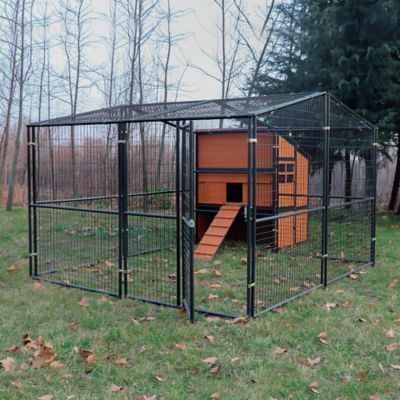
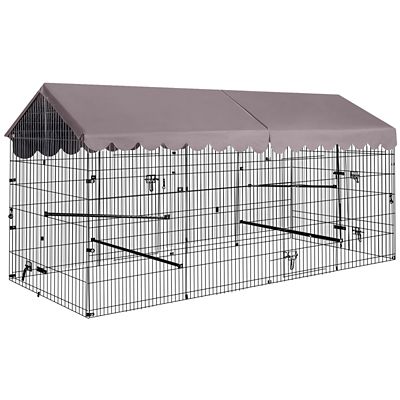
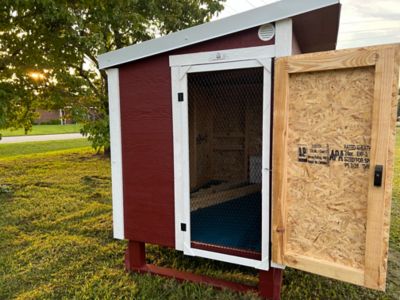
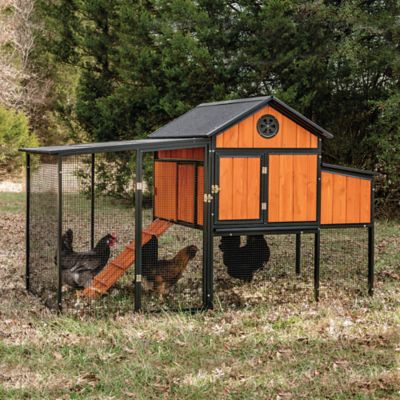
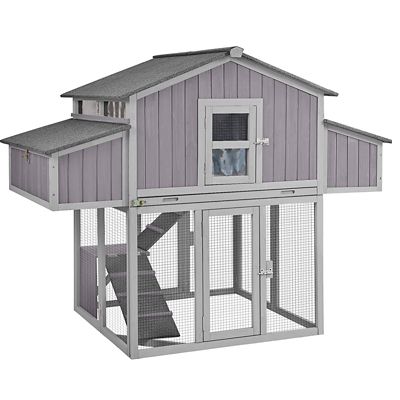
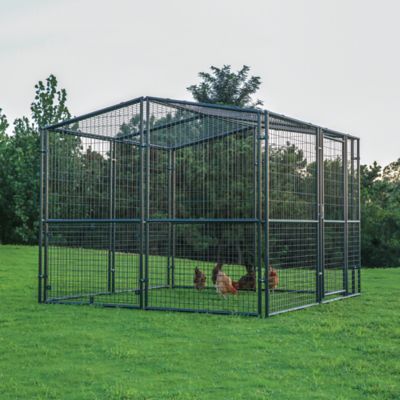
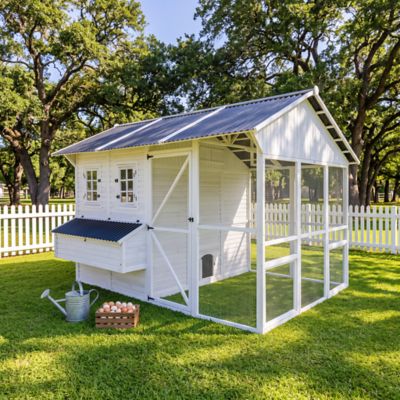
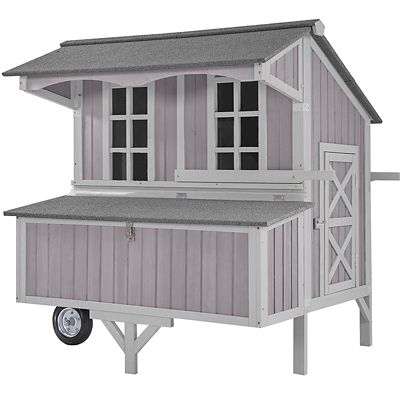
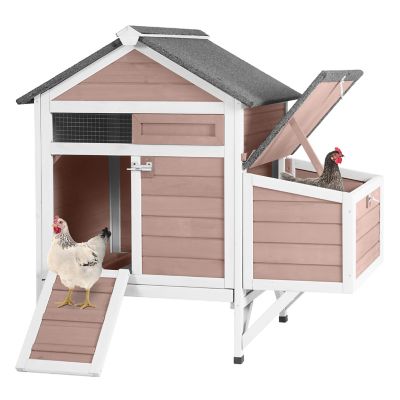
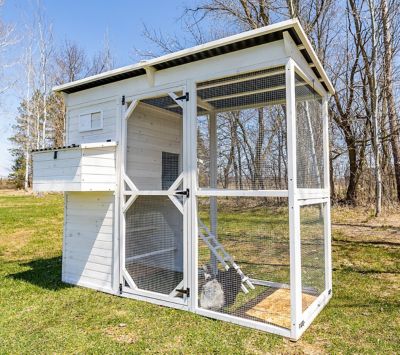
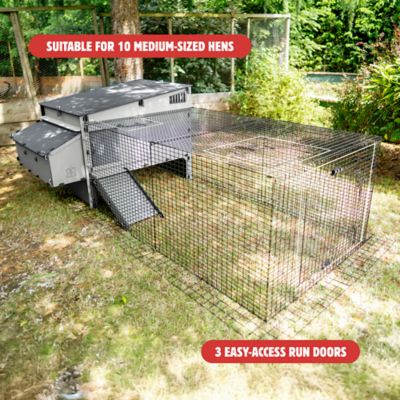
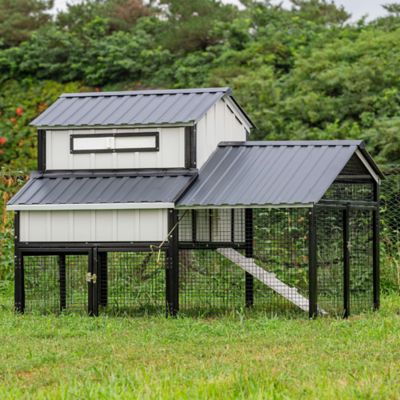
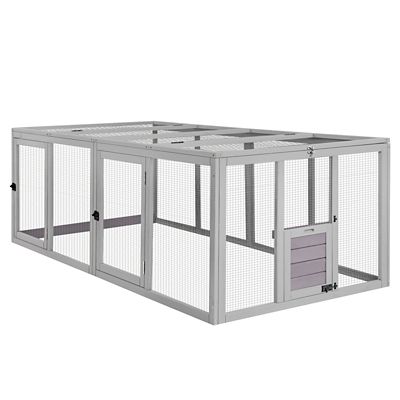
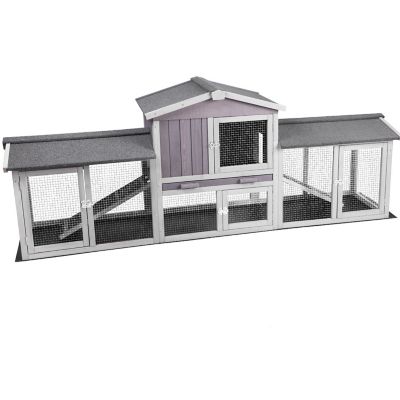
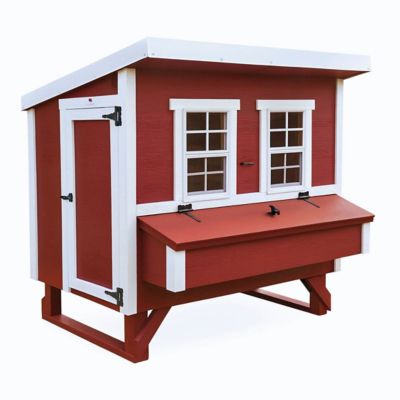
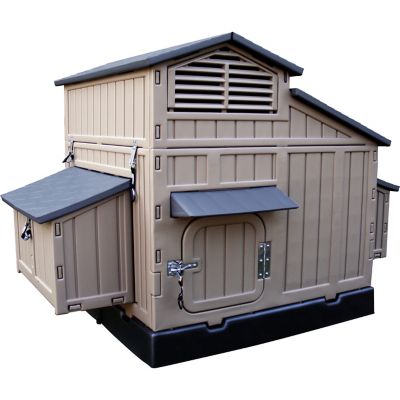
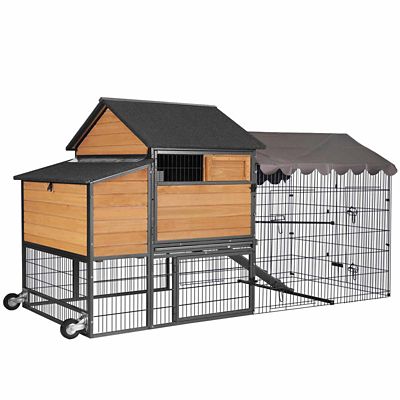
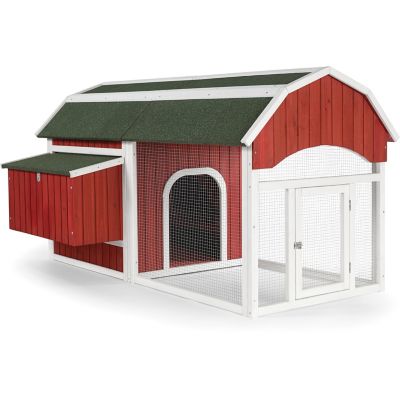
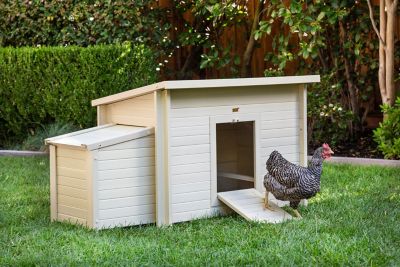
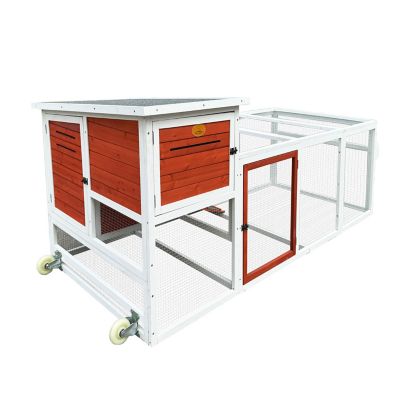
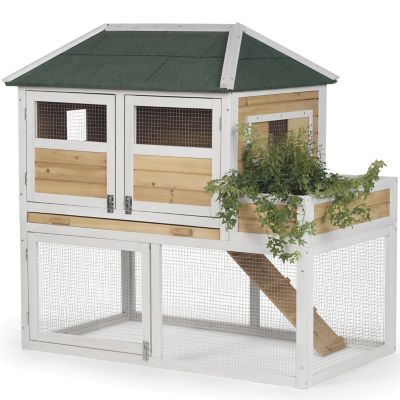
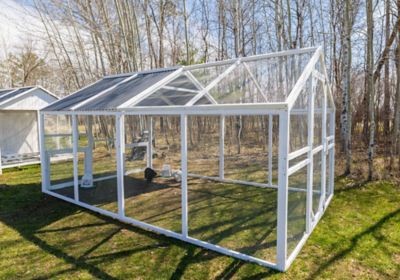
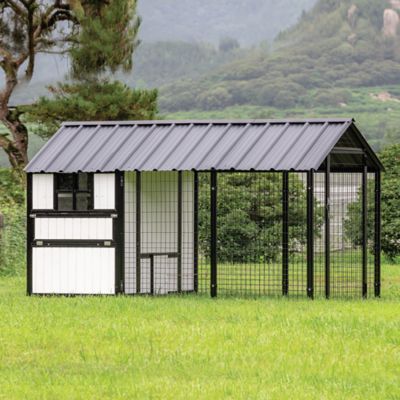
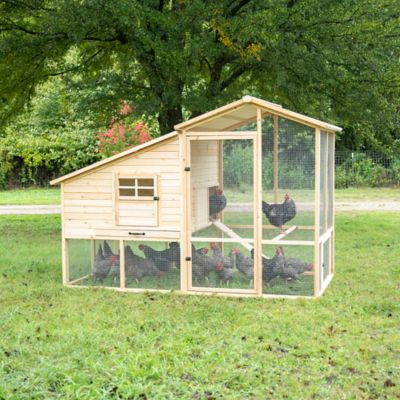
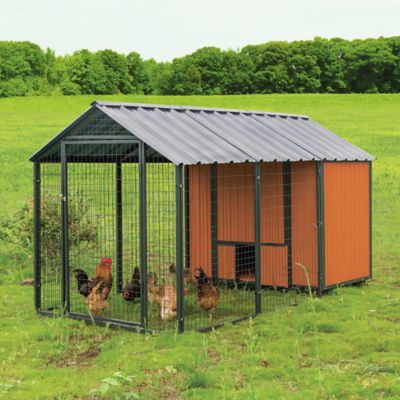
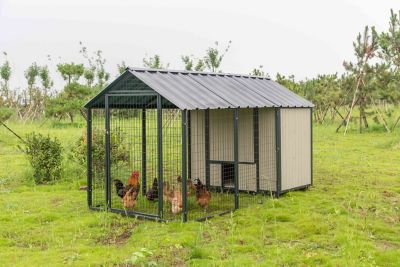
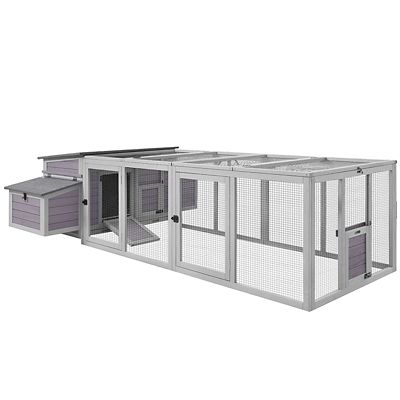
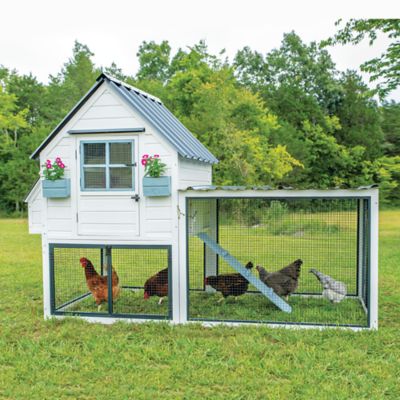
A good home chicken coop gives your flock a dry, secure place to roost, lay eggs and settle in at night, while making daily care easier for you. Whether you are adding a few hens to a backyard, starting a small homestead flock or looking for a practical gift for someone who enjoys raising animals, the right setup starts with the basics: enough room, sturdy construction, fresh air and dependable protection from predators. Ready-made coops can be a handy choice when you want a quicker setup without drawing plans or cutting lumber, and many are sized for smaller flocks. Larger families of chickens may do better with a roomy walk-in design, a separate run or a modular setup that can grow with the flock. When comparing home chicken coops, check the usable interior floor space rather than relying only on the outside dimensions. A useful rule of thumb is about 3 to 4 square feet of indoor space per chicken, along with roughly 8 to 10 square feet per bird in the outdoor run. Hens need room to move around without crowding, especially when they are kept inside during rain, icy weather or long stretches of cold. Crowded birds can become stressed, and damp bedding builds up faster in a tight shelter. A little extra elbow room also gives you more flexibility if you add pullets later or need to separate a bird for observation. Before choosing a size, count the chickens you have now, consider the flock you may have down the road and measure the spot where the coop will sit. A level, well-drained location makes chores simpler and helps keep water from collecting under the house. Placing the coop where it gets morning light and some afternoon shade can also help the flock stay comfortable as the weather shifts through the seasons.
Look closely at the details that protect both birds and keepers. Nesting boxes should be easy to reach from the outside or from inside a walk-in area, with about one 12-by-12-inch box for every three to four hens. Even when several boxes are available, hens often favor the same quiet corner, so generous access and clean bedding help keep eggs from getting cracked or covered in litter. Roosting bars should sit above the floor and offer about 8 to 10 inches of perch space per chicken. Rounded wood with a comfortable grip is generally easier on birds' feet than a sharp or slippery edge, and removable bars make cleaning less of a chore. Ventilation is another feature worth checking before purchase. Vents positioned near the roofline allow warm, damp air and ammonia to escape while keeping openings above the birds' heads, where air movement is less likely to create a direct draft. A coop can be snug without being stuffy; you should not see heavy condensation on the walls or smell a strong ammonia odor when you open the door. For predator protection, look for solid framing, secure doors and openings covered with heavy-duty hardware cloth. Ordinary chicken wire is useful for containing birds but is not a dependable barrier against raccoons, foxes and other determined animals that can pull or tear through it. Latches should take more than a simple lift or push to open, since raccoons are surprisingly skilled at working loose hardware. A secure base, covered run and buried or outward-turned wire apron can add another layer of protection around the perimeter. If you are comparing options for tougher construction and everyday flock security, browse
Sturdy Chicken Coops for ideas that fit the way you plan to care for your birds.
Material and maintenance matter just as much as size. Wood coops have a familiar farmstead look and can be repaired or modified with common tools, but lighter panels may need extra sealing around the roof, corners and floor. Look for a roof that sheds rain well, an elevated floor that helps keep moisture away from bedding and doors wide enough for comfortable cleaning. Some keepers place the coop on blocks, a treated frame or another raised foundation to improve drainage and discourage burrowing animals. If you are considering a DIY-style setup, pressure-treated lumber can be useful for portions exposed to the ground, while untreated or appropriately finished materials may be preferred in areas the chickens can peck. Any paint, stain or sealant should be fully cured and used according to its label before birds move in. Inside, plan for an easy-to-clean surface, absorbent bedding and a way to remove soiled litter without climbing into a cramped corner. During the warmer part of the year, shade, airflow and clean water help hens stay comfortable; as cooler weather arrives, dry bedding and a draft-free roost become especially important. Avoid sealing every opening shut, since poor airflow can leave moisture trapped inside and lead to respiratory trouble or frost buildup. A small thermometer and regular checks of the bedding can tell you more than guesswork. Keep feeders and waterers positioned to reduce spills, and make sure the run has enough room for scratching, dust bathing and stretching wings. The best home chicken coop is the one that matches your flock size, yard, climate and daily routine. A simple shelter that is safe, well-ventilated and easy to clean can serve a family flock for years, while a larger, sturdier design may be the better fit for growing numbers, frequent egg gathering or a keeper who wants less bending and reaching during morning chores.