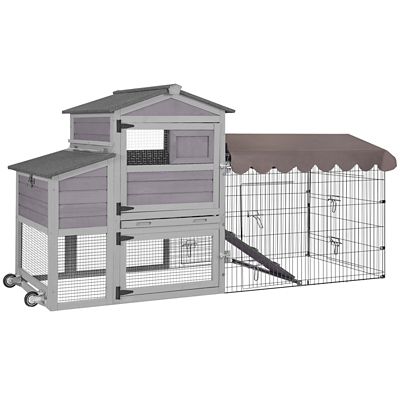
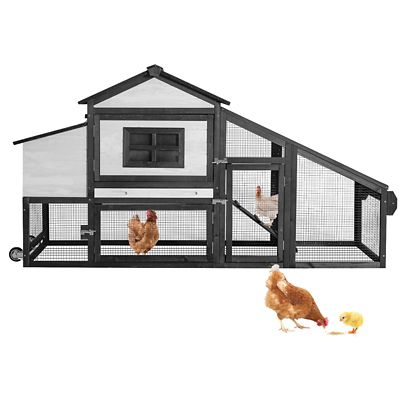
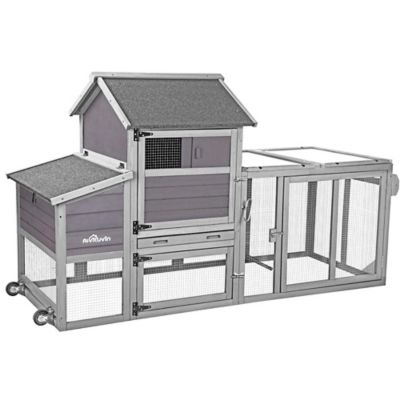
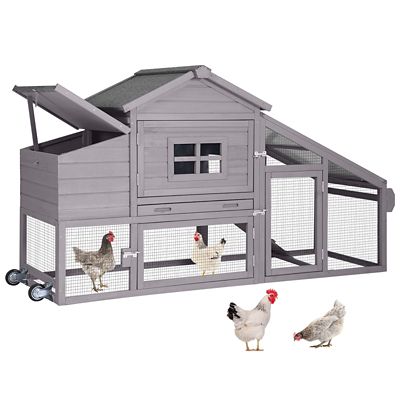
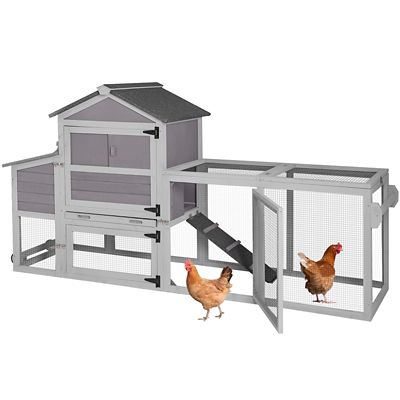
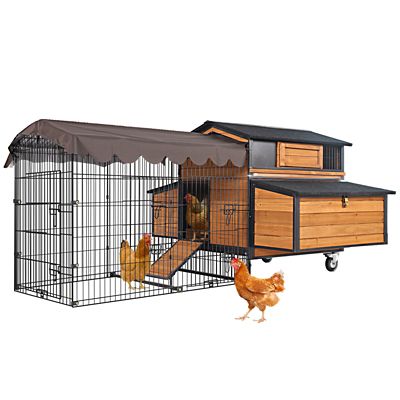
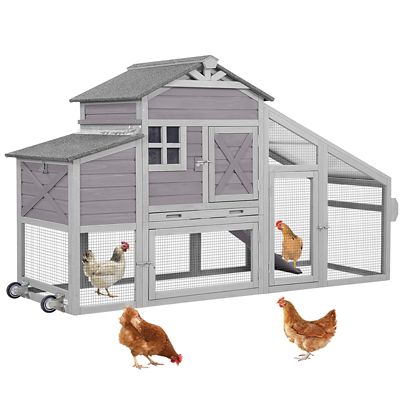
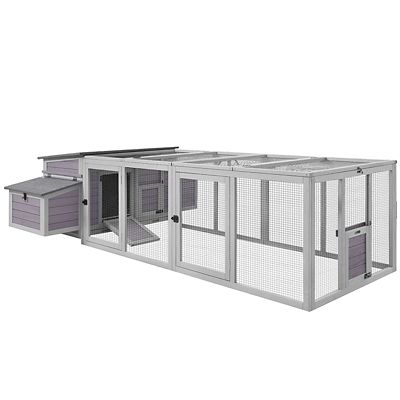
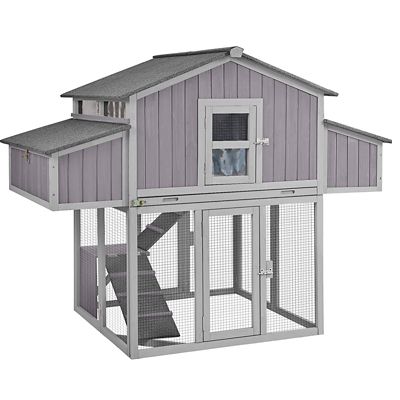
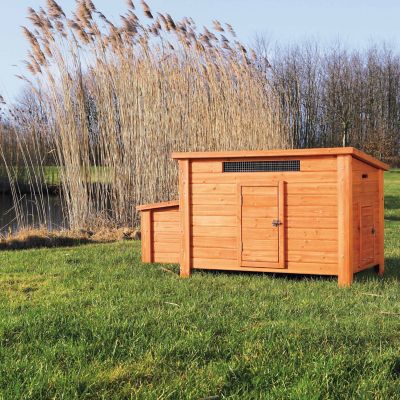
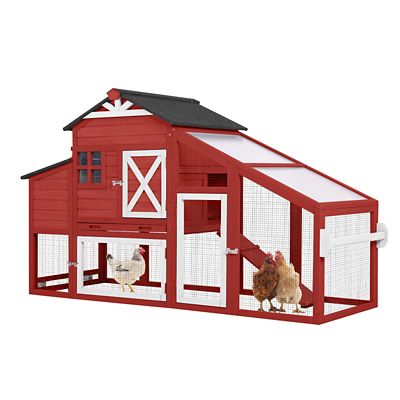
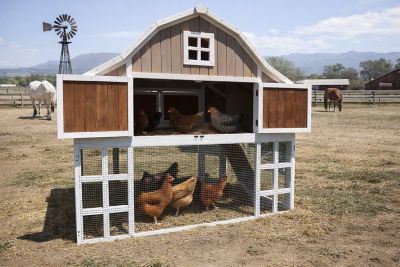
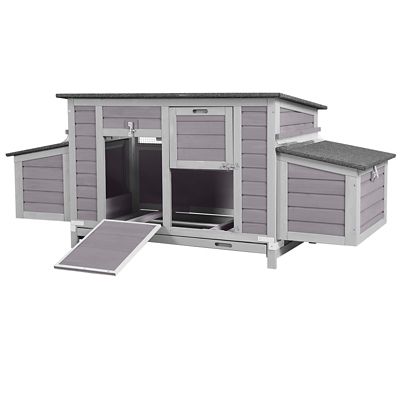
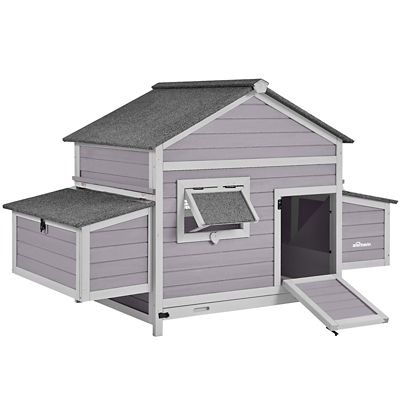
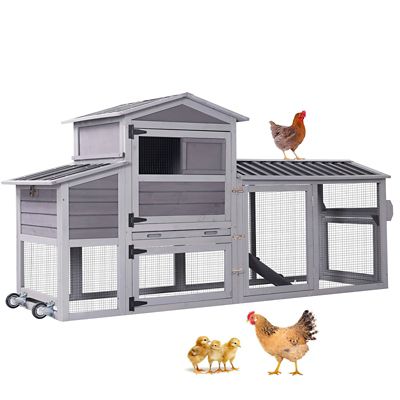
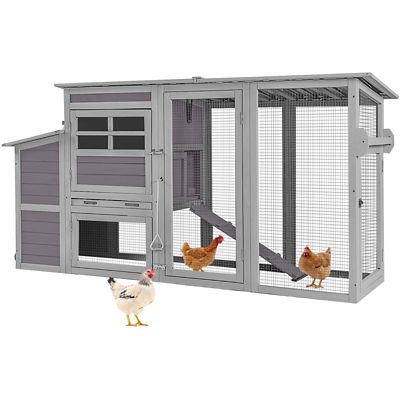
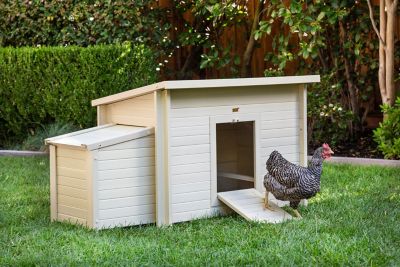
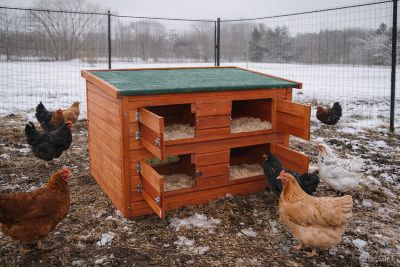
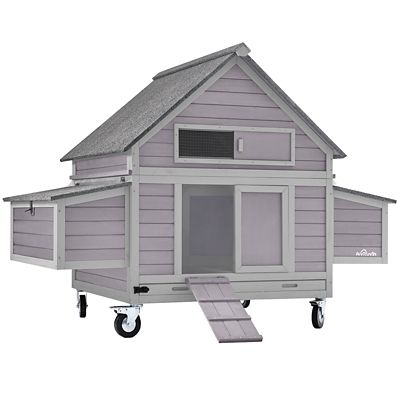
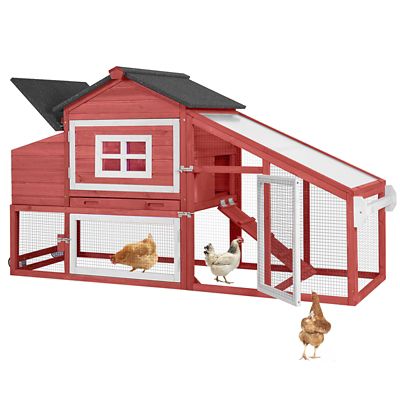
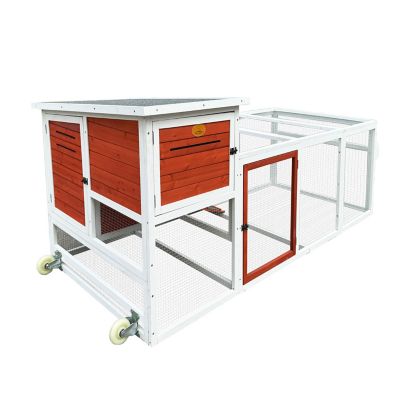
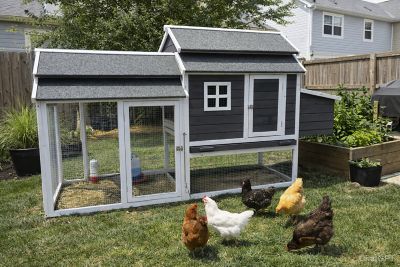
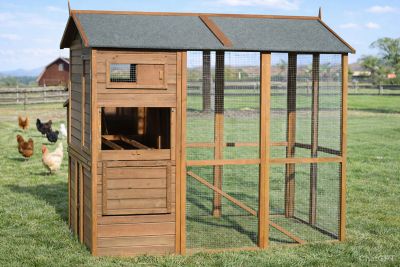
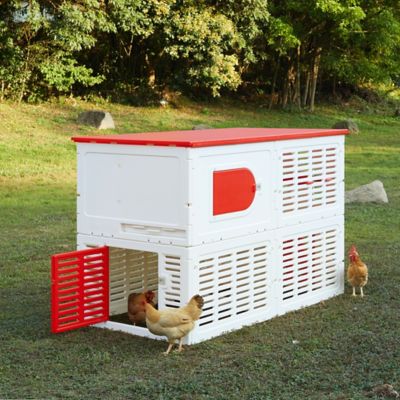
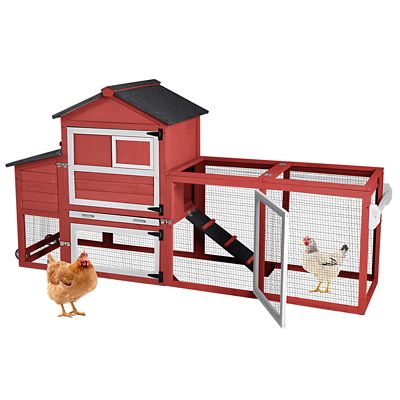
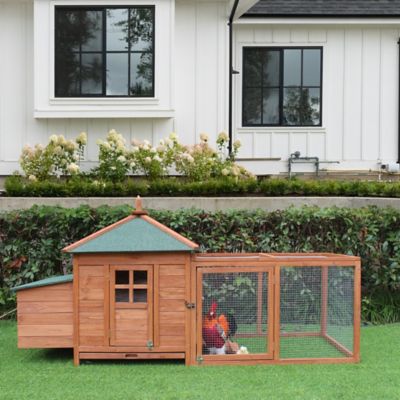
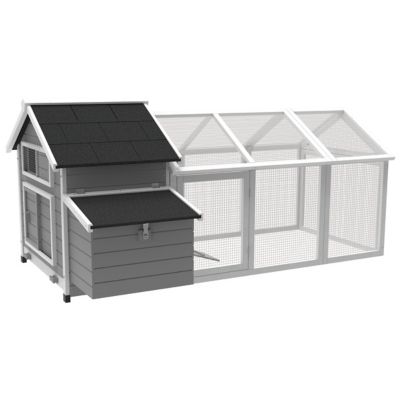
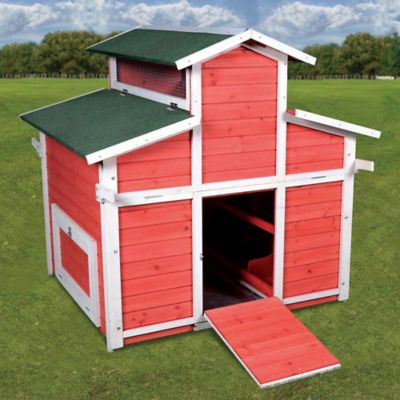
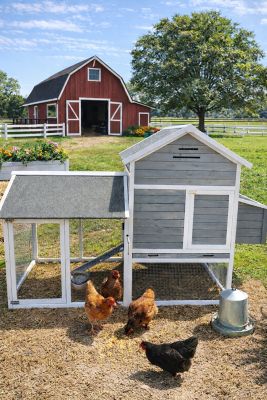
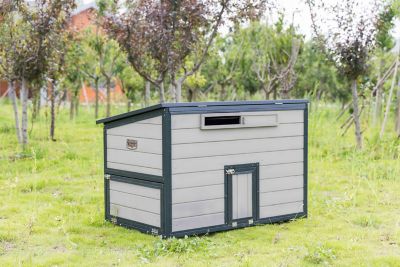
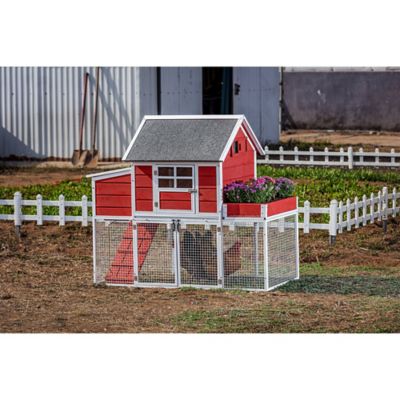
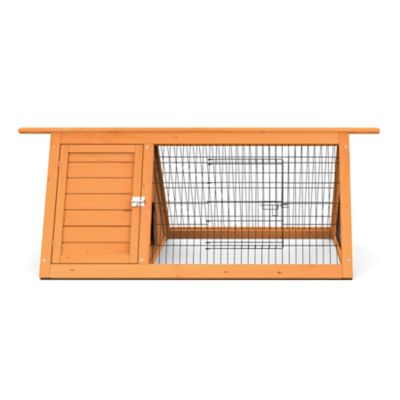
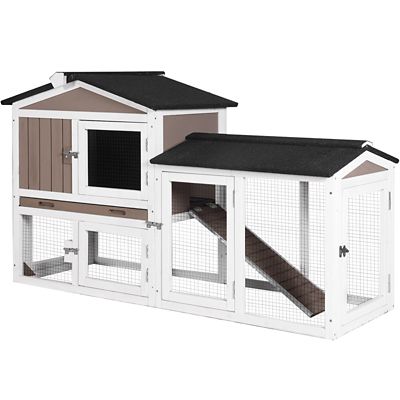
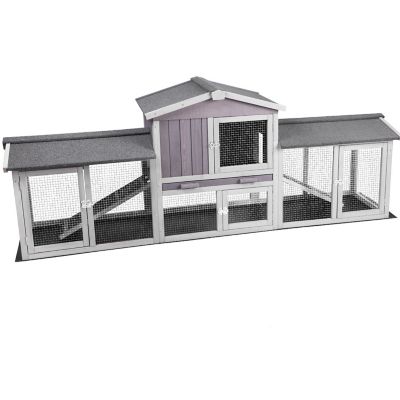
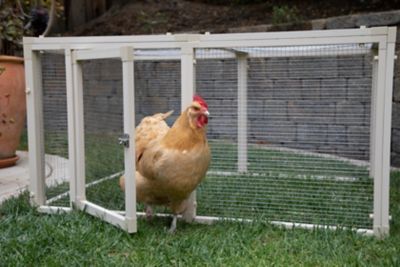
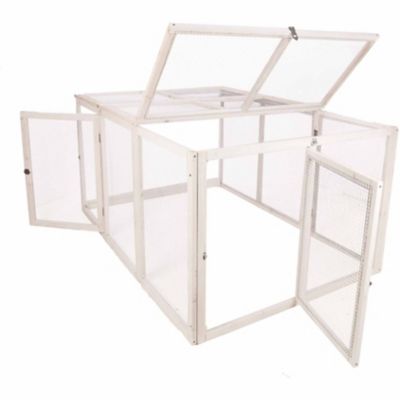
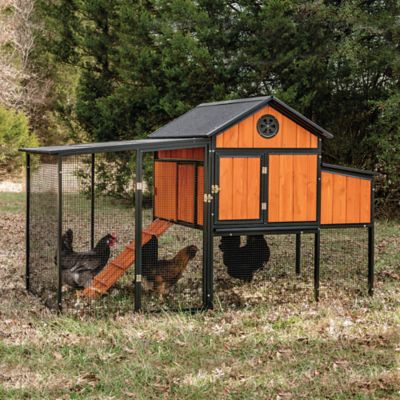
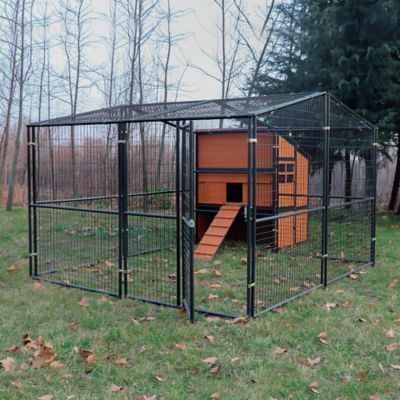
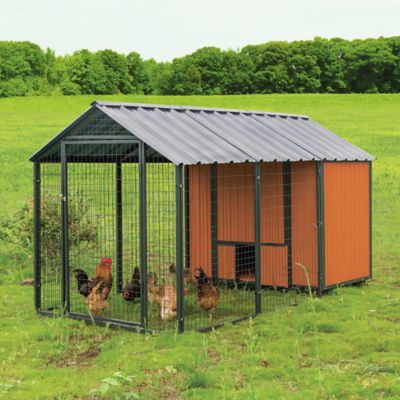
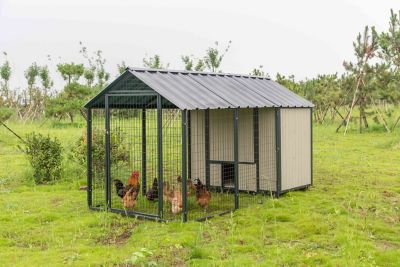
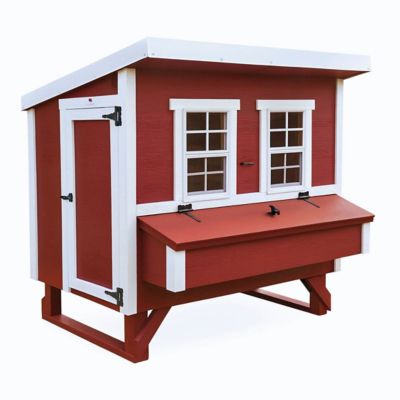
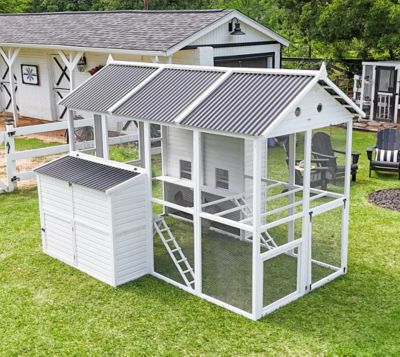
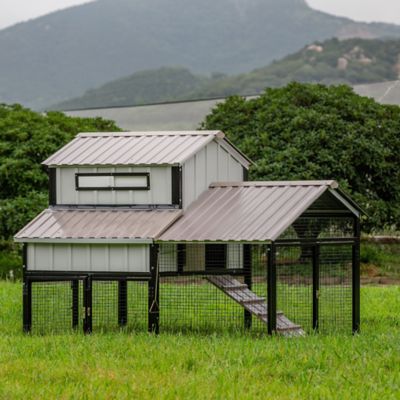
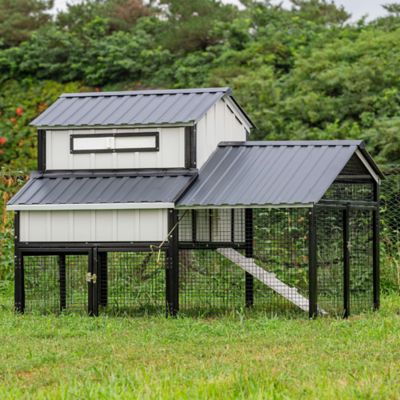
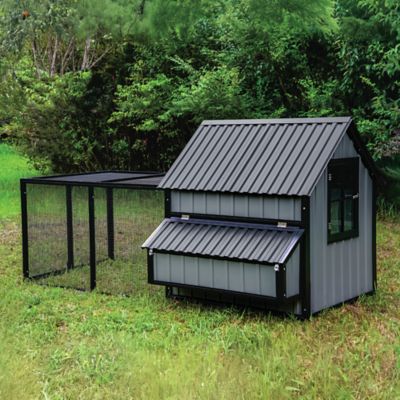
Small chicken coops for 1-5 chickens give a little flock a place to roost, lay eggs and settle in at night without taking over the yard. These compact poultry shelters suit backyard egg keepers, families raising their first hens and folks keeping a few birds near the garden or barn. The right fit depends on the birds’ size, their daily access to outdoor space and the actual dimensions of the sleeping area—not just the number of chickens listed in a coop’s capacity. A common starting point for standard-size chickens is 3 to 4 square feet of usable indoor floor space per bird, plus 8 to 10 square feet of outdoor run space per bird. Five standard hens therefore need about 15 to 20 square feet indoors and 40 to 50 square feet in a run, with more room helpful when birds spend much of the day enclosed. Nesting boxes and narrow passageways should not count toward that usable indoor space. Bantams may fit comfortably in a smaller shelter, while larger breeds need more generous floor space, door openings and roosting room. A coop paired with a run keeps shelter and outdoor access together in one footprint, though a compact attached run may need an extension to give the flock enough room. For hens that roam a fenced yard during the day, the coop serves mainly as their nighttime shelter and laying spot; the fence alone does not make outdoor time predator-proof. Chickens are social birds, so a coop sized for a single bird is better suited to a temporary separation need than permanent solitary housing. For a small flock, good proportions matter more than a tidy silhouette: hens need room to turn around, reach the doorway and settle onto a perch without crowding one another. A little extra elbow room also helps when wet weather keeps the flock close to shelter.
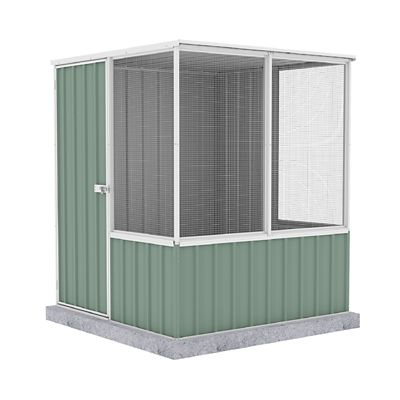
Materials and construction shape how a small chicken coop handles daily chores and changing weather. Wooden chicken coops have a familiar farmyard look, and their upkeep generally includes checking joints, watching for moisture damage and maintaining exterior finishes according to the manufacturer’s directions. Plastic coops often have surfaces that wipe down readily, though seams, fasteners and ventilation openings still need regular attention. Metal roofing and framing can help shed rain and support the structure, while exposed metal surfaces deserve a check for sharp edges, corrosion and condensation. No material takes the place of sound assembly, secure hardware and a well-drained location. A roof with a slope and overhang helps move water away from walls and entrances, and a raised floor can keep the sleeping area off damp ground. The space beneath an elevated coop may give hens a shaded spot, provided it stays accessible for cleaning and does not become a muddy pocket. Predator protection is especially important around small shelters, where a loose latch or gap along the floor can leave the whole flock exposed. Welded hardware cloth with small openings offers stronger protection than light chicken wire, which is mainly meant to contain birds rather than stop determined predators. Mesh attachment points, door edges and nesting-box lids all deserve attention, along with a secure ground barrier or apron around an attached run where digging animals are a concern. Latches that require more than a simple lift can help keep curious raccoons from opening access panels. During cooler months, a dry interior and steady ventilation matter more than closing every opening. High vents let moisture escape without putting a direct draft across sleeping birds, while a roof that sheds rain and snow helps protect bedding below. The coop’s footing matters, too: a level spot away from roof runoff and standing water makes a better home than a low corner where puddles linger. Weather exposure, anchoring needs and the weight of accumulated snow should all match the structure’s intended use and the manufacturer’s limits.
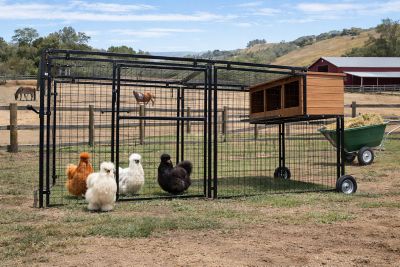
Inside a coop for a few chickens, practical details can make egg gathering and cleanup much easier. Standard hens generally need about 10 to 12 inches of roosting-bar space apiece, with enough clearance from walls and neighboring perches to settle comfortably. Broad, smooth perches let birds rest their feet, and a layout that keeps roosts above nesting-box height can discourage sleeping in the nests. One nesting box is often sufficient for three to four laying hens, although a second box can offer another laying spot for a flock of five. Nesting space should feel sheltered and remain easy to reach for fresh bedding and egg collection. An exterior-access nest lid saves stepping into a small enclosure, especially when the ground is wet and a basket of eggs needs a steady hand. Pull-out trays, wide service doors and removable interior fittings can make routine cleaning less awkward, but the opening needs to be large enough for the tray to come out without spilling bedding across the threshold. Smooth corners and reachable seams help with removing droppings and checking for mites. Any washed surfaces need time to dry before bedding goes back in. Feeders and waterers also take up room, so their placement should leave clear paths and keep drinking water from soaking the sleeping area. For a raised entrance, a stable ramp with traction helps birds move between the coop and run; heavier hens may need a gentler incline than smaller, nimble birds. Placement near a convenient walking route makes those morning and evening checks easier, while clearance around access doors leaves space for a wheelbarrow or bedding container. Portable designs can suit yards where moving the enclosure helps manage worn grass, but they still need secure closure and protection against digging predators at each location. A stationary coop may fit better where a permanent run and prepared base are already part of the setup. For households planning a substantially larger flock,
Chicken Coops For 15 Chickens offers a larger-capacity category to consider. For one small flock, the best match brings together adequate space, secure shelter and access that keeps everyday chicken chores straightforward.