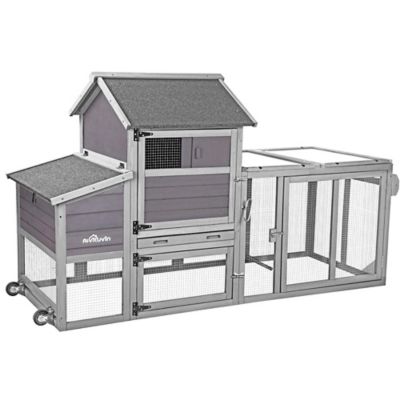
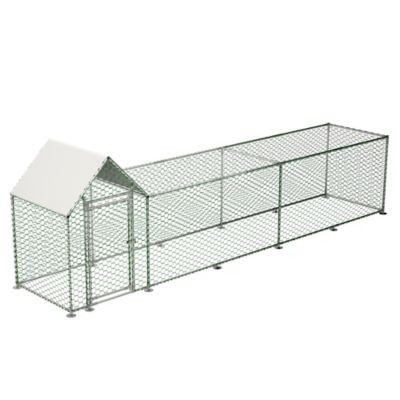
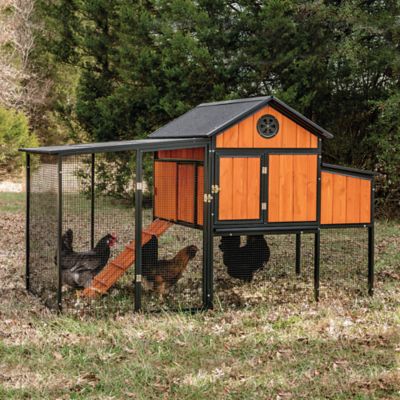
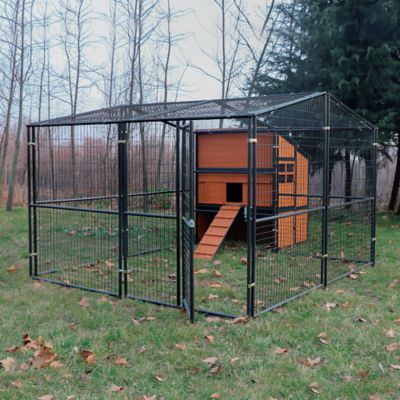
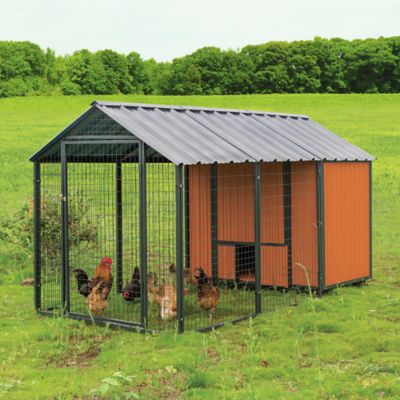
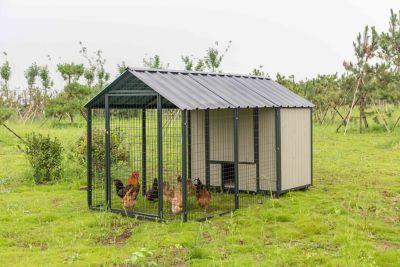
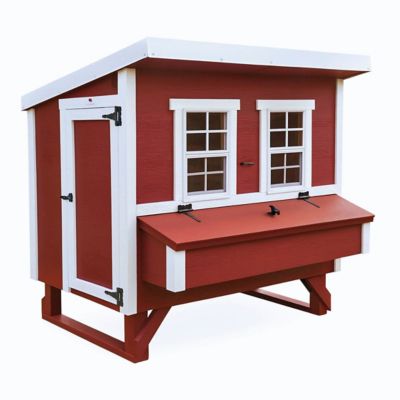
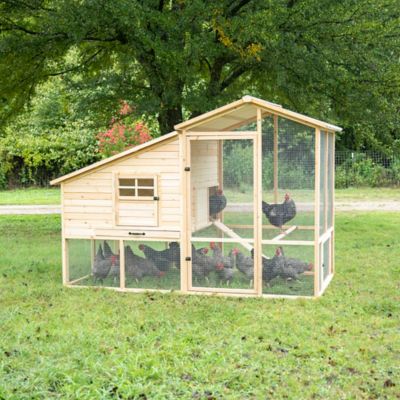
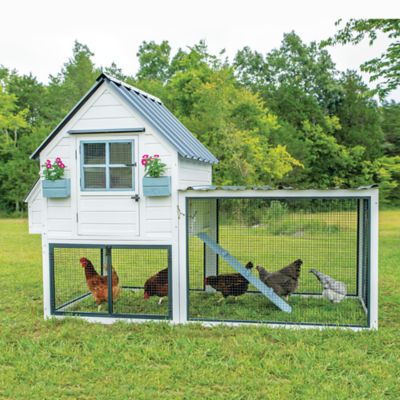
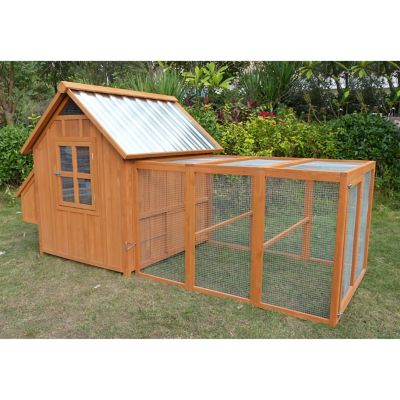
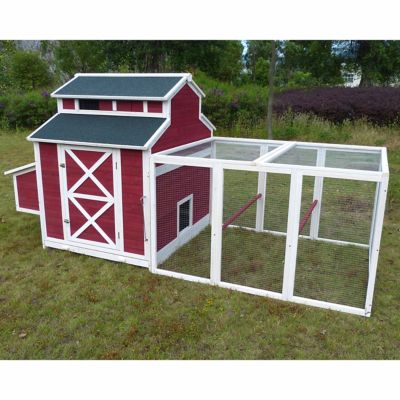
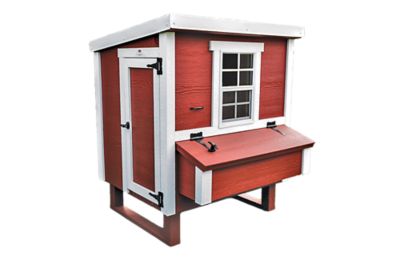
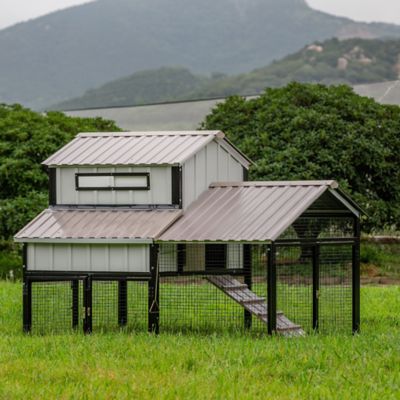
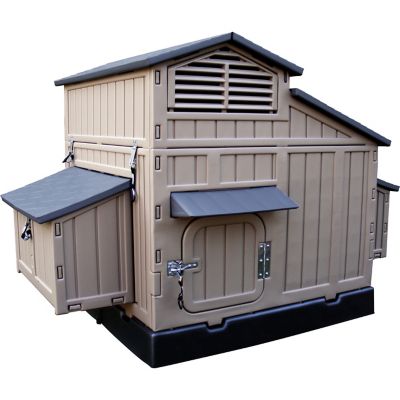
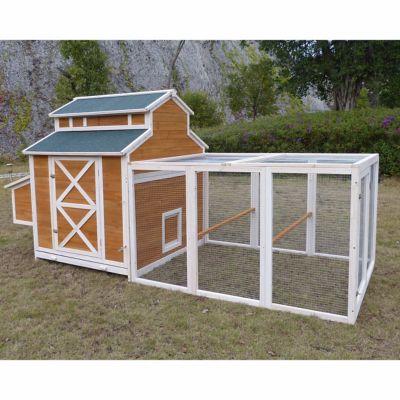
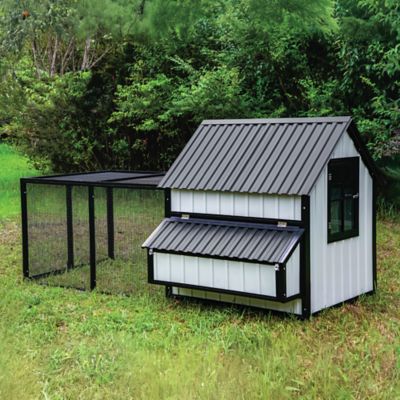
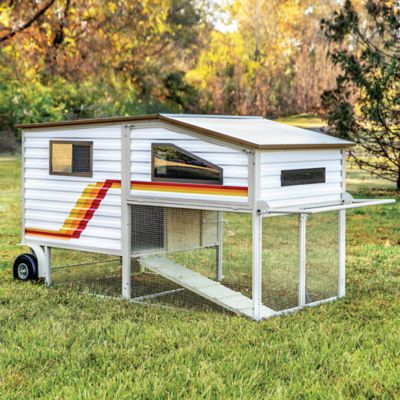
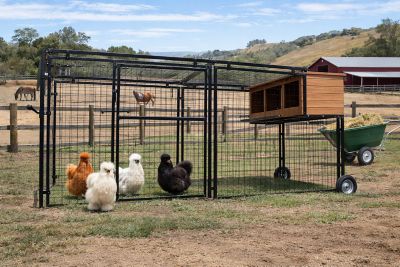
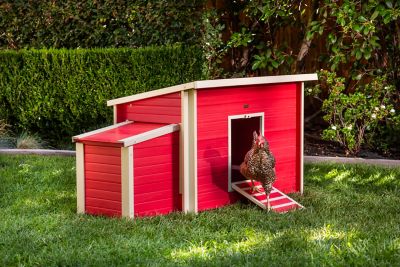
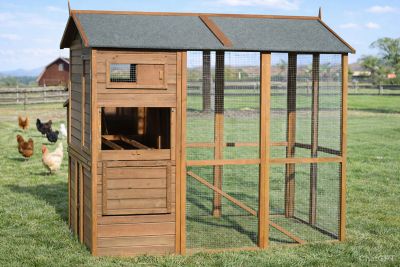
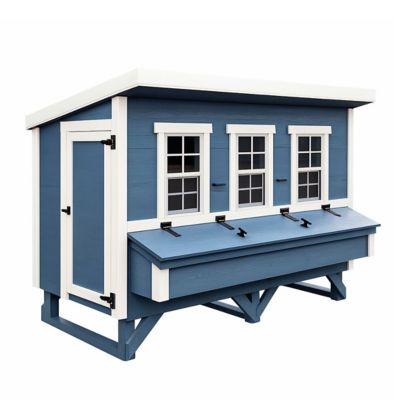
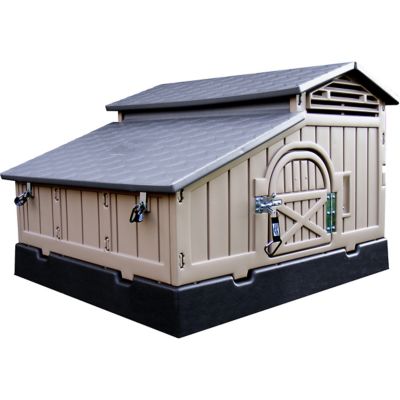
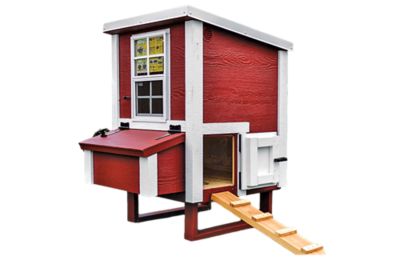
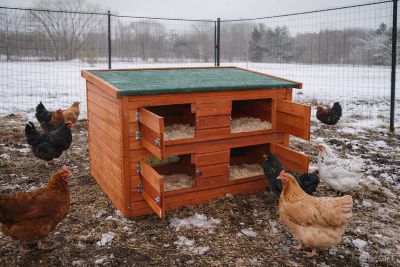
Chicken coops for backyard poultry give a flock a place to roost, lay eggs and settle in after a day in the run. For a family keeping a few laying hens behind the house, that might mean a compact shelter with nesting space and an attached enclosure. For someone tending a larger flock beside the garden or outbuilding, a walk-in layout can make daily chores easier to manage. The right fit starts with the birds themselves. A flock of bantams has different space needs than a group of broad-bodied hens, and the number of birds matters just as much as the coop’s outside dimensions. Interior floor space, roosting room and access to an exercise area all deserve a close look. Capacity descriptions provide a starting point, but usable space tells more of the story: nesting boxes, feeders and other fixtures can take up room that birds need to move around. A coop should let hens reach their roosts without squeezing past one another and enter nesting boxes without crowding the doorway. Roosts work best when they offer a comfortable grip, enough room for the flock and clearance from nearby walls. Nesting areas should feel sheltered while remaining easy to reach for egg gathering. Low doors and manageable ramps can suit smaller birds or hens that have trouble with steep climbs. A tall interior offers room for a keeper to step inside, while a smaller coop may depend on wide access panels for tending the flock. Those differences become especially noticeable when carrying a feed scoop, checking bedding or reaching a hen tucked into a corner. Beginners, longtime poultry keepers and families sharing animal chores can all benefit from a layout that matches their routines. A well-fitting coop keeps the birds’ space and the keeper’s access in balance, whether the setup sits near the back porch or along a fenced stretch of the property. Leaving room for possible flock growth can also help avoid a cramped arrangement after a few more hens join the group.
Materials and construction affect how a chicken coop handles everyday flock life, from scratching feet to repeated cleaning. Wood brings a familiar farmyard look and can offer a solid framework, though exposed edges, joints and finishes need regular attention. Smooth, washable plastic surfaces can simplify cleanup, while metal components can add strength to frames, hinges and enclosure panels. Each material has its own care needs, so the finish, fastening points and instructions matter alongside the overall appearance. A well-supported floor should hold bedding and allow waste removal without awkward reaching. Removable trays, broad doors and accessible corners can make the difference between a quick chore and a wrestling match with a shovel. Hinged roofs or lift-up nesting lids also need secure supports and closures so they stay where they belong while someone collects eggs or works inside. Ventilation openings help release moisture and stale air, but openings still need screening that suits poultry housing. Predator resistance comes down to the details, not just a solid-looking frame. Raccoons can work simple catches, and small gaps around doors or panels can create entry points for other animals. Latches that require more than a quick lift, tightly fitted doors and firmly attached mesh can help strengthen the enclosure. Where a run meets the ground, a suitable buried barrier or outward-facing mesh apron can help discourage digging. Ordinary poultry wire keeps chickens contained, but stronger, small-opening hardware cloth is generally a better choice where predator resistance is the goal. No enclosure removes the need for regular checks. Hinges, screws, mesh edges and door alignment deserve attention as the coop sees daily traffic. During assembly, a level base helps panels line up and doors close properly. Access to fastening points matters later, too, when a hinge needs tightening or a latch needs replacing. For keepers who prefer straightforward maintenance, simple joints and reachable hardware are worth considering alongside the floor plan and finish.
A coop also needs to fit the yard and the way the household handles chicken chores. Door swing, ramp length and the footprint of an attached run can require more room than the shelter alone, especially along a fence or beside a shed. Firm footing and a level site help keep the structure stable, while enough surrounding space lets someone carry bedding, move a wheelbarrow or open a cleaning panel without bumping into a wall. Placement near a practical walking route makes feeding, watering and egg collection less of a trek. A fenced exercise area gives hens room to scratch and explore without turning every garden bed into a dust bath. An attached run can keep the layout contained, while a separate enclosure may suit properties where the flock needs a larger activity area. Either arrangement should leave clear paths between the coop door, water and feed. Feeders and waterers need space where birds can reach them without blocking the entrance or nesting area. Storage is another everyday consideration: keeping bedding and cleaning tools within easy reach can cut down on extra trips, but those supplies should not crowd the birds’ living space. Regular bedding changes, waste removal and inspection of nesting areas help keep the interior manageable. Cleaning access matters most when there is a pile of bedding to clear, not just when the coop is empty. For households raising
Backyard Chickens, a shelter with sensible access can make shared chores easier, from an adult checking the latch to a child gathering eggs with supervision. Some keepers value a walk-in space where they can inspect the flock at close range; others prefer exterior nesting access that keeps egg collection separate from cleanup. The best match is a coop with enough room for the birds, sound construction and a layout that makes sense through repeated daily use. That leaves more time for watching hens scratch through their run and less time working around cramped doors or hard-to-reach corners.