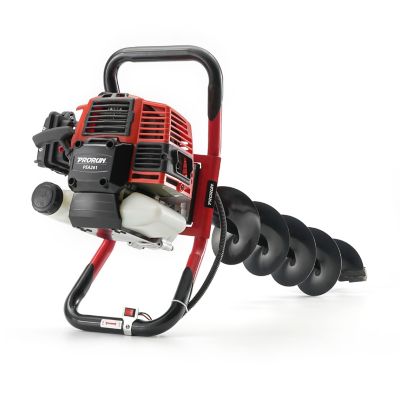
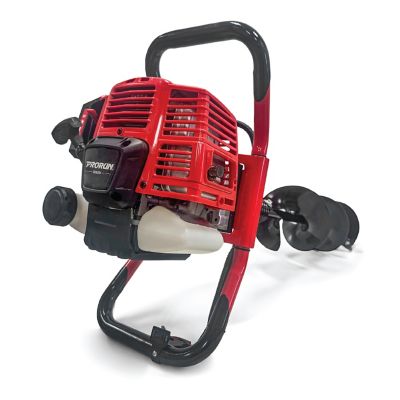
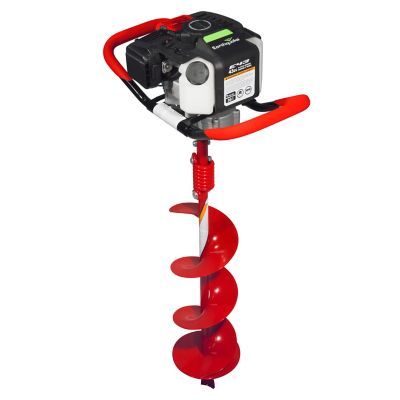
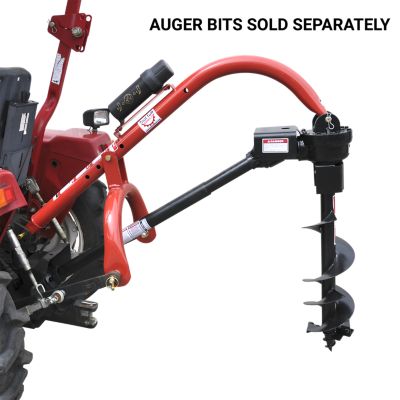
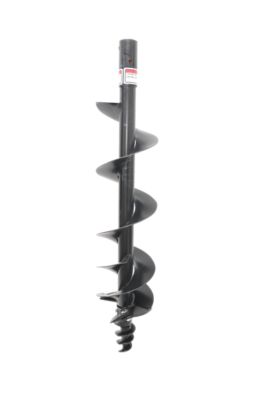
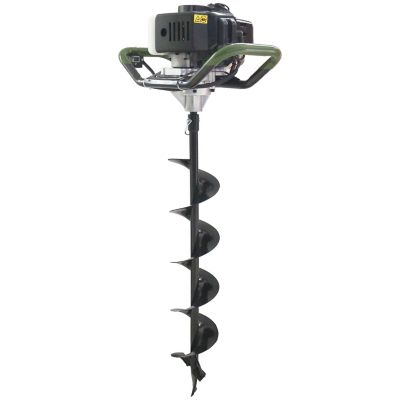
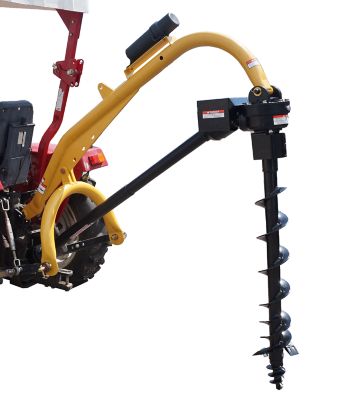
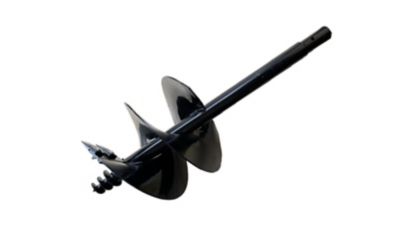
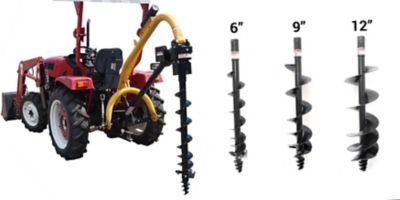
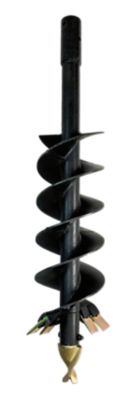
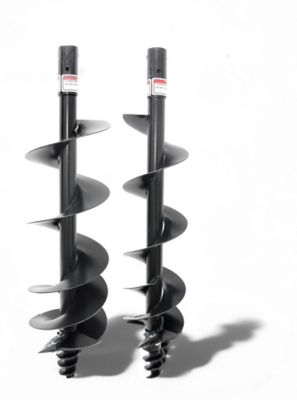
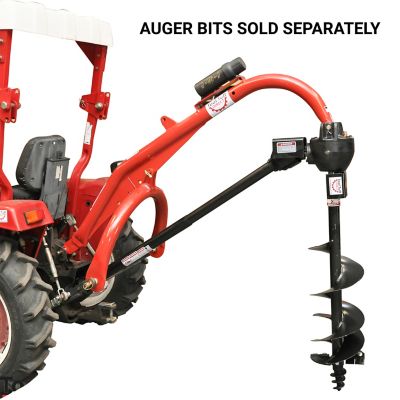
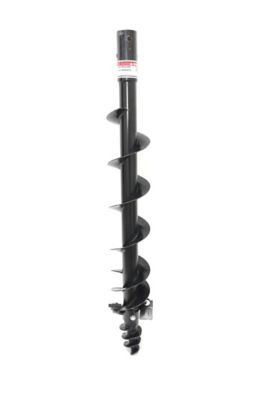
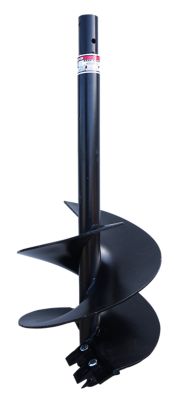
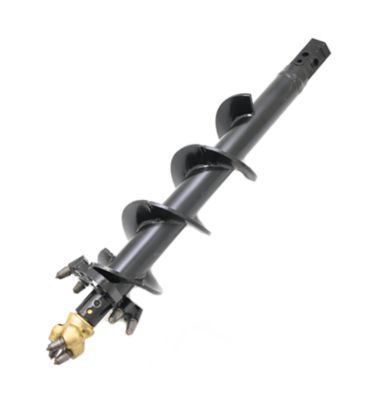
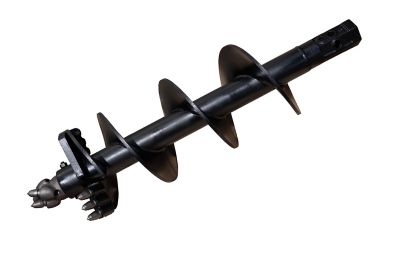
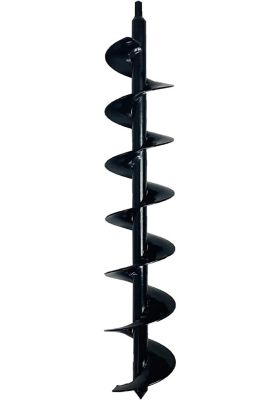
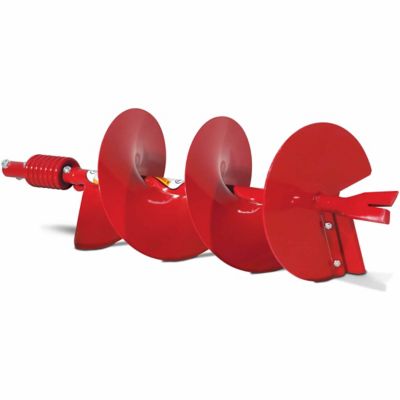
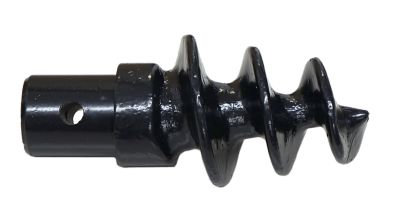
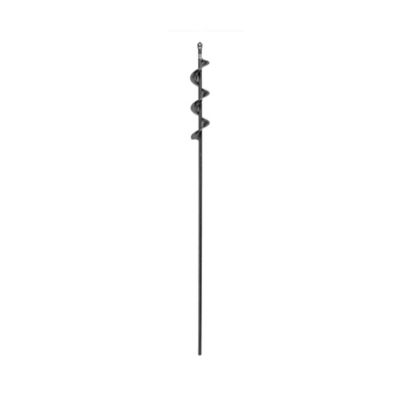
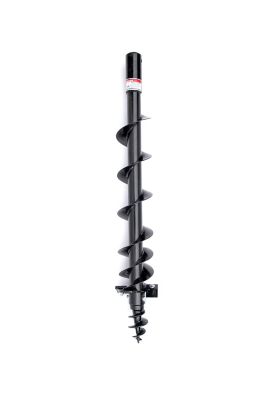
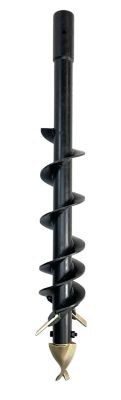
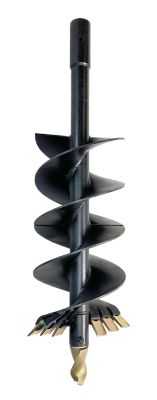
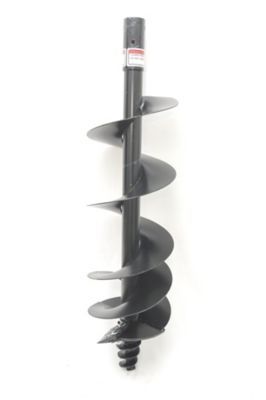
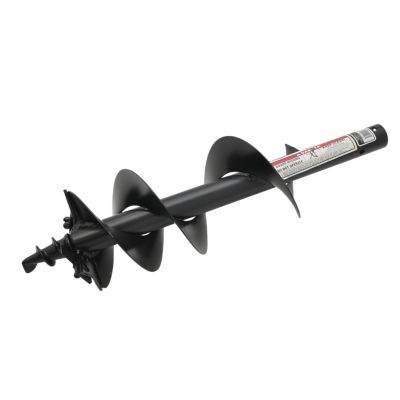
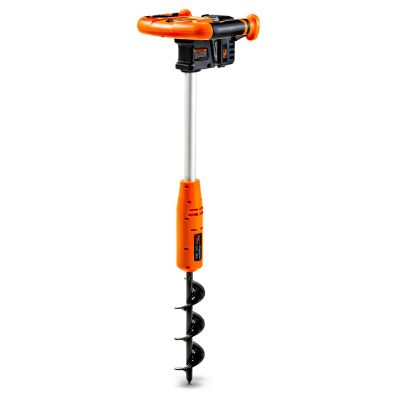
Heavy duty post hole augers help turn a demanding fencing, livestock, landscaping, or construction job into a more manageable day in the field. The right tool depends on the ground beneath your boots, the number of holes on your layout, and the equipment already available on your farm or property. For a short run of posts, a manual steel post hole digger can handle smaller jobs without fuel, batteries, or a tractor. Its clamshell blades open and close around loosened soil, making it useful for fence repairs, mailbox posts, signposts, and other occasional work. Long handles provide leverage, while a solid steel frame can stand up to repeated contact with packed earth. Manual tools also offer a quiet option near homes, livestock, or neighbors, though they take more time and physical effort when the soil is hard or the hole count climbs. For larger projects, a gas-powered handheld auger supplies rotating force to help bore through firm soil with less digging by hand. These units may suit ranchers, acreage owners, fence installers, and property managers who need to place several posts without bringing a tractor into a narrow gate, wooded edge, or finished area. A tractor-mounted PTO auger is often the better match for long fence lines, barn work, pasture improvements, and other jobs where a three-point hitch tractor is already part of the operation. Tractor attachments generally provide strong downward force and steady operation, making them useful for deeper holes and demanding ground, but they also require suitable tractor horsepower, hitch compatibility, clear working space, and careful operation.
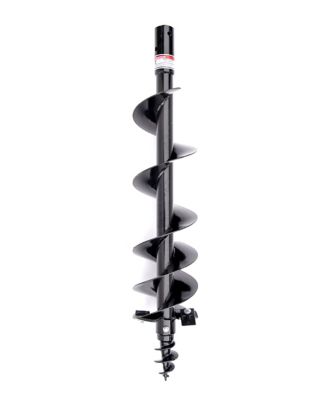
Before choosing a heavy duty post hole auger, measure the post size and check the hole diameter needed for the job. Fence posts, gate posts, deck supports, and structural posts may call for different diameters, and a hole that is too narrow can make setting and tamping difficult. Depth matters, too. Frost-prone areas, tall gates, corner posts, and livestock fencing may need deeper placement than a light garden fence. Compare the available auger bit sizes and confirm whether additional bits or extensions are supported by the tool. Soil conditions deserve just as much attention. Loose sand may move quickly but can collapse back into the hole, while clay can cling to the bit and demand frequent clearing. Gravel, roots, and buried rubble can slow the work or create a sudden jolt through the handles. Rocky ground may call for a pilot hole, a digging bar, or a different approach rather than forcing the auger. Walk the planned fence line first, mark each hole, and contact the appropriate utility-locating service before digging. Water lines, electric cables, gas lines, septic components, and invisible irrigation systems can sit below areas that look open and undisturbed. For tractor-mounted equipment, inspect the PTO shaft, guards, hitch points, shear protection, and hydraulic connections as applicable. For handheld power units, check the throttle, controls, fuel system, bit attachment, and emergency shutoff before starting. Gloves, eye protection, hearing protection, sturdy boots, and close-fitting work clothing help keep routine work safer, especially when soil, stones, and plant roots are thrown from the hole.
Think about the pace and setting of the project as well as the tool itself. A homeowner repairing a few leaning fence posts may appreciate the straightforward control of a manual digger, while a crew setting dozens of posts across a pasture may save substantial time with powered equipment. A handheld auger can be practical where a tractor cannot reach, but its rotating bit needs a firm stance and careful handling in uneven terrain. A tractor-mounted model can cover ground efficiently, yet the operator must account for the machine’s turning radius, overhead branches, slope, and the extra room needed to raise and lower the attachment. On a working farm, post hole equipment can support woven wire, high-tensile fencing, gates, shade structures, animal enclosures, and seasonal repairs before wet or frozen ground makes digging harder. During the cooler months, plan for changing conditions: damp clay may pack onto the bit, and early freezes can make shallow ground feel much harder than it did a few days earlier. Store bits clean and dry, remove packed soil after use, inspect cutting edges and fasteners, and follow the operating and maintenance directions supplied with the equipment. If you are comparing a manual tool with a gas-powered or tractor-mounted option, the broader selection of
Post Hole Diggers can help you weigh job size, soil type, hole depth, power source, and available attachments in one place. A thoughtful match saves strain, keeps the fence line moving, and leaves you with straighter, better-prepared holes for setting posts firmly.