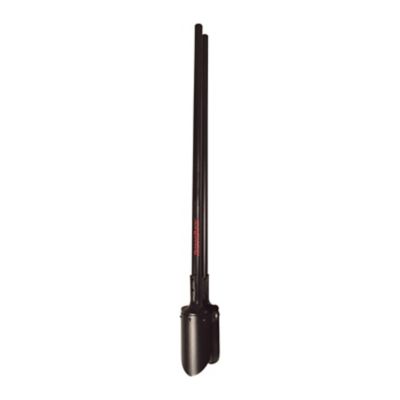
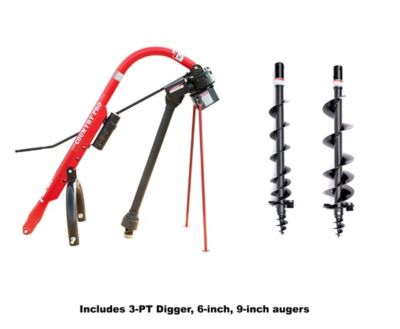
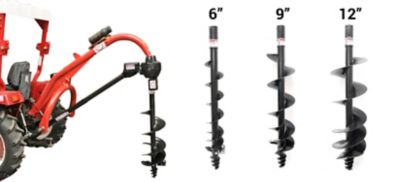
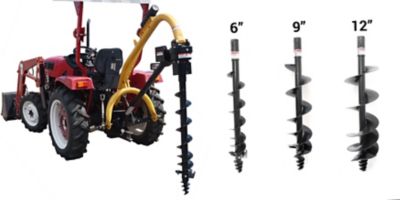
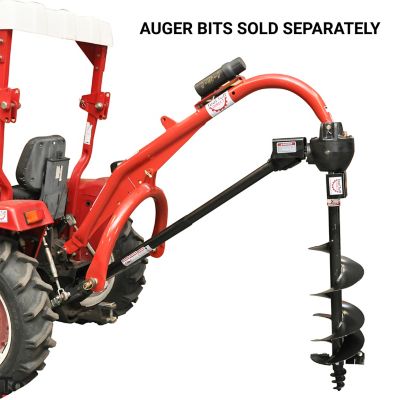
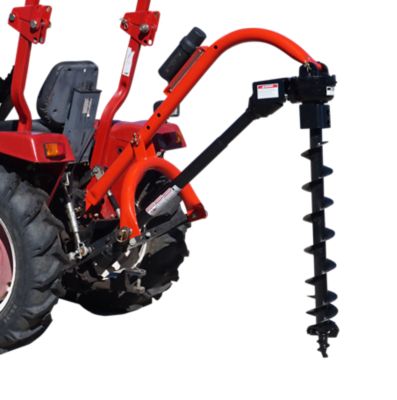
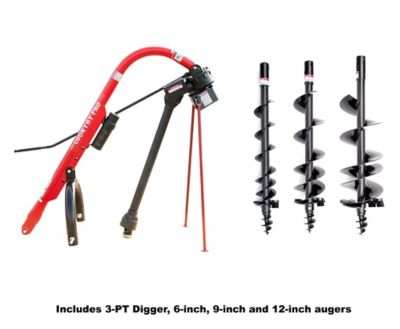
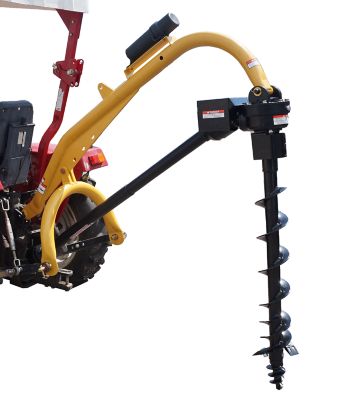
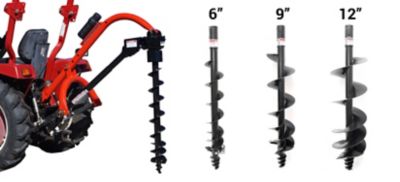
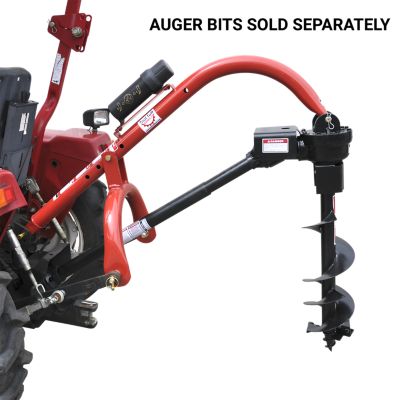
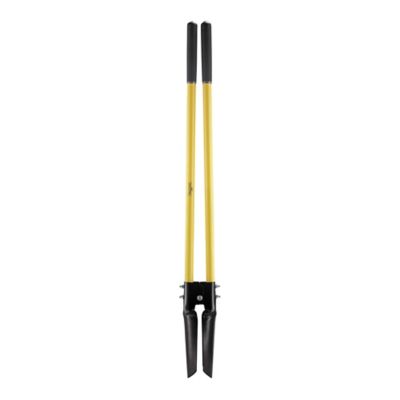
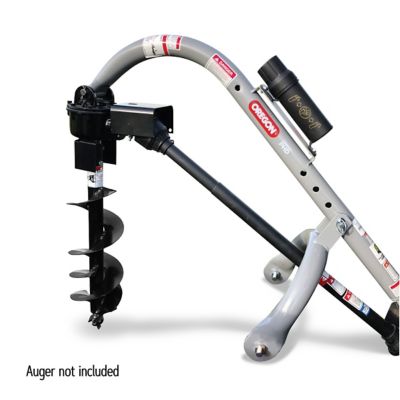
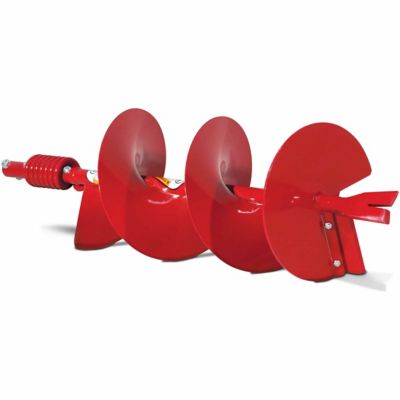
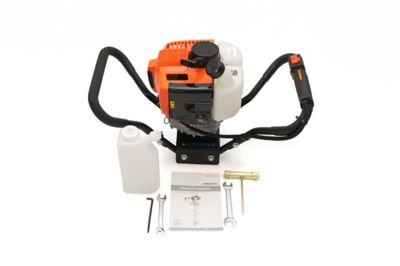
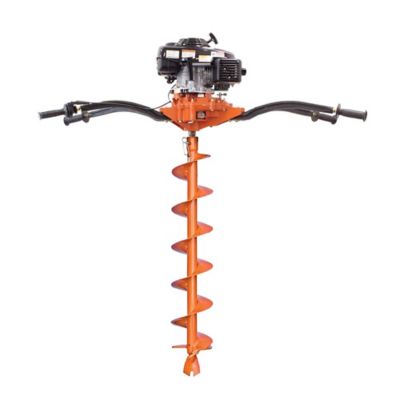
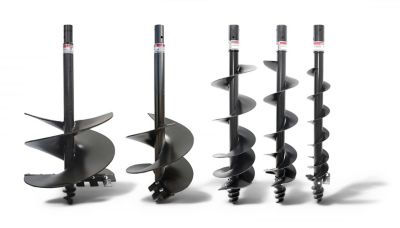
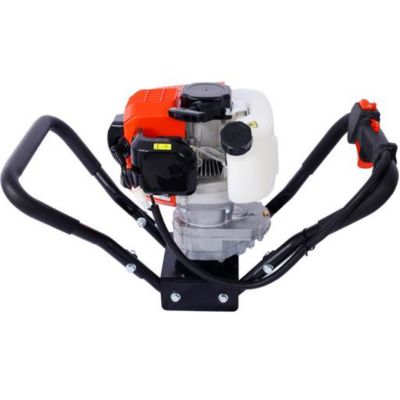
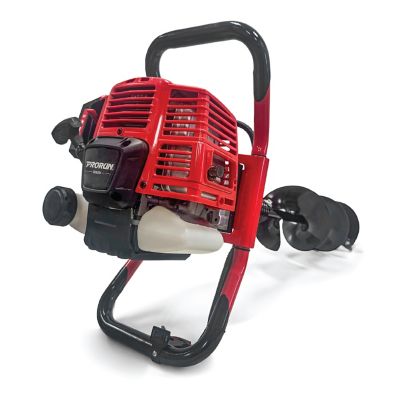
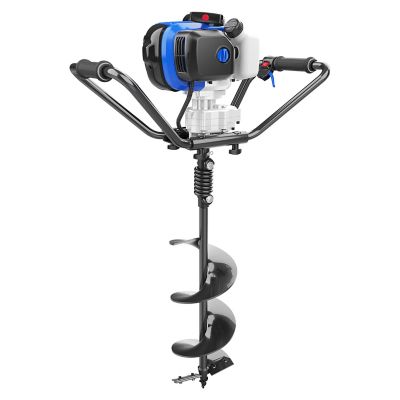
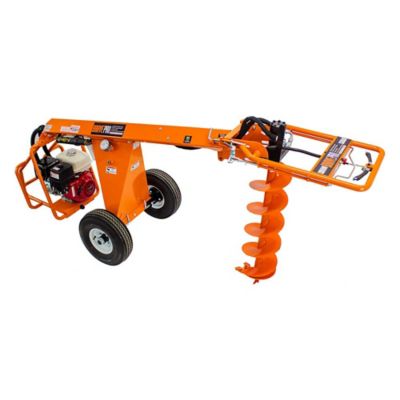
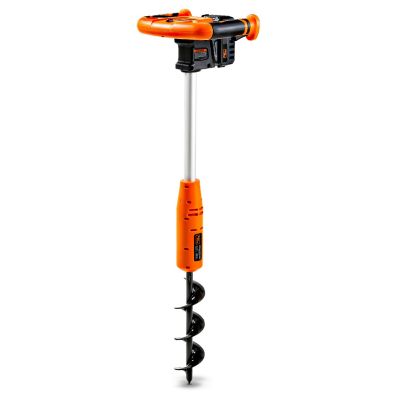
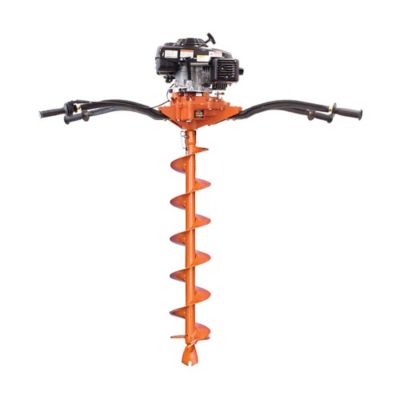
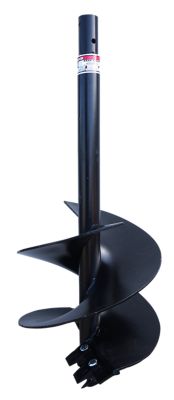
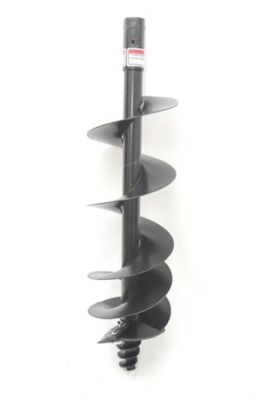
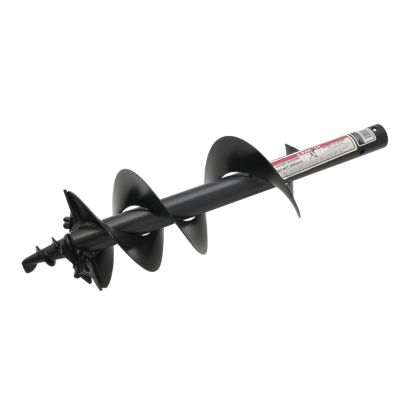
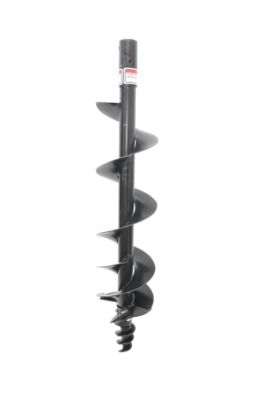
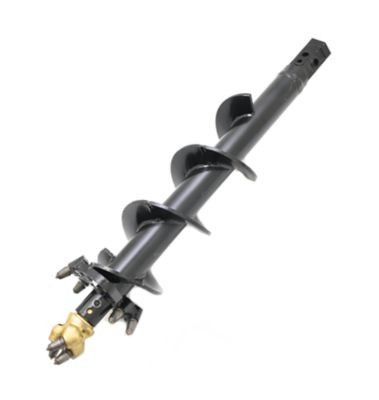
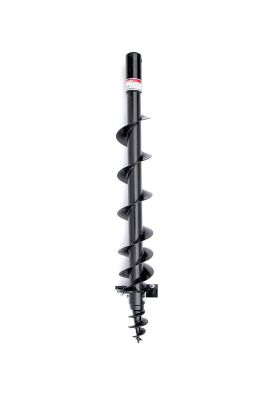
Heavy-duty post hole diggers include manual tools with reinforced steel blades, portable gas- or battery-powered earth augers, and tractor-mounted diggers driven by a power take-off (PTO). The right type depends on the soil, the diameter and depth of the holes, the number of posts going in, and the equipment doing the work. A few replacement posts beside a barn call for a different setup than a long stretch of pasture fence. Manual diggers open and close around the soil, lifting it out between paired blades, while augers rotate a cutting point and spiral flighting to loosen and bring soil toward the surface. Reinforced manual tools suit smaller jobs, tight spaces, and locations where transporting powered equipment would be more trouble than it saves. They also offer direct control when clearing loose soil from the bottom of a hole. Portable powered augers can reduce repeated digging effort across a fence line, though their weight, torque reaction, and operator requirements deserve attention. Some machines are designed for one operator, while others require two; those arrangements are not interchangeable. Tractor-mounted equipment fits larger property projects where the tractor has room to travel, line up, and work safely. A three-point hitch supports the digger, and the PTO supplies rotational power through the driveline and gearbox. Tractor horsepower alone does not determine a suitable match, since hitch compatibility, PTO specifications, attachment ratings, and lifting clearance all matter. For shoppers comparing the broader range of
Post Hole Diggers, the heavy-duty distinction is best considered through construction and rated working capacity rather than the label alone. These tools serve farmers, ranchers, fence crews, and property owners setting livestock fencing, repairing field entrances, or placing posts around a barn lot. The common goal is a hole suited to the post and its footing, without moving more earth than the project requires. Whether the job involves several corner posts or a whole new paddock, matching the tool to the workload helps keep repeated digging manageable.
Materials and fit make a noticeable difference once the digging starts. On manual post hole diggers, steel blades need enough strength to bite into packed soil without bending under normal working loads. Reinforcement around the blade connections, firmly attached handles, and well-fitting pivots help the tool handle repeated opening, closing, and lifting. Handle choices can include wood, fiberglass, or steel, each with a different balance of weight, feel, and care needs. Wood benefits from attention to splinters and surface condition, fiberglass should be checked for cracks, and steel handles add weight that matters over a long fence run. Handle length and grip shape affect reach and comfort, especially as a hole gets deeper and there is less room to spread the handles. Some blade and linkage designs need more clearance than others, so a tool that feels comfortable above ground may behave differently near the bottom of a narrow hole. For powered diggers, the cutting point, cutting edges, flighting, shaft connections, and gearbox all contribute to how the machine handles its rated work. Replaceable wear parts can make ongoing maintenance more practical, provided the replacements match the attachment. Dense clay puts substantial resistance on a cutting edge, loose sandy soil can fall back into the opening, and gravel or embedded rocks can interrupt an auger’s progress. More engine power does not turn a standard earth auger into a rock drill. Soil with large stones, heavy roots, or other obstructions may call for a different tool or equipment specifically rated for those conditions. Auger diameter should follow the requirements of the post, footing, and project specifications; a larger bit adds both digging resistance and soil to remove. On tractor attachments, hitch category, PTO speed, driveline fit, and clearance through the hitch’s movement are important compatibility details. Many smaller agricultural tractors have Category 1 hitches, while larger machines may have Category 2 or other arrangements. The tractor and attachment specifications establish the proper match, including any restrictions on tractor size or power. A heavier assembly also needs enough lifting capacity and a tractor setup suited to carrying it.
Long service life depends on care as much as strong construction. Soil left packed around blades, auger flighting, and fasteners can hide damage and hold moisture against metal, while worn cutting edges make a digger work harder than it should. Cleaning after the job, checking attachment points, and storing equipment out of standing water help keep the next repair from turning into a struggle. Painted or coated surfaces offer protection, but exposed steel and damaged finishes still need attention. Manual diggers benefit from sound grips, secure handle connections, and pivots that move freely without excessive looseness. Powered equipment adds service needs such as gearbox lubricant checks, engine maintenance where applicable, and inspection of guards, driveline components, and retaining hardware according to the manufacturer’s schedule. Batteries and chargers need compatible connections and storage that follows their instructions. A heavy-duty tool should also fit the person operating it: total weight, balance, grip spacing, and control placement can matter as much as digging capacity when several holes are on the job list. Powered augers can catch abruptly on obstructions, so operator limits and the manufacturer’s handling requirements are part of the buying decision, not an afterthought. Tractor PTO shafts and rotating augers require intact guards and clear separation from people, loose clothing, and animals. Servicing, clearing a jam, or changing a bit requires the equipment to be shut down and its power isolated as directed by the manufacturer. Underground utility locations also need to be established before any digging project; contacting 811 is an important part of that planning, and private lines may need separate locating. Around a working property, a well-matched post hole digger earns its place through repeated fence repairs, new enclosures, and gate-post projects. The best fit balances digging capacity with control, manageable upkeep, and the demands of the ground, giving the operator a tool suited to the work from the first hole to the last.