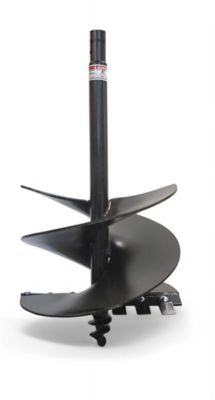
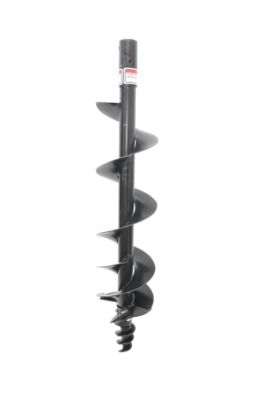
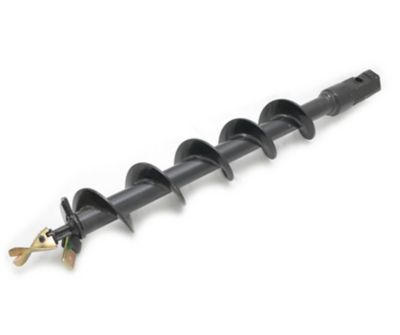
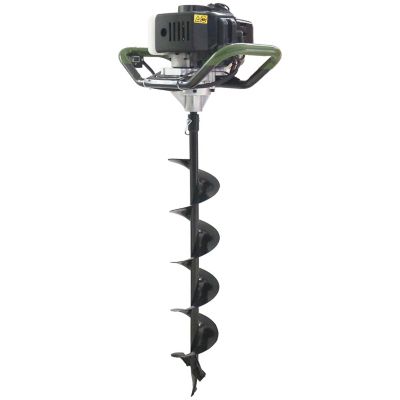
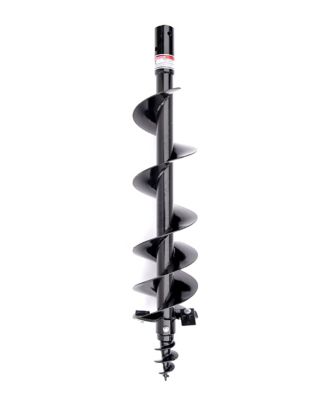
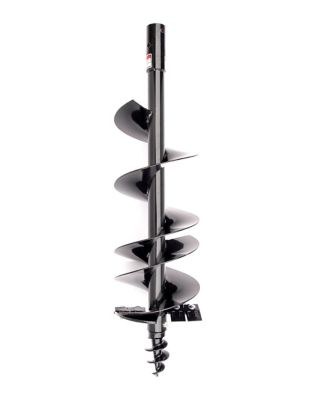
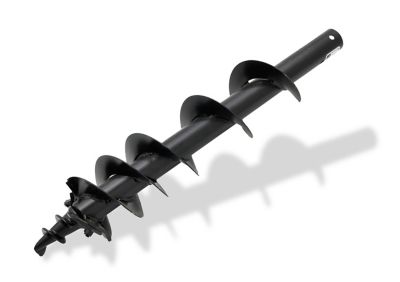
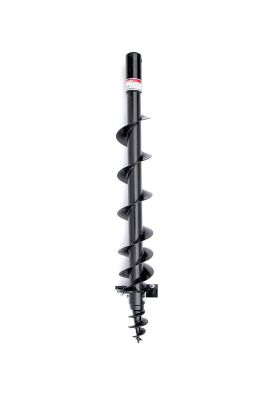
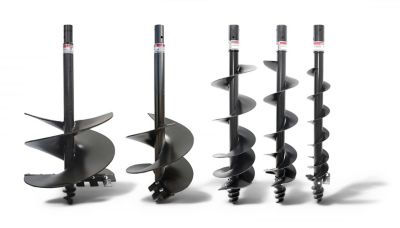
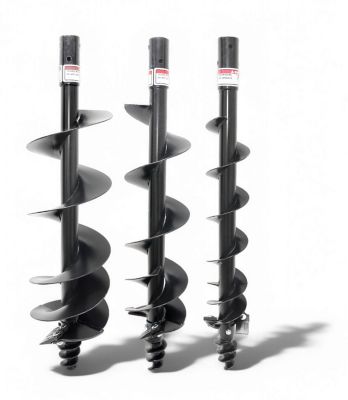
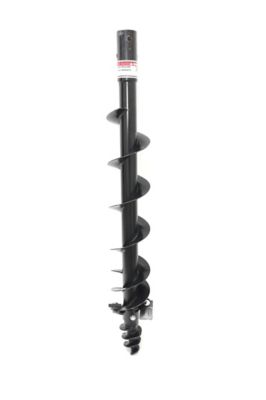
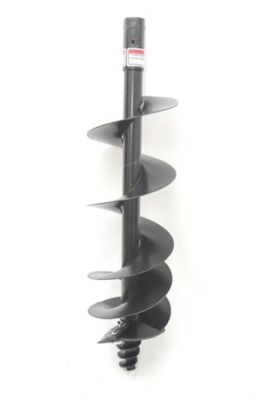
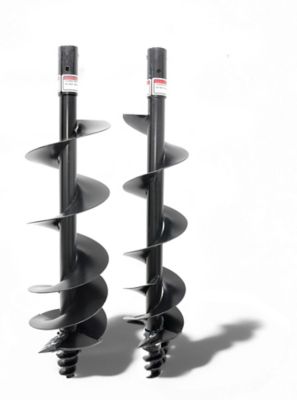
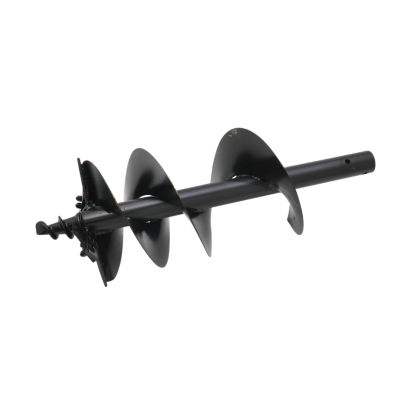
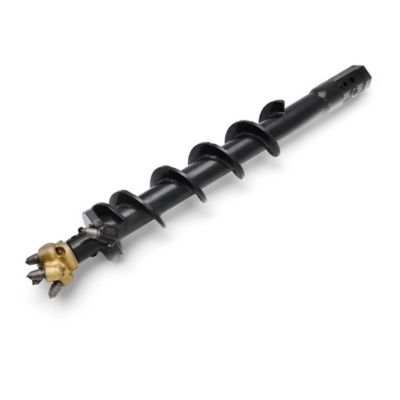
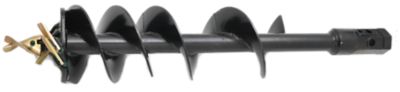
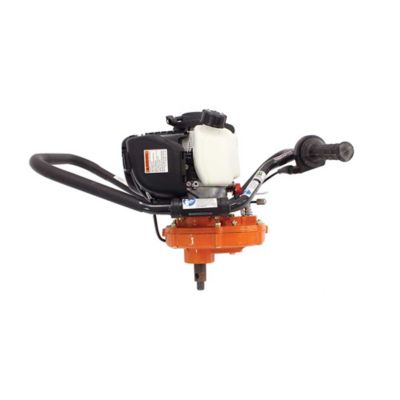
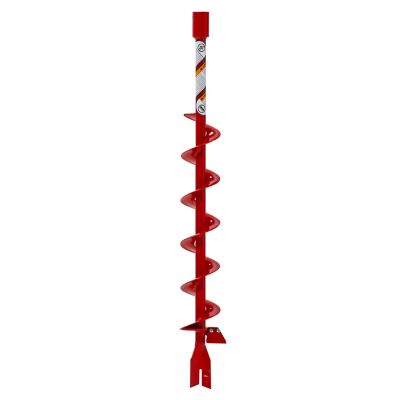
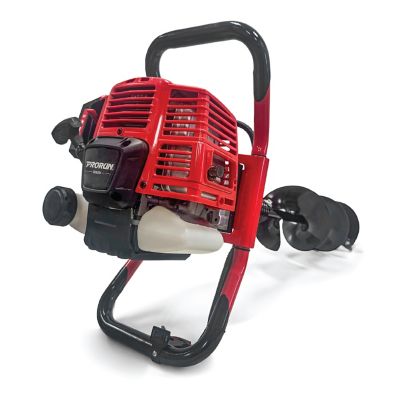
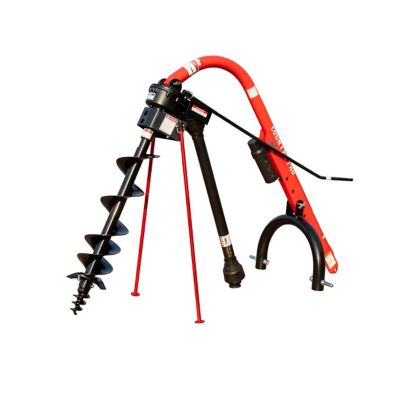
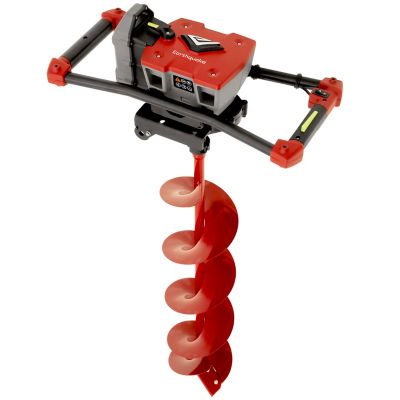
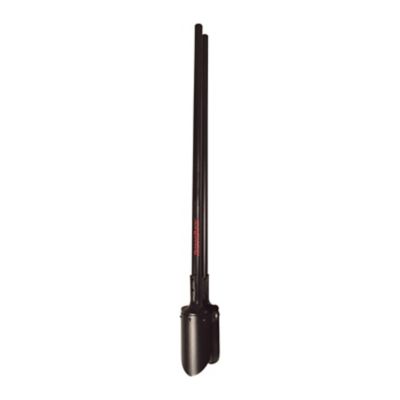
Fence augers are digging tools that turn a spiral-shaped bit through soil to make holes for fence posts. Manual, gas-powered, electric and tractor-mounted designs suit different jobs, from setting a few garden fence posts to laying out a long stretch of pasture fencing. As the bit turns, its cutting edge loosens the ground and its spiral flights carry soil toward the surface. That makes an auger different from a clamshell post hole digger, which lifts soil between two scooping blades. The right setup depends on how many holes the job calls for, the ground beneath the fence line and the equipment already on the property. A hand-operated fence auger can make sense for a small project in workable soil, especially where access is tight and hauling in larger equipment would be more trouble than the digging itself. Gas-powered earth augers bring engine-driven digging power without a cord, making them a practical consideration for fence lines well away from an outlet. One-person and two-person configurations have different handling requirements, and an engine’s displacement alone does not tell the whole story about digging performance. Machine weight, gearing, bit size and torque-control features all play a part. For shoppers considering battery-powered or corded equipment,
Electric Augers offer another way to approach post hole digging without a gas engine. Battery platform compatibility and expected digging time matter for cordless equipment, while corded tools need a suitable electrical supply and a cord setup that meets the manufacturer’s requirements. Tractor-mounted post hole diggers fit a different scale of work, pairing an earth auger with compatible farm equipment for repeated holes across larger properties. Whether the job involves a backyard enclosure or a cattle fence, matching the power source to the workload helps keep the equipment suited to the task rather than simply choosing the biggest machine.
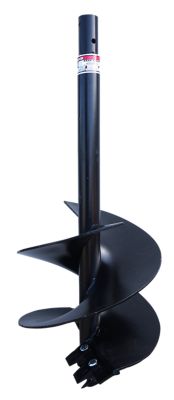
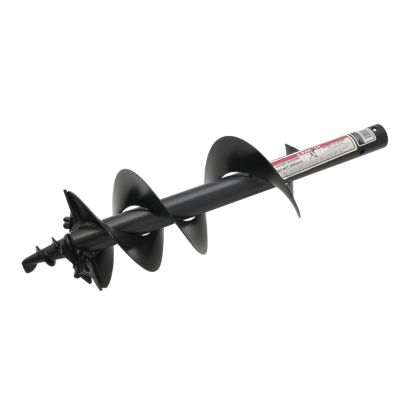
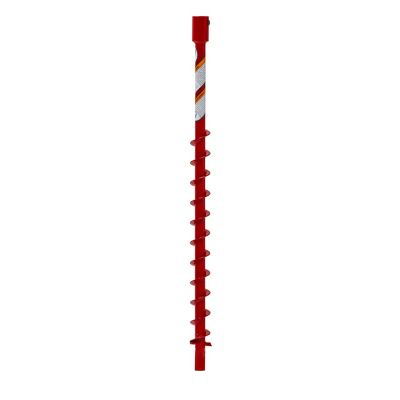
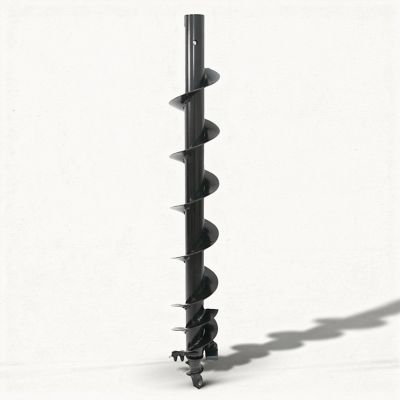
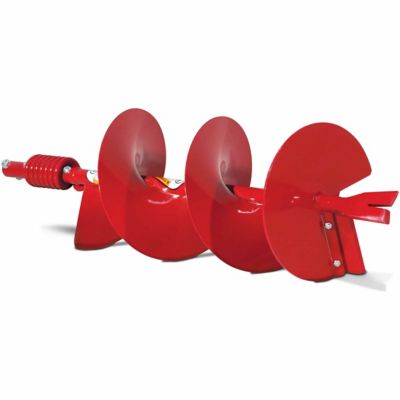
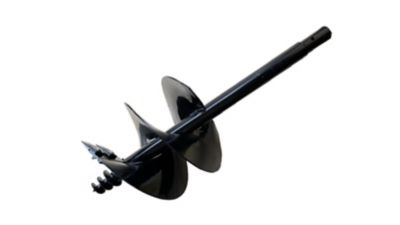
Auger bit diameter, digging depth and attachment fit deserve just as much attention as the power source. Fence post holes need room for the post and the backfill or concrete specified for the installation; matching the bit diameter directly to the post width can leave too little working space. A round livestock post, a square wood line post and a substantial gate post may call for different hole dimensions along the same fence. Hole depth also depends on the fence design, soil conditions, local requirements and the load the post must carry. Gate openings deserve particular attention because the supporting posts take forces that ordinary line posts do not. Published digging depth should be checked alongside the bit’s working length, with any extension evaluated for both compatibility and the machine’s operating limits. A longer assembly changes handling and clearance, not just reach. Connection details matter, too: shaft shape, shaft diameter, mounting hardware and the powerhead’s approved bit sizes must line up. Similar-looking connections are not enough to establish a proper fit. For tractor-mounted equipment, hitch category, tractor horsepower range, PTO requirements and driveline dimensions are part of that same compatibility check. Hydraulic attachments have their own mounting, flow and pressure requirements. Steel shafts and spiral flights form the working structure of many earth auger bits, while cutting teeth and pilot points take concentrated wear at the bottom of the hole. Depending on the design, replaceable wear parts can help keep an otherwise sound bit in service when its cutting edge wears down. Standard soil bits and bits intended for more demanding ground are not necessarily interchangeable, even when their diameters match. The included components also deserve a close look: a powerhead, a separate auger bit and a complete attachment serve different purchasing needs. Clear specifications help distinguish the digging assembly from the parts needed to connect it safely.
Ground conditions can change the feel of a fencing job within a few post spaces. Loose soil may lift readily along the flights, while dense clay can cling to the bit and demand more frequent clearing according to the operator’s manual. Sandy ground may fall back into a hole, and buried roots or stones can stop progress abruptly. An ordinary fence auger is not a rock drill, and more engine power does not turn every obstruction into something the bit can cut. For a farm owner replacing a short section of livestock fence, manageable weight and straightforward transport may matter most. For a fencing crew laying out repeated holes, service access, wear-part replacement and a machine suited to repeated operation carry more weight. Tight corners beside an existing fence can favor a different setup than an open field with room for a tractor to maneuver. Those everyday details help explain why no single auger size or power source fits every property. Care requirements vary by design, but removing packed soil, checking fasteners and inspecting cutting components help reveal wear before the next job. Cleaning and inspection belong with the power disconnected and all moving parts stopped; battery removal, spark plug disconnection or other isolation steps depend on the equipment’s instructions. Gas engines need the specified fuel and maintenance, batteries need charging and storage that follow their instructions, and gearboxes or driveline components may have lubrication requirements. Safe operation is another part of finding the right fit. Utility locating through 811 and any necessary checks for private buried lines belong ahead of digging. Rotating bits and PTO drivelines require intact guards, close attention to clothing and a clear work area. Operators and helpers should never try to steady or clear a turning auger by hand. Equipment that matches the ground, the operator and the fence plan gives a post-setting project a sound starting point, whether that means a handful of holes around the yard or a long line stretching toward the back pasture.