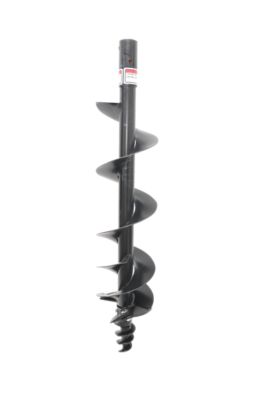
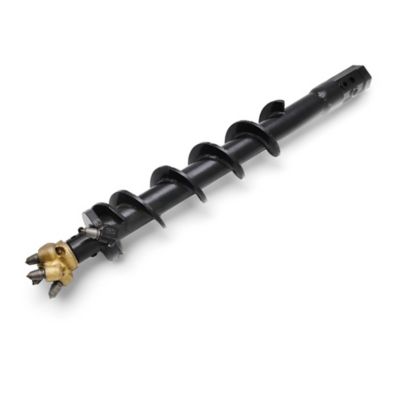
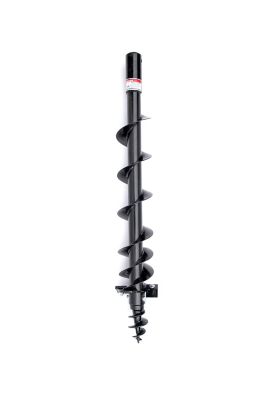
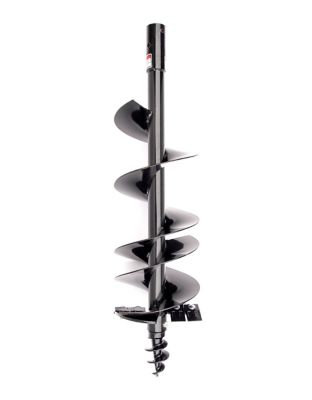
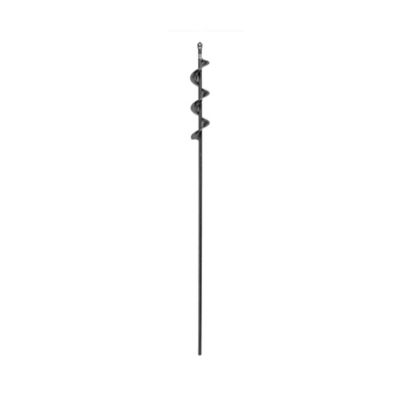
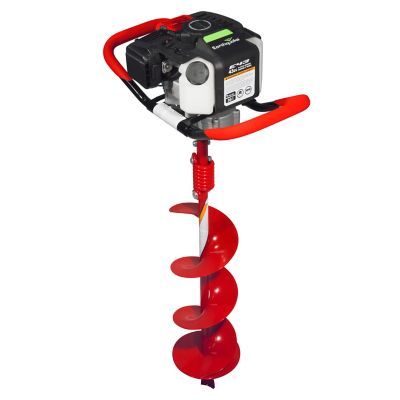
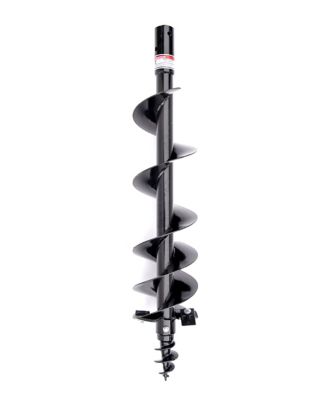
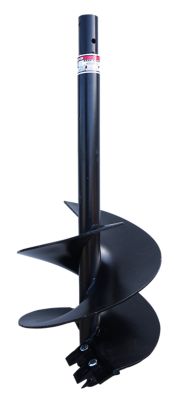
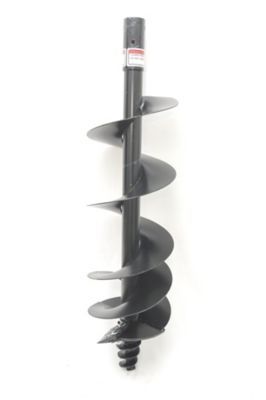
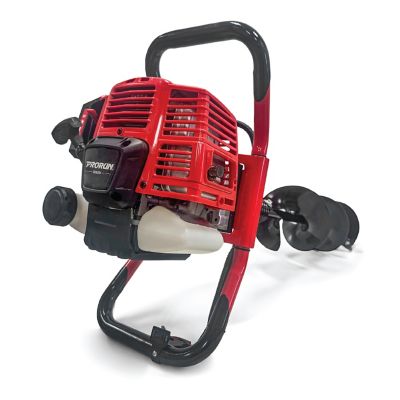
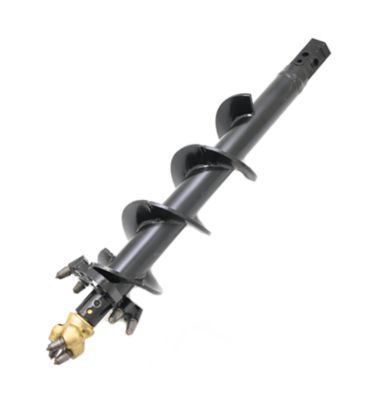
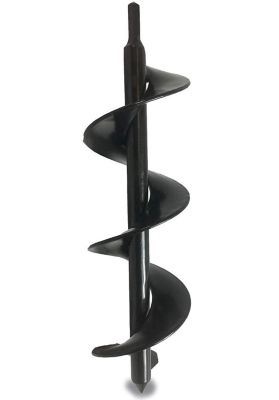
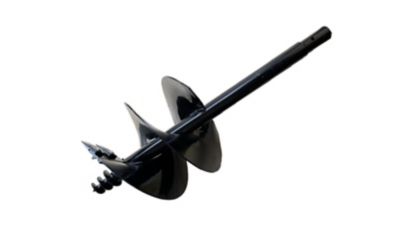
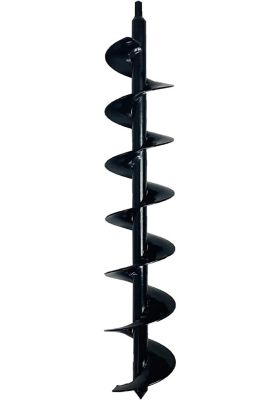
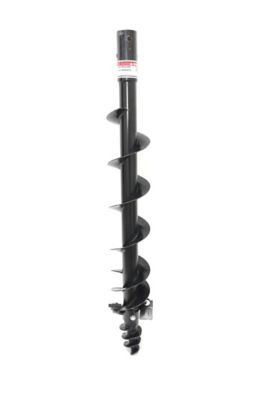
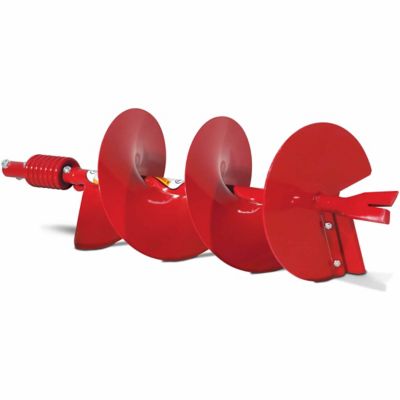
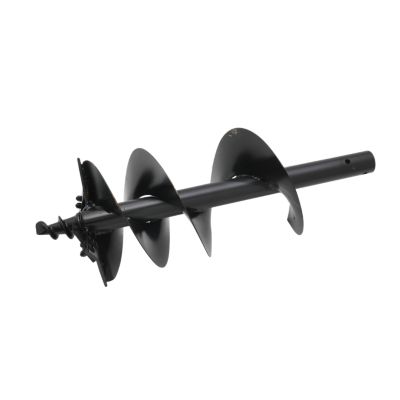
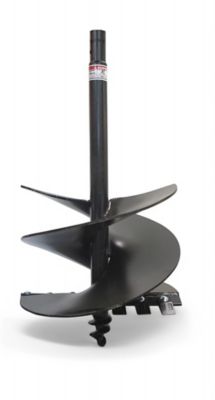
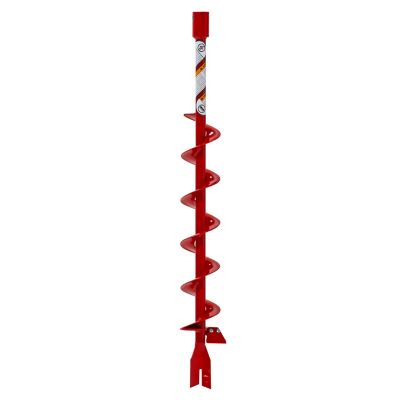
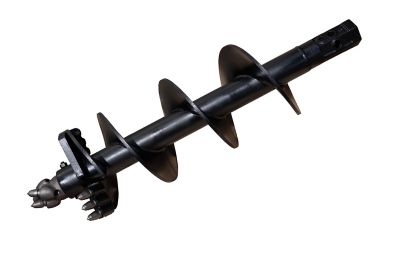
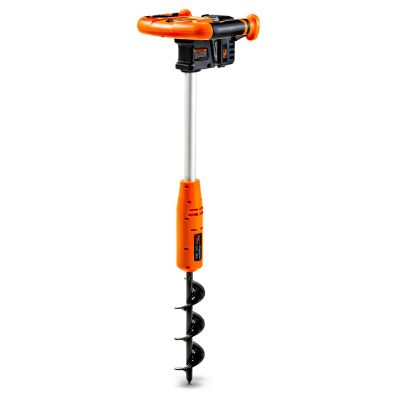
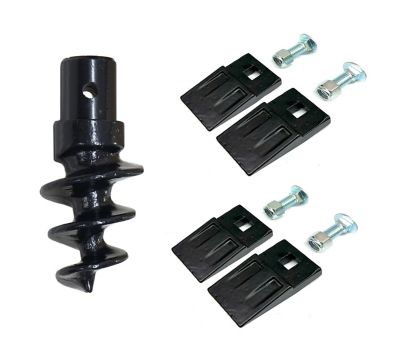
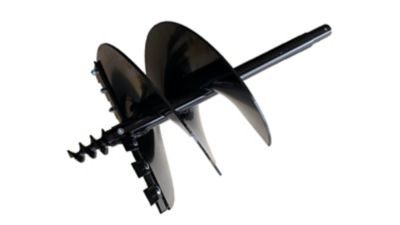
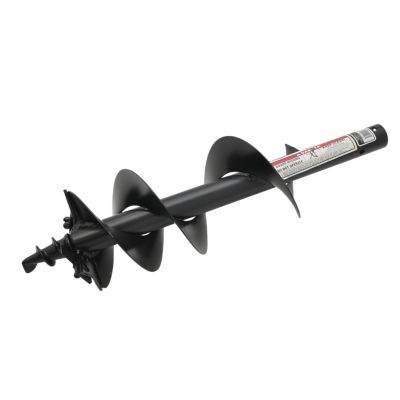
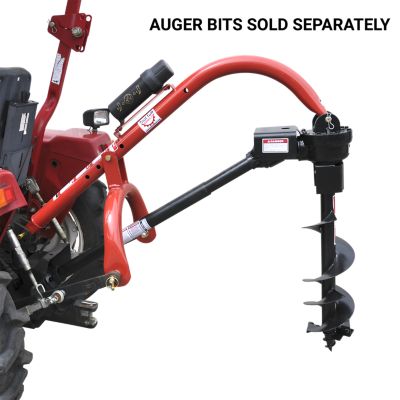
Steel augers are built for jobs that call for a clean, controlled hole and a tool that can stand up to hard use. Their spiral shape pulls soil, wood chips, ice shavings or other loose material up and out of the opening as the cutting edge turns, making them useful around the farm, homestead, workshop, jobsite and hunting camp. Smaller auger bits are often used with a compatible hand drill, impact driver or other power tool for planting bulbs, setting small posts, drilling through lumber or making repeated holes in soft materials. Hand-powered post hole augers use a long shaft and handles to help break through soil without relying on fuel or electricity, which can be handy along a fence line where a larger machine cannot reach. Larger steel augers may be designed for tractors, skid steers or other equipment and are better suited to demanding construction, landscaping and agricultural work. The right style depends on the material being drilled, the size and depth of the hole, and the machine or tool providing the turning power. A compact auger can be a welcome addition to a gardener’s shed, while a heavy-duty attachment may be the kind of practical gift a landowner, fence builder or contractor puts to work season after season.
Before choosing a steel auger, match its drive connection to the equipment you already own. Small bits may use a round shank, hex shank or another specific connection that must fit the drill chuck or tool holder securely. For powered equipment, check the required output shaft, hydraulic system, mounting pattern and operating limits before purchase. An auger that is too large for the available power can bog down, twist unexpectedly or place unnecessary strain on the motor and drive components. Hole diameter matters just as much. A narrow bit may be suited to bulbs, seedlings, wire supports or pilot holes, while a wider flight is more appropriate for fence posts, deck supports, tree planting and other tasks that need more room. Also consider the working length, especially when setting posts or drilling below the surface layer. High-carbon steel offers strength for many general-purpose jobs, and thicker flighting can better resist bending when the cutting edge meets packed clay, gravel, roots or an occasional buried stone. Stainless steel may be a useful choice in wet conditions or where corrosion resistance is especially important. Keep in mind that no auger should be forced through material outside its intended use. Soil conditions can change across the same property, and dry, compacted ground may require a different approach than loose garden soil. A quick look at the tool’s specifications, including recommended speed, drive size, bit diameter and suitable materials, can help prevent an ill-fitting purchase and make the work go more smoothly.
A steel auger earns its keep when it is used with steady pressure, the proper speed and a little attention between jobs. Clear away rocks, wire, heavy roots and other obstructions when possible, and keep hands, loose clothing and long hair away from rotating parts. Eye protection is a smart choice whenever soil, chips or bits of metal may be thrown from the hole. With powered equipment, inspect the connection before starting and stop the machine before clearing packed material from the flighting. A short pause to lift the auger and let loose soil fall away can help reduce binding and keep the cutting edge working efficiently. After use, brush off dirt and moisture, inspect the cutting edge and flighting for bends or cracks, and store the auger in a dry place. A light coat of appropriate rust protection can help preserve unfinished steel, particularly when tools are used in damp ground or stored during the cooler months. For projects that call for powered drilling without a large machine, shoppers may also compare steel designs with
Electric Augers to find a setup that fits their available power and working conditions. From preparing garden beds as the weather warms to repairing fences, planting trees and handling property work during the cooler months, the right steel auger can save time, reduce strain and leave a neat, dependable hole ready for the next step.