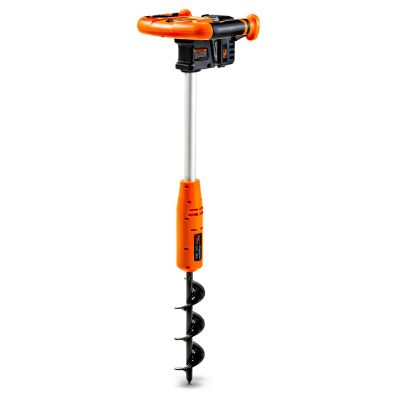
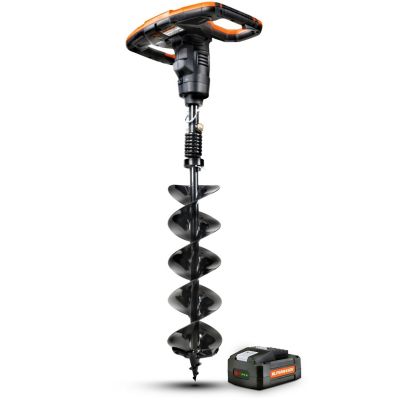
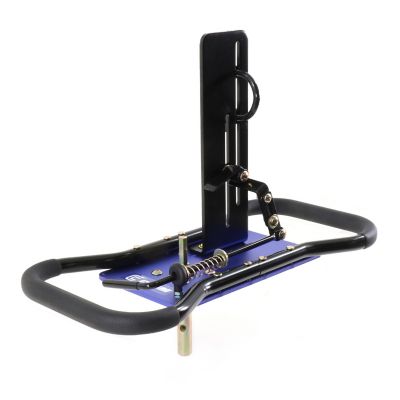
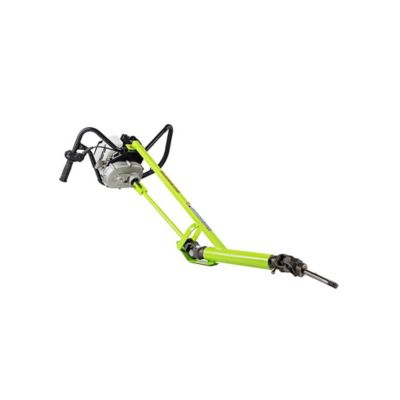
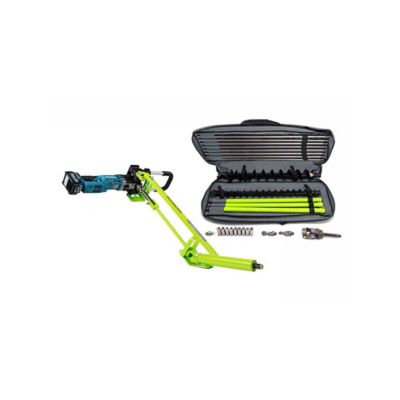
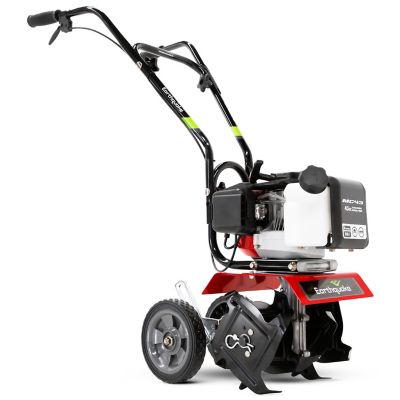
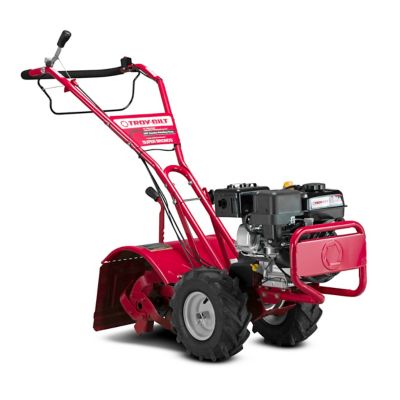
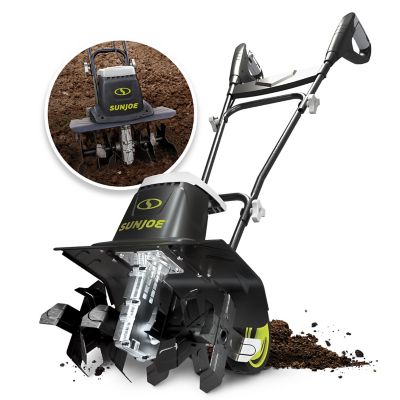
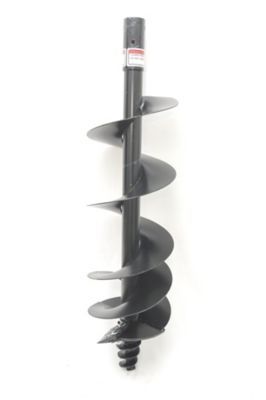
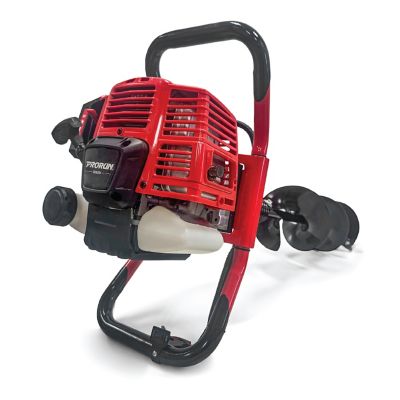
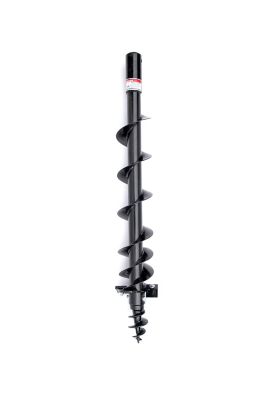
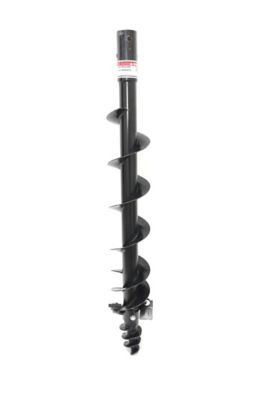
Electric augers bring steady powered digging to jobs that used to call for a gas engine, hand tools, or a fair amount of patience. Depending on the design, an electric auger may be used for turning soil, setting fence posts, planting trees, drilling through lake ice, or clearing a stubborn drain. Cordless models are especially handy around farms, cabins, hunting properties, and large yards because there is no fuel to mix, no pull cord to wrestle with, and no exhaust hanging in the air while you work. A charged battery and a clear work area can get you started quickly, whether you are lining up a run of posts along a pasture or opening fishing holes during the colder months. Electric earth and post-hole augers are a natural fit for landscaping crews, homeowners, utility workers, and anyone repairing or expanding a fence. They can make short work of planting beds, mailbox posts, signposts, young trees, and other projects that require a series of evenly spaced holes. When working in packed clay or ground with small roots, a high-torque motor and a sharp, properly sized bit help keep the job moving. Soil conditions still matter, though. Rocky ground, heavy roots, and very dry soil can slow any auger, so it pays to call local utility services before digging, mark the layout carefully, and keep a digging bar or shovel nearby for obstructions. For projects where durability and cutting performance are priorities, browse related options such as
Steel Augers. A steel bit can offer a solid feel when boring into firm ground, while the right diameter keeps holes from being either too tight for a post or unnecessarily wide and difficult to fill.
Choosing the right electric auger starts with matching the tool to the material and the job. An earth auger is built for soil and landscaping work, while an ice auger is designed to cut cleanly through frozen water with blades made for that hard, slick surface. Ice anglers often value a lightweight design, balanced handling, and a battery that can drill several holes without adding extra weight to a sled or bucket. A reverse function is useful on earth and ice models alike because it helps back the bit out when it reaches a stubborn root, dense patch, or thick section of ice. Anti-kickback protection is another important feature; electronic controls can stop or reverse the motor when the bit binds, reducing the sudden twist that can strain your wrists and shoulders. Look for comfortable handles, a manageable overall weight, and controls that are easy to reach while wearing work gloves. Battery compatibility deserves attention, too. If you already use cordless outdoor equipment, staying within that battery platform may let you share chargers and battery packs, which can reduce the cost of building out your tool collection. Pay close attention to the voltage, amp-hour rating, included battery and charger, and the manufacturer’s run-time guidance. More capacity can mean longer work between charges, but it may also add weight. For a large post-setting project, keeping a spare charged battery close by can save a long walk back to the barn or truck. For ice fishing, carry batteries in a protected, insulated spot and keep cutting components clean and dry after use. A little care goes a long way: inspect fasteners before each job, keep blades sharp, remove packed soil or ice, and store the auger where moisture will not leave corrosion behind.
Electric drain augers serve a different purpose but offer the same basic benefit: controlled power in a compact tool. Often called electric snakes, these handheld or drum-style machines feed a flexible cable into a clogged sink, tub, floor drain, or plumbing line. They can help break through hair, soap buildup, grease, and other common blockages without relying on harsh chemical cleaners. A drum model keeps much of the cable enclosed, making it a practical choice for routine household maintenance, while a longer, heavier-duty cable may be better suited to larger lines and more demanding clogs. Cable length and diameter should match the drain size and the distance to the blockage; using too large a cable in a small line can damage plumbing or leave the tool difficult to control. A variable-speed trigger gives you a gentler start and better control as the cable moves through bends, while forward and reverse settings help work through a clog or retrieve the cable when the job is finished. Wear gloves and eye protection, keep hands clear of the rotating cable, and follow the tool’s instructions for feeding and cleaning. Electric augers can be useful gifts for a new homeowner, a handy relative, a landowner preparing for fence work, or an ice angler getting ready for time on the lake. They are also practical additions to a farm, workshop, maintenance trailer, or cabin where dependable tools save time when weather turns rough and a small repair cannot wait. Whether the work involves fresh soil, frozen water, or a backed-up drain, selecting the proper auger style, bit or cable size, power source, safety features, and replacement parts helps make each job cleaner, steadier, and easier to finish.