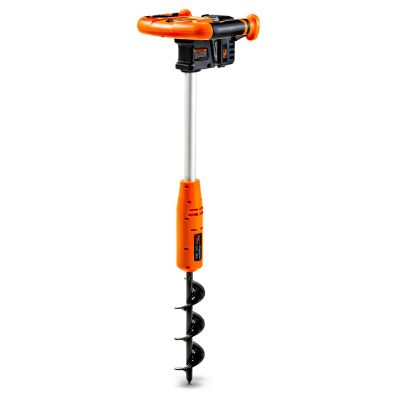
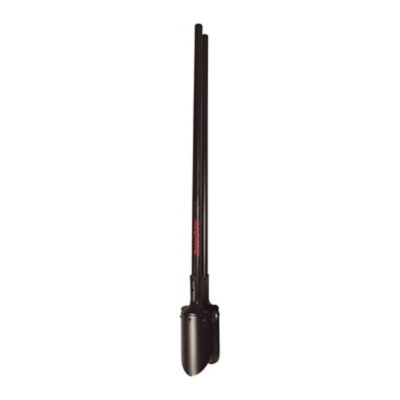
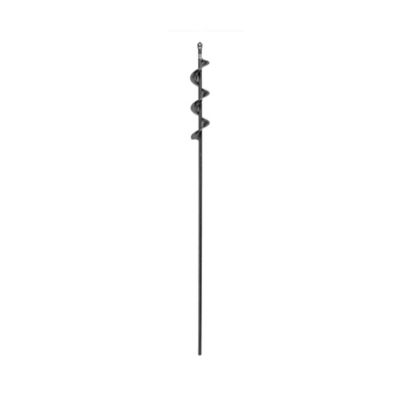
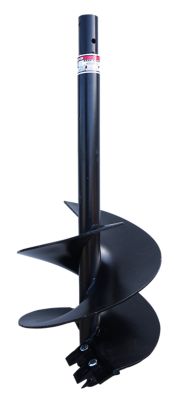
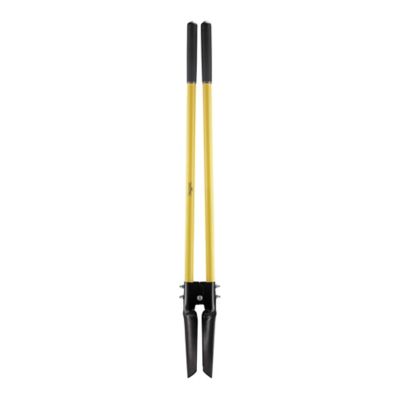
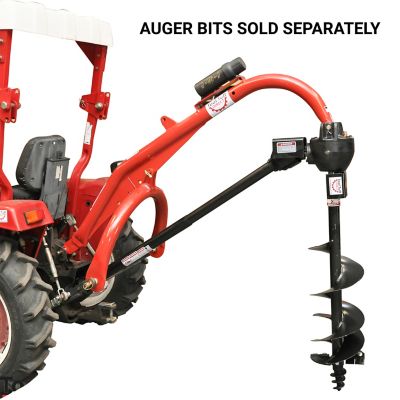
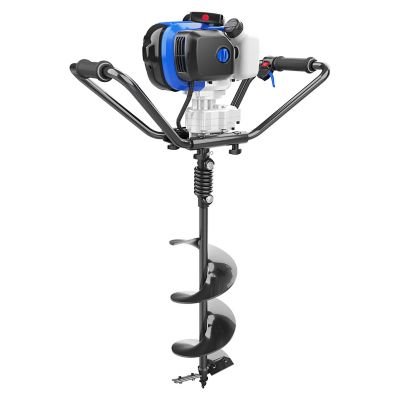
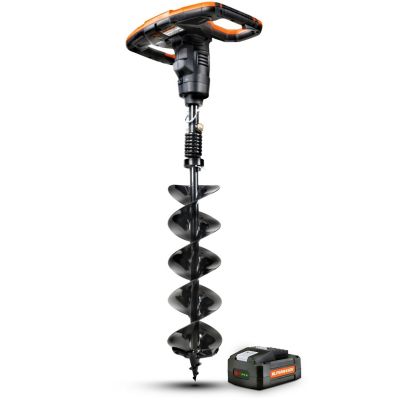
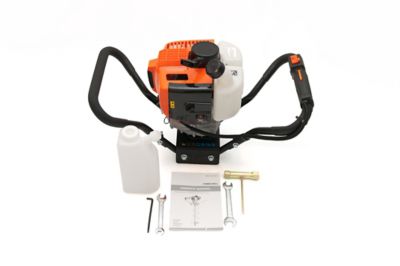
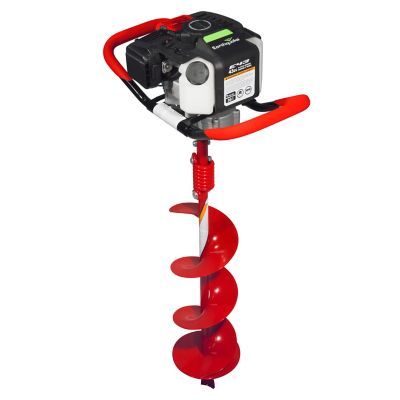
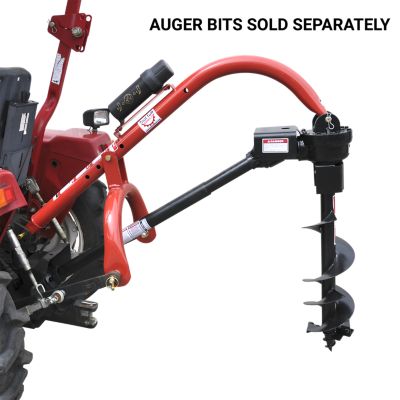
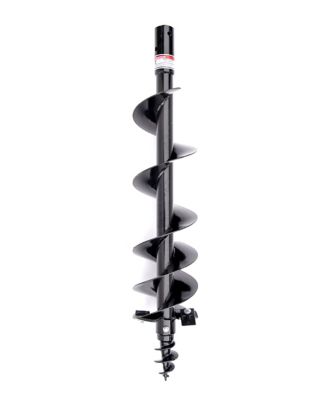
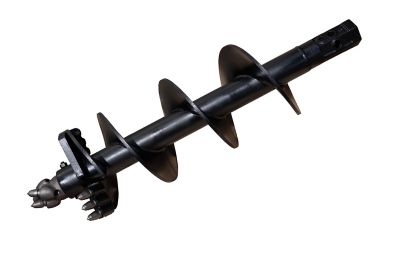
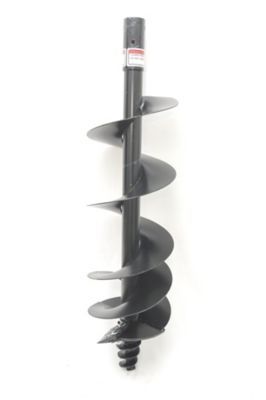
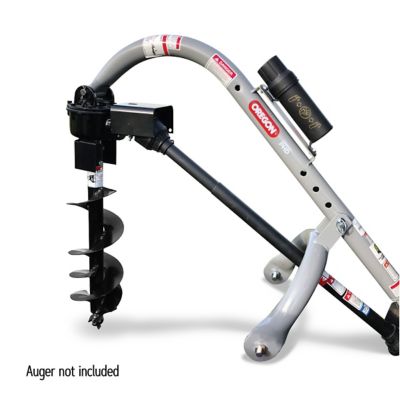
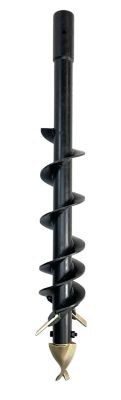
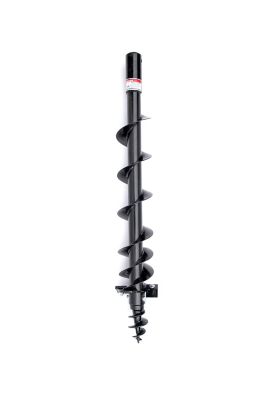
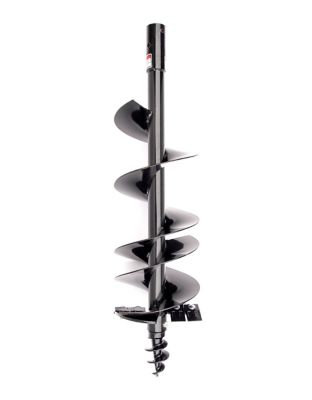
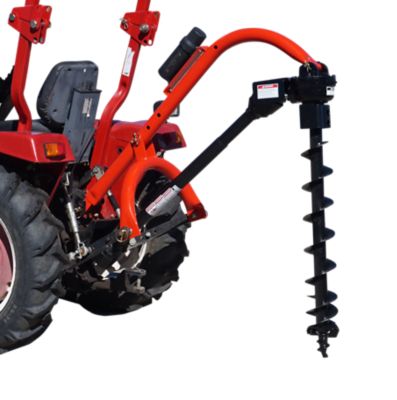
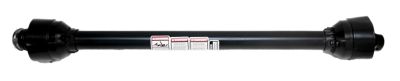
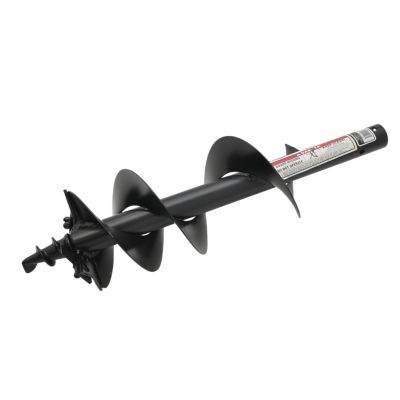
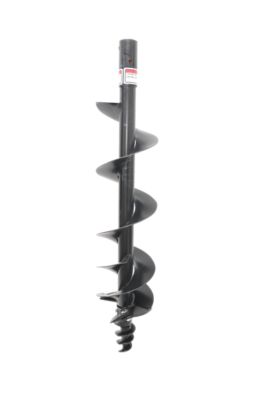
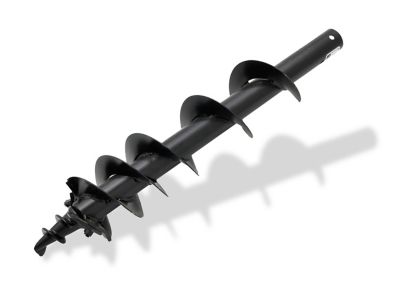
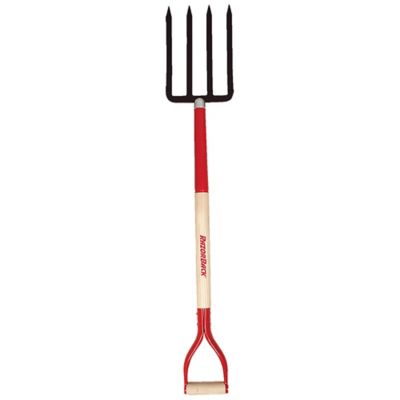
Post hole diggers are made for the jobs that call for a clean, dependable hole in the ground, whether you are setting a run of fence posts, putting in a mailbox, planting young trees, or building the framework for a small livestock pen. For a handful of holes in a backyard or along a farm lane, a manual clamshell-style digger is a practical choice. Its two steel blades open and close with the handles, letting you bite into the soil, lift out a scoop, and keep working without fuel, batteries, or a tractor. Manual post hole diggers are especially handy where space is tight, around existing landscaping, beside a shed, or near established fence lines where a larger machine would be awkward. They also give you a good feel for what is below the surface. You can tell when the soil changes from loose topsoil to hard clay, packed gravel, or a stubborn stone. For larger fencing projects or ground that needs many holes in a short stretch, a powered auger can save a lot of time and back strain. Handheld gas and electric augers are portable options for clear soil and one- or two-person work, while tractor-mounted post hole diggers are suited to acreage, utility tractors, and long stretches of new fence. If you are comparing powered digging equipment, take a look at
Fence Augers for another option when speed and repeatable hole sizing matter. The right tool depends on the number of posts, the soil, the available room, and the kind of equipment you already use around the property.
When choosing a post hole digger, start with the work rather than the tool name. Count the holes, consider the post size, and think about whether you are working in open ground or threading between trees, buildings, gates, and garden beds. A manual digger is often the better fit for fewer than a dozen posts, fine-tuning an existing hole, or working in rocky ground where an auger may catch and jerk. A digging bar, spud bar, or sturdy pry bar can help break up compacted soil and loosen stones before the blades go back in. In heavy clay, work straight down and lift the material out instead of scraping the walls into a wide cone. A narrow, even hole gives a post better support and leaves room for properly placed fill around it. For general fence work, the hole is commonly sized at about two to three times the diameter of the post, with depth based on the post length, local frost conditions, soil stability, and the fence design. Many installations place at least one-third of the post below ground, though gates, corner posts, tall fences, and areas with soft or wet soil may call for deeper or reinforced settings. A powered auger can make consistent holes quickly, but it still pays to check the diameter and depth as you go. Underground utility lines, irrigation, buried cables, and old roots can turn a routine project into a serious problem, so mark the work area and have utilities located before breaking ground. Wear sturdy boots, work gloves, eye protection, and hearing protection around powered equipment. Keep a firm stance, follow the equipment instructions, and do not try to force a machine through a rock or root that has it bound up. Good balance and a steady pace matter more than muscle, especially when the ground is dry and hard during the warmer season or beginning to firm up as cooler weather arrives.
A post hole digger can be a useful addition to a property owner's tool collection, and it is the sort of practical gift that earns its keep year after year. It suits homeowners putting up a garden fence, rural families repairing pasture lines, hunters improving access around a property, and anyone preparing a place for a mailbox, sign, clothesline, shade structure, or young tree. Manual models are easy to store in a barn, garage, or truck toolbox and are ready whenever a post needs resetting after wind, frost, livestock pressure, or a leaning gate. A powered option may be a better match for someone managing a larger farm, maintaining several acres, or tackling a new fence where dozens of evenly spaced holes are part of the plan. Before choosing, check handle length, blade shape, overall weight, construction, and whether replacement parts or accessories are available. Longer handles can provide extra leverage, while a lighter tool may be easier to control for smaller jobs or repeated work in close quarters. For powered equipment, pay attention to power source, engine or motor requirements, bit diameter, starting method, operator controls, and whether the machine is designed for the soil conditions you expect. Keep in mind that even the best digger works better when the ground is prepared sensibly. Moist soil usually cuts more easily than bone-dry ground, but saturated soil can collapse into the hole and make accurate placement difficult. Set aside loosened dirt on a tarp or board so it does not disappear into grass, gravel, or garden beds, and check each hole with the post before mixing concrete or adding packed soil. A level, a tape measure, and a length of scrap wood can help keep post spacing and height consistent from one end of the project to the other. Whether the job is a quiet afternoon setting a mailbox post or a full stretch of farm fencing, the right post hole digger helps turn hard ground into a solid start.