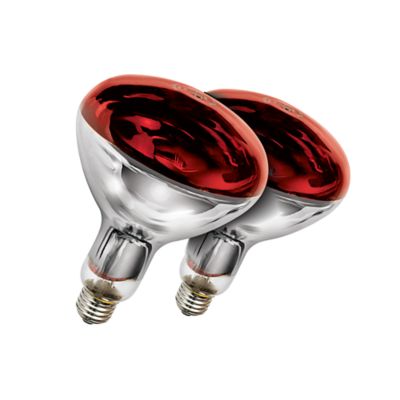
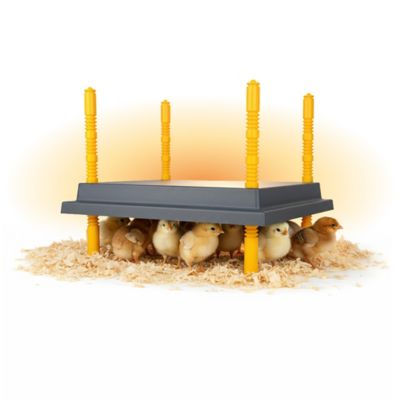
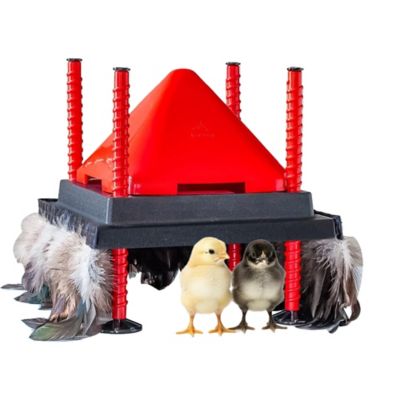
Heat lamps for chicks provide steady warmth during the brooding stage, when newly hatched birds cannot regulate their body temperature on their own. They are commonly used by backyard chicken keepers, small family farms, 4-H members, homesteaders and anyone raising a new batch of chicks before the birds are ready for an outdoor coop. A good heat lamp setup helps create a warm spot where chicks can rest, dry off and settle in, while leaving enough room in the brooder for them to move away from the heat when they need a break. For newly hatched chicks, many poultry keepers begin with a brooder temperature near 95°F at chick level during the first week. The temperature is generally lowered by about 5°F each week by raising the lamp or adjusting the setup until the chicks are fully feathered and can safely transition to a suitable coop or sheltered outdoor space. A thermometer placed where the chicks are standing gives you a more useful reading than a room-temperature reading across the barn or utility room. Chicks also offer plenty of practical feedback: birds packed tightly beneath the lamp are likely cold, while birds pressed against the brooder walls or spread out far from the warm area may be too hot. Comfortable chicks tend to move around, eat, drink and rest in loose groups, with room to choose the spot that feels right.
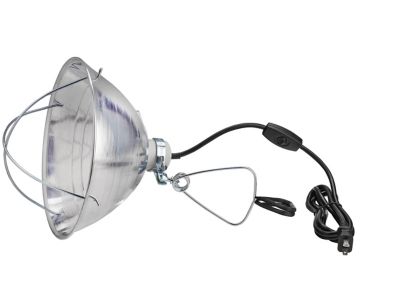
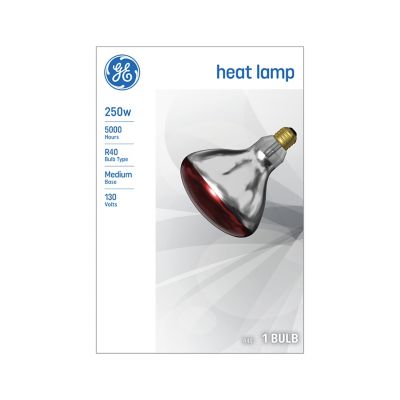
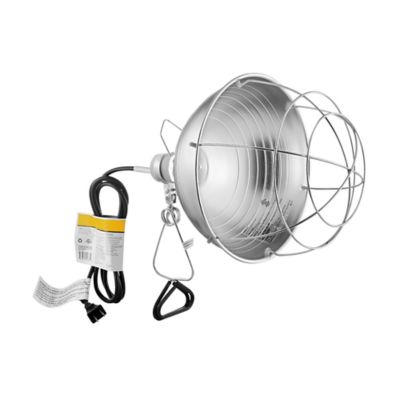
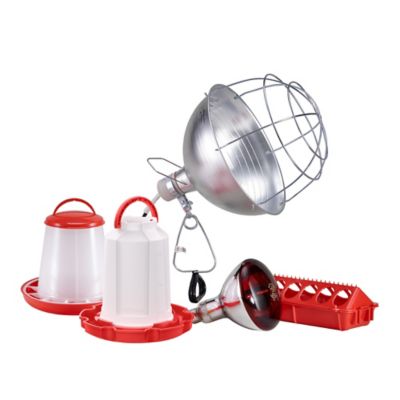
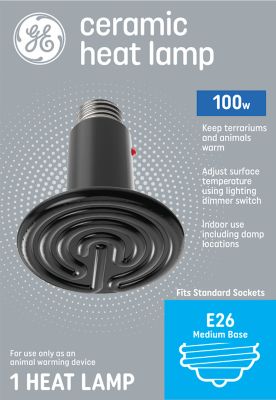
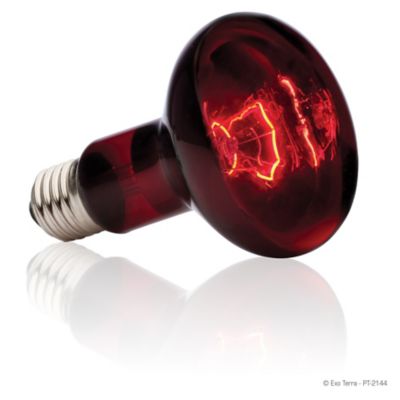
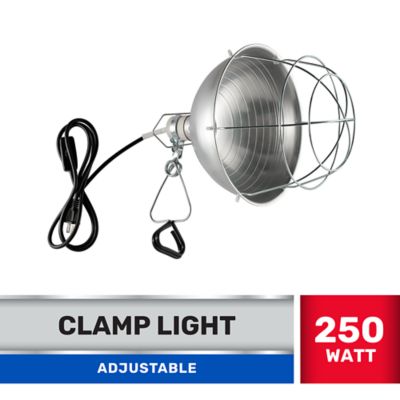
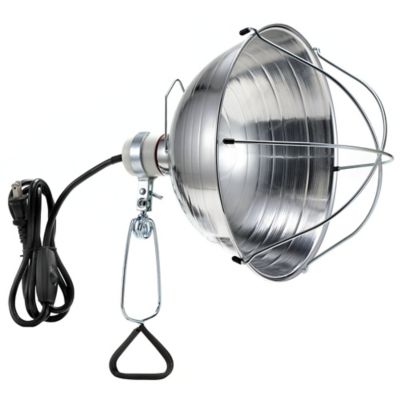
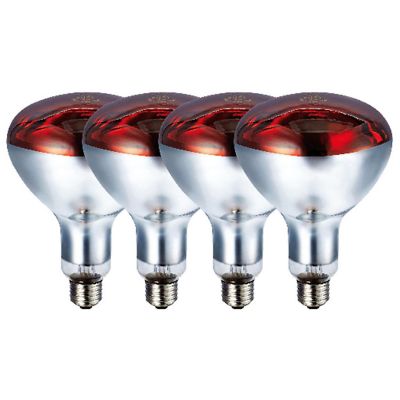
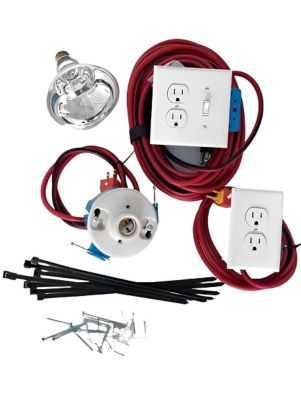
When comparing heat lamps for chicks, consider the size and shape of the brooder, the number of birds, the height of the lamp, the bulb wattage and the way the fixture will be mounted. A larger brooder may need a wider warm area, while a small tote or box can become too hot quickly if the lamp is too close or the bulb is too powerful. Choose a fixture with a sturdy metal reflector and a ceramic socket rated for the bulb being used, and follow all instructions for the fixture and bulb. A clamp can help position the lamp, but the spring clamp should not be the only thing holding it in place. Secure the fixture with a chain, wire or other strong secondary support attached to a stable structure so it cannot drop into bedding if it is bumped, loosened or knocked by curious birds. Keep the reflector, bulb and cord away from waterers, damp bedding, cardboard edges, curtains, hay, dust and other materials that can burn. Fine wood shavings and straw can catch fire when they contact a hot surface, so keep the heat source well above the bedding and inspect the brooder often for kicked-up litter. Use a properly rated outdoor or heavy-duty extension cord only when needed, avoid overloaded outlets and replace cords with cracked insulation or loose connections. A ground-fault circuit interrupter can add protection in damp areas, but it does not replace safe mounting and regular supervision. For shoppers comparing heating choices for poultry areas,
Electric Heat Lamps can also be considered for other farm, workshop and animal-care uses, provided the fixture and bulb are matched correctly.
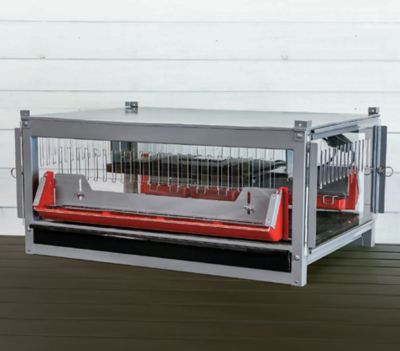
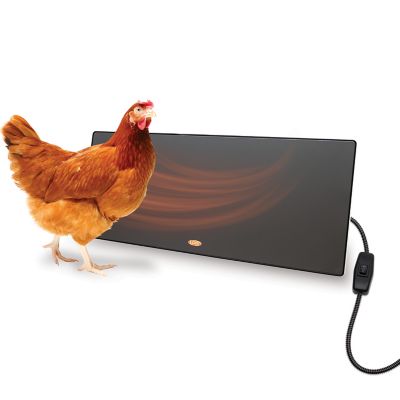
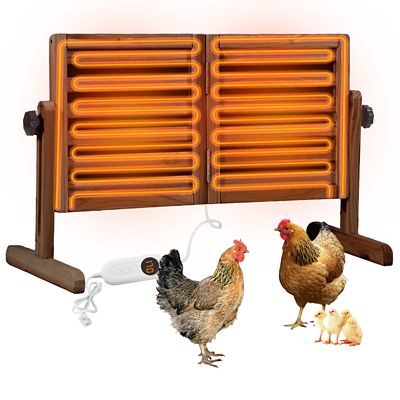
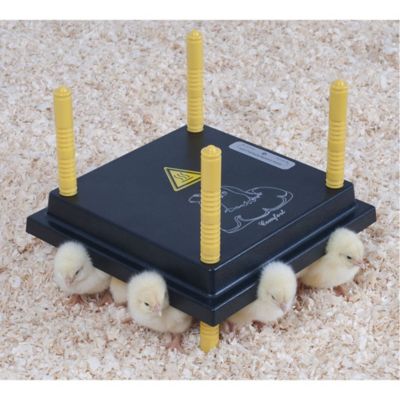
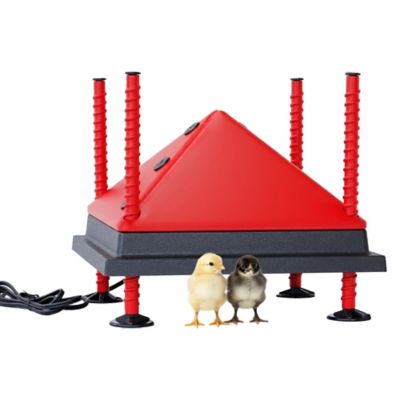
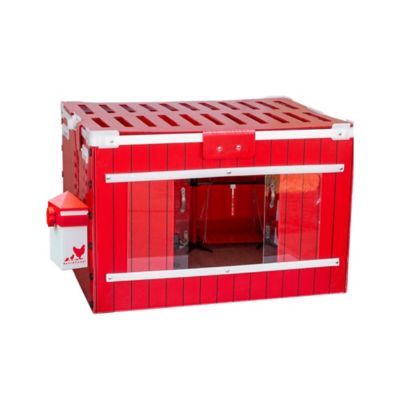
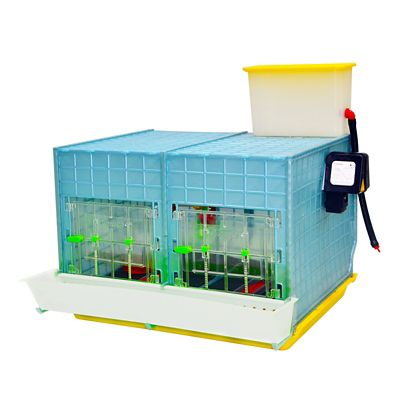
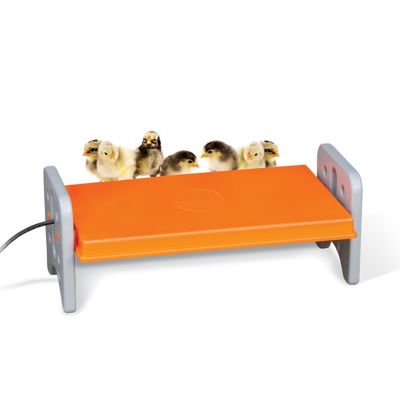
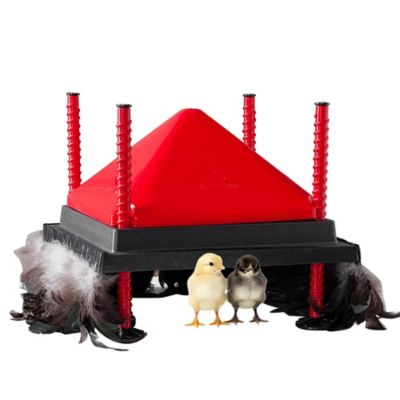
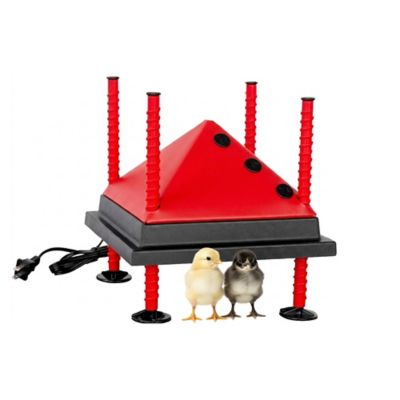
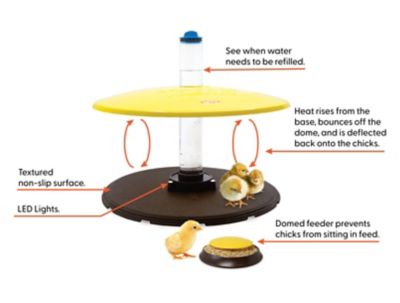
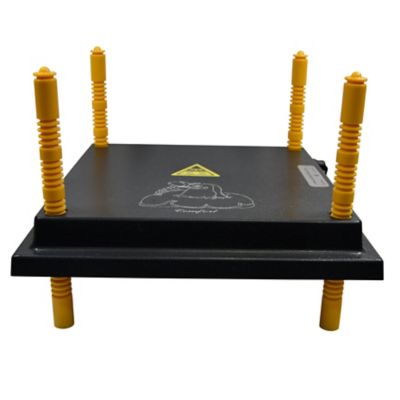
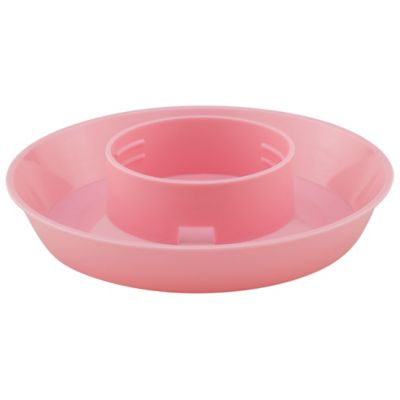
A heat lamp is only one part of a dependable brooder. Chicks also need clean, dry bedding; fresh water in a shallow poultry drinker; feed that is easy to reach; and protection from drafts without sealing the brooder so tightly that air cannot circulate. Set up and test the brooder before bringing the chicks home, allowing time for the bedding, thermometer and heat source to reach a steady temperature. Check the temperature at chick height rather than directly beneath the bulb, where the reading may be much higher than the rest of the brooder. During cooler stretches, the surrounding room can affect how much heat the birds need, while a sunny room, warm outbuilding or crowded brooder may call for a higher lamp position. Look over the setup each time you refill feed or water, and make sure the support, reflector and cord are still secure. Some poultry keepers choose a low-voltage brooder heating plate instead of a lamp because it warms chicks by direct contact and can reduce the chance of a hot bulb igniting bedding, though every heating method still needs proper placement and supervision. Heat lamps for chicks can be a practical choice for a new flock, a spring or fall hatch, a classroom poultry project or a thoughtful gift for a neighbor starting backyard chickens. They are especially useful when paired with basic brooder supplies and clear safety habits. With a stable heat source, room for chicks to move between warmer and cooler areas, and daily attention to their behavior, new poultry keepers can give young birds a comfortable start from the first cheep to the day they are ready for the coop.