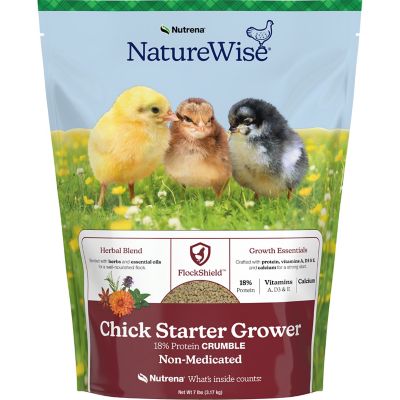
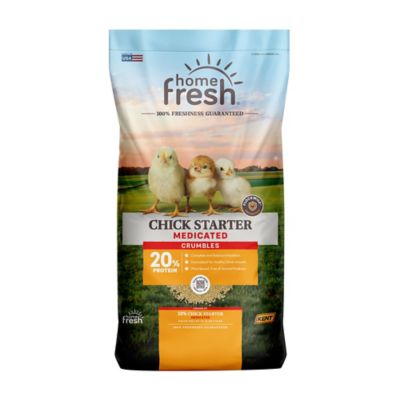
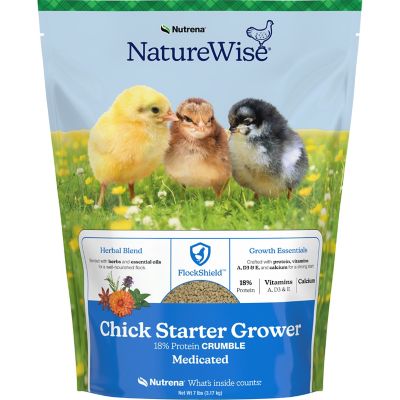
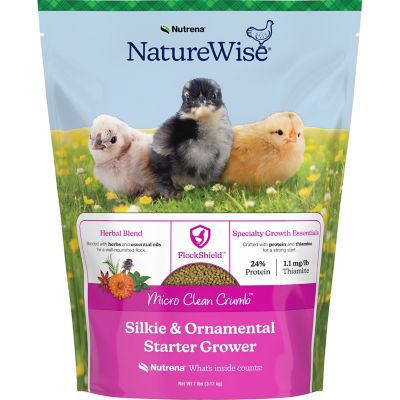
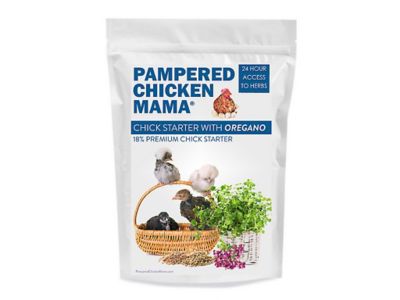
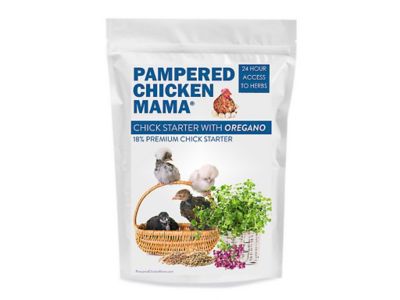
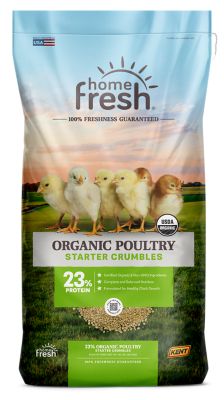
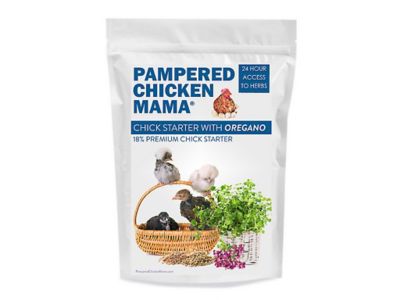
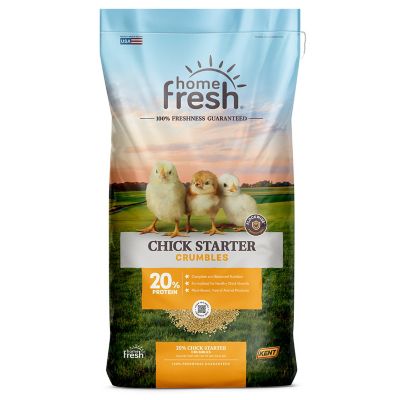
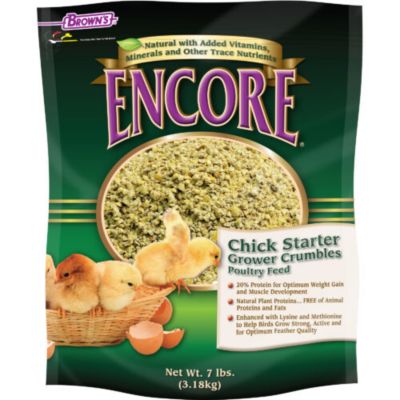
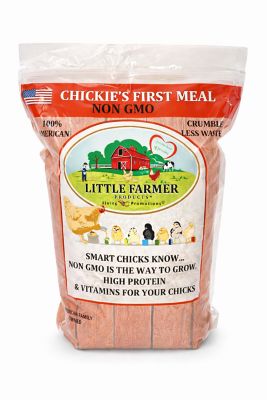
Chick starter feed is a complete feed formulated for young chickens, with protein, energy, vitamins, and minerals to support early growth, feather development, and bone formation. Though sometimes called chick starter seed, it is generally a balanced crumble or mash rather than a bag of whole seeds. That distinction matters: baby chicks need more than grain alone to meet their nutritional needs. Starter feeds for chickens commonly contain about 18% to 22% crude protein, while feeds intended for other young poultry may have different levels. The feeding directions and species listed on the bag matter more than choosing the highest protein percentage. Small crumbles and finely ground mash put those nutrients into a form that little beaks can pick up, whether the flock is a handful of future laying hens or a larger group raised on a small farm. A complete starter ration generally combines ground grains for energy with protein ingredients, along with added vitamins and minerals. Corn, wheat, soybean meal, and other ingredients may appear in different formulas, but the overall nutrient balance is what makes a feed suitable for chicks. Calcium and phosphorus support developing bones, while amino acids such as lysine and methionine contribute to tissue and feather growth. Some formulas also include probiotics or other digestive-support ingredients; those additions do not replace the need for a complete ration and good brooder care. Starter feed belongs in the feeding program from the chicks’ first meals, but the length of time it stays there depends on the formula and the birds being raised. A starter-only feed may call for a transition to grower feed earlier than a combined starter-grower ration. For future laying hens, some starter-grower feeding programs continue until roughly 18 weeks of age or the onset of laying, according to label directions. Meat birds follow a different growth schedule, so their feed should match their intended purpose rather than a laying flock’s timetable.
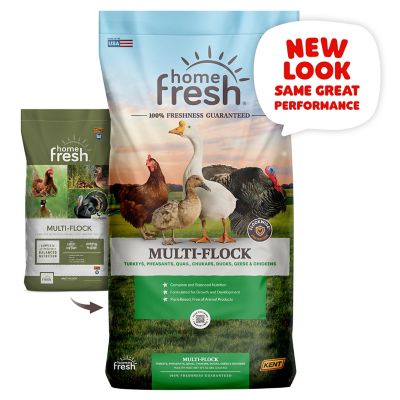
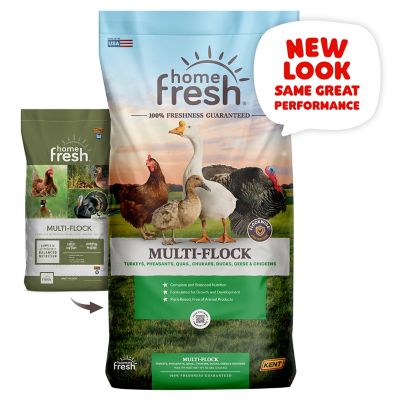
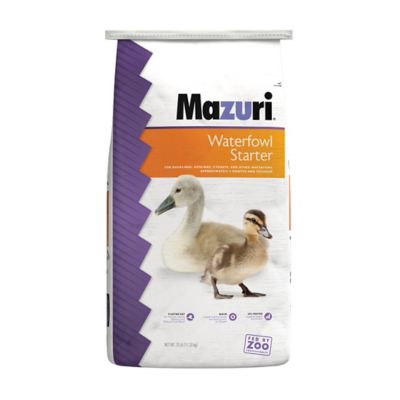
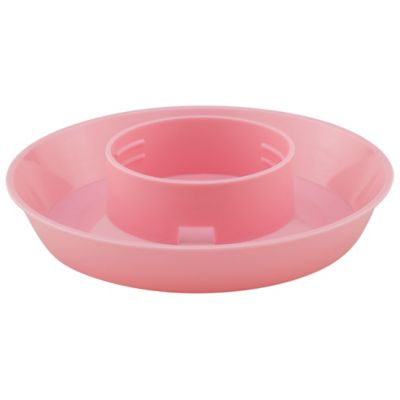
Choosing chick starter feed comes down to the birds’ age, species, feeding program, and how the feed handles in the brooder. A small crumble offers bite-size pieces without requiring chicks to tackle whole kernels, while mash has a finer texture that can work well in a feeder designed to limit scattering. Particle size and consistency are worth a close look, especially for very small chicks that may struggle with oversized pieces. Feed that falls through a feeder’s openings or gets scratched straight into the bedding creates extra cleanup and makes it harder to tell how much the birds are eating. A chick-sized feeder with accessible openings helps keep the ration within reach without leaving a broad surface for little feet to walk through. Alongside texture, medicated and nonmedicated formulas represent an important feeding choice. Many medicated chick starters contain amprolium, a medication that helps prevent coccidiosis when fed according to the label; it is not an antibiotic and does not treat every cause of illness. Chicks vaccinated against coccidiosis may need a nonmedicated feeding program because certain medications can interfere with that vaccine’s intended effect. Hatchery instructions, the feed label, and veterinary advice help settle that choice, particularly when vaccination history is unclear. Nonmedicated starter can also fit a flock’s management plan, but it still calls for clean feeders, dry bedding, and close attention to the birds. For a mixed group of young poultry, a chicken starter is not automatically the right ration for every bird. Ducklings, turkey poults, and game birds can have different nutrient needs, including differences in niacin or protein requirements. The species named on the label provides a better starting point than assuming that all small poultry eat alike. For families raising their first backyard flock, experienced poultry keepers adding new layers, or young people working on a supervised poultry project, a clearly labeled feeding program takes some guesswork out of the daily routine.
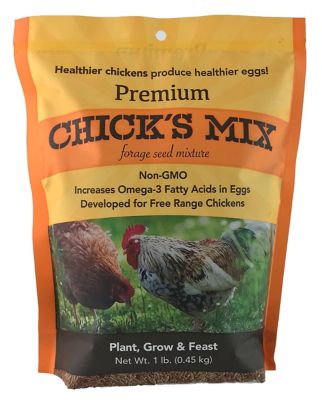
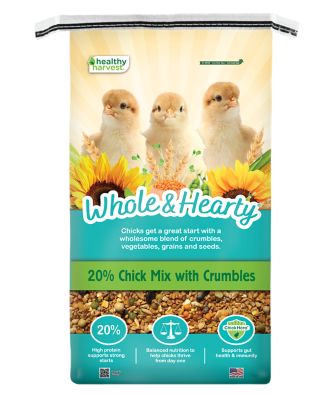
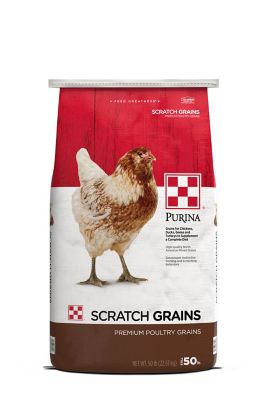
How chick starter feed is stored and served matters just as much as the formula on the bag. Package size should suit the number of chicks and their expected consumption, so the feed moves through the feeding routine while it is still fresh. A few chicks in a small brooder go through a bag at a different pace than several dozen birds, and feed intake increases as they grow. Keeping the original label and lot information makes feeding directions easy to check and gives the keeper a reference if a concern comes up. A clean, dry container with a tight-fitting lid helps protect feed from moisture, rodents, and insects. Any leftover feed should be checked before a new bag goes into the container, rather than continually topping off old material. Feed with mold, an unusual odor, or signs of contamination should not go into the feeder. In the brooder, small amounts replenished regularly can make it easier to keep the feeding area tidy, provided feed remains accessible as directed for the birds’ age and program. Fresh drinking water belongs alongside the ration, in equipment that chicks can reach safely without soaking the bedding. Seed mixes, scratch grains, and corn serve a different purpose from complete chick starter and should not displace the nutrition young birds need. For poultry keepers comparing grain-based supplements,
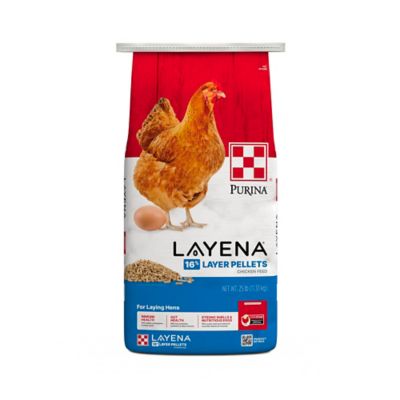
corn chicken feed is a separate category to consider within an age-appropriate feeding plan, not a substitute for a balanced starter ration. Chicks eating only a complete commercial starter generally do not need supplemental grit to process that feed; birds eating other foods may need appropriately sized grit, depending on what they receive. Layer feed is another separate category, with calcium levels intended for egg production rather than early chick growth. Matching the ration to the bird’s stage keeps the focus where it belongs: steady development, manageable feeding chores, and a sound start for the flock.