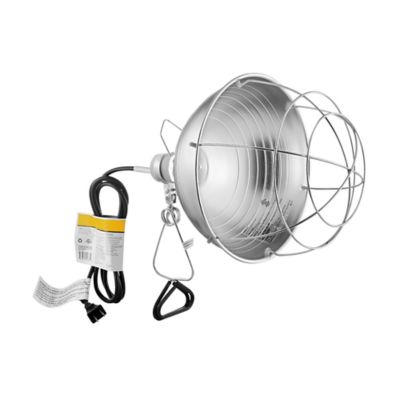
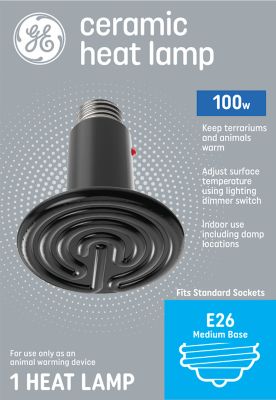
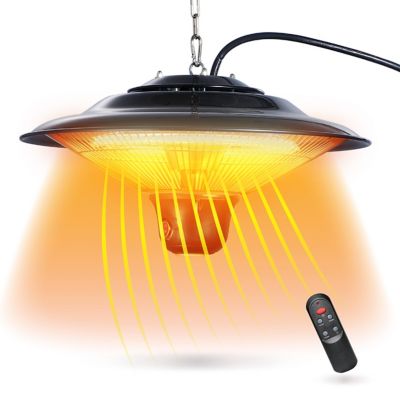
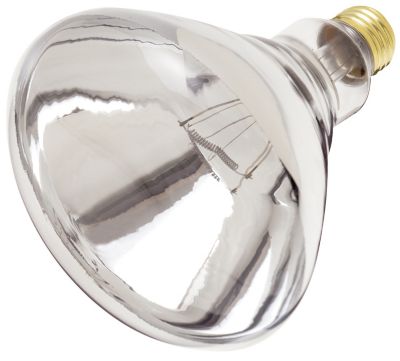
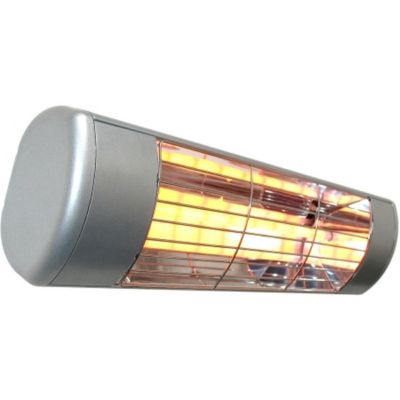
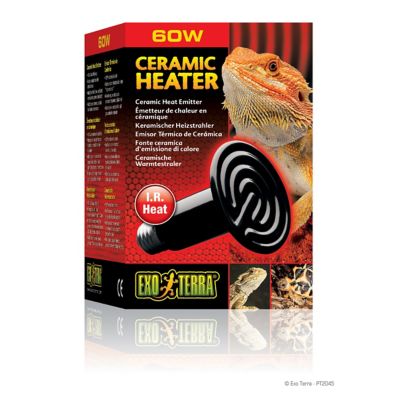
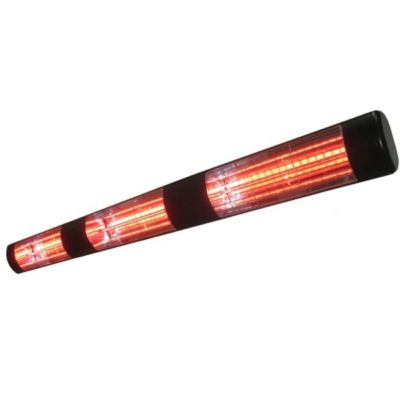
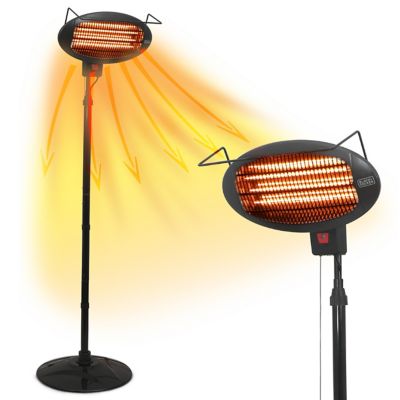
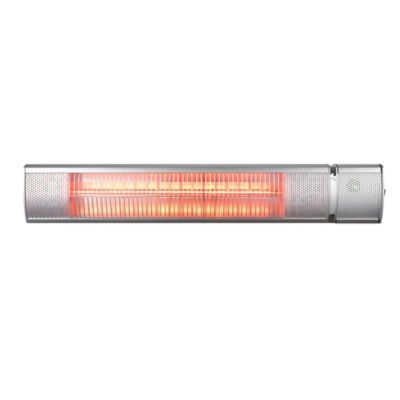
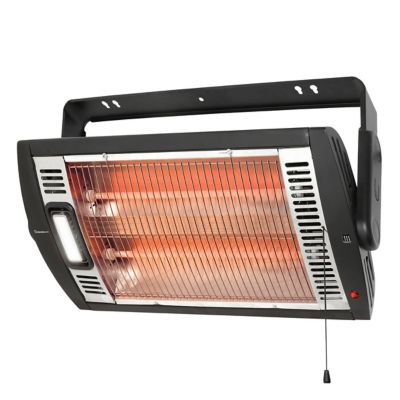
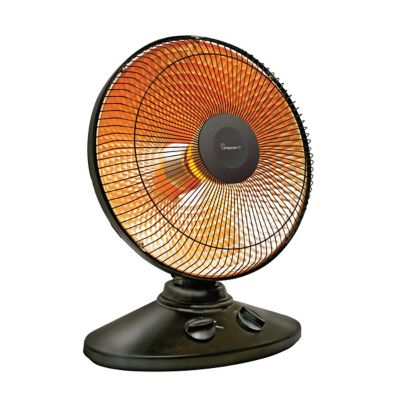
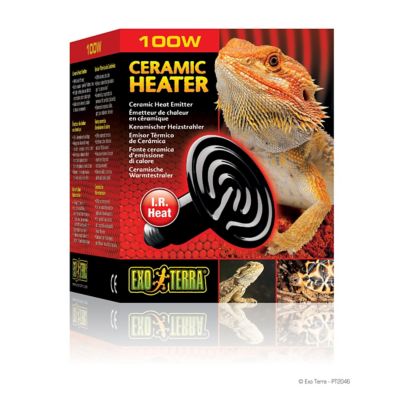
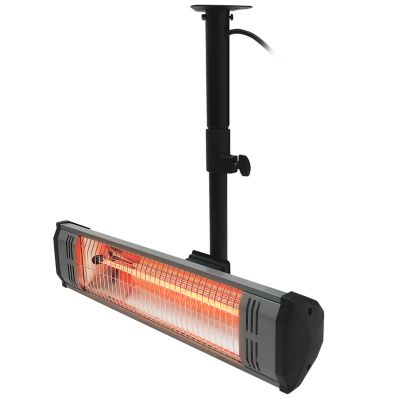
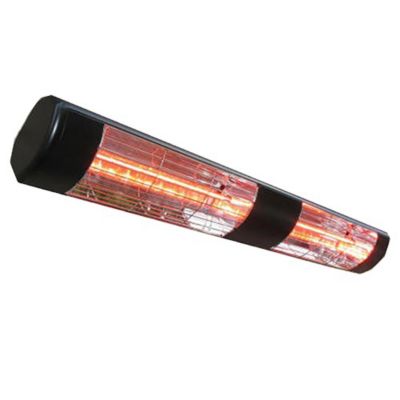
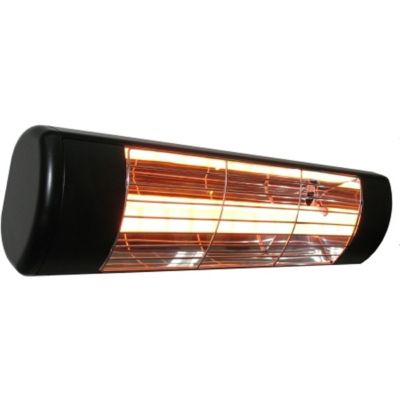
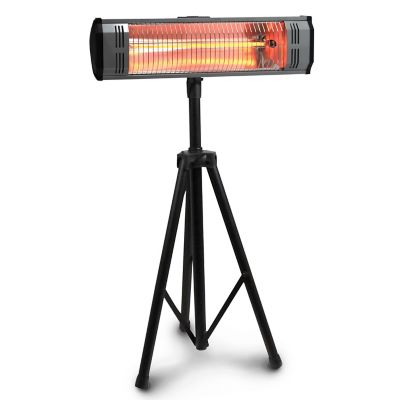
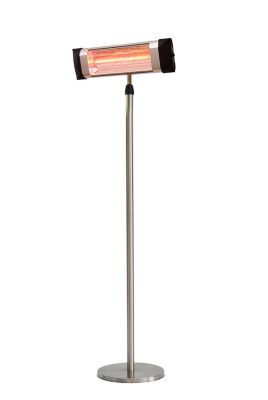
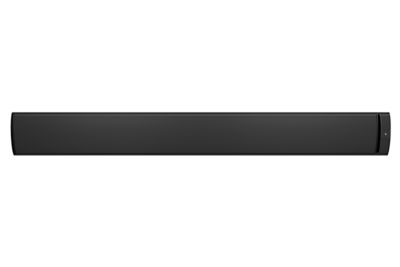
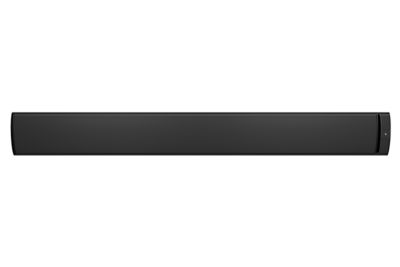
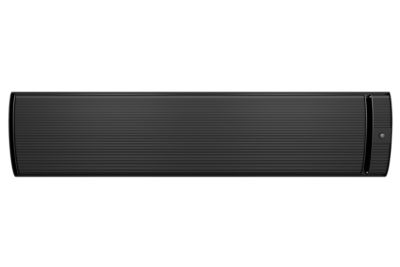
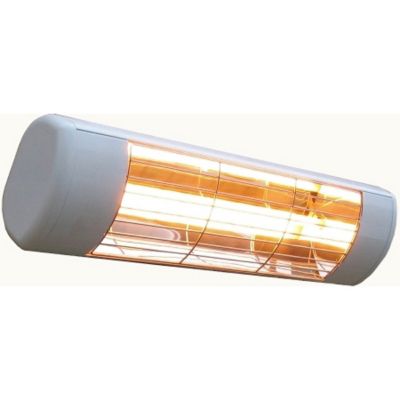
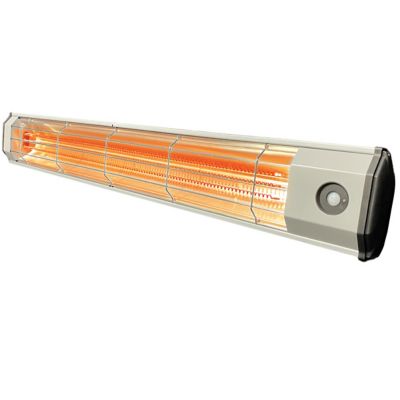
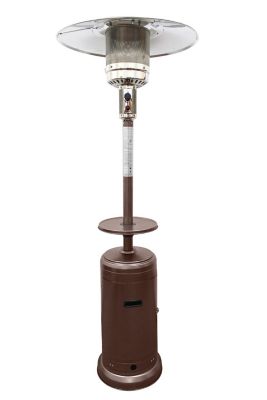
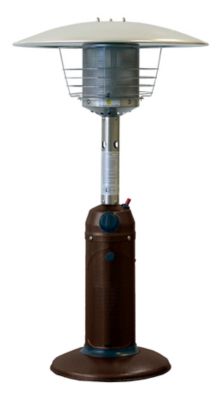
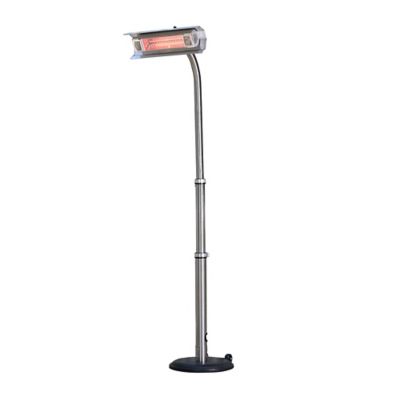
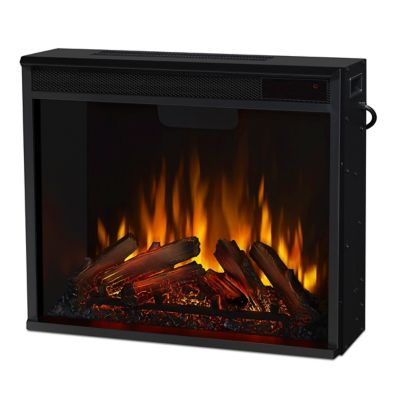
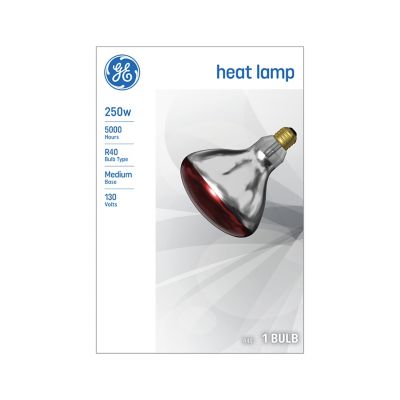
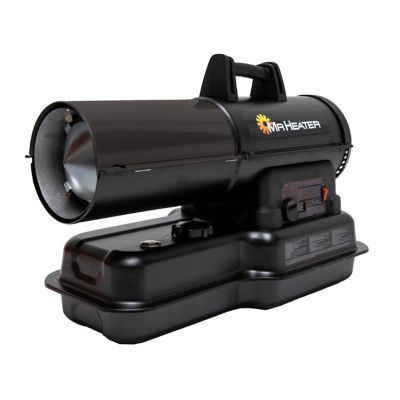
Electric heat lamps bring focused radiant warmth to the people, animals, food, and work areas that need it most. Unlike a standard heater that warms the air throughout a room, an electric heat lamp sends infrared energy directly toward nearby bodies and surfaces, making it useful in barns, coops, workshops, patios, porches, and serving areas. A properly placed lamp can take the chill off a small space without requiring you to heat the entire building. That direct warmth is especially handy during the cooler months, when a drafty barn corner needs extra comfort for young animals or an outdoor sitting area feels a little too brisk after sundown. Farmers and homesteaders often use heat lamps for brooding chicks and ducklings, helping newly hatched birds maintain the steady warmth they need while feathers develop. They may also be used around young goats, lambs, calves, and other livestock when weather, illness, or a temporary housing setup calls for supplemental heat. A lamp can be a practical gift for someone setting up a brooder, improving a small barn, or spending more time outdoors, though the recipient should have a safe, suitable location and a dependable power source ready for it. For other radiant-warming options, browse
Infrared Lamps to compare lamps designed around focused infrared heat.
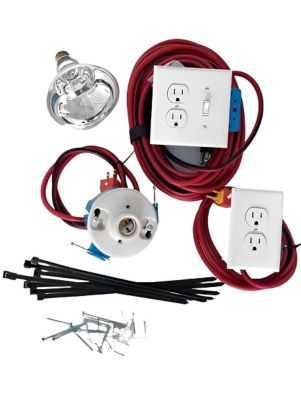
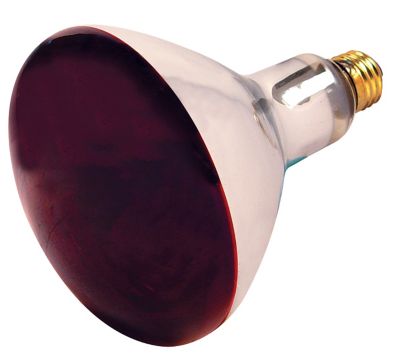
When choosing an electric heat lamp, start with the job and the space rather than wattage alone. Brooder lamps are commonly paired with infrared bulbs in the 175- to 250-watt range, while outdoor comfort heaters may use larger heating elements and settings up to 1,500 watts. The right choice depends on the area being warmed, the distance between the lamp and the subject, the surrounding temperature, and whether the space is enclosed or open to the wind. A smaller fixture may suit a brooder or a compact work area, while a patio setup may call for a floor-standing or hanging design that spreads warmth over nearby chairs and tables. Check the bulb type, wattage range, socket rating, cord length, mounting method, and control options before buying. Some lamps are made for clamp mounting, while others are designed to hang from a chain or stand on a stable base. Outdoor use requires equipment rated for outdoor conditions, along with weather-appropriate, grounded outlets and extension cords rated for the electrical load. In a kitchen or serving area, food-warming fixtures are built to hold prepared dishes at a comfortable serving temperature, which can be useful for farm dinners, concessions, busy prep spaces, and gatherings where food needs to stay ready between trips to the table. Look for sturdy construction, easy-to-clean surfaces, shatter-resistant bulbs where appropriate, and a design that keeps the light and heat positioned over the food without getting in the way of hands, plates, or serving utensils.
Safe placement matters with every electric heat lamp, whether it is warming a brooder, patio, or food station. Keep the fixture securely fastened with a heavy-duty clamp, chain, or mounting hardware intended to support its weight; never rely on a loose hook, improvised wire, or a cord to hold the lamp in place. Heat lamps should be kept away from bedding, straw, hay, curtains, wood, cardboard, feed bags, and other materials that could ignite. As a general livestock safety measure, keep the lamp at least 20 inches away from bedding and other combustible materials, while following the fixture and bulb manufacturer’s required clearance if it calls for more space. Position the lamp so animals cannot knock it down, chew the cord, or press against the hot guard, and inspect the setup regularly as bedding shifts and animals grow. Use a grounded outlet and avoid overloaded circuits, damaged cords, loose connections, or indoor-rated equipment in damp areas. On a porch or patio, place heaters on a level, stable surface and keep them clear of umbrellas, awnings, low branches, and foot traffic. In food service, keep the fixture away from splashing water and use bulbs made for the application. A quick check before each use—looking for cracked bulbs, frayed cords, bent guards, loose hardware, or signs of overheating—can help prevent trouble. With the right size, mounting style, clearance, and electrical setup, an electric heat lamp can add dependable spot warmth to everyday chores, animal care, outdoor meals, and the cooler stretches of the season.