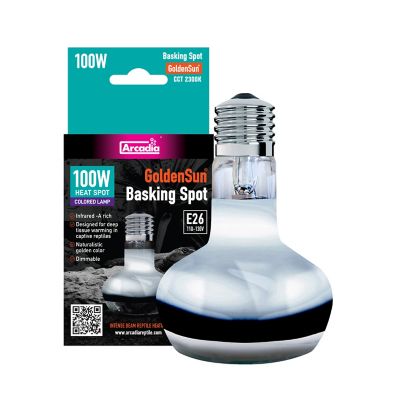
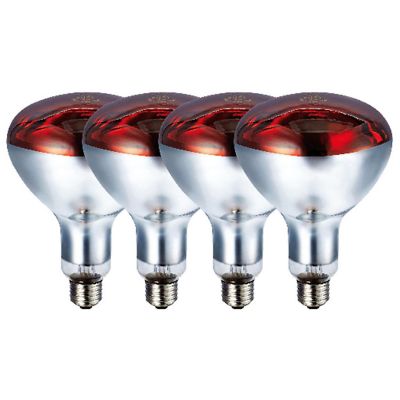
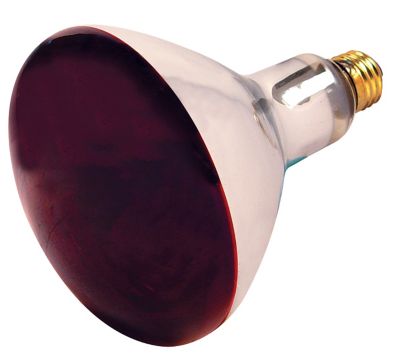
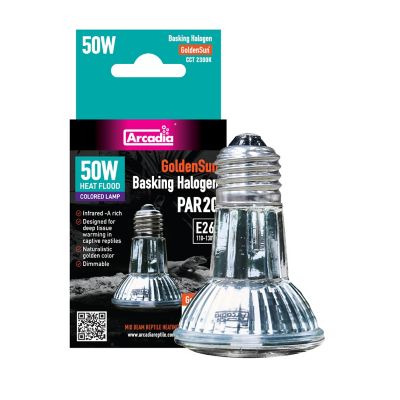
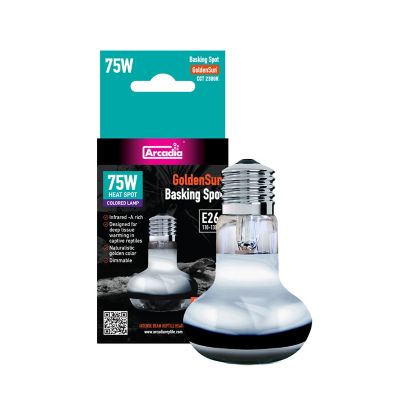
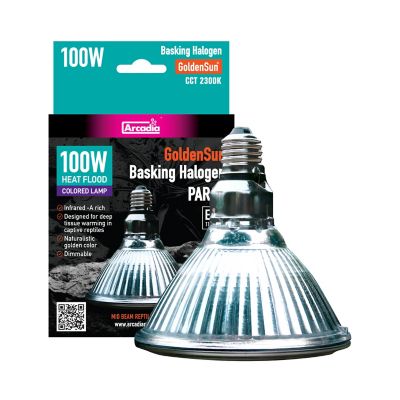
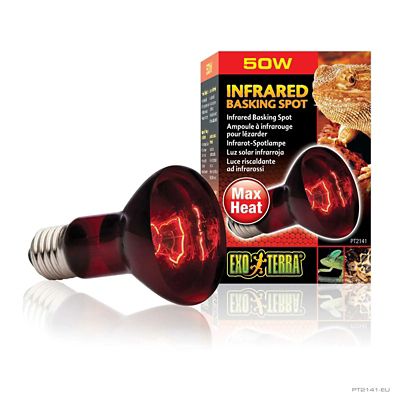
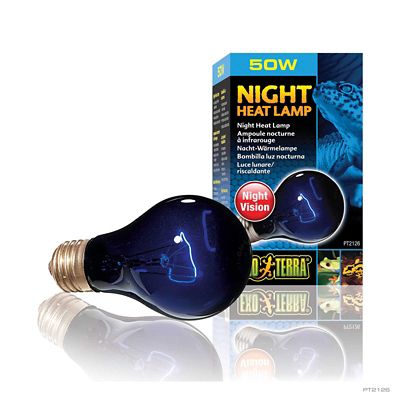
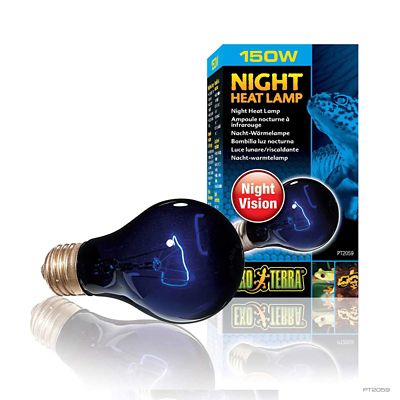
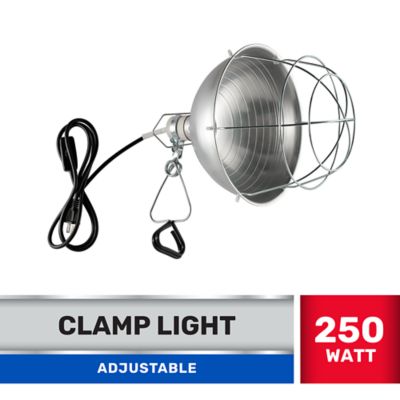
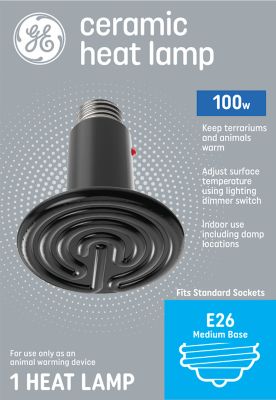
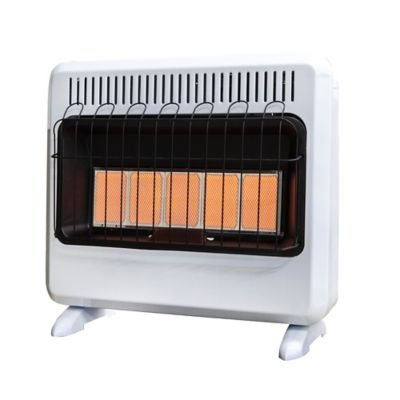
Infrared lamps bring focused warmth to places where a little extra heat can make a big difference. Unlike ordinary room lighting, these lamps are designed to emit infrared energy that can be felt as gentle, targeted warmth, making them useful for personal comfort, animal care and certain work areas around the home, shop or farm. During the cooler months, a lamp may be used to warm sore muscles after a long day of lifting feed bags, splitting wood or working in the pasture. Some people use infrared warmth around stiff joints or tired backs, while others keep a lamp nearby for a chilly bathroom, mudroom or workspace. The heat is concentrated over a smaller area than a whole-room heater, so it can be a practical choice when you want warmth in one spot instead of turning up the thermostat for the entire house. Infrared lamps may also be used in animal-care settings, including approved brooding or warming applications, but the right setup depends on the animal, age, enclosure and equipment rating. A lamp intended for people should not automatically be used for chicks, puppies, livestock or other animals. Always follow the care instructions for the animal and the lamp, and make sure the enclosure has safe ventilation, enough room for the animal to move away from the heat and no bedding, straw or other flammable material close to the bulb. For larger-area heating needs, browse
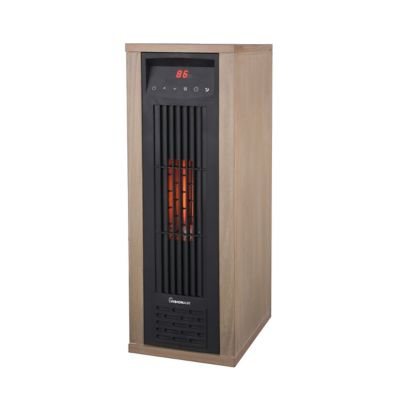
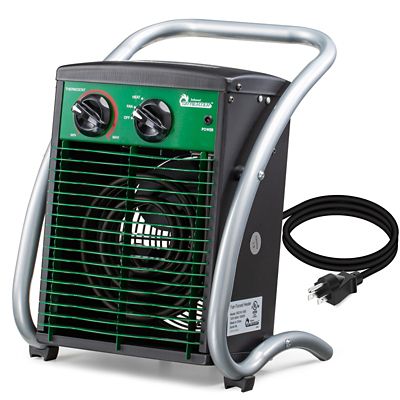
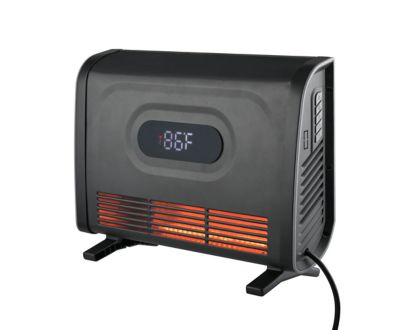
Infrared Heaters for options designed to warm a broader space.
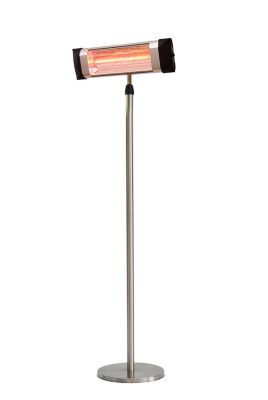
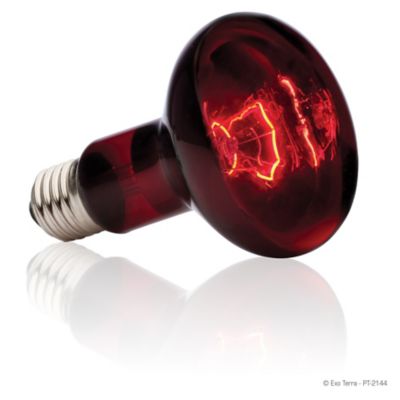
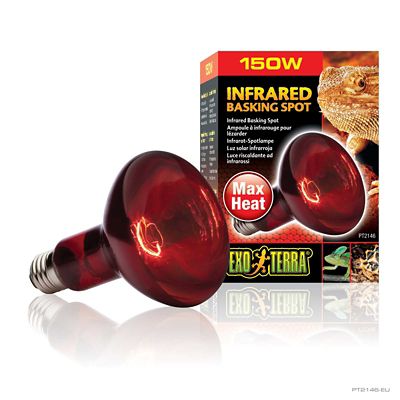
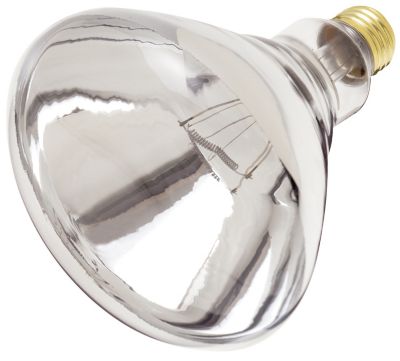
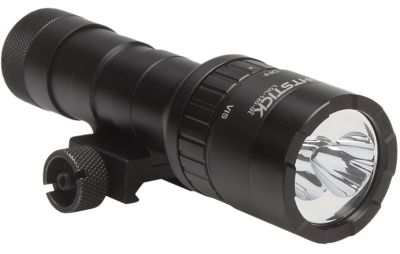
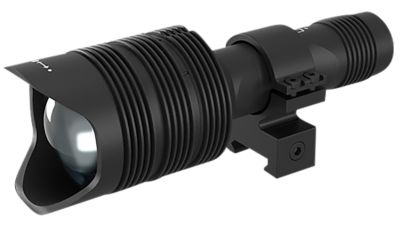
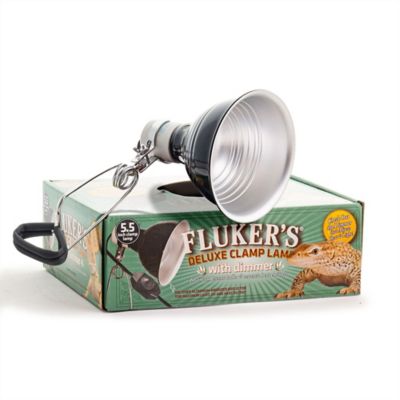
When choosing an infrared lamp, start with the job you need it to do. Personal heat lamps are often compact and easy to position beside a chair, workbench or bedside table, while freestanding styles may offer a wider treatment area and adjustable height. Consider whether you need a simple on-and-off design or features such as a timer, angle adjustment, flexible neck, stable base or multiple heat settings. Bulb type matters, too. Traditional infrared bulbs provide noticeable warmth and are commonly used for focused heating, while red and near-infrared LED devices may be designed for light-based wellness routines with little or no intense surface heat. Read the product details closely so you know whether a lamp is made primarily for warming, light exposure or both. Check the coverage area, cord length, wattage, replacement-bulb availability and mounting requirements before adding one to your cart. A sturdy base is especially helpful on a table or counter where a bump from a dog, child or busy elbow could send a lamp tipping over. If the lamp will be used in a barn, tack room, greenhouse or other demanding location, look for construction and safety information suited to that environment, and keep electrical connections protected from water, dust and chewing animals. Infrared lamps can make thoughtful gifts for someone who spends long hours in a chilly workshop, tends animals before daylight or enjoys a warm, relaxing routine after outdoor chores. They can also be useful for a family member managing everyday muscle stiffness, although an infrared lamp is not a substitute for medical care or a treatment plan from a qualified professional.
Safe placement and careful timing matter with any heat-producing lamp. Set the lamp at the distance listed by the manufacturer; many personal devices call for roughly 12 to 16 inches between the lamp and the area receiving warmth, but the correct distance can vary by design and intensity. Begin with a shorter session and a lower setting when available, then pay attention to how your skin feels. Warmth should be comfortable, never sharp, painful or hot enough to cause redness that lingers. Avoid falling asleep while the lamp is operating, and do not place it under blankets or close to clothing, curtains, hay, paper, wood shavings or other materials that can catch fire. Keep the lamp on a level, heat-resistant surface, inspect the cord and plug for damage and unplug it before changing a bulb or moving the unit. High-intensity red or near-infrared light can be hard on the eyes, so use protective eyewear when the instructions call for it and never stare directly into the light. People with reduced heat sensitivity, circulation concerns, diabetes, skin conditions or an injury should check with a healthcare professional before using therapeutic heat, and children should use these devices only with close adult supervision. The same care applies when using warmth for pets or farm animals: watch for panting, restlessness, skin redness or attempts to move away, and provide a cooler area at all times. With the right size, settings and placement, an infrared lamp can be a handy addition to a mudroom, home gym, grooming area, workshop or animal-care routine, offering a steady patch of warmth when the air outside turns crisp.