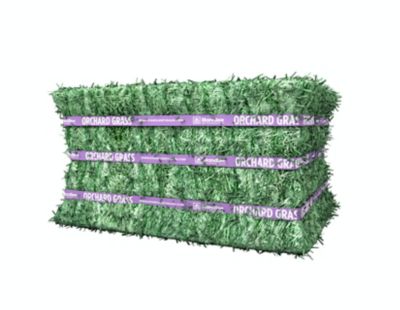
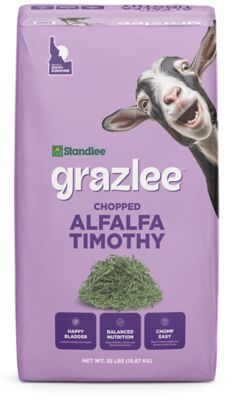
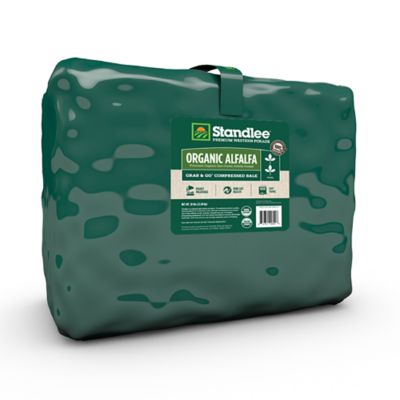
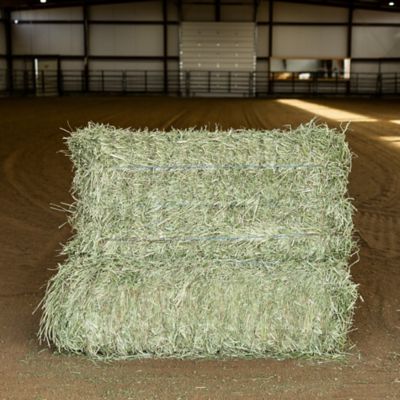
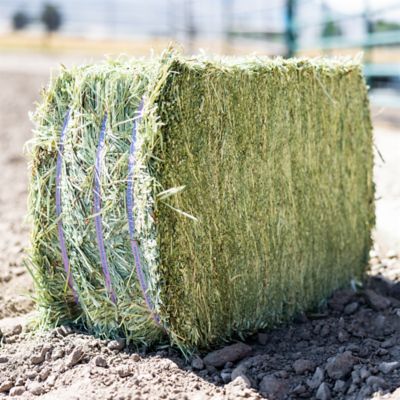
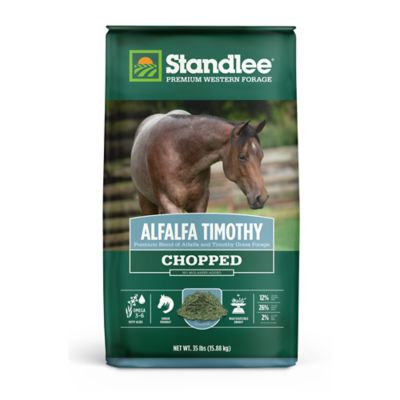
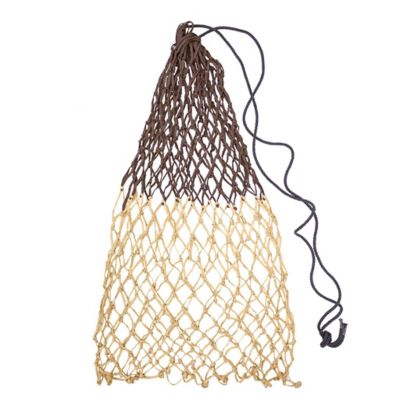
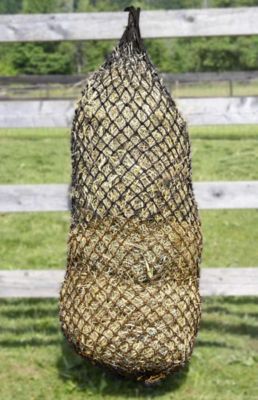
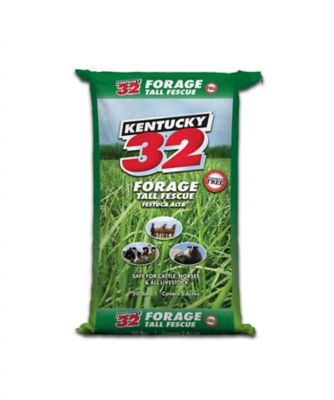
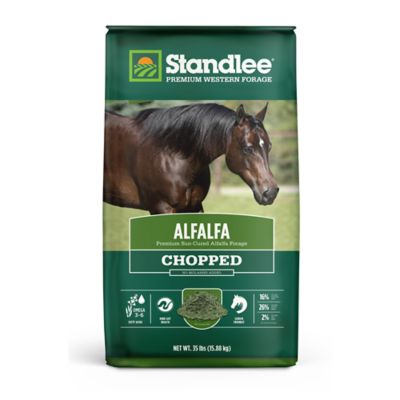
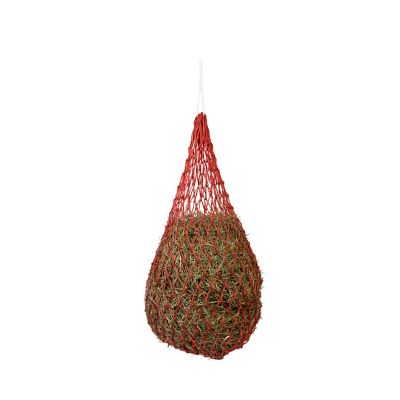
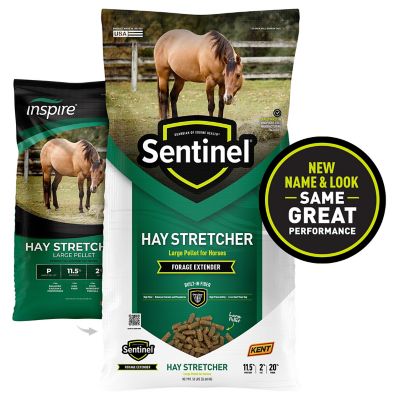
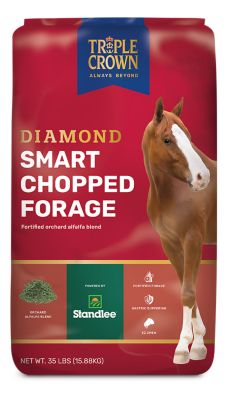
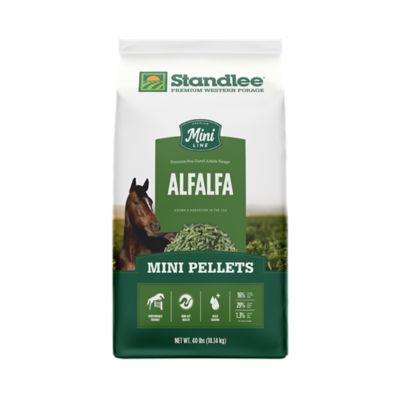
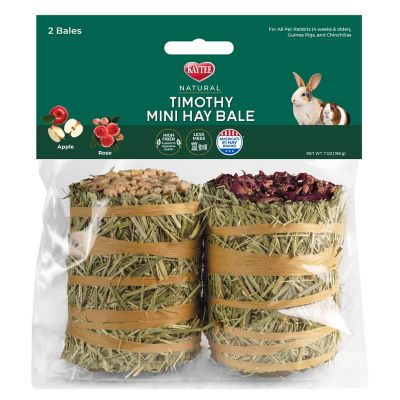
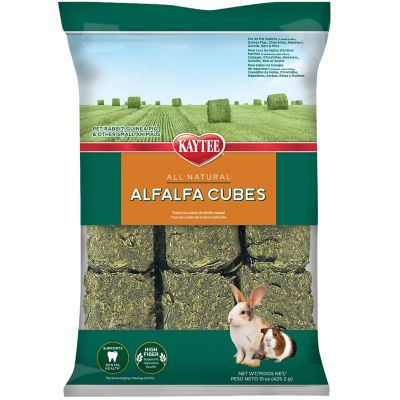
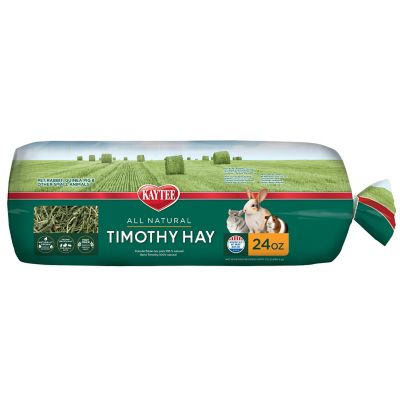
Hay is the foundation of a dependable livestock feeding routine, providing the fiber animals need to keep their digestive systems working properly when pasture is limited or dormant. The best choice depends on the species you keep, along with each animal’s age, size, health, and production stage. Growing animals, pregnant females, nursing mothers, and livestock doing hard work generally need more protein and energy than mature animals simply maintaining body condition. Alfalfa hay is often valued for its higher protein and calcium content, making it a common choice for young, pregnant, or lactating animals when it fits their overall ration. Timothy hay offers a more moderate nutritional profile with plenty of fiber and is often used for horses and other animals that benefit from a steady, forage-based diet. Orchard grass hay is typically soft, palatable, and moderate in protein, while Bermuda grass hay is a useful warm-season forage for many cattle, horses, sheep, and goats. These are general guidelines rather than a substitute for advice from a veterinarian or livestock nutritionist, especially when animals have special health needs. A mixed herd may do best with more than one type of hay, allowing you to match feed to the needs of different animals instead of using the same forage for every pen, stall, and pasture. New livestock owners, 4-H families, small-farm neighbors, and experienced ranchers alike can appreciate having dependable hay on hand, particularly as grass growth slows and animals spend more time in shelters, lots, or dry areas during the cooler months.
Quality matters just as much as variety. Look for hay that is leafy, clean, and naturally green to light green, with a fresh grassy smell rather than a musty or sour odor. A little variation in color is normal, especially in hay that has been stored for a while, but very dark, overheated, damp, or dusty bales may signal poor curing or storage. Mold can appear as fuzzy patches or a powdery coating and may cause respiratory trouble or digestive upset, so questionable hay should not be offered to livestock. Stems should be reasonably pliable instead of brittle and excessively coarse, although the right texture depends on the animal eating it. Earlier-cut hay usually contains more leaves and tends to be more nutritious and digestible, while later-cut hay often has thicker stems, more fiber, and lower protein. Neither is automatically right for every herd. Easy-keeping mature animals may do well with a fibrous forage, while young stock or animals with greater nutritional demands may need a leafier, more nutrient-dense option. When buying hay, consider bale size and weight, how much your animals eat each day, and whether you have a dry place to keep the supply. It is also helpful to buy enough consistent forage for the feeding period, since sudden changes in hay can lead to waste or digestive disruption. Introduce a new type gradually by mixing it with the hay animals already know, and pay attention to appetite, manure, body condition, and leftover stems. A handful of hay pulled from the middle of a bale can tell you more than the outside surface alone, so inspect several bales when possible and avoid stock that feels damp or gives off heat.
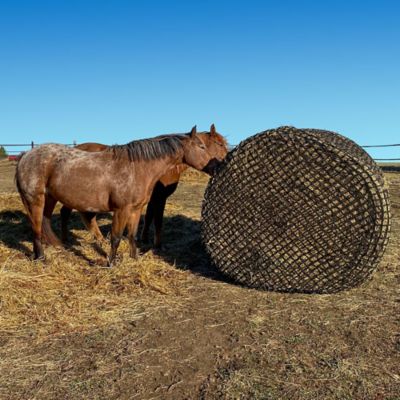
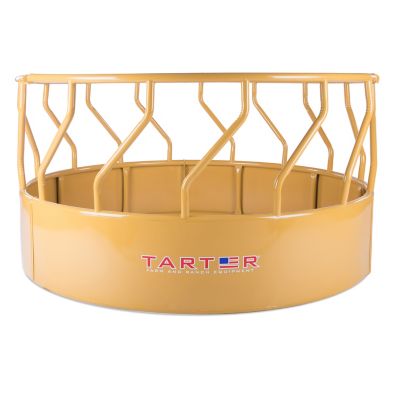
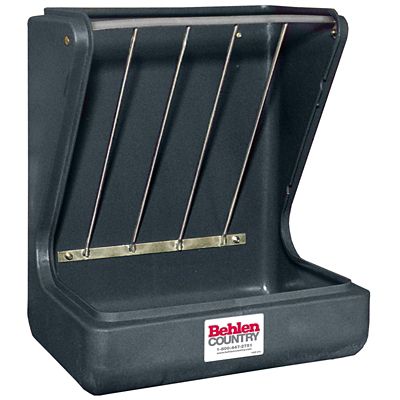
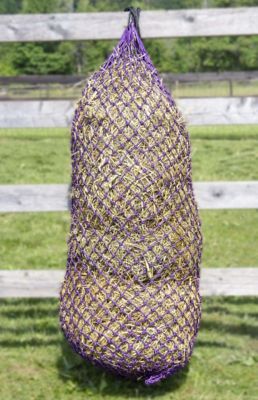
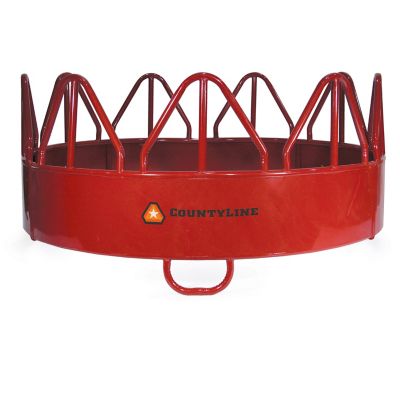
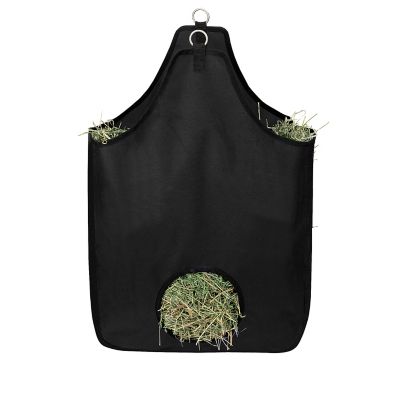
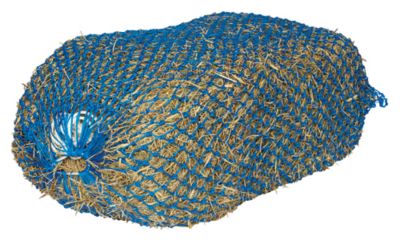
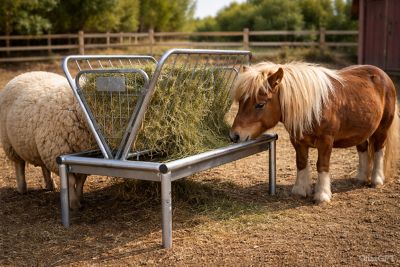
Proper storage protects both your investment and your animals’ feed supply. Keep bales off bare ground on pallets, rails, or another surface that allows air to move underneath, and store them beneath a roof or a well-secured cover that sheds rain and melting snow. A barn, shed, or other dry, well-ventilated space is ideal; tight plastic wrapping around damp hay can trap moisture and encourage mold. Leave room between stacked bales and exterior walls when conditions allow, and check the lower layers from time to time for dampness, soft spots, or a musty smell. Round and square bales should be handled carefully, with stacks arranged securely so they do not shift or tumble. Feed only what animals can reasonably clean up before it becomes wet or soiled, and remove spoiled leftovers from the feeding area rather than mixing them into fresh forage. A well-placed feeder helps keep hay off muddy ground and reduces the waste that comes from trampling, bedding, and weather. For sheep owners, choosing the right setup can make daily feeding easier and help keep valuable forage cleaner; browse
Sheep Hay Feeders when planning a feeding area for a flock. During the cooler months, animals may eat more to support body warmth, so monitor body condition and make sure clean water and any needed mineral supplements remain available alongside hay. With a little attention to hay type, freshness, storage, and feeding habits, your supply can support steady condition and comfortable routines from the first cool days through the return of fresh pasture.