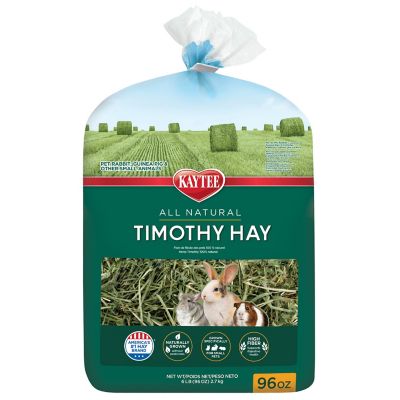
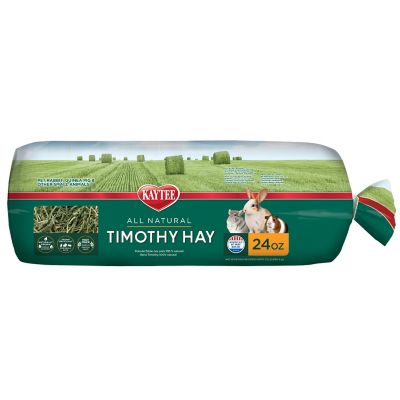
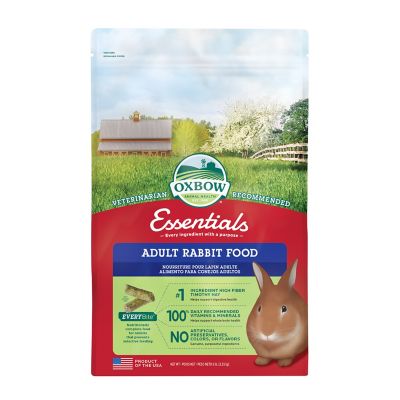
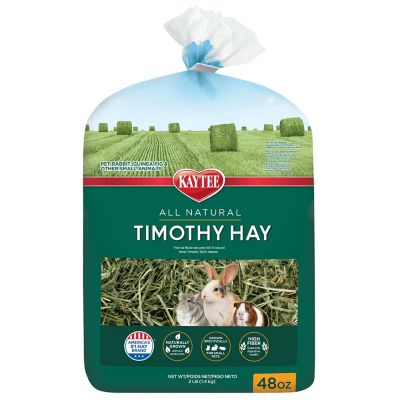
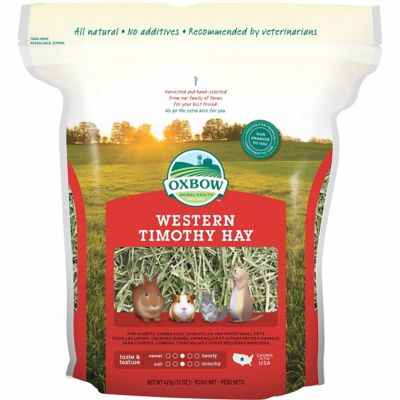
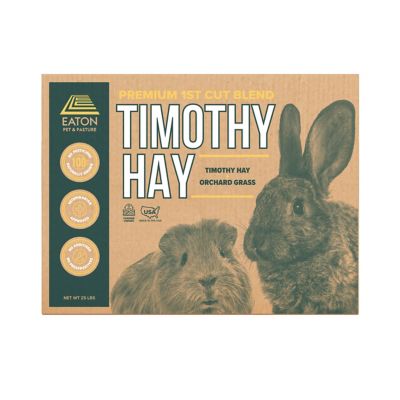
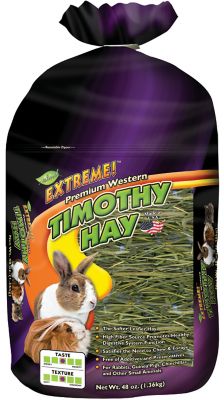
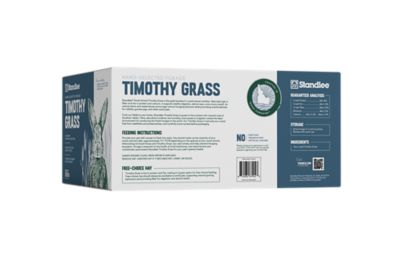
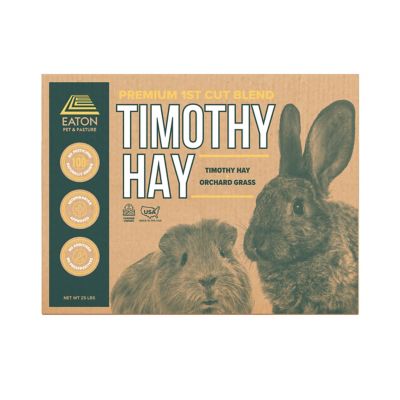
Hay for rabbits belongs at the center of everyday feeding, whether the rabbit lives in a house pen or a roomy hutch. For most healthy adult rabbits, grass hay should make up roughly 80% of the diet, with measured pellets and suitable leafy greens rounding out meals. Fresh drinking water and unrestricted access to hay are everyday essentials. The long fibers support normal gut movement, while repeated side-to-side chewing helps wear down teeth that keep growing throughout a rabbit’s life. That makes hay more than something to nibble between meals: it is the main feed a rabbit should be able to return to throughout the day and night. Timothy hay is a common choice for adult rabbits, with a mix of stems, leaves and seed heads that encourages steady chewing. Orchard grass hay generally has a softer feel and can suit rabbits that pass over stiffer stems. Meadow hay may contain several grasses, so its texture and nutrient profile can vary with the blend. Oat hay brings a different stem structure and flavor, making it another option for variety when its nutritional profile suits the rabbit. Different grass hays can be offered together rather than treating one type as the only acceptable choice. Cutting labels can also help explain what is in a bag. First-cut timothy is often stemmier, second-cut hay commonly balances stems and leaves, and later cuts may be leafier and softer. Those descriptions are useful starting points, not guarantees about every harvest. A rabbit that pulls out the leaves and leaves coarse stalks behind may take better to another grass hay or a different cut. A mix of textures can keep the hay pile interesting, but the best everyday choice fits the rabbit’s needs and gets eaten consistently. Straw, which is mainly the stalk left after grain harvest, is not a nutritional substitute for feeding hay.
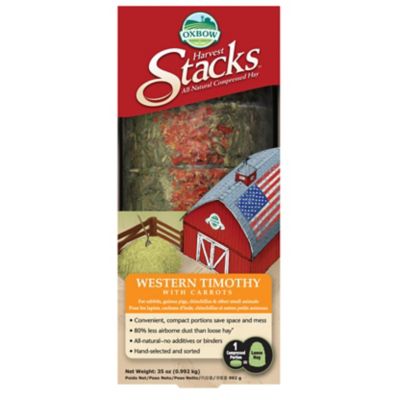
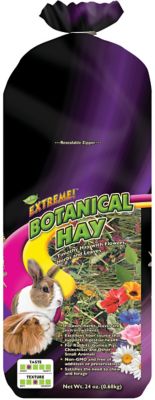
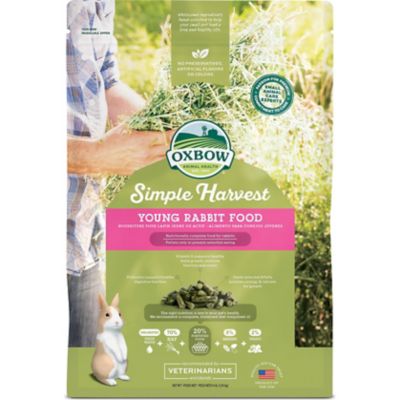
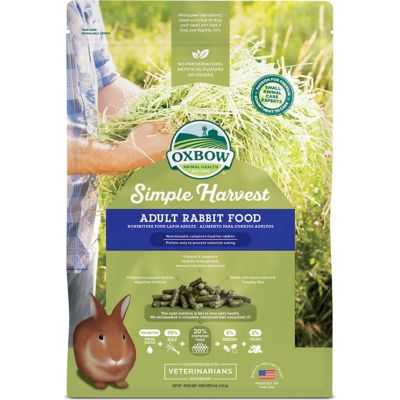
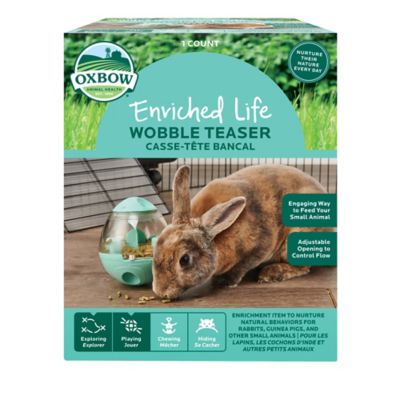
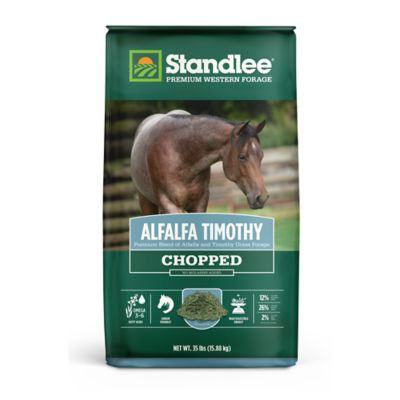
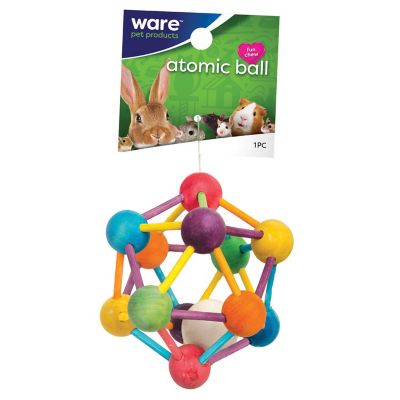
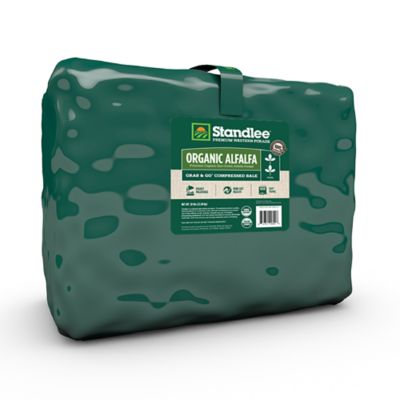
Age, body condition and life stage all affect which hay belongs in a rabbit’s feeding area. Alfalfa hay is a legume, not a grass, and it generally contains more protein and calcium than grass hay. That richer nutritional profile can suit growing rabbits and some rabbits with additional dietary needs, including pregnant or nursing does, when it is part of an appropriate feeding plan. For most healthy adult pet rabbits, grass hay is the better everyday foundation. Alfalfa is not simply a softer version of timothy, and switching between the two changes more than texture. A veterinarian familiar with rabbits can help match the diet to growth, weight and any urinary or dental concerns. Older rabbits may appreciate softer grass hay, but age alone does not mean they need a richer feed. Changes in chewing, hay intake or droppings deserve attention; a rabbit that stops eating or passes noticeably fewer droppings needs prompt veterinary care. For everyday shopping, useful label details include the hay species, intended animal, life-stage guidance, ingredients and guaranteed analysis when provided. Plain feeding hay is different from a hay-based snack with added fruit, seeds or sweeteners. Compressed hay portions also have their own feeding directions and should not automatically replace unrestricted loose grass hay. Package size matters most in relation to the number of rabbits and how steadily they eat. A single house rabbit may go through hay differently from a pair sharing a pen or several rabbits in separate hutches. A manageable amount is easier to keep dry, inspect and replenish without letting an open package sit too long. When introducing another suitable grass hay, offering it alongside a familiar one gives the rabbit a chance to investigate the new smell and texture. A few strands tucked into a rabbit-safe foraging toy can encourage exploration, while a generous main pile keeps the focus on regular hay intake rather than occasional treats.
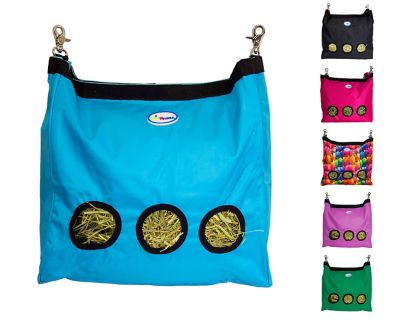
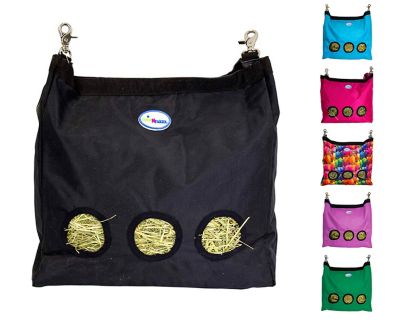
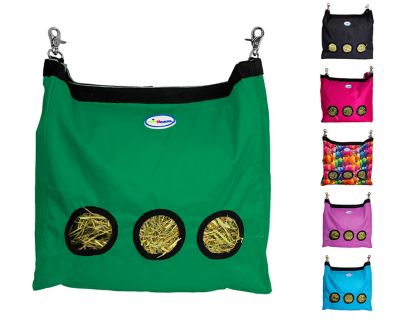
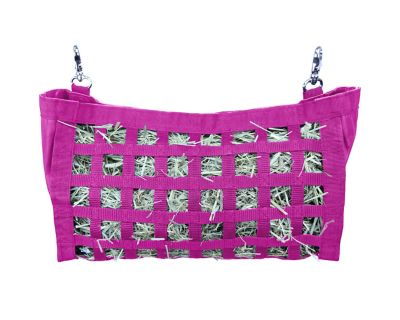
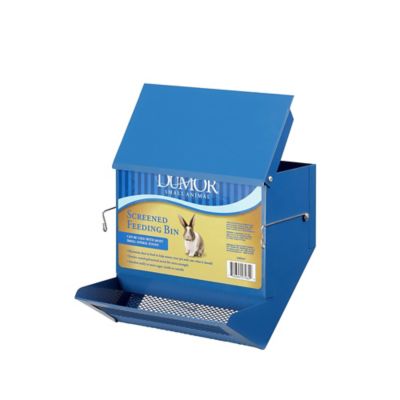
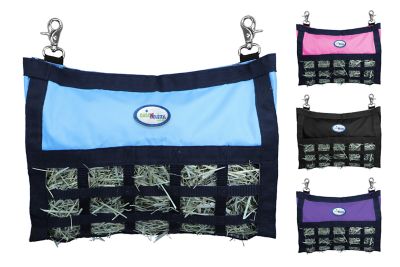
Freshness, storage and easy access make a real difference once hay reaches the feed room or house. A grassy smell, recognizable stems and leaves, and relatively little loose dust are helpful signs when checking a portion before feeding. Color can range from green to golden, so color alone does not tell the whole story. Hay with visible mold or a musty smell should be discarded rather than mixed into a fresh pile, and damp hay does not belong in the feeder. Excessive fine dust can irritate eyes and airways, making the condition of the hay worth checking each time the feeding area gets topped off. A dry, shaded storage spot with airflow helps protect the supply between feedings. Breathable packaging or a ventilated container can help prevent trapped moisture, while storage off the floor and away from leaks, pests and strong-smelling chemicals helps keep feed clean. At the rabbit’s level, a hay rack or feeding tray should allow comfortable access without openings that could trap a head or foot. Many rabbits like to munch while sitting in a litter box, so hay positioned beside or above a clean litter area can fit that natural routine. The feeding portion should stay separate from wet bedding and soiled litter. Several feeding spots can help rabbits sharing an enclosure reach hay without crowding, especially when one rabbit tends to claim the favorite corner. Households caring for rabbits alongside larger animals can also explore
Hay for Livestock, while keeping each animal’s feeding needs in mind rather than assuming every forage suits every animal. For rabbits, the everyday setup comes back to suitable grass hay, clean water and enough feeding space to settle in comfortably. A fresh pile within easy reach gives a rabbit room to nose through the strands, choose a mouthful and get back to the steady chewing that belongs in its daily routine.