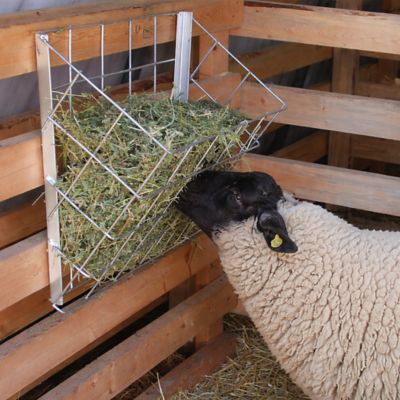
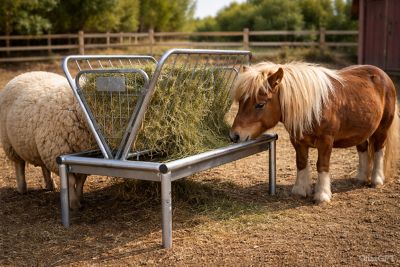
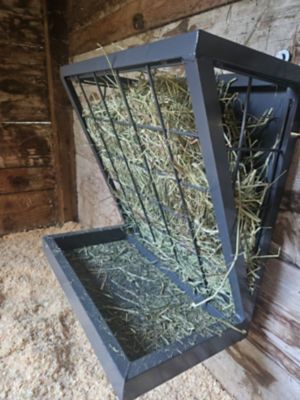
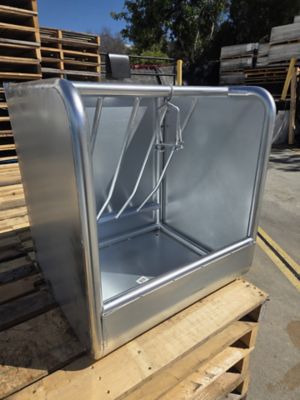
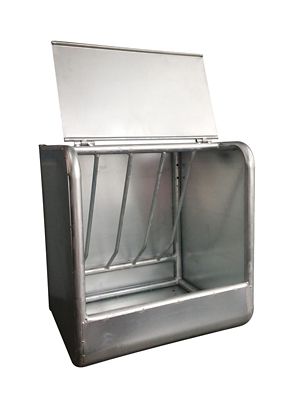
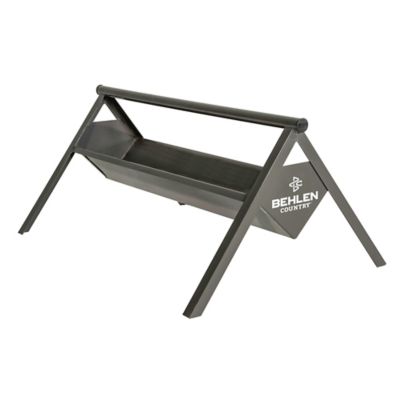
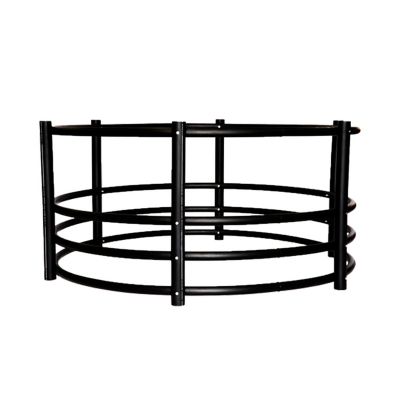
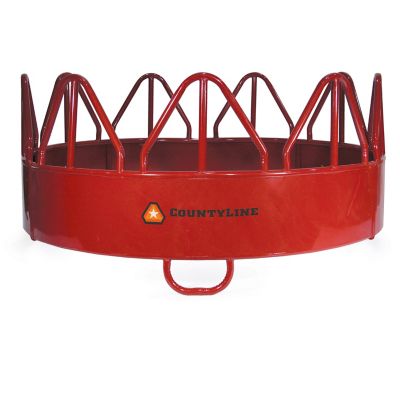
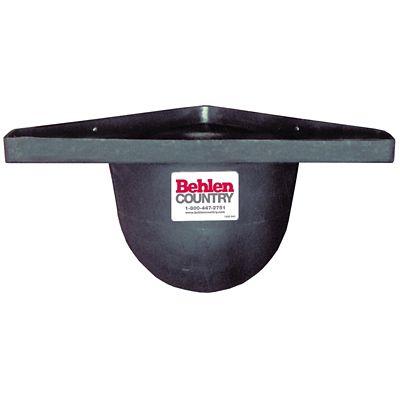
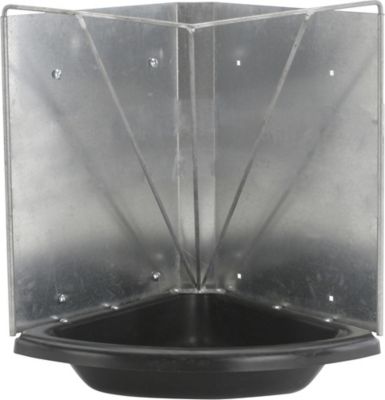
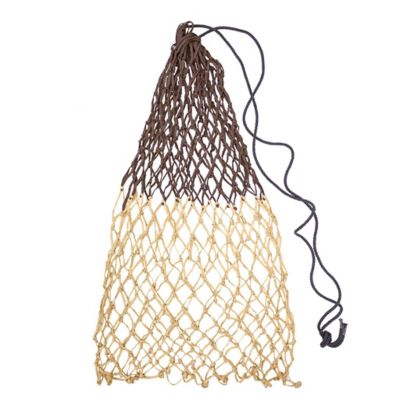
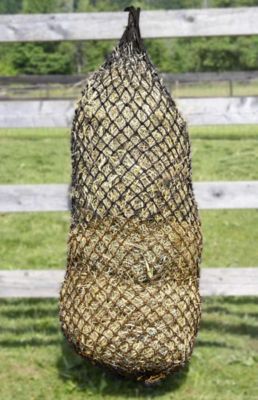
Sheep hay feeders help keep forage cleaner, drier and easier for your flock to reach while cutting down on the hay that gets trampled into bedding, mud or pasture. Instead of pulling flakes straight from the ground, sheep can eat through a rack or grid that holds the hay at a more comfortable height. That simple change can make a noticeable difference in a small barn pen, a covered lot or a larger pasture, especially when hay is one of the main parts of the daily ration. Keeping hay off the ground may also help limit contact with manure and damp bedding, which supports a cleaner feeding area and can help reduce some of the conditions that contribute to parasite exposure. Sheep hay feeders come in several useful styles, so the right choice depends on your flock size, feeding routine and available space. Wall-mounted baskets and compact racks work well in stalls, lambing jugs, small pens and individual areas where you need to save floor space. Fence-line and creep feeders can attach to panels or fencing, letting you refill hay from outside the enclosure instead of stepping into the flock every time. Pasture or bunk-style feeders are a practical fit for multiple sheep and may include an elevated hay rack over a trough that catches loose leaves and smaller pieces. Round-bale and big-bale feeders are built for larger groups that go through a lot of forage, with circular or paneled designs that help keep the bale contained as the sheep work their way around it. For a small flock owner, a sturdy feeder can make chores feel more manageable; for someone starting a homestead or raising their first lambs, it can be a thoughtful and genuinely useful gift.
Before choosing a sheep hay feeder, take a close look at the way you buy and store hay. A rack made for small square bales may not have the capacity or structure needed for a large round bale, while a round-bale feeder can take up more room than a small pen allows. Measure the feeding area, gate openings and the space around the feeder so there is enough room for sheep to approach, back away and move without crowding. Flocks with different sizes or ages may need more than one feeding station to prevent timid sheep from being pushed aside. Lambs, smaller breeds and older sheep may do better with a lower, easy-to-reach design, while adult sheep need a feeder that stands firmly and does not tip when several animals lean against it. Pay attention to the spacing in the rack or grid as well. Narrow openings, often in the range of about 3 to 4 inches depending on the feeder design and the animals using it, can help prevent sheep from tugging out whole flakes and dropping them underfoot. The spacing still needs to suit your breed, age group and head shape. If you keep horned sheep, choose a design that allows safe entry and withdrawal without trapping horns, wool or collars. Smooth edges, secure fasteners and a solid base matter just as much as capacity. Look for catch pans, skirts or lower troughs that collect fallen leaves, since those features can help reduce waste and keep valuable forage from being buried in bedding. When feeding outside during the warmer parts of the year and into the cooler months, weather-resistant construction is especially helpful. Hot-dipped galvanized steel can stand up to wet conditions and regular use, while heavy-duty plastic or poly can resist rust, cracking and rough handling. Set the feeder on firm, well-drained ground whenever possible, and move portable units before the area becomes deeply muddy. A feeder under a roof or in a sheltered part of the pasture will keep hay fresher and make cleanup easier, but good ventilation is still important so damp forage does not linger. Check the rack regularly for bent sections, sharp spots, loose hardware and buildup of wet hay, and clean around the feeding area as part of your normal chores. For related livestock feeding options, see
Goat Hay Racks. A well-matched sheep hay feeder saves more than hay; it saves time at chore time, keeps the feeding area in better shape and gives your flock a dependable place to eat through changing weather and busy seasons.