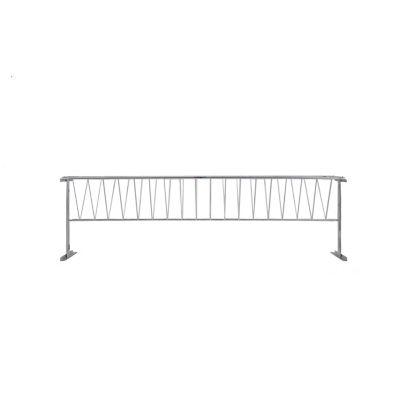
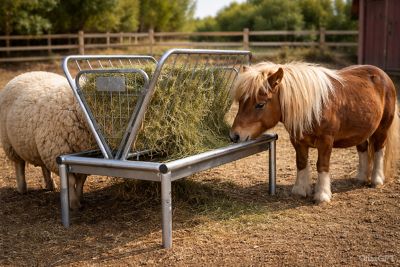
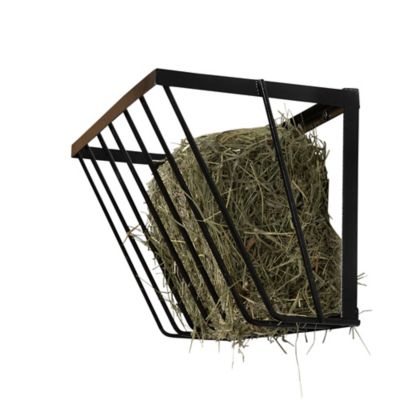
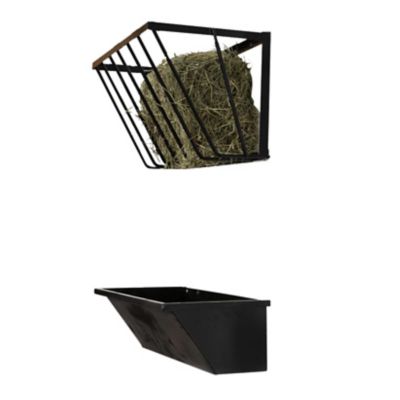
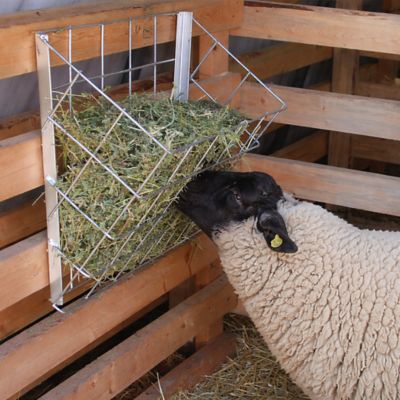
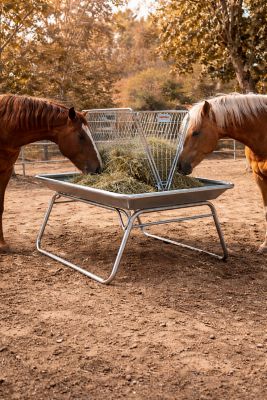
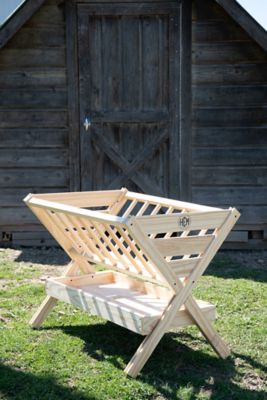
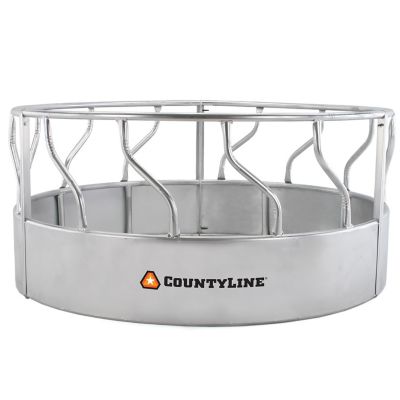
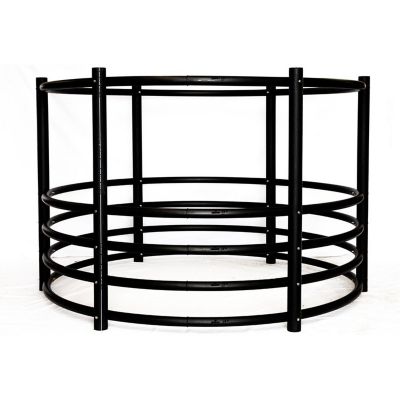
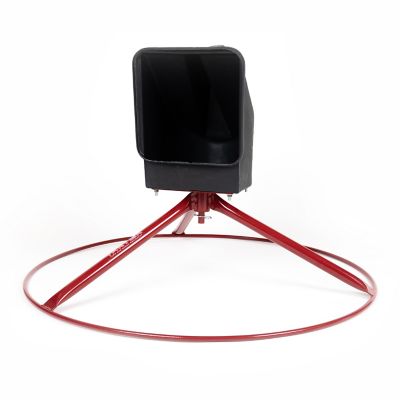
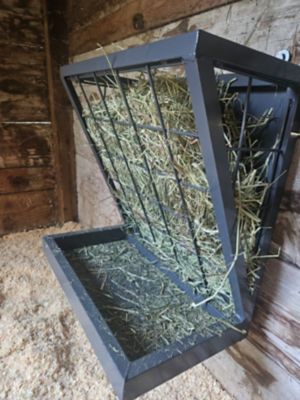
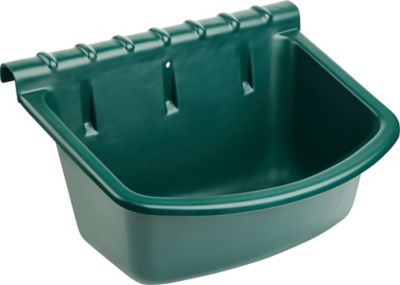
Goat hay racks hold forage above the ground, helping reduce hay waste and limit contact with manure, bedding, and dirt. They give goats a designated feeding spot and help keep loose hay from spreading across the pen. That matters with animals that like to tug out a mouthful, pick through the stems, and leave the rest underfoot. Once hay gets trampled or soiled, goats may turn away from it, even when plenty remains. A rack helps contain that forage while keeping it within reach for regular feeding. These feeders fit into many kinds of setups, from a small homestead with a few goats to a larger livestock operation with separate groups of does, bucks, or growing animals. Wall-mounted hay racks keep the feeding area along the edge of a stall or pen, leaving more floor space open. Corner designs tuck into an otherwise awkward spot, while freestanding feeders can create a feeding station away from a building wall. Some designs combine a hay rack with a lower catch tray, which can collect loose leaves and stems before they reach the floor. The best fit depends on the animals eating from it, the space around it, and the way daily chores get done. A rack that works well for two adult goats may not provide enough feeding room for a larger group, especially when one animal tends to claim the best spot. Several accessible feeding positions can help spread goats out, although a bossy herd member may still make separate feeding areas worthwhile. For households keeping dairy goats, fiber goats, meat goats, or companion animals, the purpose stays much the same: keep forage contained, make feeding manageable, and give each animal reasonable access. Hay racks support that routine, but they do not replace a balanced feeding plan, fresh water, or attention to each goat’s condition.
Construction makes a difference because goats rarely treat a feeder gently. They lean, rub, pull, and sometimes try to climb, so the frame, welds, mounting points, and base all deserve a close look. Steel goat hay racks can provide the weight and rigidity needed for regular livestock use, while galvanized surfaces or protective finishes help limit corrosion. No finish makes a feeder maintenance-free; scratched coatings, rough welds, bent bars, and sharp edges still call for attention. Smooth feeding surfaces and firmly secured hardware matter wherever an animal’s muzzle, neck, or shoulders might rub. Bar spacing is especially important for goats because body size, age, and horn shape vary so much. An opening that suits one animal may create an entrapment risk for another, and a rack intended for another kind of livestock is not automatically suitable for goats. Manufacturer guidance about animal suitability, horned animals, and installation provides a better starting point than appearance alone. Mounting height also needs to match the animals rather than simply line up with a convenient wall board. Goats should be able to reach forage without climbing into the feeder, kneeling awkwardly, or stretching against the frame. In pens with deep bedding, the effective feeding height changes as bedding builds up. For wall-mounted designs, the supporting structure and attachment hardware must be appropriate for the feeder and the pressure animals can put on it. Freestanding designs need a stable base and placement that limits tipping, shifting, and crowding against fences. Space around the rack matters just as much as its footprint: there should be room for goats to approach and move away, along with access for a person carrying hay or pushing a wheelbarrow. Loading access, gate swing, and nearby water containers all affect how comfortably a feeder fits into the everyday layout of a barn or pen.
Capacity and feeding access are related, but they are not the same thing. A large hay rack may hold plenty of forage without giving every goat enough room to eat at once. Feeding length, the number of usable sides, and the position of openings help determine how well a rack serves the group. Hay texture matters, too. Long, stemmy forage behaves differently from fine grass hay or leafy hay, and tight packing can make forage harder to pull through a rack. Openings that allow easy access may also let more hay fall out, so containment and reach need to work together. Catch trays can gather some of those falling pieces, though collected material still needs checking for manure, dampness, and other contamination. A tray should not become a place where stale feed piles up beneath a fresh armful. Easy-to-reach corners, accessible fasteners, and surfaces that can be brushed clean make routine care less of a chore. After washing, thorough drying helps keep trapped moisture from lingering against metal or leftover forage. Regular checks for loose attachments, damaged bars, and changing animal fit are part of keeping the feeding area in working order, especially as young goats grow. Farms that keep more than one type of small livestock may also compare
Sheep Hay Feeders when planning feeding spaces, while checking the suitability of each design for the animals that will share it. Raising hay off the floor can help reduce exposure to soiled ground, but it does not prevent parasites by itself or take the place of sanitation and a veterinarian-directed herd health plan. A well-matched goat hay rack brings practical benefits to ordinary chores: less loose forage under boots, a clearer view of what the herd is eating, and a feeding spot that is easier to inspect, refill, and clean.