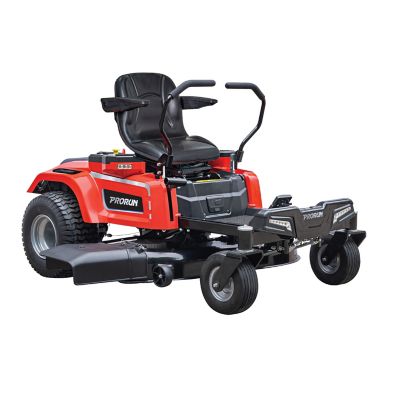
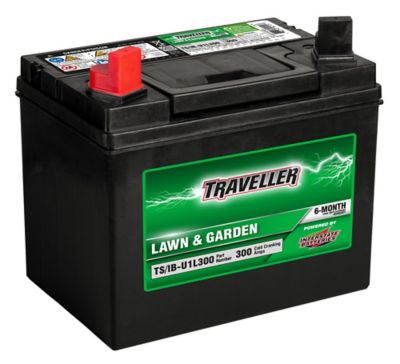
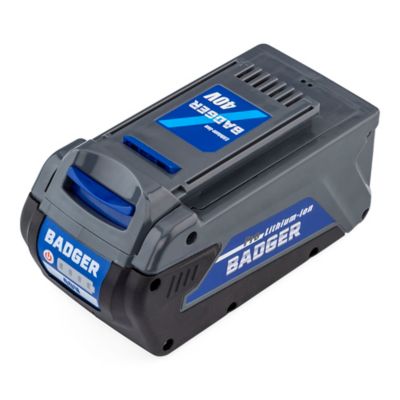
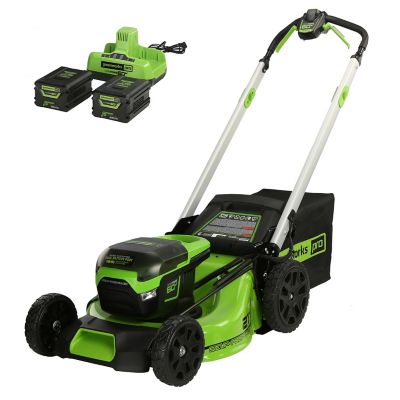
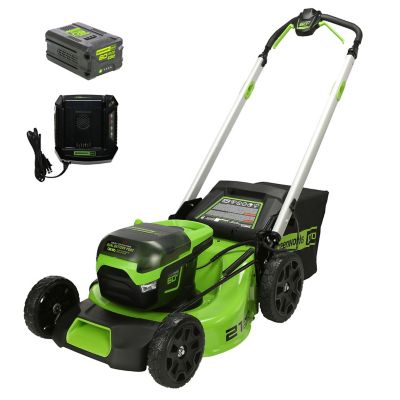
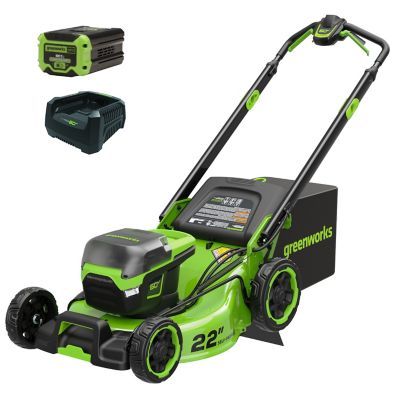
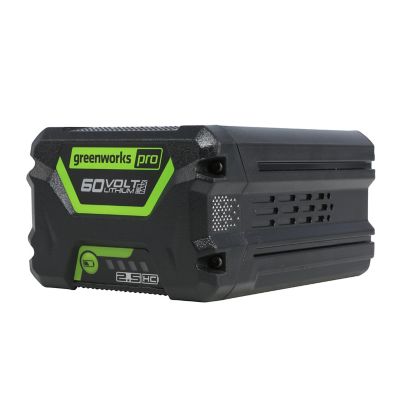
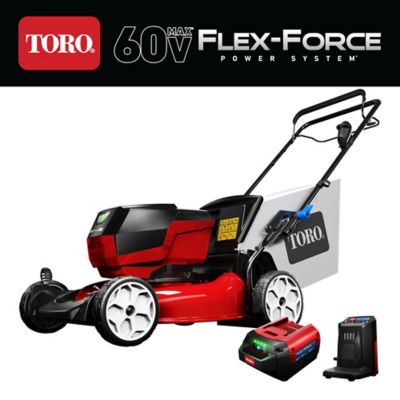
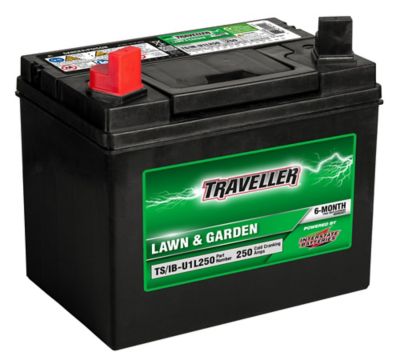
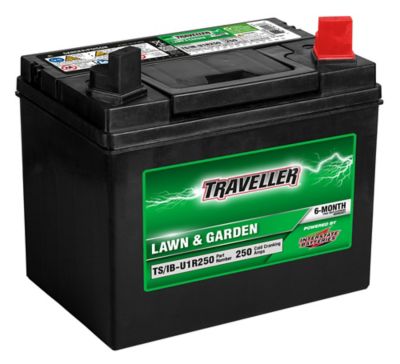
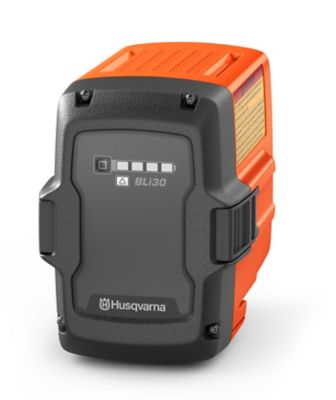
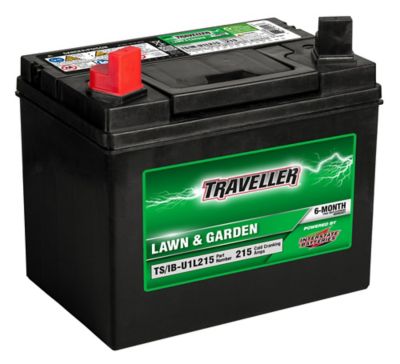
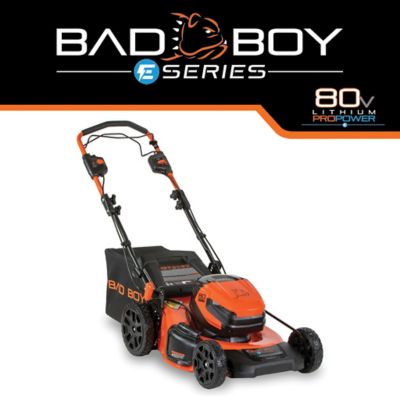
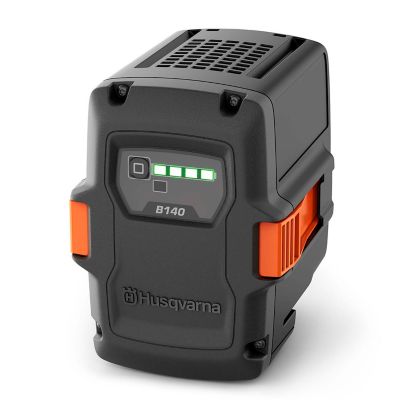
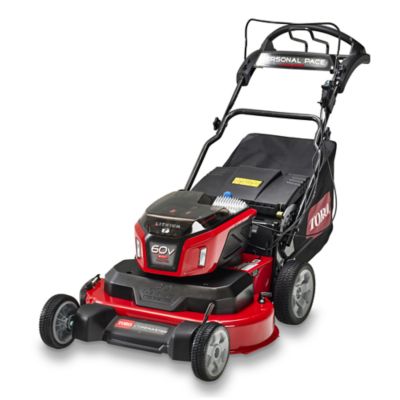
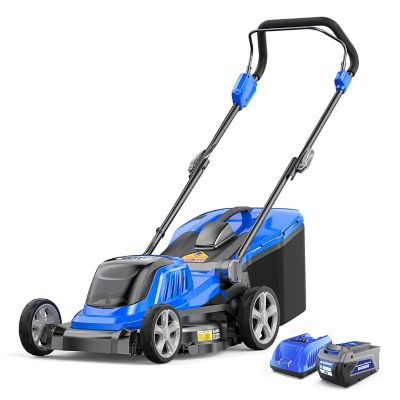
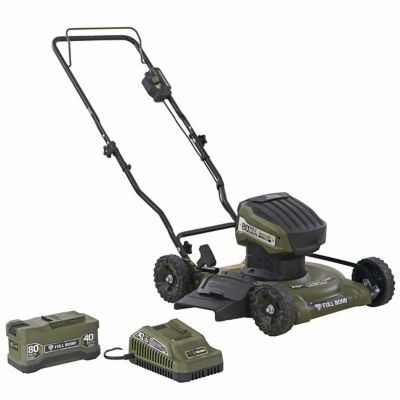
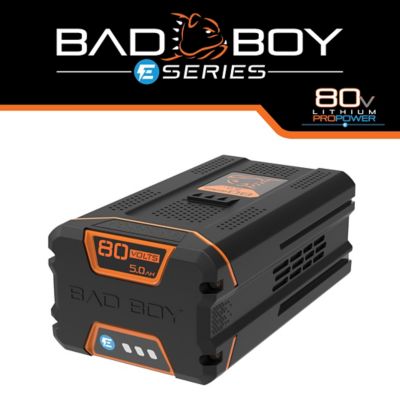
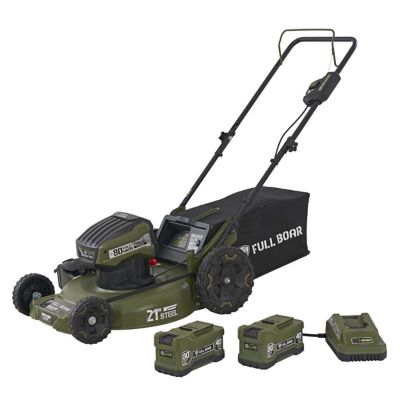
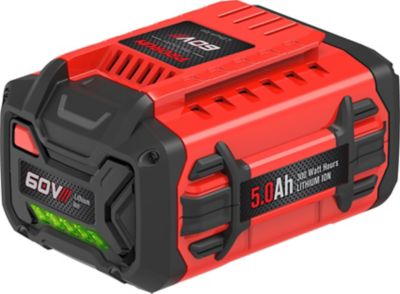
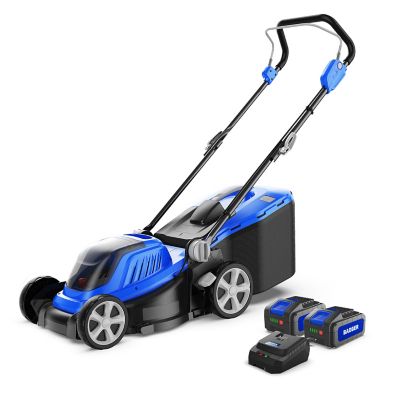
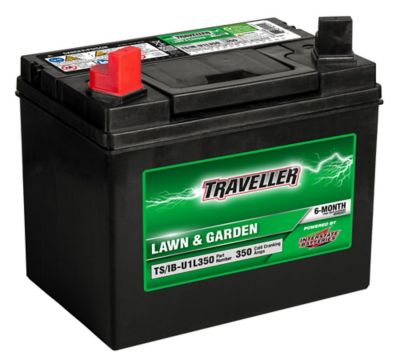
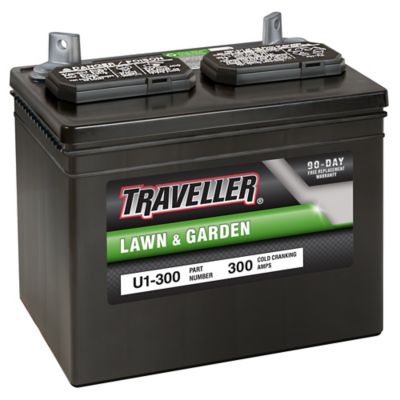
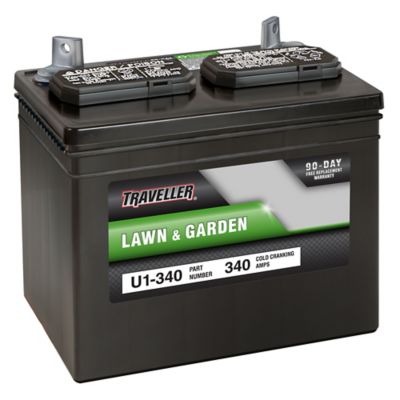
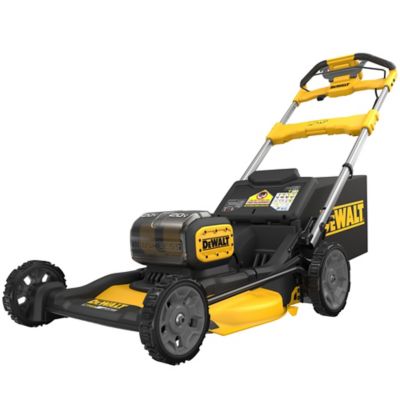
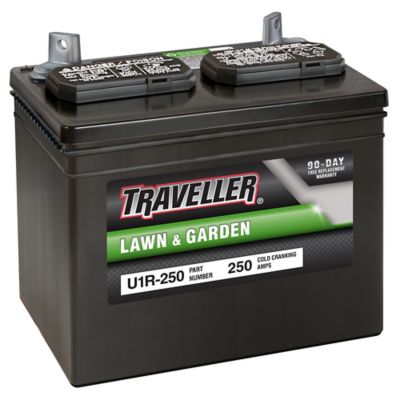
An electric mower battery is the heart of a cordless mowing setup, providing the steady power needed to keep blades turning without gas, oil, pull cords or extension cords underfoot. Replacement batteries commonly fall into two broad groups: rechargeable lithium-ion packs used with modern cordless walk-behind mowers and sealed lead-acid or AGM batteries found in some older electric-start mowers and riding lawn tractors. Lithium-ion batteries are usually identified by voltage ratings such as 40V, 48V, 56V, 60V or 80V, while many lead-acid mower batteries are 12V. Voltage is not a matter of choosing the biggest number available. The battery must match the mower’s required power platform, connection style and manufacturer specifications. A battery with the wrong voltage may not run the mower properly and could damage the equipment or create a safety concern. Before adding a replacement to your cart, check the mower’s owner’s manual, the label on the original battery or the identification information printed near the battery compartment. Model numbers and part numbers are especially helpful when the mower has been working hard for several seasons and the original label is faded or worn. Compatibility is also important when choosing a spare battery. Packs designed for one cordless tool system generally are not interchangeable with another system, even when their voltage ratings appear similar. A direct-fit replacement or an approved battery from the same power platform is the safest choice. For lawn owners who keep a tidy half-acre, manage a small country property or simply prefer quieter yard work, an extra battery can make mowing day much smoother. One pack can be charging while another is in use, helping you finish a stretch of grass before rain rolls in or before the afternoon heat settles over the yard. Extra batteries can also be a practical gift for a homeowner, new property owner or do-it-yourselfer who already has a compatible cordless mower. They take up little storage space compared with a gas can and can be useful when a family member shares equipment between a house, cabin, barnyard or rental property.
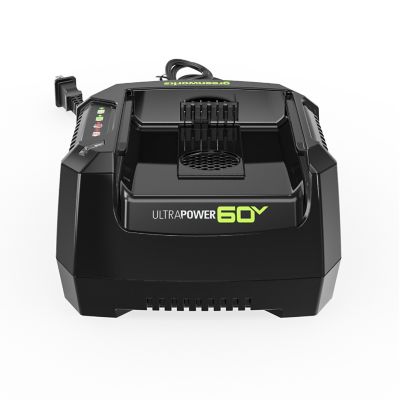
Battery capacity is another detail worth considering. Amp-hours, shown as Ah, describe how much energy a battery can store and generally give you an idea of expected runtime. A higher Ah rating often allows a mower to run longer between charges, although actual mowing time depends on grass height, moisture, blade condition, cutting width, terrain, speed setting and how often the mower enters thick patches. Tall, damp grass can pull more power than a dry, regularly maintained lawn, and slopes may require additional effort from the motor. A smaller, lighter battery may suit a compact yard where the mowing is done in one quick pass, while a higher-capacity option can be helpful for larger lawns, rougher growth or properties with several separate grassy areas. Keep in mind that a larger battery may add weight, so balance runtime with how easy you want the mower to push, lift and store. Proper charging and storage can help protect that investment. Use the charger approved for the battery type and voltage, and avoid mixing charging equipment between different systems unless the manufacturer specifically says it is compatible. The selection of
Lawn Mower Battery Chargers can help you find charging equipment suited to your setup. Let a recently used battery cool as directed before charging, place it on a dry, stable surface and keep charging equipment away from rain, sprinklers and damp shed floors. During cooler months, batteries may lose some available runtime, especially when stored in an unheated garage or outbuilding. Following the storage instructions in the manual, keeping contacts clean and avoiding long periods of complete discharge can help the battery stay ready for the next mowing job. Lead-acid and AGM batteries also benefit from proper charging and secure connections, while lithium-ion packs should be kept away from excessive heat, impact and moisture. If a battery is swollen, cracked, leaking, unusually hot or showing other signs of damage, stop using it and follow local recycling or disposal guidance rather than placing it in household trash. With the right voltage, capacity, fit and care routine, an electric mower battery can make regular lawn maintenance quieter, cleaner and easier to work into the rhythm of life around the home place.