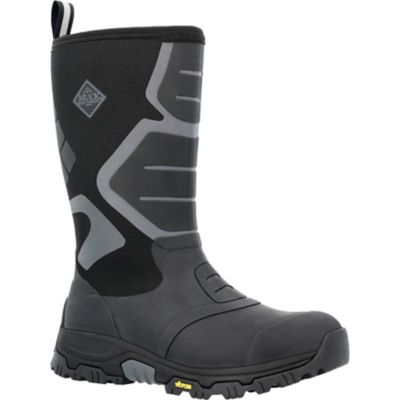
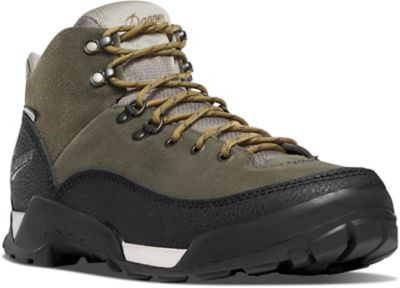
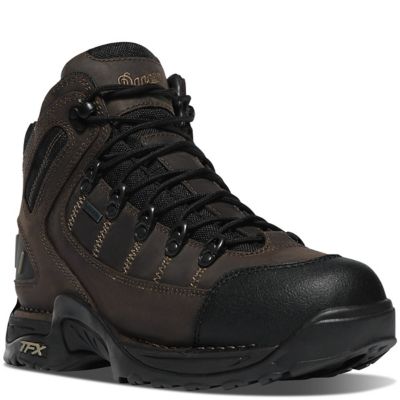
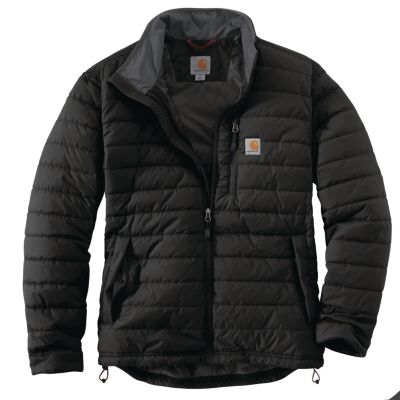
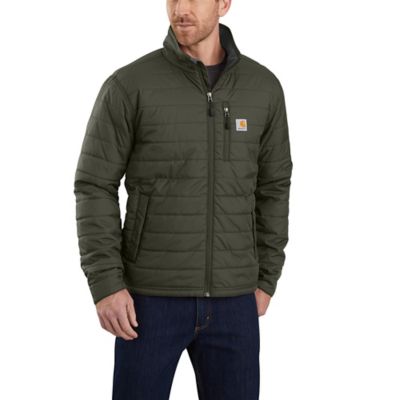
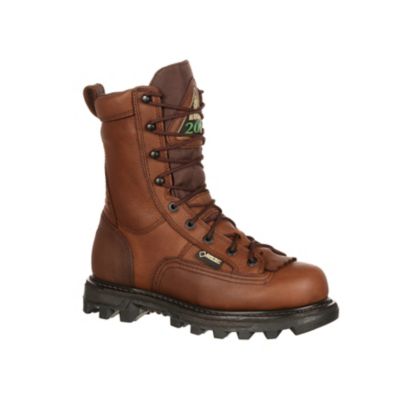
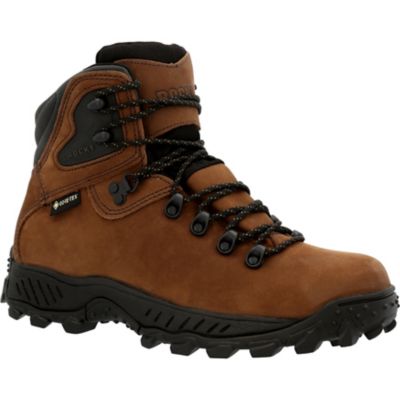
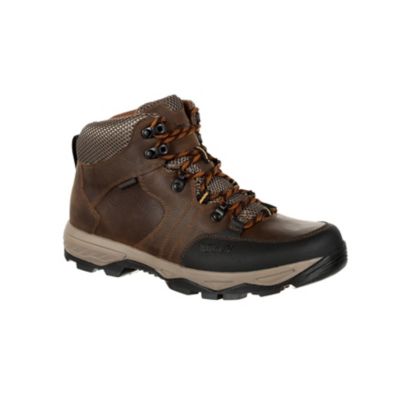
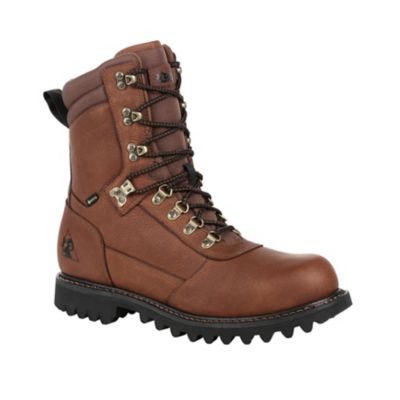
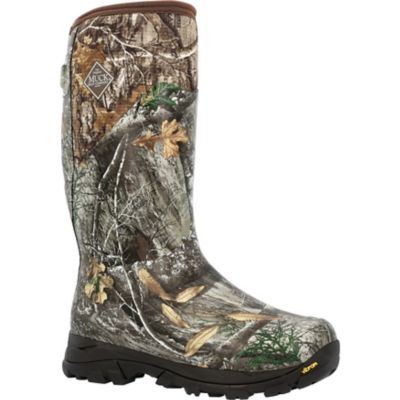
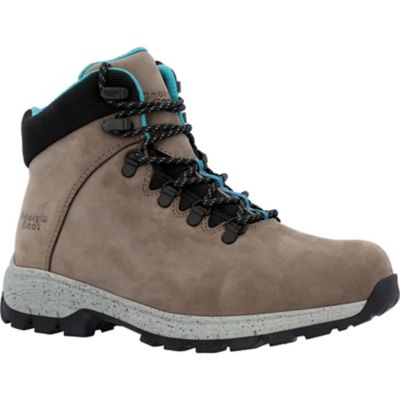
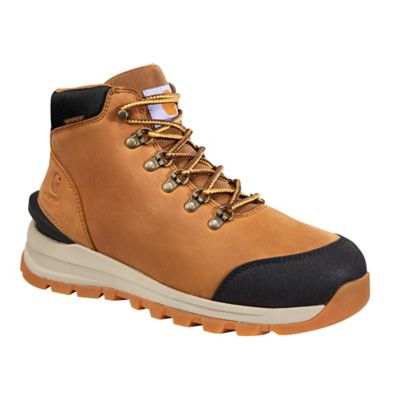
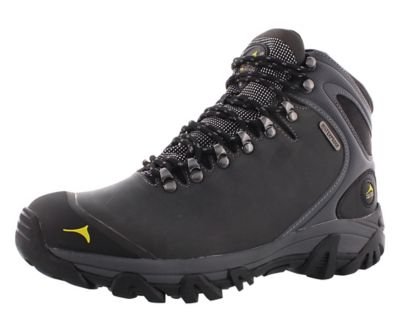
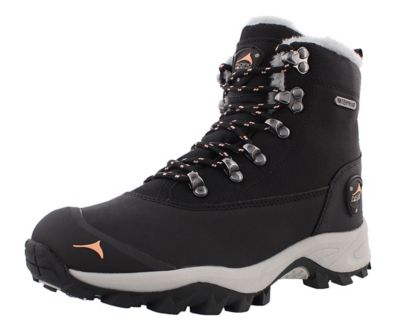
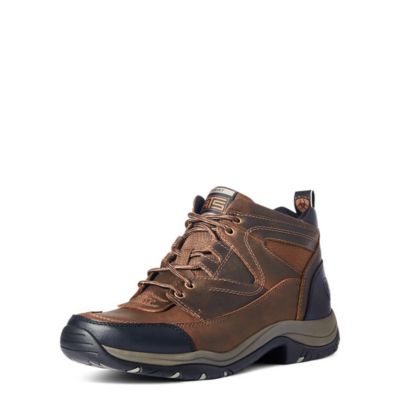
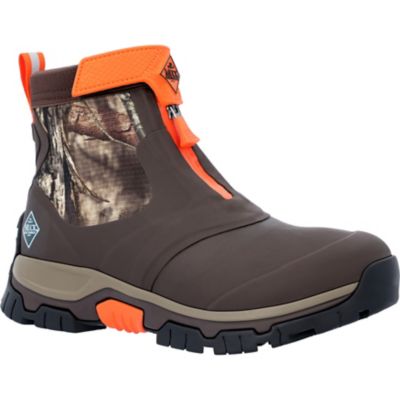
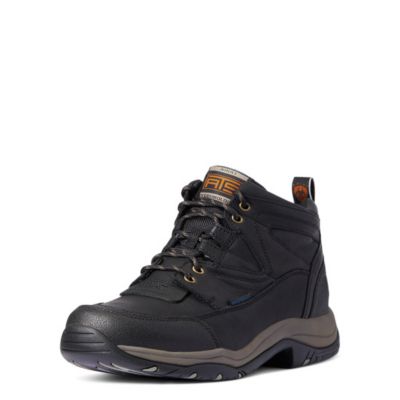
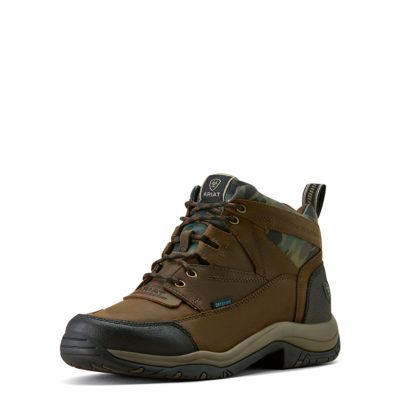
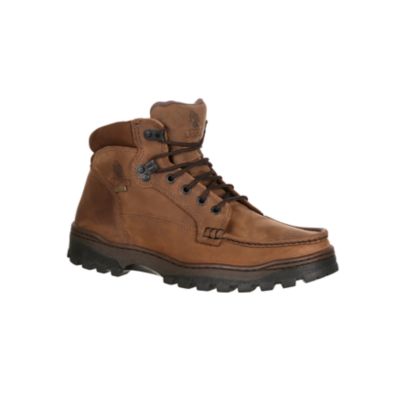
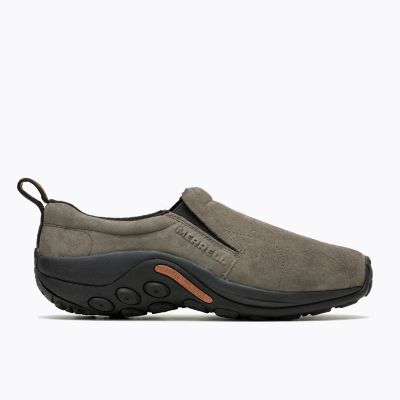
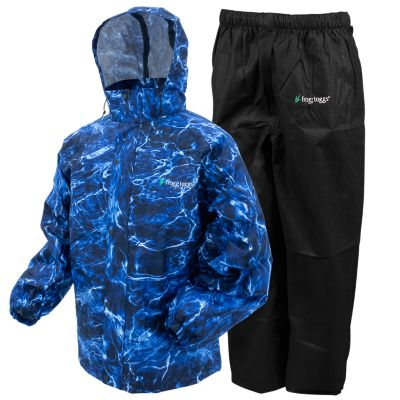
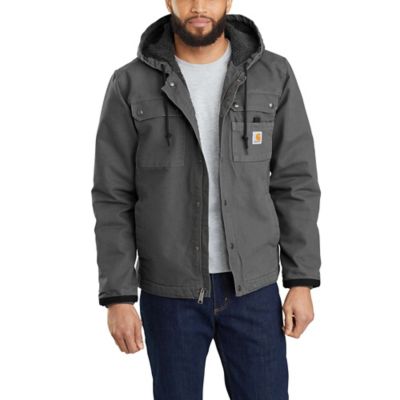
Gear for mountaineering brings together footwear, clothing, packs, and climbing equipment built for travel through steep, demanding terrain. The right combination depends on the route: a long approach over broken rock calls for different support than a glacier crossing or a climb with sustained vertical sections. Across those settings, comfort, manageable weight, and equipment compatibility matter as much as toughness. Mountaineering footwear typically balances ankle support, underfoot stiffness, traction, and protection from abrasion, with construction ranging from leather uppers to synthetic fabrics and reinforced blends. A boot that feels comfortable on level ground still needs enough heel hold for climbing and enough room at the toes for a long descent. Foot shape, sock thickness, and the space needed for swelling during extended activity all affect fit. For routes that require crampons, compatibility between the boot and the attachment system is essential; a traction device that fits one style of footwear may not attach properly to another. Clothing serves a different but equally practical role, allowing freedom of movement when stepping onto a high ledge, reaching overhead, or crouching beside a pack. Stretch-woven fabrics can make those movements easier, while reinforced panels help handle contact with rough surfaces. Wool and synthetic base layers manage moisture, and outer layers offer varying levels of protection, breathability, and abrasion resistance. Fit needs to work across the whole clothing system rather than one piece at a time. Sleeves should allow a full reach without pulling the hem out from under a harness, and pant legs should leave enough clearance for a climbing stride without excess fabric catching around the feet. For someone accustomed to long days on trails or working across uneven ground, those details may feel familiar. Mountaineering adds another demand: each piece must function alongside the rest when the ground gets steeper and turning back takes time.
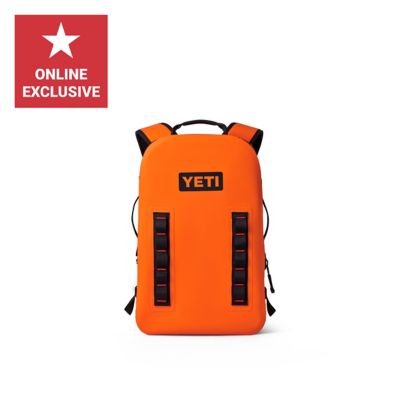
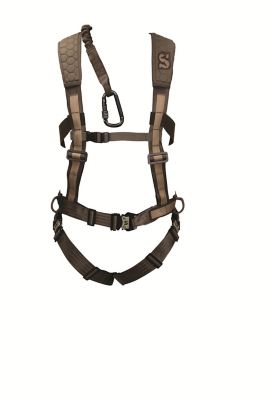
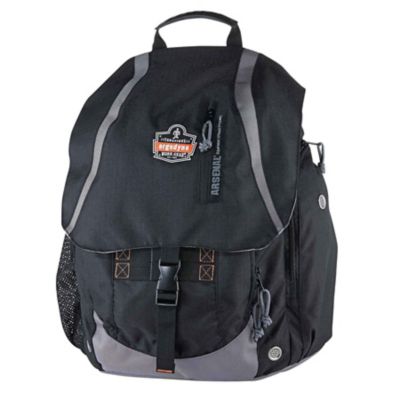
Technical mountaineering equipment has a narrower purpose than general outdoor gear, and its intended use deserves close attention. A climbing harness provides the connection between a climber and the rope system, while climbing helmets help protect against hazards such as falling rock and impacts. Neither replaces sound route judgment or practiced climbing skills. Harness fit includes secure adjustment at the waist and legs, enough movement for high steps, and accessible attachment points that remain clear of clothing and pack straps. Helmet fit should stay steady when looking up or bending forward, without creating pressure that becomes distracting over several hours. Ropes, connectors, and protection equipment belong to systems with defined functions, compatibility requirements, and inspection criteria. Dynamic climbing ropes and low-stretch ropes are not interchangeable across every task, just as a general utility connector is not a substitute for a connector rated for climbing. Manufacturer specifications and applicable climbing standards provide a firmer basis for selection than appearance alone. On snow and ice routes, mountaineering axes, crampons, and glacier travel equipment serve specialized roles that require instruction and practice. Owning that equipment does not establish readiness for glacier travel, self-arrest, or crevasse rescue. Packs tie much of the remaining kit together, and their usefulness comes down to how they carry rather than capacity alone. A properly fitted suspension transfers weight comfortably, while a stable shape helps limit shifting when a climber steps across a gap or moves through a narrow passage. Tough woven fabrics, reinforced attachment areas, and well-finished seams help a pack stand up to repeated contact with stone. External attachments need to secure equipment without leaving loose pieces swinging around, and closures should remain manageable with covered hands. Picture pausing on a small bench above a rocky approach: a pack that keeps essential layers and route information within reach makes that stop less of a rummage. Space for water, food, navigation, first aid, and emergency shelter also belongs in the load calculation, even when keeping pack weight down is a priority.
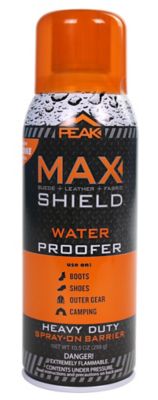
Long-term performance depends on care as well as construction. Grit can work into moving parts, repeated scraping can weaken fabric, and prolonged sunlight or contact with certain chemicals can affect some climbing materials. Care requirements vary, so washing, drying, storage, and inspection should follow the manufacturer’s directions for each piece. Footwear generally benefits from having dirt removed before storage and from drying away from direct heat; treatments also need to match the upper material and any membrane construction. Clothing with specialized finishes may call for particular cleaning methods rather than a routine laundry cycle. Packs need attention around seams, buckles, and load-bearing attachment points, where wear can be less obvious than a scuff across the front. Life-safety equipment demands stricter judgment: retirement criteria, service-life limits, and any history of a significant fall or damaging exposure matter even when an item looks sound. Keeping care information and purchase records together makes that history easier to track. These considerations matter to a range of mountain travelers, from experienced backpackers preparing for instruction to practiced climbers replacing equipment for a particular objective. The most useful selection reflects the person’s actual activities, not simply the most technical-looking setup. Someone carrying a load over many approach miles may place extra value on pack fit and footwear comfort, while a climber moving through tight rock passages may favor a trimmer profile and fewer snag points. For gift giving, clothing and carrying accessories can suit a mountain-minded recipient when sizing and preferences are known, but technical footwear and life-safety equipment usually call for the recipient’s direct input. Similar attention to movement, moisture management, and fit also matters for riders exploring
Gear For Winter Cycling, though climbing and cycling equipment have different requirements and should not be treated as interchangeable. Across mountaineering gear, the practical goal stays straightforward: equipment that fits the person, matches the terrain, and supports the skills the outing requires. Thoughtful materials, serviceable construction, and consistent care help keep the focus on steady footing, deliberate movement, and the work of getting back down.