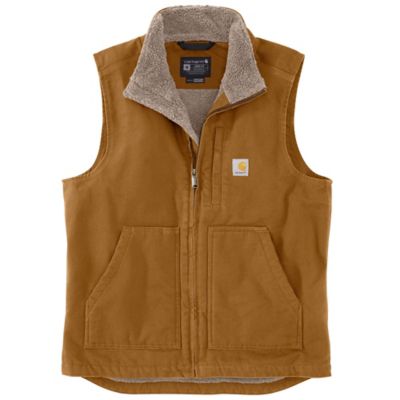
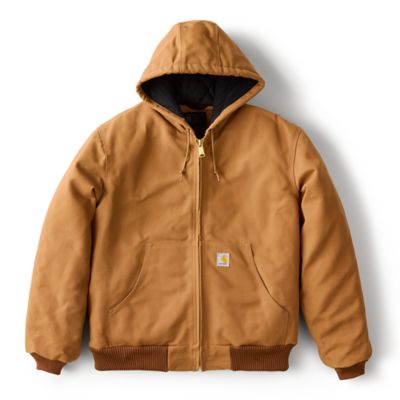
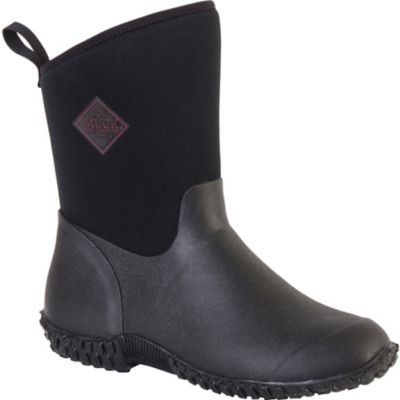
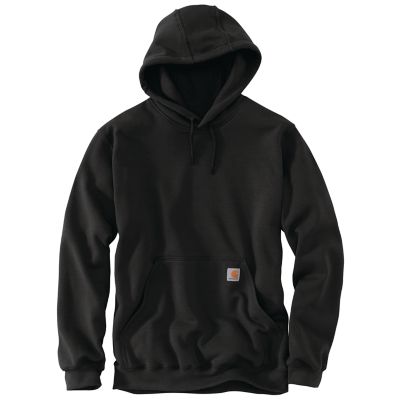
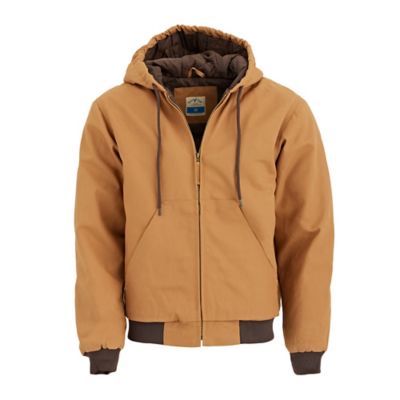
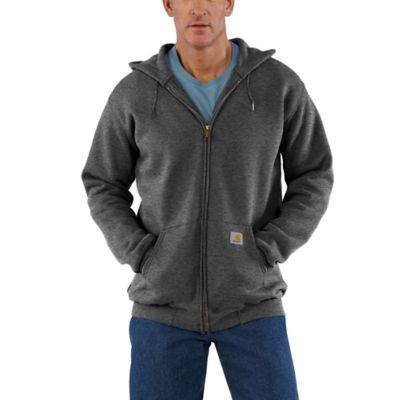
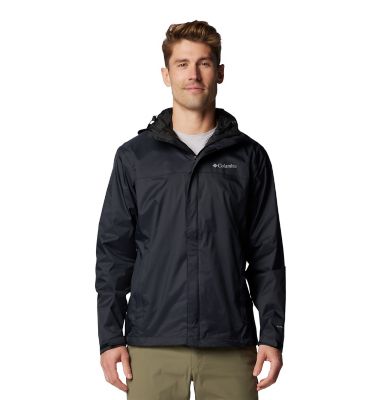
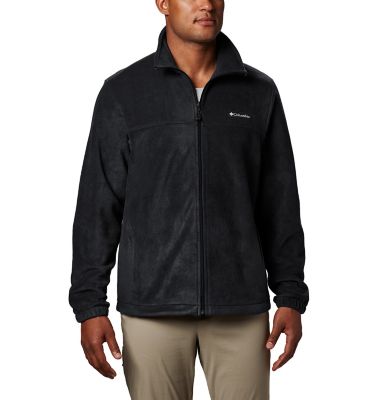
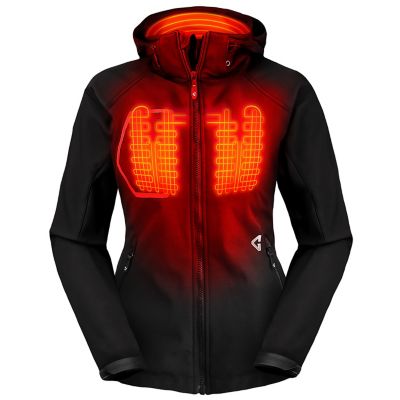
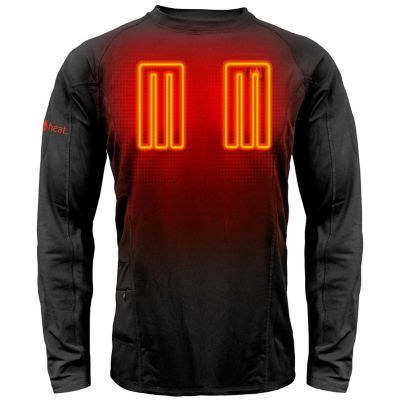
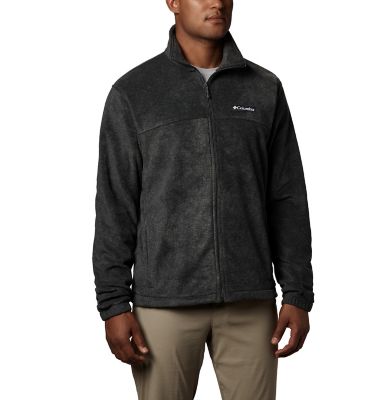
Gear for working in cold weather helps take the edge off biting wind, damp mornings and long hours outside, whether the day starts with feeding livestock or unloading equipment at a jobsite. Cold weather workwear generally serves three purposes: moving perspiration away from the skin, holding body heat close and shielding against wind and moisture. Those jobs call for different materials, which is why a layered setup often feels more comfortable than one heavy garment. A close-fitting base layer made from merino wool or moisture-wicking synthetic fabric helps manage sweat during active work. Cotton absorbs moisture and dries slowly, making it a less practical next-to-skin choice when hard work gives way to standing in the cold. Fleece, wool and synthetic insulation add warmth through the middle, while an outer shell provides protection suited to the conditions. The right balance depends as much on the chore as the thermometer. Carrying feed bags up a muddy slope generates more heat than sitting on an open tractor, even on the same morning. Lighter layers with easy-to-reach zippers make sense for changing activity levels, while more insulation can be helpful for slower work and longer stretches exposed to the wind. Fit matters across the whole setup: a base layer should sit close without pinching, and outer clothing needs enough room for the layers beneath without restricting movement. Reaching for a gate latch, bending to check a water line and stepping onto equipment all call for freedom through the shoulders, waist and knees. Sleeves that stay over the wrists and longer backs that maintain coverage when bending help close the gaps where cold air sneaks in. For farmers, ranch hands, construction crews and anyone keeping a place running through the cooler months, practical warmth starts with clothing that matches the pace of the work rather than simply adding the most insulation.
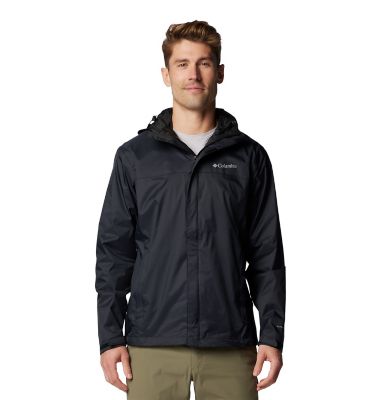
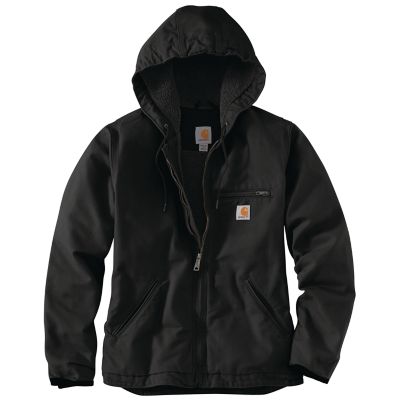
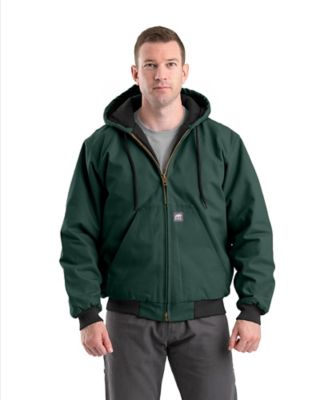
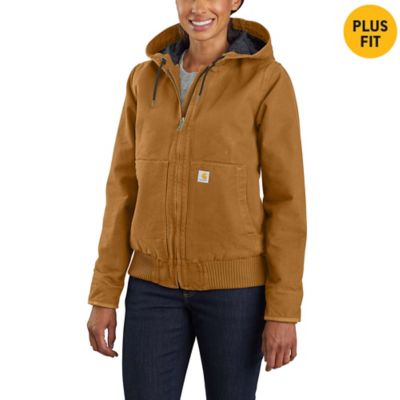
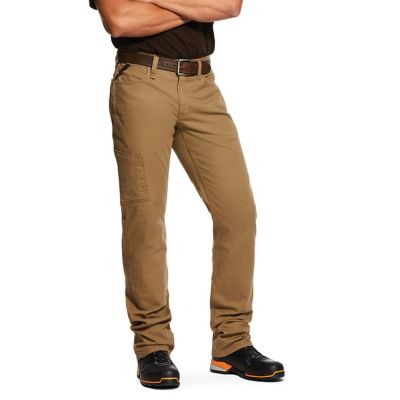
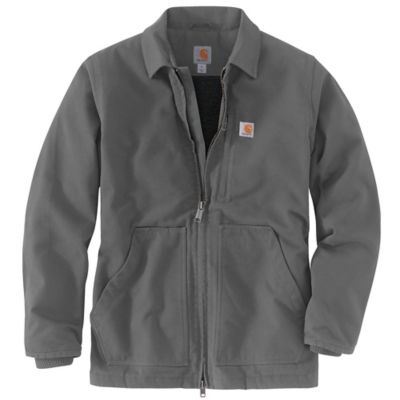
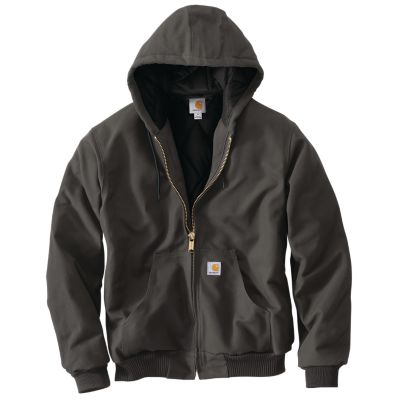
Outerwear for cold weather work has to handle more than low temperatures. Fence wire, rough lumber, hay bales and repeated kneeling put stress on fabric, seams and closures. Tightly woven duck and canvas offer abrasion resistance for demanding chores, while flexible woven fabrics can make climbing, crouching and reaching feel less restricted. Reinforced knees, elbows and pocket edges add protection where clothing tends to wear first, and sound stitching helps garments hold together through repeated movement. Fabric weight alone does not tell the whole story, though. A heavy outer layer may stand up to rough surfaces without being waterproof, and a water-resistant finish generally handles light moisture differently from a waterproof construction with sealed seams. Wind resistance matters, too, especially across open pasture or around buildings where gusts funnel through the gaps. Breathable materials and ventilation help release heat during strenuous work, reducing the damp feeling that becomes uncomfortable once the pace slows. For chores that cross over into steady rain, sleet or wet snow,
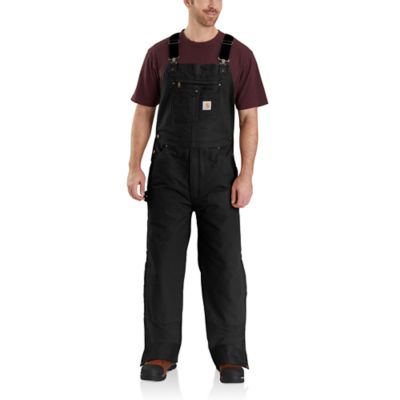
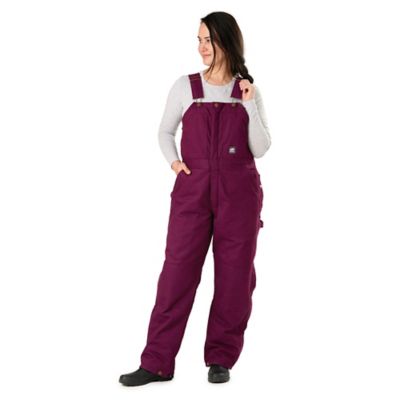
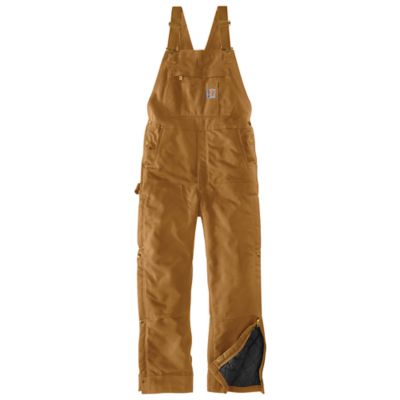
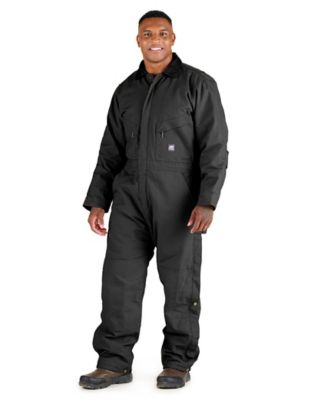
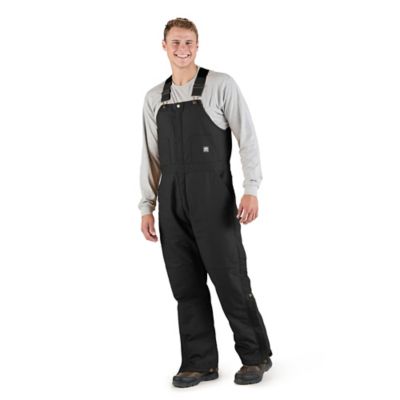
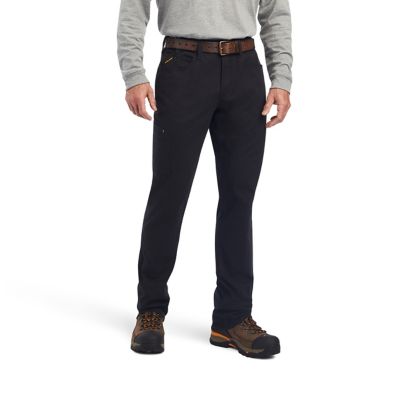
Gear For Wet Weather covers another side of staying comfortable outside. Insulated lower-body coverage is worth considering for work that involves cold seats, kneeling on chilled ground or spending hours in exposed areas. Bib-style coverage helps limit drafts around the waist, while leg openings that accommodate work footwear can make dressing less of a wrestling match at the back door. Pockets need to be reachable with layers on, and secure closures help keep small essentials from spilling out when bending or climbing. Zipper pulls that are easy to grasp with gloves can save a lot of fumbling. Around rotating equipment, a close, secure outer fit is important; dangling cords and loose fabric can create hazards. Workwear for jobs with flame, electrical or visibility requirements also needs to meet the applicable workplace standards, since ordinary insulated clothing is not a substitute for task-specific protection. These details matter whether the work happens in a barn aisle, beside a roadside fence or on a windswept building site.
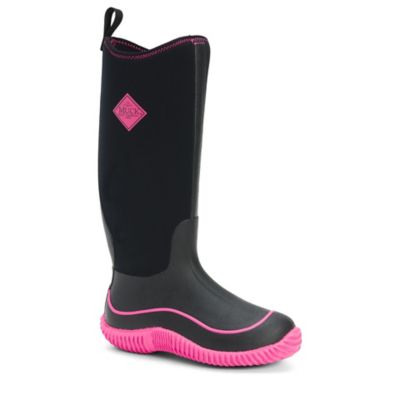
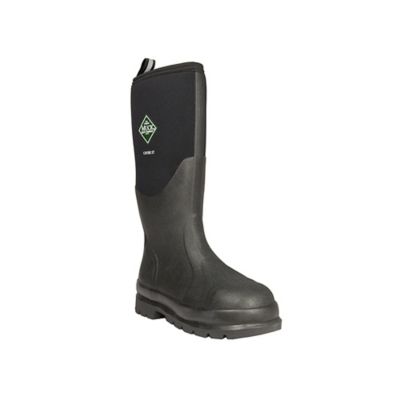
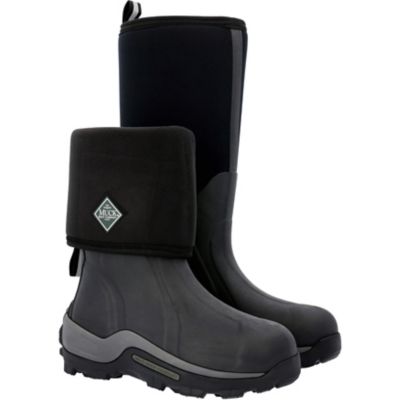
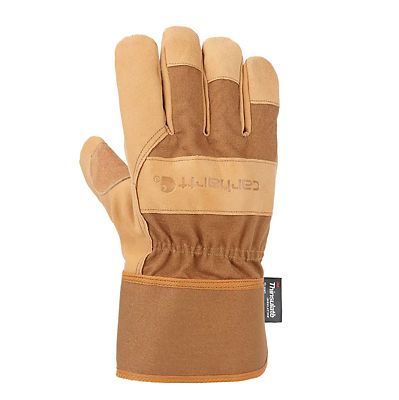
Hands, feet, ears and necks often feel the cold first, so smaller pieces of cold weather work gear deserve the same attention as outer layers. Insulated hand protection needs to balance warmth with grip and finger movement. Handling a shovel calls for a different feel than fastening a small clip or sorting hardware, and insulation that crowds the fingers can make either job harder. Palms with grip-friendly surfaces help with damp handles, while water-resistant materials are useful around troughs, wet gates and melting snow. No glove replaces the protection required for a particular tool, chemical or electrical task. Footwear fit is just as important: toes need room to move, even with work socks on, and cramming extra sock layers into a tight fit can reduce comfort rather than improve warmth. Wool-blend and synthetic socks help manage moisture, while insulation and waterproof construction serve different purposes in cold weather footwear. Outsoles with suitable tread can help on mud and snow, but no tread removes the risk of slipping on ice. Head and neck coverage can reduce exposed skin without leaving loose ends near machinery, and anything worn beneath a hard hat must be compatible with its fit and safety requirements. Care also affects how well cold weather gear keeps doing its job. Following the garment label helps protect insulation, fabric finishes and stretch panels; some waterproof or moisture-managing materials require particular detergents or drying methods. Mud brushed away after drying, closures kept clear of grit and small tears repaired before they spread can extend service life. Footwear and gloves benefit from drying between outings, away from heat sources that could damage their materials. For someone who spends mornings at the barn or weekends tending acreage, cold weather workwear can also be a thoughtful gift when sizing and job requirements are known. The most useful gear feels right through an ordinary working day, from the first frosty gate to the last trip across the yard. Even well-chosen layers have limits, so access to shelter, dry clothing and warm-up breaks remains part of working safely in the cold.