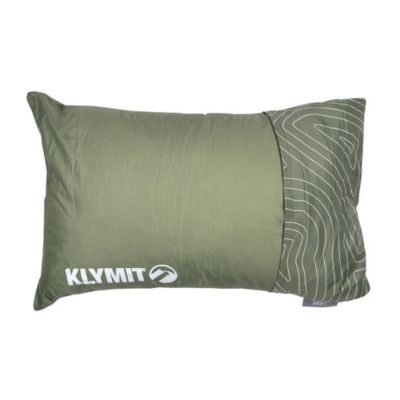
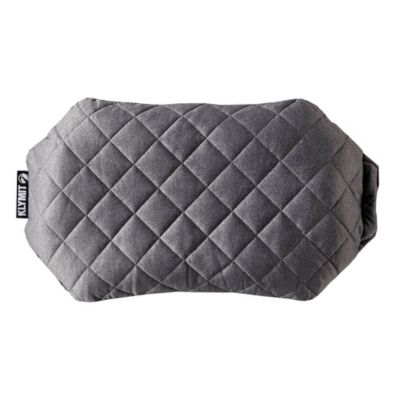
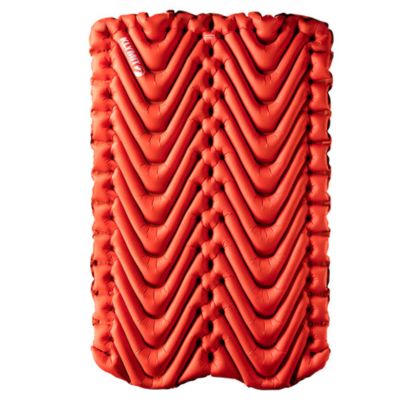
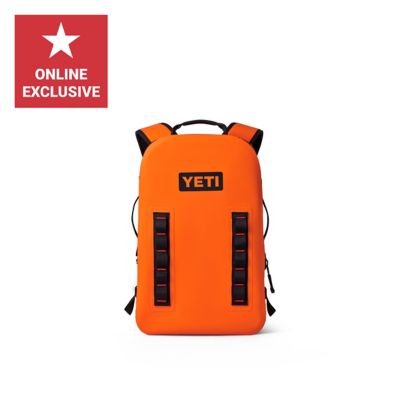
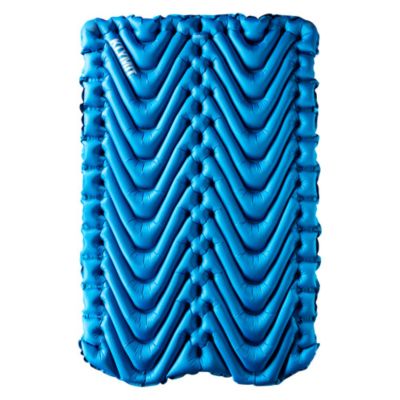
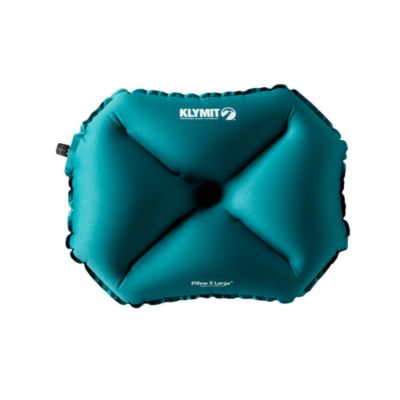
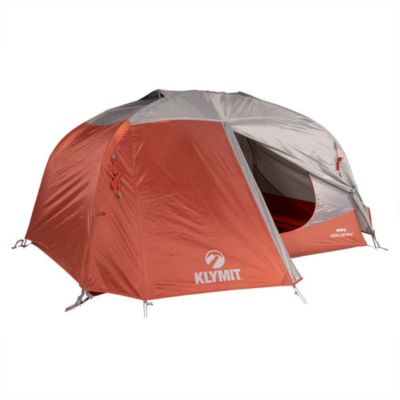
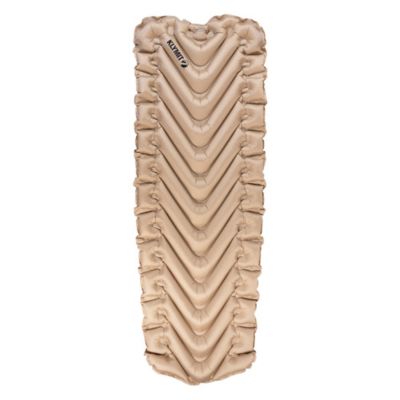
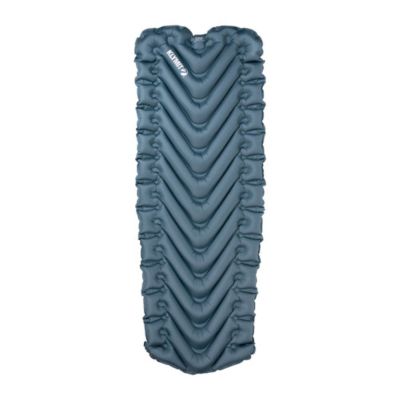
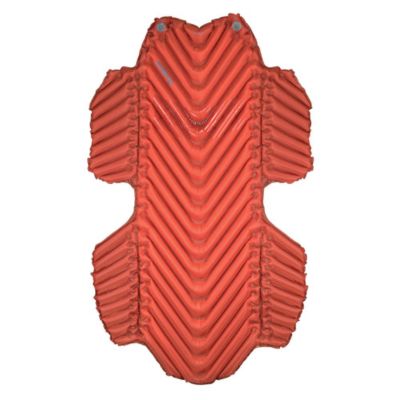
Equipment for backpacking helps turn a long walk into a comfortable overnight trip, whether the trail winds through hardwood forest, crosses open pastureland, or climbs into cooler, higher country. The right gear needs to balance weight, durability, weather protection, and simple, dependable use. A properly fitted backpack is the place to start. For many overnight and weekend trips, a 50- to 65-liter internal-frame pack offers room for shelter, sleep gear, food, clothing, and safety supplies without encouraging an unnecessarily heavy load. Fit matters as much as capacity, so look for adjustable torso length, a supportive hip belt, padded shoulder straps, and pockets that keep water and trail snacks close at hand. A pack liner or waterproof stuff sacks can help protect spare layers and sleeping gear when a steady drizzle settles in. Shelter is another key part of the setup. A lightweight three-season tent with a full rainfly can provide protection from wind, rain, insects, and damp ground during the warmer part of the year and the cooler months that follow. Freestanding tents are often simple to pitch on a variety of ground, while trekking-pole-supported designs can save weight for hikers already carrying poles. Check the packed size, floor dimensions, ventilation, number of doors, and ease of setup before choosing. A sleeping system should work as a team: an insulated sleeping pad keeps body heat from escaping into the ground, while a sleeping bag or quilt supplies warmth from above. For changing conditions, pay close attention to temperature ratings, insulation type, packed size, and moisture resistance. A pad with an R-value around 3 or higher is a practical starting point for many three-season trips, though colder elevations and late-season conditions may call for more insulation. Synthetic insulation can be a dependable choice in damp weather, while down is valued for its low weight and compact size when kept dry. These categories also make thoughtful gifts for a new hiker, college student heading outdoors, or experienced camper preparing for more miles on the trail. A solid pack, shelter, or sleep system can be used for years and often becomes part of the memories tied to a first overnight hike.
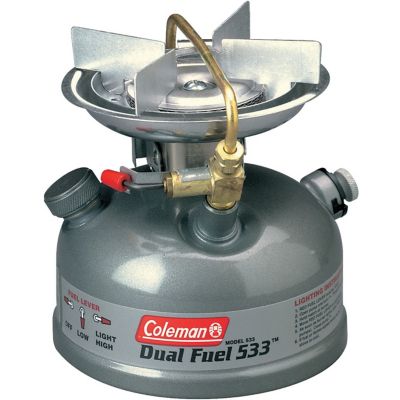
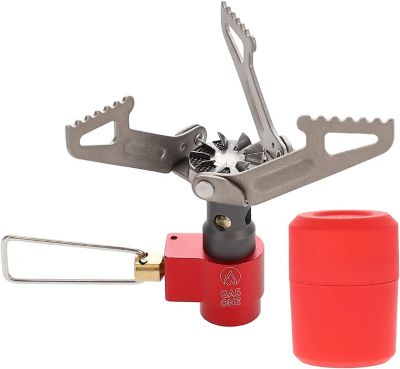
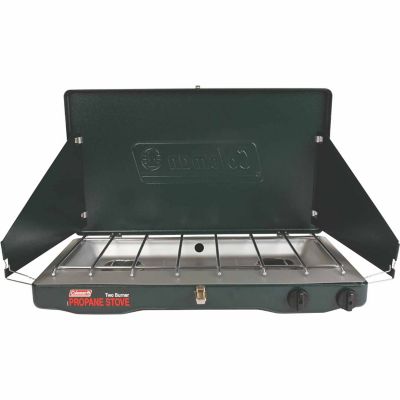
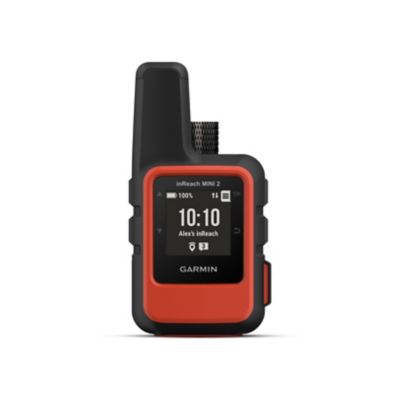
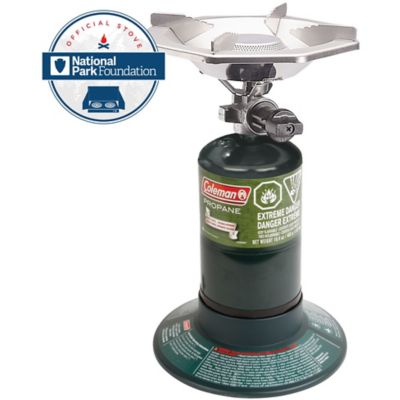
Good backpacking equipment also covers the everyday jobs that keep a trip moving. Safe drinking water should be planned before leaving the trailhead. A compact filter, squeeze-style filter, or gravity system can treat water from streams and other backcountry sources, but filtration does not replace good judgment about where water is collected. Carry a backup treatment method, such as chemical tablets or drops, in case a filter becomes clogged, damaged, or difficult to use in cold conditions. A compact backpacking stove and lightweight cookware make it easier to boil water for meals, coffee, or hot drinks without carrying bulky kitchen gear. Confirm that the stove and fuel are compatible, and follow local rules for fuel transport and campfires. Food should provide plenty of calories without taking up the whole pack, with trail-friendly choices such as dehydrated meals, oats, nut butters, dried fruit, jerky, and other foods that hold up well during a long day outside. Store food, trash, and scented items according to local regulations. Depending on the area, that may mean using a bear-resistant canister or an approved odor-resistant hanging system. Navigation and lighting deserve the same attention as food and water. A headlamp leaves both hands free for setting up camp, checking a map, or walking over uneven ground, and spare batteries add a small amount of weight for a large increase in peace of mind. Bring a physical map and compass even when using a phone or GPS app, since battery life and service can disappear quickly beyond the edge of town. A small first-aid kit should include blister care, adhesive bandages, gauze, athletic or medical tape, pain relief, and any personal medication. A compact repair kit with cord, patches, a small multitool, and extra fasteners can handle a torn stuff sack, loose strap, or leaking pad. These practical pieces are useful for beginners and seasoned backpackers alike, and they are easy gift ideas for scout leaders, hunters, trail volunteers, campers, and anyone who enjoys spending a night under the trees.
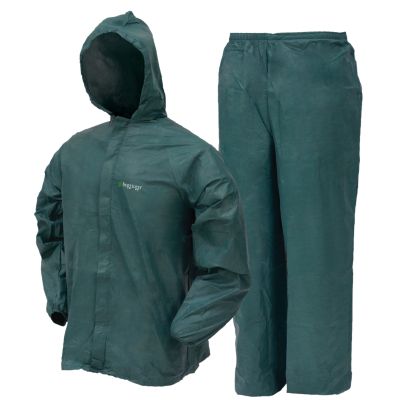
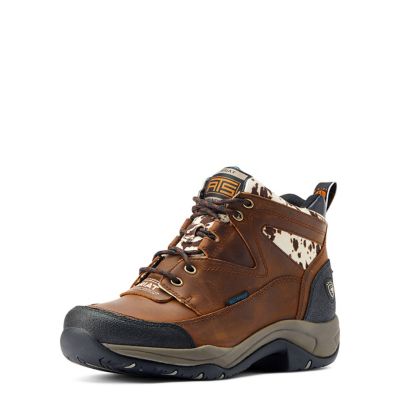
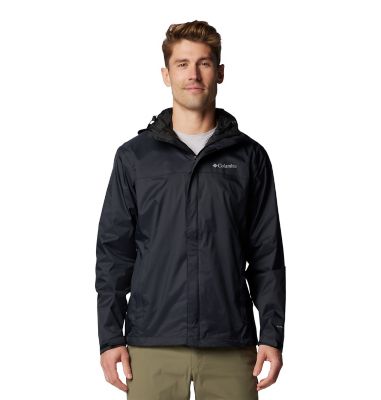
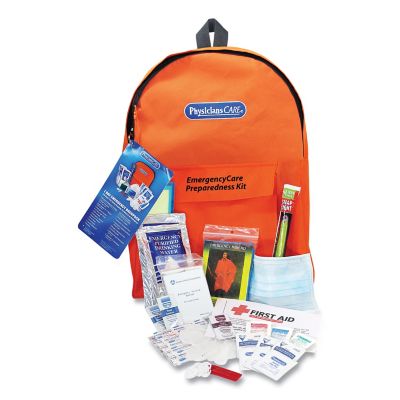
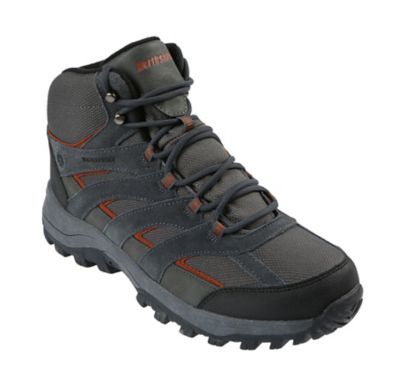
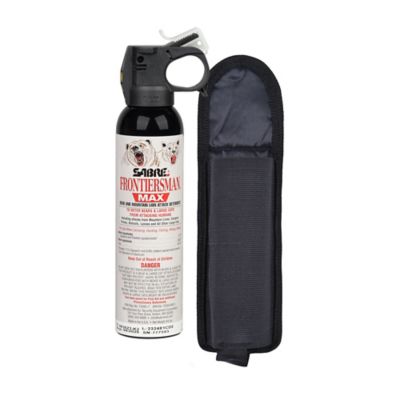
Clothing and personal protection round out a reliable backpacking load. Build layers that can be added or removed as the trail changes from a cool shaded morning to a warm climb and then back to a chilly campsite after sunset. Moisture-wicking synthetic fabric or merino wool helps move perspiration away from the skin, while a fleece or insulated layer provides warmth when the temperature drops. A waterproof, breathable rain jacket is valuable even when the forecast looks clear, particularly in areas where weather can shift quickly. Avoid relying on cotton for the main hiking layers because it holds moisture and can leave a person cold after exertion. Sturdy hiking socks, a brimmed hat or warm cap, gloves, sunglasses, sunscreen, insect protection, and a reliable pair of broken-in hiking shoes or boots all earn their place in the pack. Keep emergency supplies suited to the route, including a whistle, fire-starting method where permitted, emergency shelter, and a way to contact help. Before heading out, check the trail distance, elevation, water availability, local fire restrictions, wildlife rules, and expected weather. Share the route and return plan with someone at home, and practice setting up the tent, using the filter, lighting the stove, and adjusting the pack before carrying everything into the backcountry. For anyone still building a kit,
Hiking Equipment For Beginners can help organize the basics into a sensible starting point. Backpacking equipment is most useful when it matches the person, the trip, and the conditions: a short overnight near home may need less capacity than a weeklong trek, while a rocky mountain route calls for different protection than a wooded trail. Taking time to choose dependable gear makes the load feel more manageable and leaves more room to notice the quiet parts of the trip—the sound of boots on pine needles, a warm meal after dark, and the first light coming over camp.