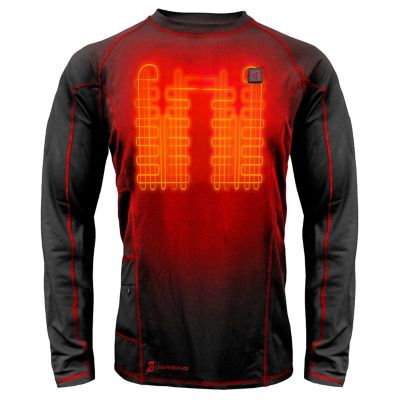
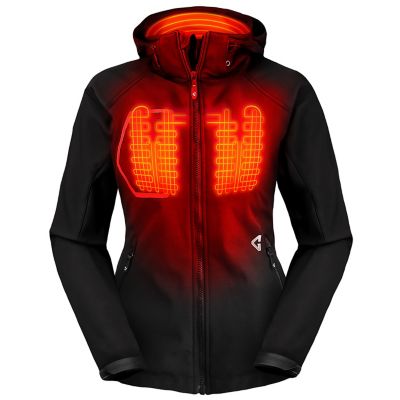
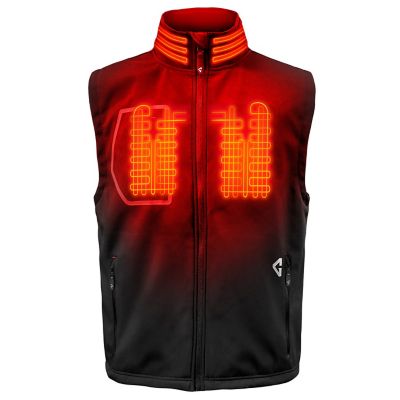
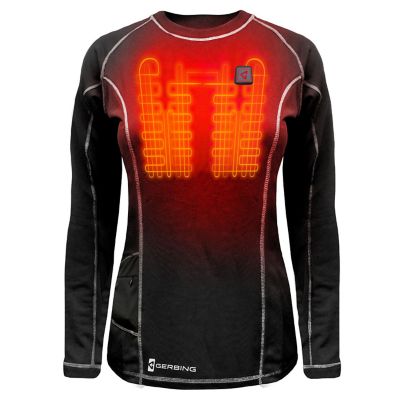
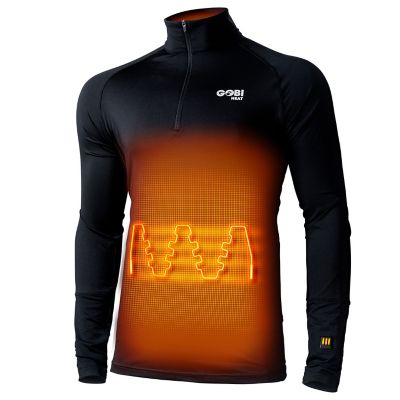
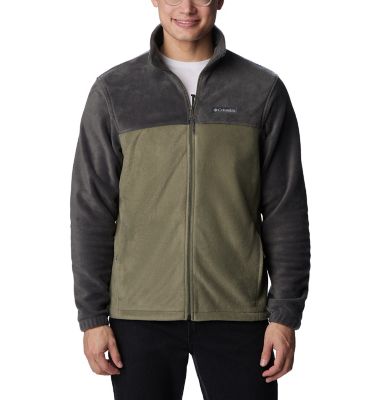
Gear for winter cycling helps riders stay warm, dry, visible, and comfortable when cold air settles in and the roads turn slick with rain, frost, or light snow. The right setup starts with a three-layer clothing system that can handle changing effort and conditions. A moisture-wicking base layer sits next to the skin and moves sweat away from the body, which helps prevent that clammy chill that can set in during a stoplight or a quiet stretch of road. Over it, an insulating layer such as a thermal jersey, fleece-lined top, or warm midlayer holds body heat without making movement feel stiff. The outer layer should block wind and shed road spray, with enough room for the layers beneath and a cut that stays in place while leaning over the handlebars. Riders who spend time on gravel roads, country lanes, or open stretches with little shelter may want extra wind protection, while someone pedaling through town may prefer ventilation that can be opened during a harder ride. For more weather-ready options, explore
Gear For Wet Weather. Pay attention to fit at the cuffs, collar, and waist, since small gaps can let cold air work its way in. Reflective details, bright colors, and space for lighting or visibility accessories also matter when daylight fades early or a ride begins before sunrise.
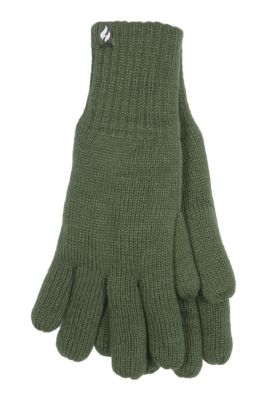
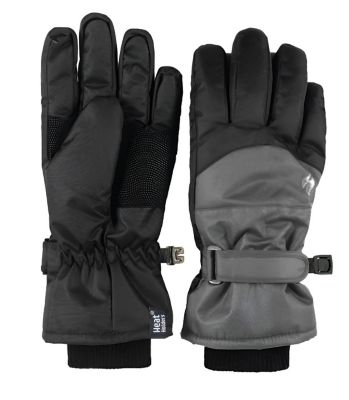
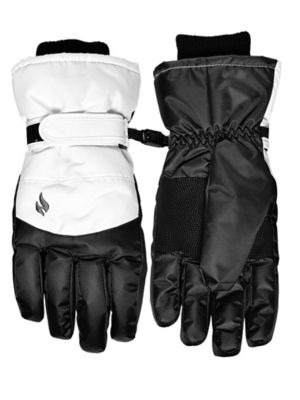
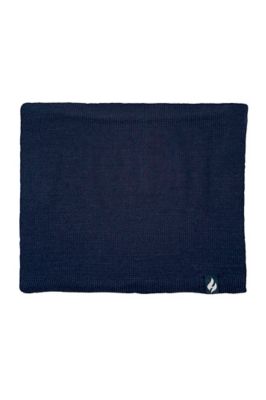
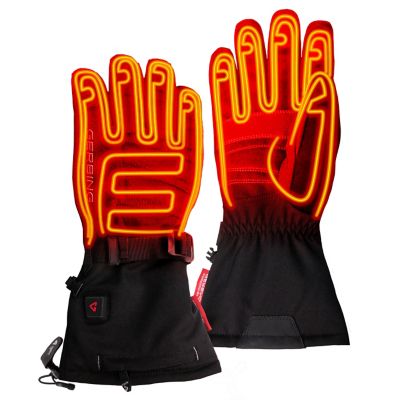
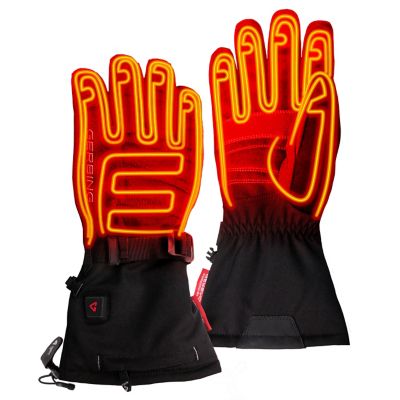
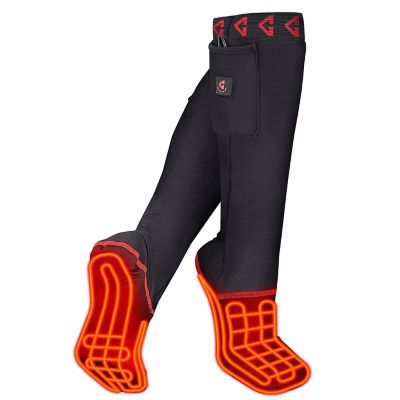
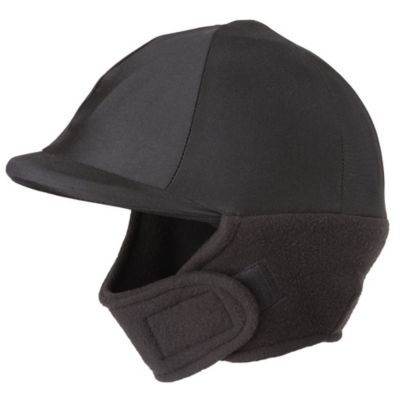
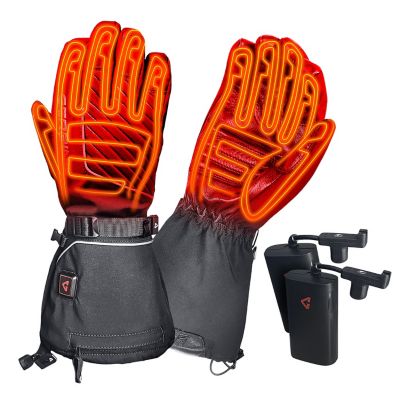
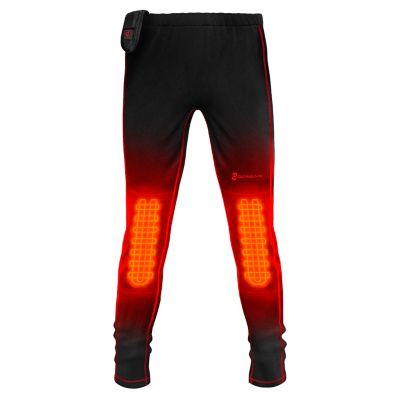
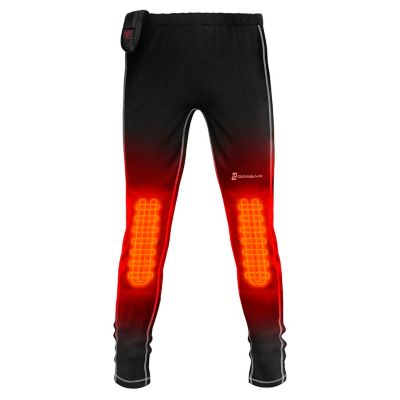
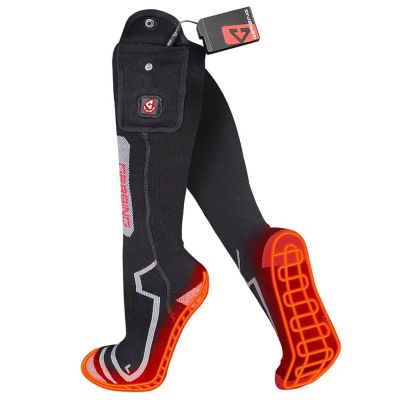
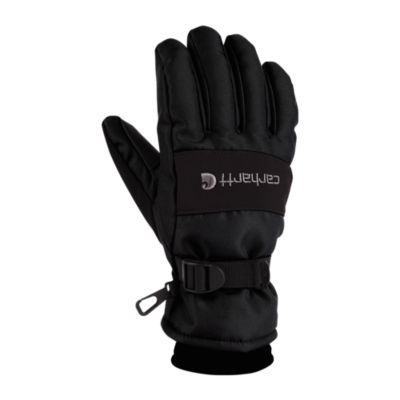
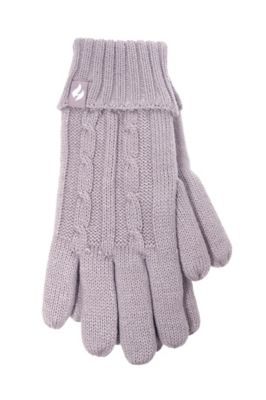
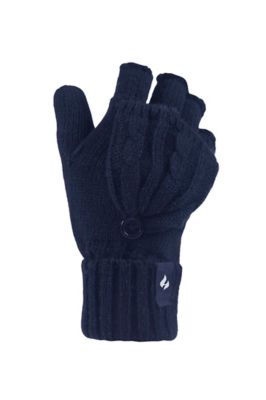
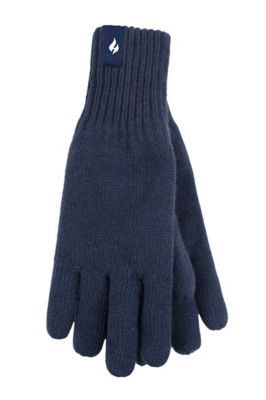
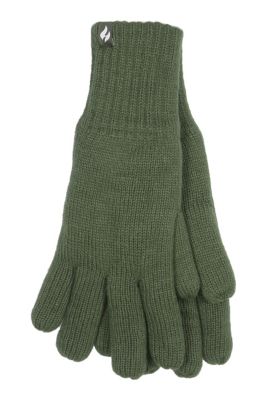
Cold weather reaches the legs, hands, feet, head, and neck quickly, so these areas deserve as much thought as the torso. Thermal tights, wind-resistant cycling pants, or layered legwear can help protect knees and thighs from biting air while still allowing a full pedal stroke. Look for a comfortable waistband and hems that do not bunch under footwear. Gloves should allow a firm grip on the handlebars and enough finger movement for brakes, shifters, and zippers. Insulated or water-resistant styles can help on chilly commutes, while handlebar mitts add another layer of shelter for riders facing steady wind or long stretches in the open. Feet often get cold first because they stay relatively still, so warm cycling socks, shoe covers, or winter-ready footwear can help keep cold air from reaching toes and ankles. Make sure any cover works with the rider’s pedals and shoes, and leave enough room for circulation. A thin cap or skull cap under a helmet can cover the ears without shifting the helmet’s fit, while a neck gaiter or balaclava can protect the neck, cheeks, and lower face. On a frosty ride, pulling the face covering up for a windy downhill and lowering it during a climb can make a noticeable difference. A small bag with spare gloves, dry socks, hand warmers, and a packable outer layer can also make a long ride more comfortable when conditions change along the way.
Winter cycling gear suits many kinds of riders, from the person pedaling to work on paved streets to the neighbor who takes a mountain bike down snowy paths on the weekend. Commuters may want layers that transition easily from a cold ride to an indoor workday, along with room for keys, a phone, and other daily essentials. Road riders often focus on a close, flexible fit, wind protection, and lightweight layers that do not flap on open roads. Trail riders may place more value on coverage, warmth during slower sections, and gear that works with a backpack or hydration pack. Parents, partners, and friends can also choose winter cycling items as practical gifts for someone who rides year-round; warm gloves, a neck covering, insulated socks, or a packable shell can be useful additions even when the rider already has a favorite bike and helmet. Before choosing, consider the usual temperature range, wind, rain, riding speed, trip length, and whether the gear will be worn over other layers. Check sizing charts, read care directions, and think about how each piece will work together rather than picking warmth in isolation. A rider who sweats heavily may need more ventilation, while someone moving at a relaxed pace may appreciate added insulation. After a muddy or wet trip, air out layers, dry footwear fully, and keep gloves and outerwear ready for the next ride. With thoughtful coverage from head to toe, winter cycling can feel less like braving the elements and more like a steady ride through crisp air, quiet roads, and changing scenery.