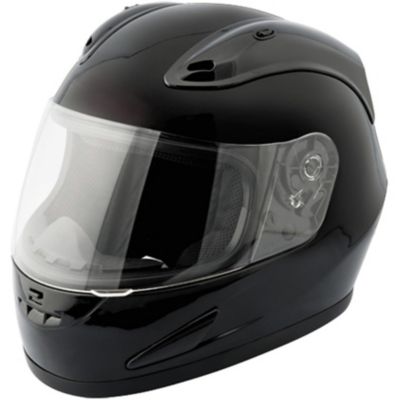
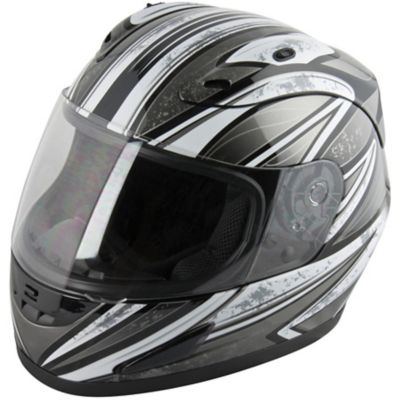
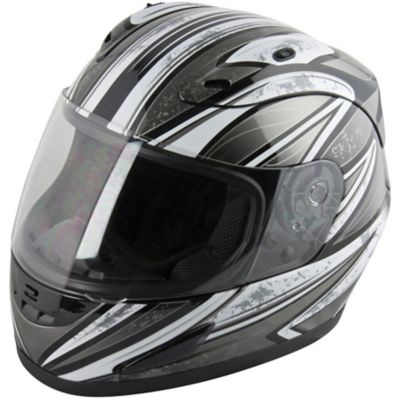
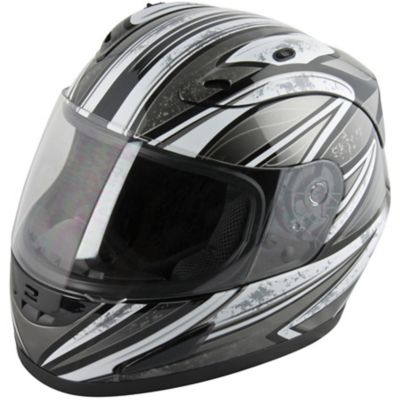
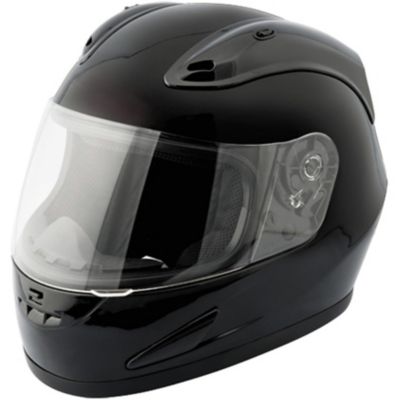
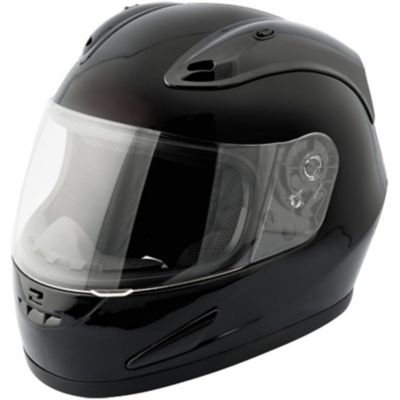
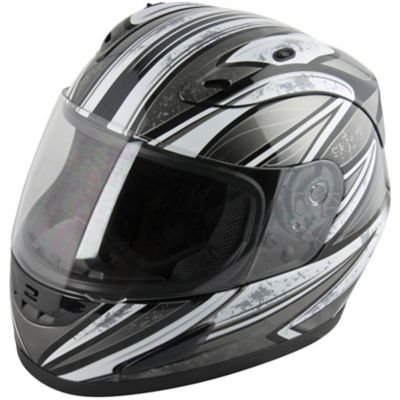
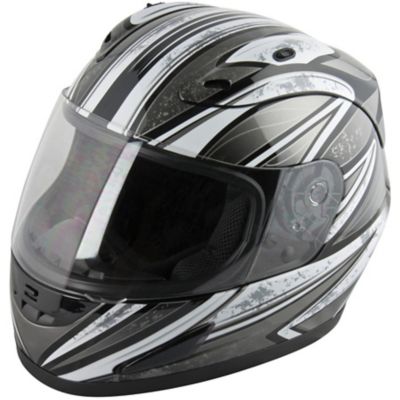
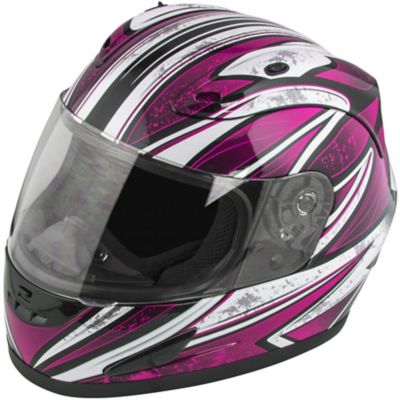
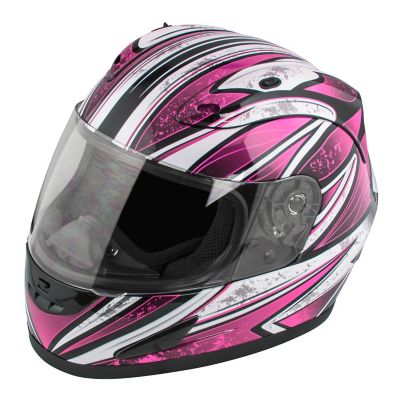
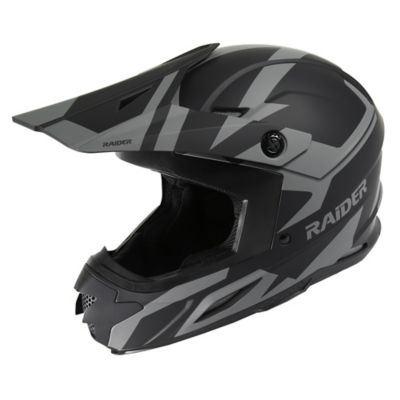
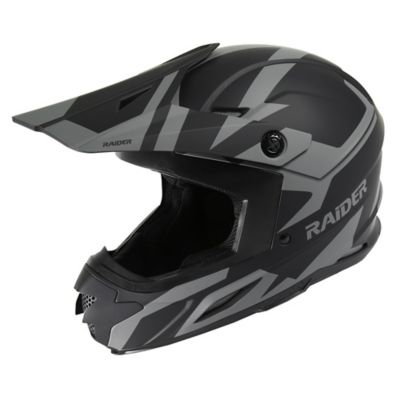
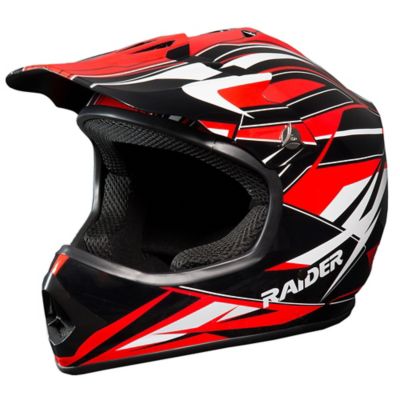
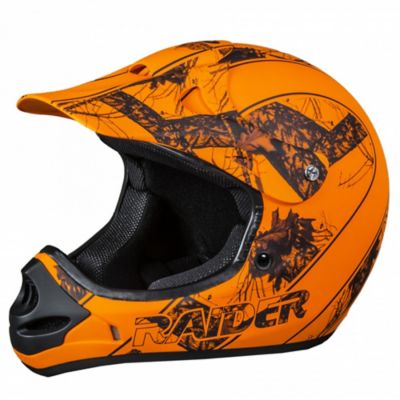
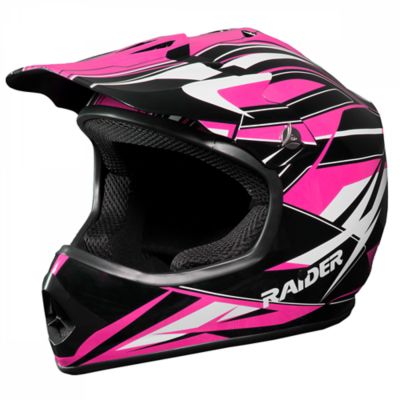
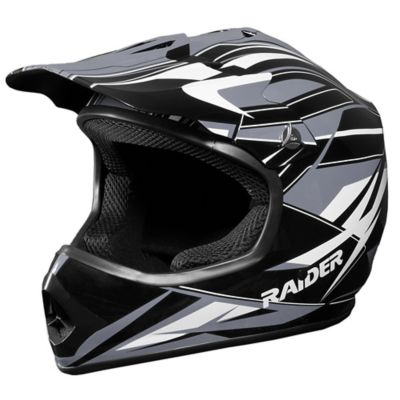
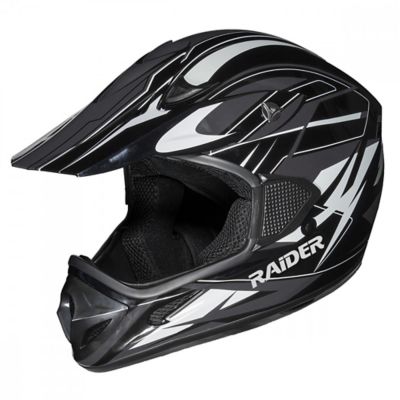
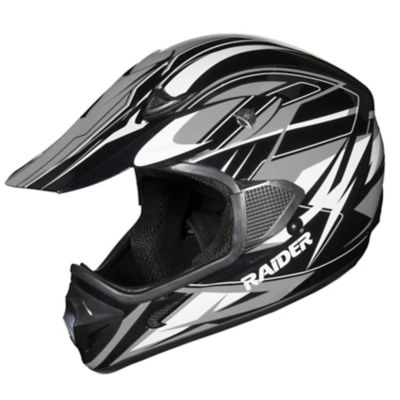
Extreme sports gear is equipment made for activities such as mountain biking, climbing, skateboarding and off-road riding, combining protective features, abrasion-resistant materials and sport-specific support. These activities place different demands on equipment, so the right match starts with the sport, the terrain and the person taking part. A rocky trail calls for freedom to move while maintaining control, while a climbing route brings different requirements for load-bearing equipment and compatible connections. Protective gear can help reduce certain injury risks, but it cannot prevent every injury or take the place of instruction, sound judgment and riding or climbing within personal limits. For a beginner getting comfortable on a practice track or an experienced rider tackling rougher ground, fit matters just as much as the material on the label. Protection needs to stay in its intended position through normal movement without pinching, slipping or blocking vision. A comfortable fit while standing still may feel different when bending at the knees, reaching forward or looking over a shoulder. Those everyday movements give a better sense of how equipment will feel once the activity gets going. Head protection should carry the certification appropriate to the sport and fit according to the manufacturer’s sizing directions; a familiar shape does not mean it suits every activity. Body protection should cover its intended area without restricting the movement needed to steer, balance or land. Children need equipment sized for their present measurements rather than extra room to grow into, since loose protection can shift out of place. Clothing and footwear also contribute to the overall setup, with secure closures, manageable layers and traction suited to the activity. For families heading to a local riding area or adults making time for a trail session after chores, equipment that fits well is less distracting and easier to wear as intended. The goal is a setup that supports the activity without getting in the way of the skills it requires.
Materials help explain how extreme sports equipment handles contact, movement and repeated outings. Rigid outer shells may help spread an impact or shield underlying padding, while energy-absorbing foam manages impact forces according to its particular design. Some protective structures are intended for replacement after one significant impact, even when the outside still looks fine. Others have different inspection and replacement requirements, making the manufacturer’s directions more useful than judging by appearance alone. Woven nylon and polyester are common in technical clothing and equipment because their construction can balance strength, weight and resistance to abrasion. Fabric thickness, weave, stitching and reinforcement all affect how a piece handles rubbing against rough surfaces. Extra material at frequent contact points can help manage wear, while stretch panels or shaped sections allow bending and reaching without pulling everything out of position. Breathable construction and moisture-managing liners can make active movement more comfortable, especially when effort builds on a steep climb or a demanding stretch of trail. Softness alone does not indicate impact protection, just as a stiff feel does not establish a safety rating. Padding thickness, flexibility and coverage need to match the intended activity rather than simply look substantial. In climbing equipment, load-bearing textiles and metal hardware have additional requirements involving strength, compatibility and correct operation. General-purpose rope, fastening hardware and farm equipment are not substitutes for equipment specifically intended for climbing and human support. Markings, instructions and applicable safety standards matter, but they do not replace hands-on instruction from a qualified professional. Across gear categories, thoughtful construction also shows up in smaller details: stitching that lies comfortably against the body, adjustment points that remain secure and closures that do not interfere with movement. A trail rider crouching over uneven ground needs equipment that stays settled through changing body positions. A climber reaching overhead needs room through the shoulders without loose material catching on surrounding equipment. These practical differences make intended use a better starting point than appearance, color or the lightest possible weight.
Care and storage play a big part in keeping extreme sports gear ready for its next outing. Dust, grit and sweat can work their way into fabrics, padding and moving parts, so cleaning needs to follow the directions for each material rather than one routine for the whole setup. A washable garment may tolerate care that would harm a protective liner or a load-bearing textile. Harsh cleaners, solvents and unapproved treatments can damage certain materials, sometimes without leaving an obvious mark. Equipment generally benefits from drying completely before storage, with the specific drying method guided by its care instructions. A clean storage spot away from chemicals, direct sunlight and crushing loads helps prevent avoidable damage between trips. Tossing everything beneath tools in the back of a truck can leave important parts bent, compressed or scraped before the next ride even begins. Regular checks can reveal frayed stitching, torn straps, cracks, crushed padding or closures that no longer hold properly. Equipment with a serious impact history, missing identification or an uncertain service history deserves particular caution; replacement and retirement decisions should follow the manufacturer’s requirements. For households with several riders, keeping each person’s fit settings and equipment separate makes it easier to notice changes and avoid mix-ups. Gifts call for similar attention to the person behind the activity. A teenager learning at a skate park, a mountain biker spending hours on rough trails and an adult getting into climbing do not need interchangeable protection. Knowing the recipient’s sport, measurements and existing setup makes a gift more practical, especially where compatibility affects safety. For outings that involve steeper terrain and climbing systems,
Gear For Mountaineering offers a related equipment category with its own fit and performance considerations. Whether the destination is a nearby riding area or a more demanding route farther from home, well-matched equipment starts with a clear understanding of the activity. Attention to fit, construction, care and replacement requirements helps keep the focus where it belongs: on building skills, reading the terrain and making sensible decisions along the way.