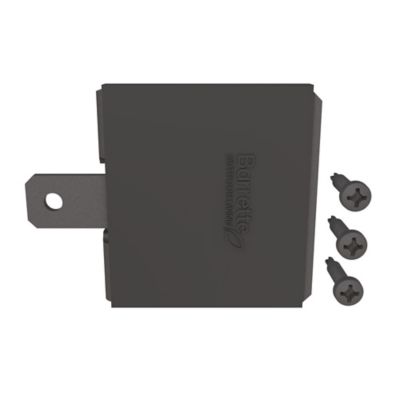
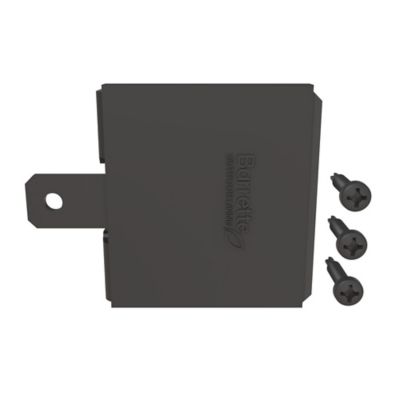
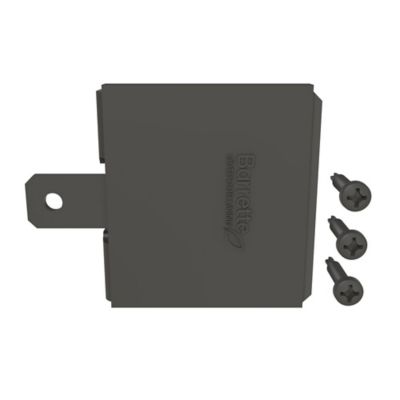
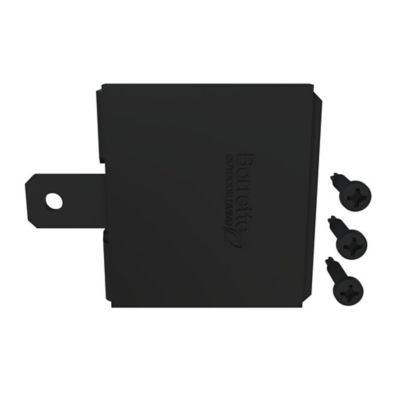
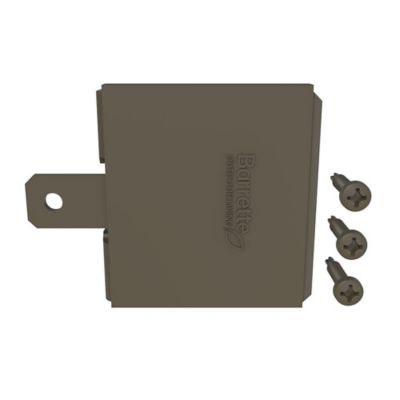
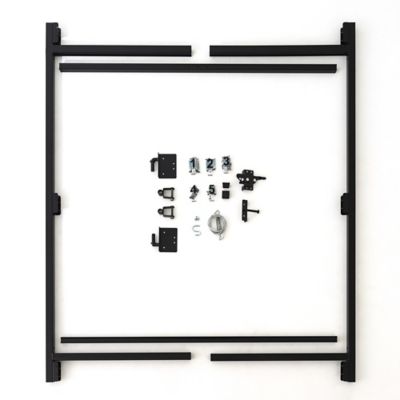
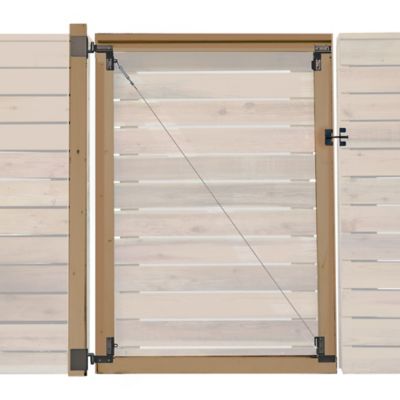
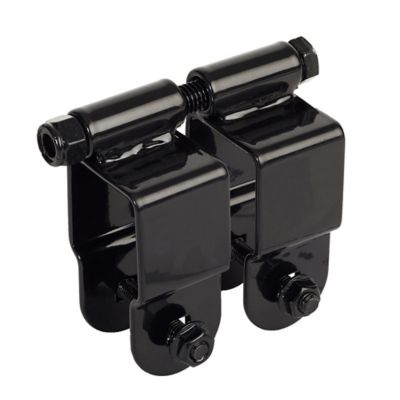
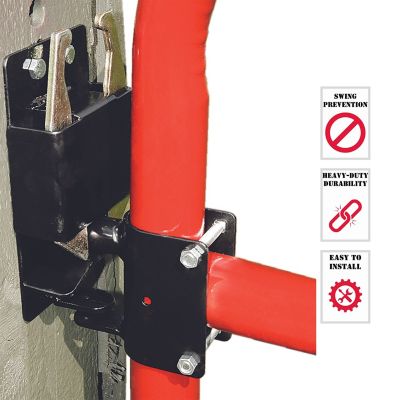
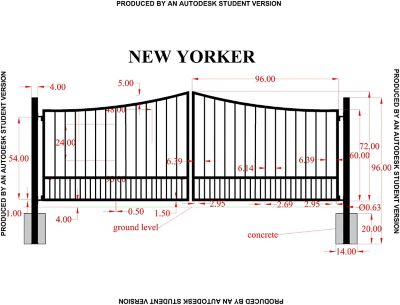
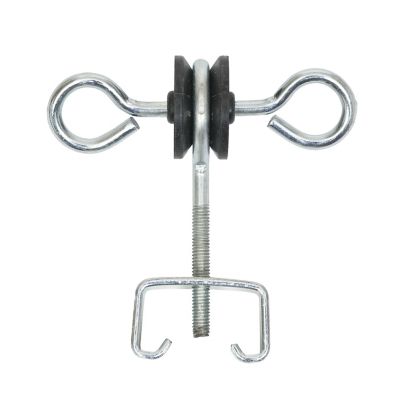
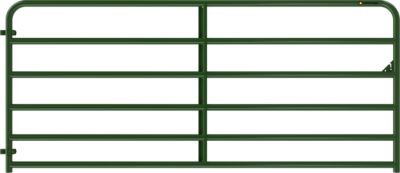
A gate stop is a piece of gate hardware that limits travel at the closing point, keeping the gate from swinging farther than intended. Usually mounted to a fence post, gate frame, or another suitable support, it gives the gate a firm resting point instead of leaving the latch to take the full closing impact. That small point of contact can help protect latch arms, hinges, posts, and gate frames from unnecessary strain. On a backyard fence, it can keep a wooden gate from pushing past the post when someone shuts it with a full hand. Around a barn or equipment yard, it can help a frequently opened gate settle where the latch and catch are meant to meet. A gate stop with a rubber or silicone bumper can also soften contact and reduce the clank of metal against metal. The amount of cushioning depends on the bumper, the gate’s weight, and how it closes; a stop does not make forceful slamming harmless. For homeowners, acreage owners, and folks tending livestock, the benefit is straightforward: a defined closing position that takes some of the beating away from other hardware. A stop has a different job from a latch, hinge, or hold-open device. The latch secures the gate, the hinges carry its weight and control its swing, and the stop limits travel at a particular point. A hold-open catch keeps an open gate in place, which a closing stop generally does not do. These differences matter beside a pasture, dog run, garden, or driveway, where controlling gate movement and keeping an opening secured are separate needs. A stop may help with closing alignment, but it cannot straighten a leaning post, lift a sagging frame, or turn a poorly fitted latch into a secure closure. Sound posts, properly fitted hinges, and a suitable latch remain the foundation of a gate that opens and closes as it should.
Gate stop materials and mounting styles deserve a close look because a light yard gate and a large farm gate put very different demands on their hardware. Steel provides a firm contact surface, while galvanized finishes and powder coatings help protect the metal from corrosion. Stainless steel offers another approach to corrosion resistance, with performance depending on the alloy and the surrounding conditions. Polymer bodies can avoid rust on the body itself, though their fasteners and any metal components still need consideration. Rubber and silicone bumpers add a softer contact point, but their size, firmness, and attachment affect how they handle repeated closing. No single material tells the whole story; body thickness, mounting design, fastener fit, and the size of the contact area all play a part. For a wooden gate, the mounting location needs enough sound wood to hold the fasteners without splitting or pulling loose. On hollow metal tubing, thin wall thickness can limit screw holding strength, so the gate manufacturer’s mounting requirements matter. Vinyl gates may need internal reinforcement or hardware intended for their construction rather than screws driven only into the outer shell. Fit also involves more than matching the finish to the hinges. The gap between the gate and post, the direction of swing, the shape of the frame, and the space around the latch determine where a stop can make proper contact. A round tube, flat board, and square metal frame do not offer the same mounting surface. The stop’s projection needs to suit that gap without leaving the gate partly open or forcing it against the latch. Gate weight, width, and closing force matter, too, especially where a broad gate has considerable leverage. A pedestrian gate beside a garden has different needs from a heavy entrance gate that sees equipment traffic. For powered gates or gates with closers, compatibility with the complete operating system matters; a general-purpose stop is not automatically suitable for either application.
Day-to-day use often makes the finer details of a gate stop more noticeable than its appearance. A broad, well-positioned contact surface can spread the closing load more evenly than a small edge bearing against one spot. A cushioned contact point may be welcome near the house, beside a kennel, or along a busy walkway where repeated clanging gets old fast. Around feed areas and livestock pens, mounting position deserves extra attention so projecting hardware does not create an unnecessary snag point for lead ropes, clothing, or animals moving through the opening. Gate stops are not meant to bear livestock pressure, replace a secure latch, or serve as a climbing step. Keeping the full passage clear matters wherever people carry buckets, push wheelbarrows, or lead animals through. Care is generally simple, but the details depend on the material and finish. Dirt and packed debris around a contact point can interfere with how the gate rests, while loose fasteners can let a stop shift and change the closing position. Worn bumpers, cracked polymer, bent metal, and damaged coatings are signs that the hardware needs attention. Cleaning methods should suit the finish, and any coating repair or replacement parts should follow the hardware maker’s recommendations. Moving hinges and latches have their own care needs; adding lubricant to a fixed bumper is not a substitute for addressing friction elsewhere. When a gate starts dragging or stops meeting its latch, the cause may be post movement, hinge wear, or frame sag rather than the stop itself. For a broader look at how the opening and its hardware work together, explore
Gate Installation. Whether the opening leads to a small garden or a working barnyard, a well-matched gate stop earns its place by doing a modest job well: setting a clear closing limit while the rest of the gate hardware handles support, movement, and security.