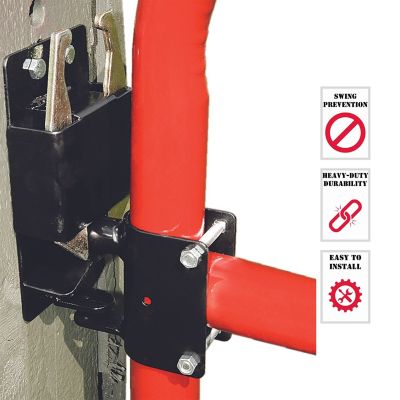
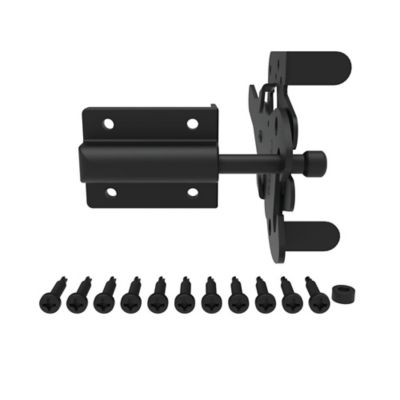
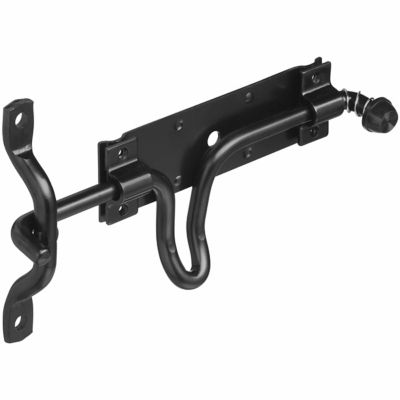
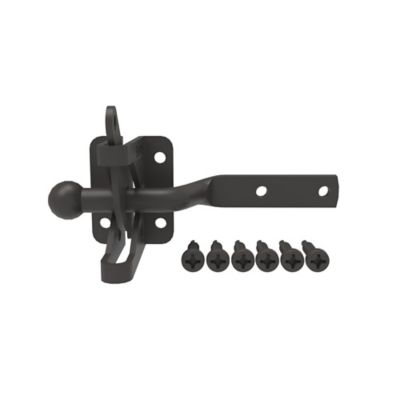
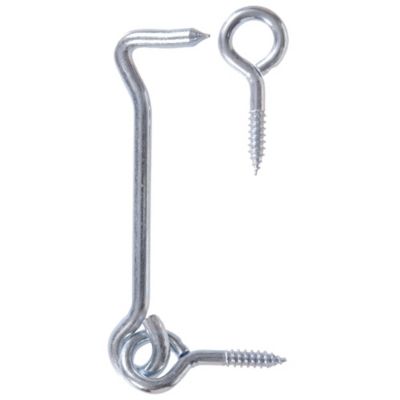
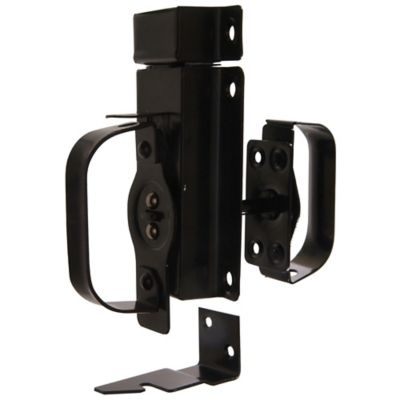
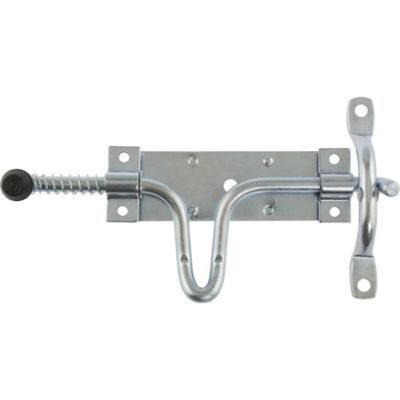
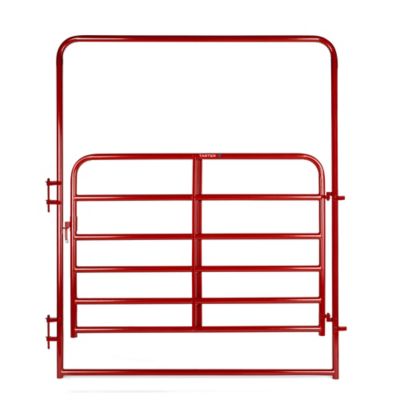
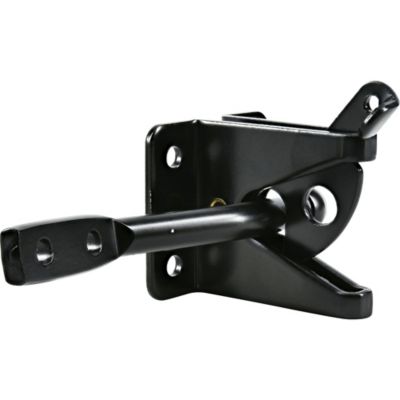
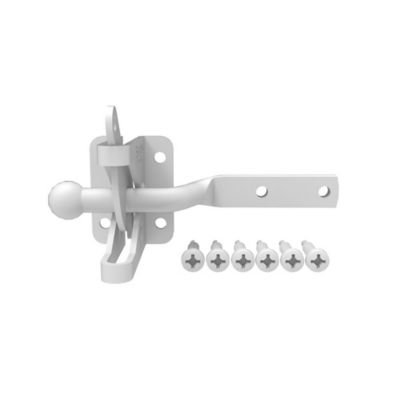
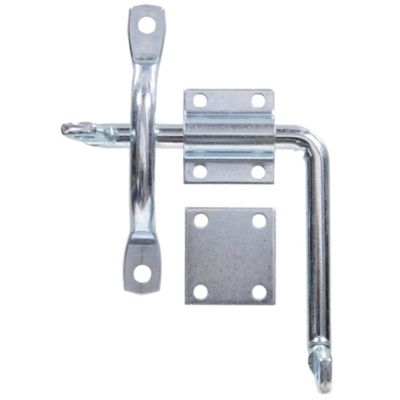
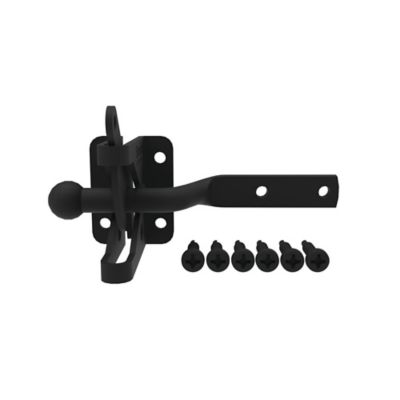
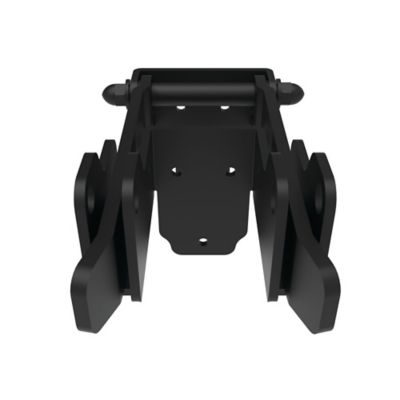
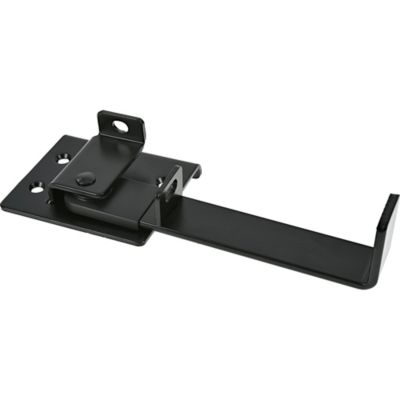
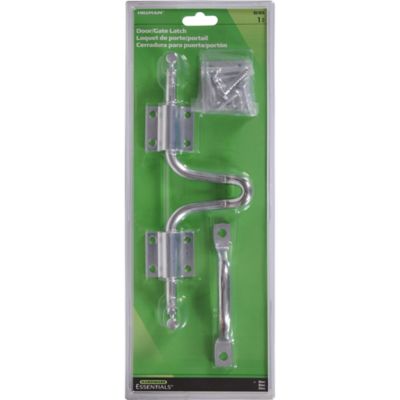
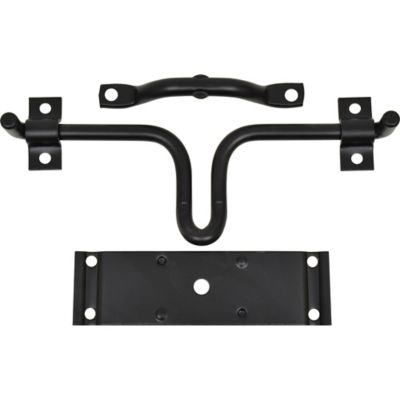
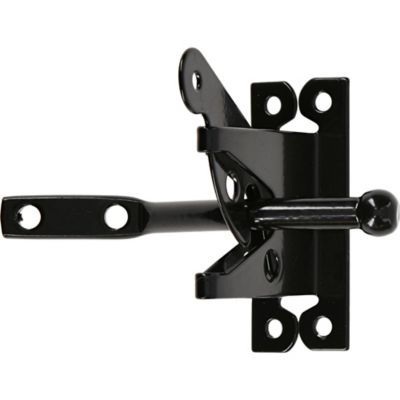
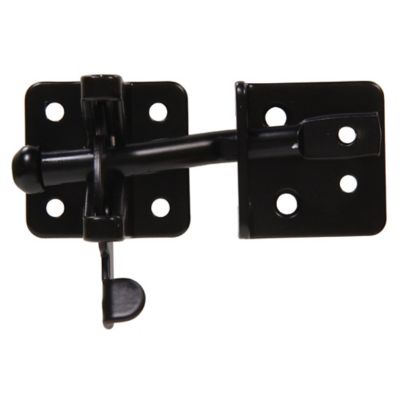
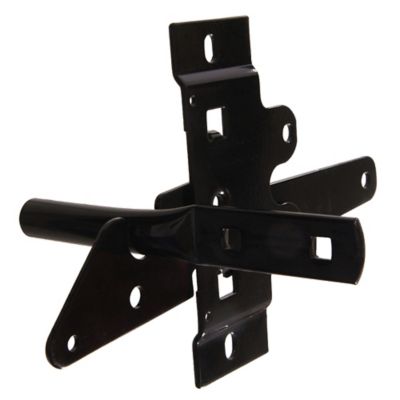
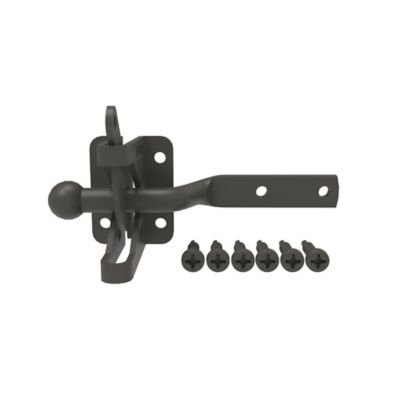
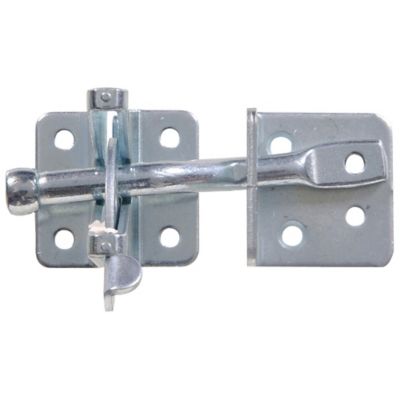
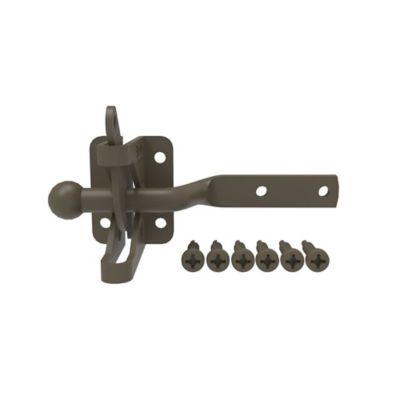
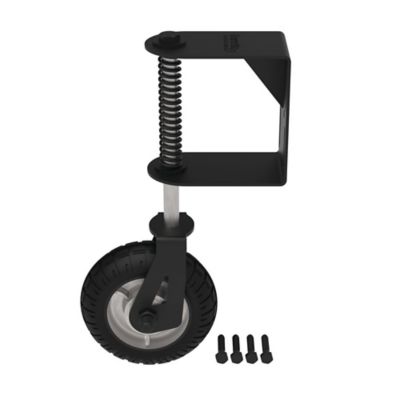
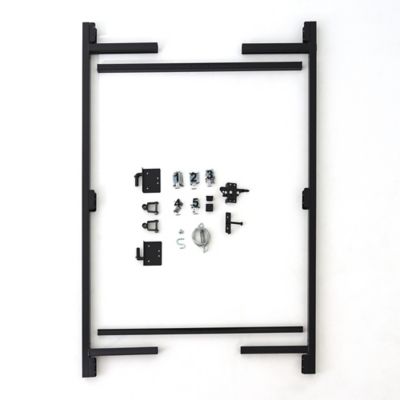
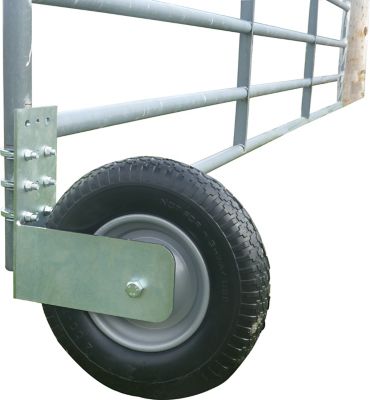
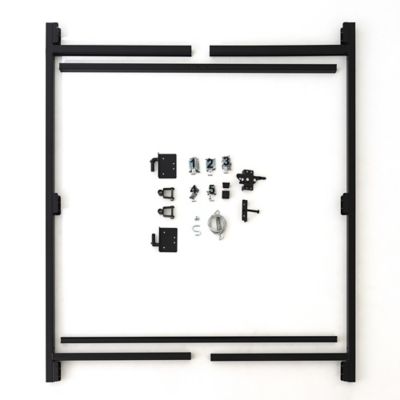
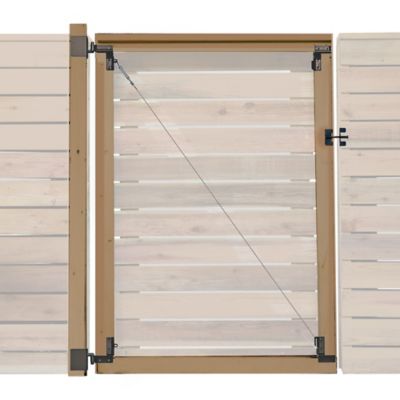
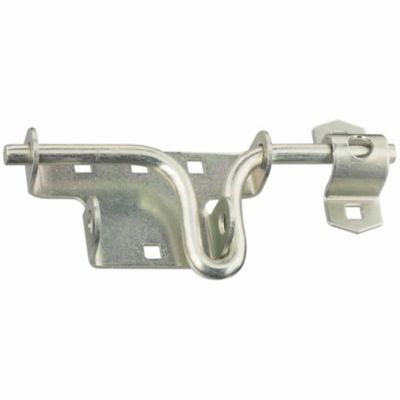
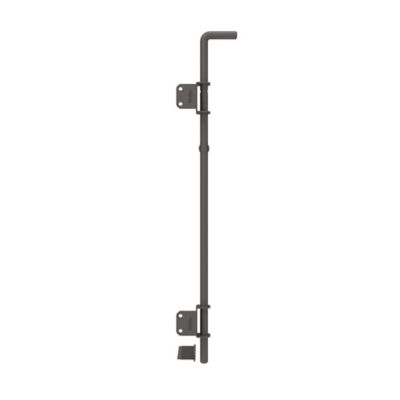
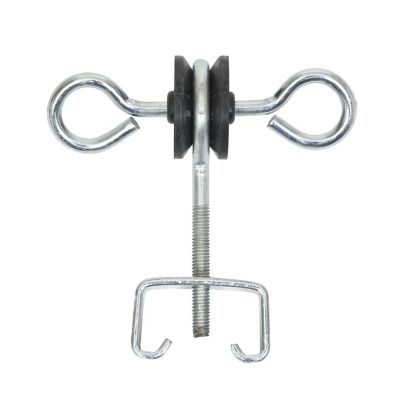
A dependable gate latch helps keep your property organized, your animals where they belong and your gates easy to use day after day. Whether you are closing off a backyard garden, pasture, chicken run, equipment area or driveway entrance, the right latch should match the way the gate is used. A small walk-through gate may only need a simple latch that opens smoothly with one hand, while a wide farm gate or livestock enclosure calls for sturdy hardware built to handle regular use, weather and the occasional shove from a curious animal. Think about who will be using the gate, too. A latch for a family garden should be easy for adults to operate without a lot of force, while a gate near livestock may need a more secure design that resists bumping, rubbing and determined noses. If the gate is part of a pool area, rental property or other space where access needs to be controlled, look for a style that supports your safety and security needs. Gate latches can also make a practical housewarming gift for someone settling onto a small farm, fixing up an old homestead or building a new garden enclosure. They are the kind of useful hardware that often gets overlooked until a gate starts sagging, swinging open or refusing to stay shut, making a well-chosen latch a welcome addition to a box of tools and property-care supplies.
Before choosing a gate latch, take a close look at the gate itself and the post it closes against. Measure the gate frame, note the direction it swings and check how much space is available for mounting. Wood gates, metal gates and wire-filled farm gates can all require different mounting approaches, and a latch that works well on a lightweight garden gate may not be the best fit for a heavy field gate. Pay attention to the latch reach, mounting surface and clearance between the gate and post. A latch should line up cleanly when the gate is closed, without forcing you to lift, pull or shove the gate into place. If the gate has settled over time, correct the sag or alignment before installing new hardware; even a strong latch can be frustrating when the gate no longer meets the post squarely. It is also worth looking at the rest of the gate hardware. Sturdy
Gate Hinges can help the gate swing properly and take pressure off the latch, especially on larger wooden or steel gates. For busy areas, choose a latch with a comfortable handle or a design that can be operated while carrying feed, tools or a garden basket. If you need added control, consider locking capability or a latch that can accept a chain or padlock. Families with children, homeowners with pets and people caring for livestock may each have different priorities, so think through the daily routine instead of choosing based on appearance alone.
Outdoor hardware has to put up with plenty of hard use, from damp grass and morning dew to blowing dust, muddy boots and sudden changes in temperature. Materials and finish matter, particularly for gates exposed to rain, sprinklers or coastal air. Look for construction suited to outdoor use, and keep an eye out for corrosion-resistant materials or protective finishes when the latch will be exposed to moisture. A quick check during the warmer part of the year can catch loose fasteners, worn holes or buildup before a small issue turns into a gate that will not close. During the cooler months, mud, frost and stiff conditions can make a poorly aligned latch even harder to operate, so leave enough room for normal movement and keep the working parts clear of packed dirt and debris. On a rural property, it helps to walk the fence line regularly and test each gate with the same care you give the fence posts. Tighten hardware when needed, replace damaged fasteners and make sure the latch catches fully rather than resting on the edge. A little routine attention goes a long way, especially when a gate protects a garden from hungry deer, keeps dogs safely in the yard or separates livestock from feed storage and driveways. With the right gate latch in place, closing up at the end of the day becomes a simple motion instead of one more chore that requires wrestling with a loose chain or leaning a board against the gate.