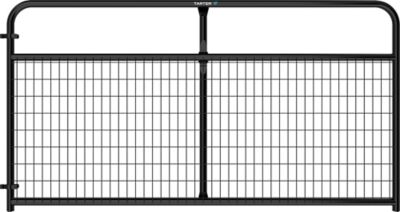
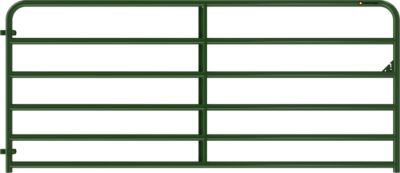
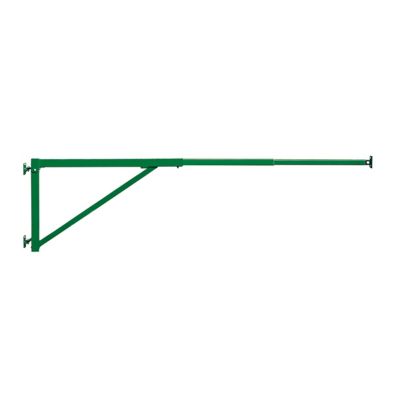
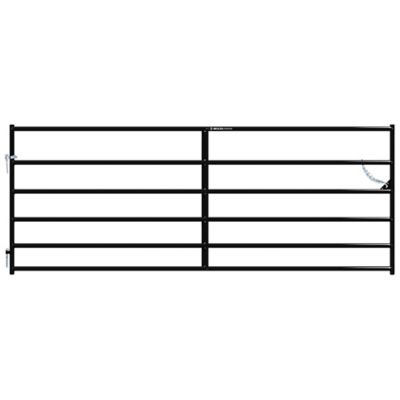
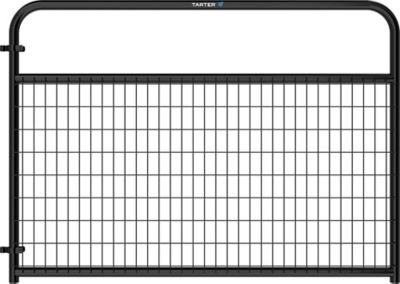
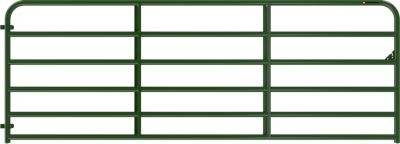
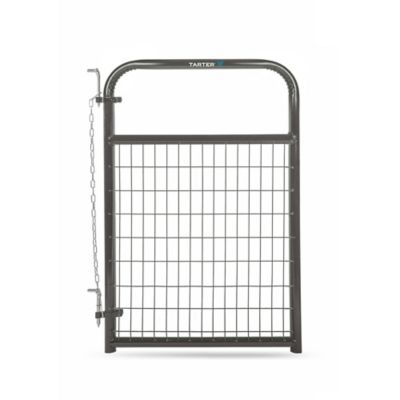
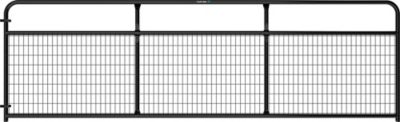
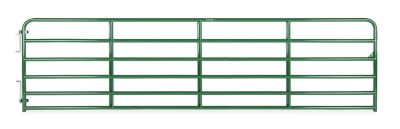
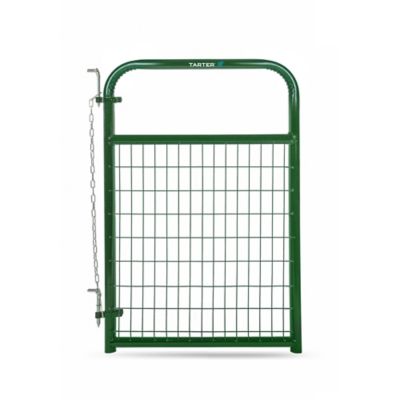
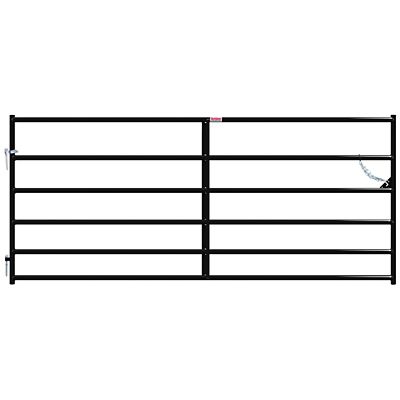
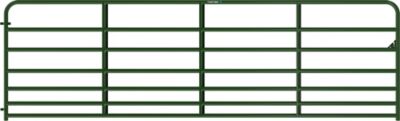
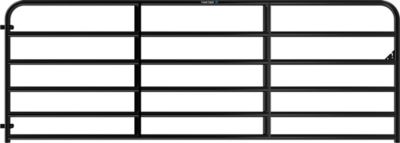
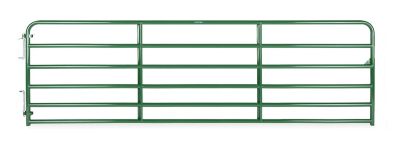
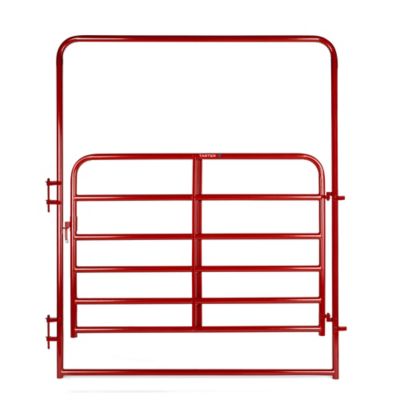
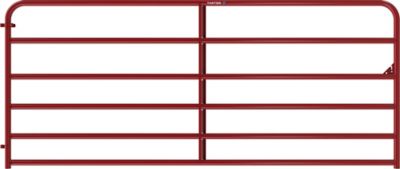
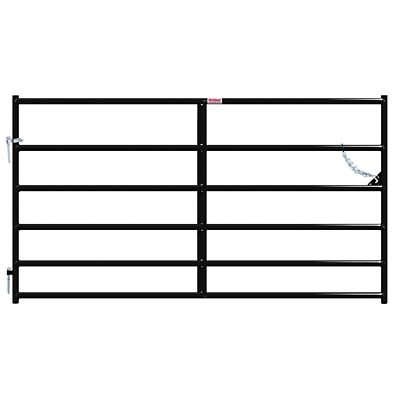
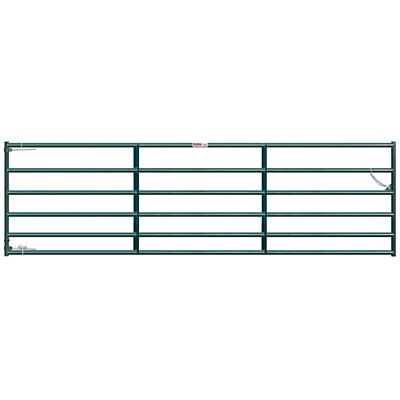
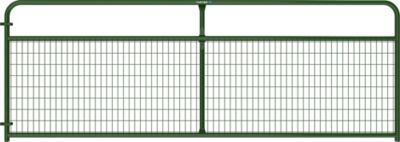
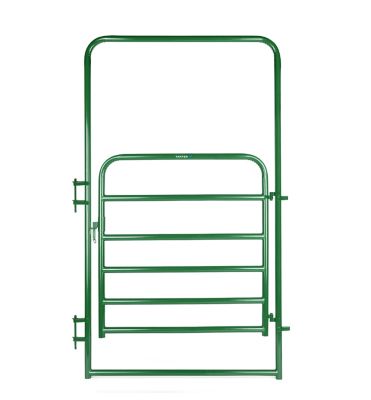
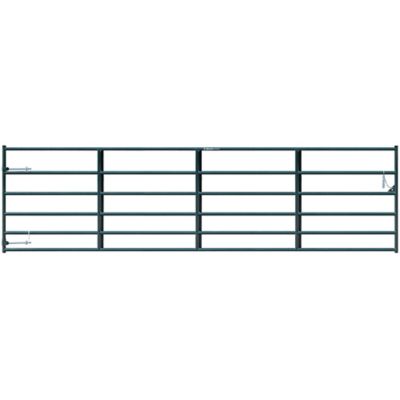
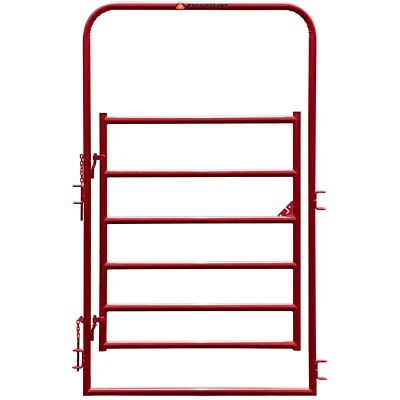
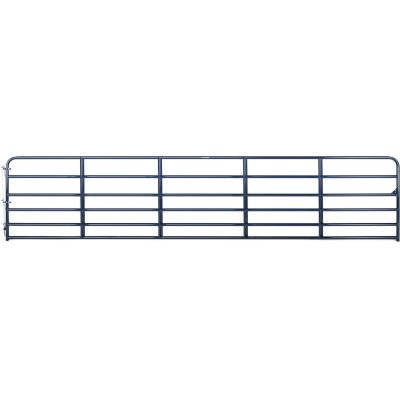
Farm gates help bring order to a working property, whether they mark the entrance to a pasture, close off a lane, or keep animals safely where they belong. A well-chosen gate can make daily chores smoother by giving tractors, trailers, trucks, and people a clear way through the fence line. It may also help separate livestock, protect a garden or hay area, and define the boundary between the yard and open ground. Farm gates come in several materials, sizes, and styles, including metal gates, pipe gates, panel gates, wood gates, and sliding options. The best choice depends on the job at hand, the layout of the property, and the animals or equipment moving through the opening. Cattle, horses, goats, sheep, and other livestock each bring different needs for height, spacing, and strength. A gate for a horse pasture may call for a smooth surface and spacing that helps prevent a hoof or leg from getting caught, while a gate for cattle may need a heavier frame and a secure latch. For smaller animals, closer spacing can help prevent squeezing through. Before shopping, measure the opening between the posts and think about the direction the gate will swing. Leave enough room for a vehicle to pass without brushing the fence, especially where a loaded trailer or hay wagon needs to make a turn. A wider opening near a barn or feed area can save time during busy chores, while a narrower gate may work well for foot traffic or a small paddock.
Material and construction also matter when a gate will face sun, rain, mud, snow, and the steady bumps that come with farm work. Metal gates are often chosen for their strength and straightforward upkeep, while wood can blend naturally with fence lines and homestead surroundings. Look at the frame, rails, welds, fasteners, and finish, keeping the expected animals and traffic in mind. A tall gate may help discourage livestock from leaning or reaching over the top, but height should still work with nearby fence sections so there are no easy escape points. Spacing between rails is another important detail. Smaller animals may need tighter openings, while larger livestock can often manage wider rail spacing. Sliding gates can be useful where a swinging gate would run into a building, slope, feed bunk, or narrow lane. They need a clear track and enough room beside the opening for the gate to move fully out of the way. Swinging gates need sturdy hinge posts, proper clearance from the ground, and a latch that can be reached and operated without placing hands near an animal’s head. On a long driveway or frequently traveled entry, an opener may add convenience, but it should match the gate’s size and weight and include safety features. If a gate will stand near children, visitors, or animals that may push against it, choose hardware that closes firmly and is simple to check at a glance. For another option suited to lighter-duty areas, see
Plastic Gates.
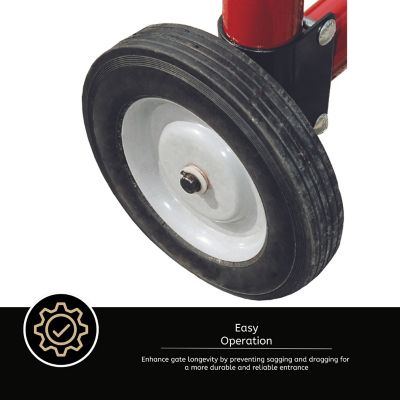
Installation has a big effect on how well a farm gate works over time. Set posts deep and brace them so the weight of the gate does not pull the opening out of line. A gate that starts level can sag if the hinge post shifts, the ground settles, or a large animal presses against it. Check the soil before digging, especially in rocky ground or areas that stay wet during the cooler months. Keep enough clearance below the gate for ordinary ground movement, but not so much that smaller animals can slip underneath. On uneven ground, account for the rise and fall of the lane before deciding where the hinges and latch will sit. Many farm owners find it helpful to walk the full route with a tape measure before bringing materials to the site; that simple step can reveal a tight corner, low branch, drainage ditch, or trailer turn that is easy to miss from the house. Once the gate is in place, inspect hinges, latches, rails, and posts as part of regular property checks. Clear mud and grass from moving parts, tighten loose hardware, and touch up areas where the finish has worn away. After heavy rain, frost, or a period of hard use, look for leaning posts, shifting soil, and gaps along the bottom edge. Keeping a gate in good working order is especially important during seasonal changes, when wet ground, frozen soil, and restless livestock can put extra strain on fence lines. Whether it serves a small homestead, a horse property, a livestock operation, or a large farm, the right gate supports safer movement, easier chores, and better control of the land.