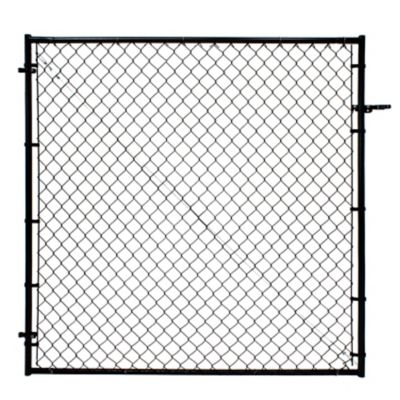
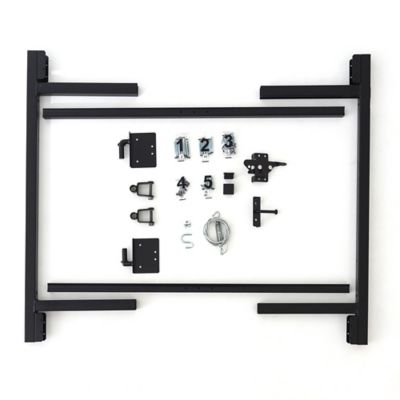
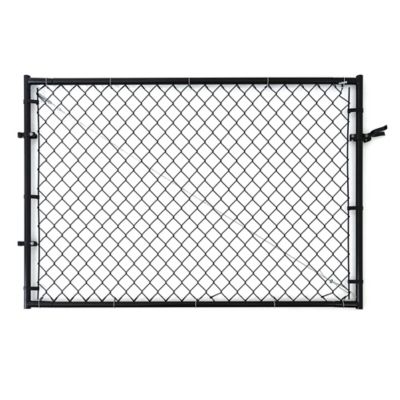
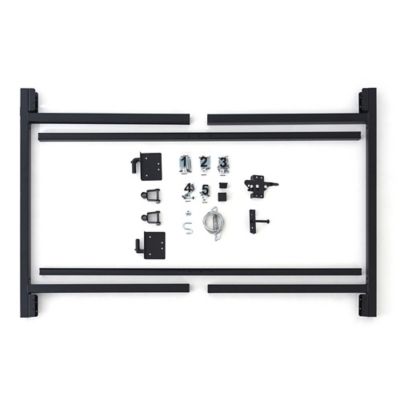
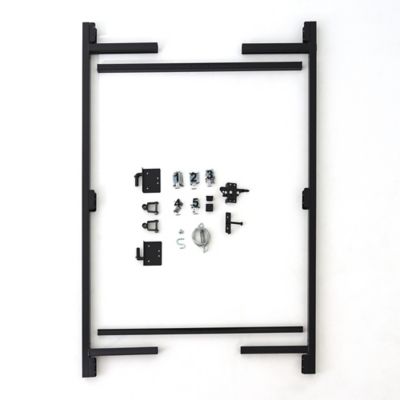
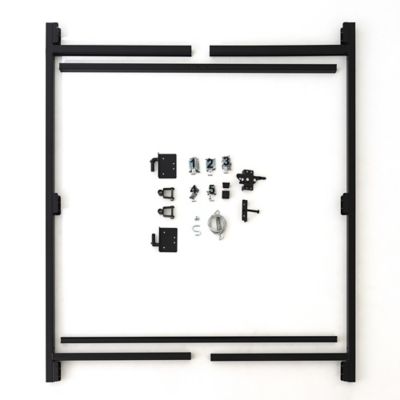
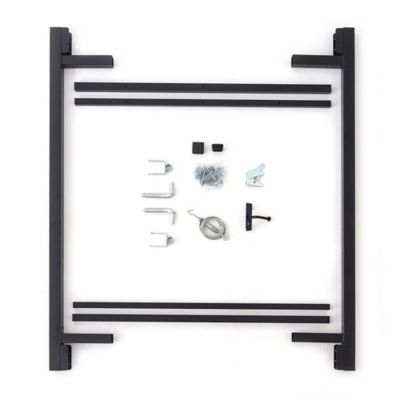
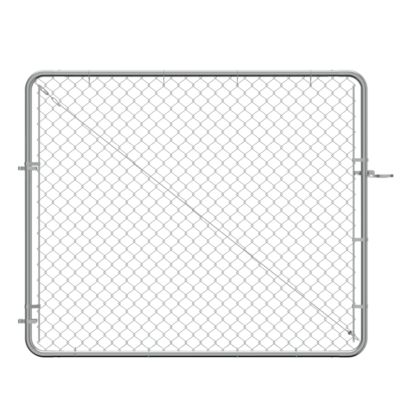
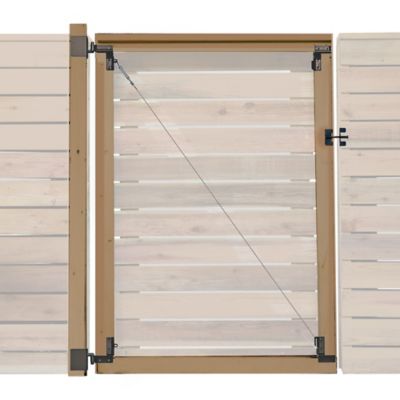
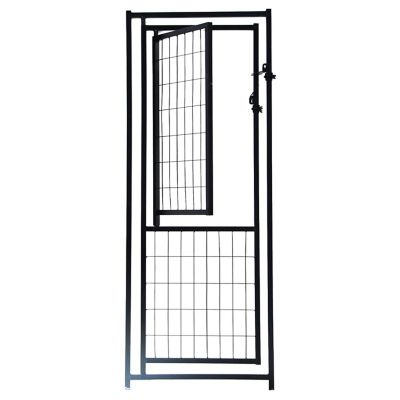
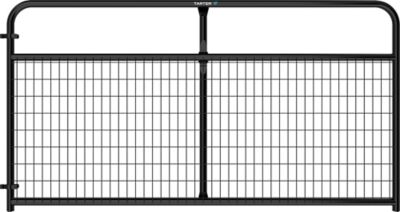
Adjustable gates are a handy choice when a fence opening does not match a standard gate size or when the opening may need a little flexibility during installation. Instead of trimming and rebuilding a gate from scratch, an adjustable frame can be sized on-site to fit the space more closely. Many models use telescoping steel rails that slide in or out, making them useful for openings that fall between common dimensions. Depending on the style, an adjustable walk gate may fit openings roughly 24 to 60 inches wide, while wider driveway gates may extend from about 60 to 96 inches or be installed as a double-gate setup for openings up to 16 feet. Always check the adjustment range, finished height and weight rating before choosing a gate, since the frame needs to suit both the opening and the fence around it. Measure between the inside faces of the gate posts at the top, middle and bottom, then use the smallest measurement when planning the fit. Check the ground as well. A sloped driveway, uneven pasture lane or soft spot beside a barn can change the clearance needed for the gate to swing freely. Leave enough room for hinges, latches and normal movement without letting the gate drag through gravel, soil or grass. Adjustable gates are commonly used with wood fencing, but some frames can also work with vinyl, composite boards or other compatible fence materials when installed according to the manufacturer’s instructions. With a wood fence, the frame typically provides the structure while matching pickets or boards are attached afterward, allowing the gate to blend into an existing fence line. This approach works well for homeowners closing off a backyard, folks adding a side-yard entrance, and rural property owners building a passage between a garden, equipment area or animal pen. It can also be useful when replacing a sagging homemade gate while keeping the rest of the fence in place.
A sturdy frame is only part of a gate that holds up through changing weather and everyday use. Look for heavy-duty steel construction, a protective powder-coated finish and hardware suited to the gate’s size and location. Steel frames with a rust-resistant coating are a practical fit for damp grass, muddy lanes and exposed fence lines, though every metal surface still benefits from occasional inspection and touch-up when scratches or worn spots appear. An anti-sag truss, tension cable or similar support system helps keep the gate square as the attached boards add weight. This matters especially on wider openings, where a long gate can slowly pull out of shape and begin rubbing against the ground or latch post. Hinges should be sized for the finished gate, not just the bare frame, and the hinge posts need to be firmly set and braced. A latch should be easy to operate with gloved hands and strong enough to stay closed when the gate gets bumped by a pet, a gust of wind or a piece of equipment. For livestock areas, choose hardware and spacing with the animals in mind, avoiding sharp edges, loose wires or openings that could catch a hoof, collar or horn. A gate meant to keep dogs in may need a tighter lower gap, while a garden gate may call for a latch that keeps curious chickens, goats or other wandering helpers outside the vegetables. If a gate crosses a driveway or equipment path, account for the width of tractors, trailers, mowers and delivery vehicles, including room to turn. A wider opening can make daily chores easier, but it also needs stronger posts and dependable support. During the cooler months, frost, wet soil and freeze-thaw movement can shift posts and affect alignment, so solid installation and good drainage around the post bases are important parts of long-term performance. More information about planning the opening, setting posts and fitting the hardware is available in this
Gate Installation resource.
Before ordering, compare the gate’s actual adjustment range with the measured opening, then confirm the height, frame material, included hardware and attachment method. Some kits include hinges, a latch and self-tapping screws, while others may require separate fasteners, fence boards or post hardware. Matching the gate covering to the surrounding fence can make a new installation look like it belongs there, whether that means cedar-toned boards beside a garden, painted pickets along a backyard, or a simple open frame at the edge of a working pasture. Keep in mind that the finished weight depends on the boards or panels added to the frame, and heavier materials may require upgraded hinges or additional bracing. A gate that opens toward a public walkway, road or neighbor’s property may need extra attention to swing direction and local requirements. For a busy farm entrance, a latch that can be secured with a chain or lock may help protect livestock and equipment, while a backyard gate may be better served by a simple thumb latch or self-closing setup. It is also worth thinking about how the gate will be used after dark, during muddy weather or while carrying feed, tools or a child in one arm. A comfortable latch height, smooth swing and clear approach can turn a troublesome opening into a part of the property that works naturally. Adjustable gates are well suited to repairs, renovations and new fence projects because they can accommodate non-standard spaces without giving up the clean look of a finished gate. With accurate measurements, sturdy posts, proper support and hardware suited to the job, they can provide a dependable entry for people, pets, livestock and equipment through the changing seasons.